Jesus Steeves

Vitamins: The Missing Piece in Your Health Puzzle?

Vitamins: The Missing Piece in Your Health Puzzle?Vitamins

Vitamins:The Missing Piece in Your Health Puzzle?

Introduction

Ever feel like you’re firing on all cylinders, yet something’s still…off? You’re eating (mostly) healthy, hitting the gym, and getting (sort of) enough sleep, but that afternoon slump hits harder than it should, or maybe you’re catching every cold that goes around. It’s frustrating, right? What if I told you the answer might lie in something you’ve probably heard about since you were a kid: vitamins.

Now, before you roll your eyes and think, “Oh great, another article pushing supplements,” stick with me. We’re not talking about a magic pill that will instantly transform you into a super-human. We’re talking about essential nutrients that, when missing, can leave your health feeling like a jigsaw puzzle with a vital piece missing.

The Short-Term Letdown: Feeling Just “Okay”

In the short term, vitamin deficiencies can manifest in subtle but annoying ways. Think about it:

  • Persistent Fatigue: Dragging yourself through the day, even after a good night’s sleep? A lack of iron or B vitamins could be the culprit. These nutrients are crucial for energy production, and when they’re low, your body simply can’t keep up.
  • Weakened Immunity: Catching colds and flu more often than usual? Vitamin C and D are key players in immune function. Without them, your body’s defenses are down, making you more vulnerable to those nasty bugs.
  • Skin and Hair Woes: Brittle nails, thinning hair, and dry skin can all be signs that you’re not getting enough of certain vitamins like biotin, vitamin A, or vitamin E.
  • Mood Swings and Brain Fog: Feeling irritable, anxious, or struggling to concentrate? Vitamin D, B12, and magnesium play crucial roles in brain function and mood regulation. A deficiency can throw things out of whack.

These short-term effects might seem minor, but they can significantly impact your daily life. They can affect your productivity at work, your ability to enjoy hobbies, and even your relationships.

The Long Game: Serious Consequences

While the short-term effects are bothersome, the long-term consequences of vitamin deficiencies can be much more serious.

  • Osteoporosis: A chronic deficiency in vitamin D and calcium can lead to osteoporosis, a condition that weakens bones and makes them more prone to fractures.
  • Cardiovascular Disease: Low levels of certain B vitamins, like folate and B12, can contribute to elevated levels of homocysteine, an amino acid linked to increased risk of heart disease.
  • Cognitive Decline: Studies suggest that deficiencies in vitamins like B12, D, and certain antioxidants may contribute to cognitive decline and increase the risk of dementia later in life.
  • Chronic Diseases: Vitamin D deficiency has been linked to an increased risk of several chronic diseases, including type 2 diabetes, autoimmune diseases, and certain types of cancer.

These long-term consequences highlight the importance of ensuring you’re getting enough vitamins. Ignoring these potential deficiencies can have serious health implications down the road.

Finding the Missing Pieces: Practical Solutions

Okay, so we’ve established that vitamins are important. But how do you make sure you’re getting enough? The good news is, it’s usually more straightforward than you think.

  1. Embrace a Rainbow Diet: The cornerstone of any healthy vitamin intake is a diverse and balanced diet. Focus on eating a variety of fruits, vegetables, whole grains, lean proteins, and healthy fats. Each food group offers a unique spectrum of vitamins and minerals.
    • Example: Instead of just eating apples, try incorporating berries, citrus fruits, and leafy greens into your meals. Each offers different vitamins and antioxidants.
  2. Know Your Needs: Individual vitamin needs can vary based on factors like age, gender, lifestyle, and underlying health conditions. Pregnant women, for example, have higher folate needs. People with certain medical conditions may have difficulty absorbing certain vitamins. Consult with your doctor or a registered dietitian to determine your specific needs.
  3. Prioritize Food First: While supplements can be helpful, always prioritize getting your vitamins from food sources whenever possible. Food provides vitamins in their natural form, often alongside other beneficial nutrients and fiber.
    • Example: Instead of taking a vitamin C supplement, try eating more citrus fruits, bell peppers, and broccoli.
  4. Consider Targeted Supplementation: If you suspect you have a vitamin deficiency or are unable to meet your needs through diet alone, consider targeted supplementation. However, it’s crucial to consult with a healthcare professional before starting any new supplement regimen. They can help you determine which supplements are appropriate for you and what dosages are safe and effective.
    • Case Study: Sarah, a 35-year-old office worker, was constantly feeling tired and run down. After consulting with her doctor, she discovered she had a vitamin D deficiency. Her doctor recommended a vitamin D supplement, and within a few weeks, Sarah noticed a significant improvement in her energy levels and overall mood.
  5. Be Mindful of Interactions: Certain medications and supplements can interact with each other, potentially affecting their absorption or effectiveness. Always inform your doctor about all the medications and supplements you’re taking.

Alternative Approaches: Listen to Your Body

If the idea of meticulously tracking your vitamin intake feels overwhelming, here are some alternative approaches:

  • Intuitive Eating: Focus on eating a variety of whole foods and listening to your body’s hunger and fullness cues. This can help you naturally gravitate towards foods that are rich in the nutrients you need.
  • Seasonal Eating: Eating foods that are in season often means they are at their peak nutritional value. Plus, it encourages a wider variety of foods throughout the year.
  • Address Underlying Health Issues: Sometimes, vitamin deficiencies are a symptom of an underlying health problem. If you suspect this is the case, work with your doctor to identify and address the root cause.

It’s important to consult with your healthcare provider or a registered dietitian to get an accurate assessment of your nutritional status and receive personalized recommendations.

The Takeaway: You’ve Got This!

Ultimately, ensuring you’re getting enough vitamins is about more than just taking a pill. It’s about making conscious choices to nourish your body with whole, nutrient-rich foods. It’s about understanding your individual needs and seeking professional guidance when necessary. It’s about taking control of your health and well-being.

So, are vitamins the missing piece in your health puzzle? Maybe. But the good news is, you have the power to find that piece and complete the picture. Start small, make gradual changes, and listen to your body. You might be surprised at how much better you feel when you’re firing on all cylinders, fueled by the essential nutrients you need. It’s an investment in your present and your future – an investment in a healthier, happier you. So go ahead, take the first step. You’ve got this!

Supplements: Fueling Hope or Emptying Your Wallet?

Supplements: Fueling Hope or Emptying Your Wallet?Supplements

Supplements: Fueling Hope or Emptying Your Wallet?

Introduction

We’ve all seen them, haven’t we? The ads promising boundless energy, sculpted physiques, and crystal-clear focus. Supplement aisles are a dazzling explosion of colors and claims, each bottle whispering promises of a better, healthier you. But here’s the burning question: are supplements truly fueling hope, or are they just cleverly marketed ways to empty your wallet?

Let’s be honest, the allure is strong. In our fast-paced, demanding lives, the idea of a simple pill that can bridge nutritional gaps or boost performance is incredibly appealing. Who wouldn’t want a shortcut to feeling better, looking better, and performing better?

The Short-Term Temptation and Long-Term Reality

The immediate gratification sought from supplements is often fueled by clever marketing that highlights short-term benefits. Need a pre-workout boost? Here’s a supplement packed with stimulants! Feeling sluggish? Try this vitamin blend for an instant energy kick! Want to shed a few pounds quickly? We’ve got the fat burner for you!

In the short term, some supplements might deliver a noticeable effect. That pre-workout might give you a jolt, that vitamin blend might provide a temporary feeling of alertness, and that fat burner might lead to a slight decrease in water weight. But what about the long game?

That’s where the picture often gets blurry. The truth is, many supplements lack robust scientific backing to support their long-term efficacy. What starts as a harmless experiment can quickly turn into a costly habit, with little to no sustainable benefit.

Moreover, the potential downsides are often overlooked. Some supplements can interact with medications, exacerbate underlying health conditions, or even lead to adverse effects. Excessive intake of certain vitamins and minerals can be toxic, and the lack of regulation in the supplement industry means that products may not always contain what they claim, or they might be contaminated with harmful substances.

Consider this: You start taking a “brain-boosting” supplement hoping to improve your focus at work. Initially, you feel more alert, but after a few weeks, you notice increased anxiety and difficulty sleeping. You stop taking the supplement, but the anxiety lingers. This is a classic example of the potential pitfalls of relying on supplements without fully understanding their effects and risks.

Navigating the Supplement Maze: Practical Solutions

So, how do we navigate this complex landscape and make informed decisions about supplements? Here are some practical strategies:

  1. Prioritize Real Food First: This is the golden rule. Supplements are meant to supplement a healthy diet, not replace it. Focus on consuming a balanced diet rich in fruits, vegetables, lean protein, and whole grains. Most nutritional deficiencies can be addressed through proper nutrition.
    • Example: Instead of reaching for a multivitamin, consider focusing on eating a variety of colorful fruits and vegetables to obtain a wide range of vitamins and minerals.
  2. Identify Specific Deficiencies (If Any): Before popping pills indiscriminately, consult with a healthcare professional and get tested for any potential nutrient deficiencies. This will help you target specific needs rather than blindly guessing.
    • Example: If you’re feeling fatigued, get your iron levels checked. If you’re experiencing muscle cramps, get your magnesium levels assessed.
  3. Do Your Research (And Be Skeptical): Not all supplements are created equal. Before trying a new product, delve into the scientific literature to see if there’s credible evidence to support its claims. Be wary of overly hyped products with exaggerated promises and anecdotal testimonials. Look for studies published in reputable journals, and be mindful of potential conflicts of interest.
    • Example: If a supplement claims to “burn fat overnight,” that’s a major red flag. Legitimate weight loss typically requires a combination of diet and exercise.
  4. Choose Reputable Brands: The supplement industry is notoriously unregulated, so it’s crucial to choose brands that adhere to strict quality control standards. Look for products that have been third-party tested and certified for purity and potency. Organizations like USP, NSF International, and ConsumerLab.com offer independent testing and certification.
    • Example: Instead of buying a generic brand of vitamin D, opt for a product from a reputable company that has undergone third-party testing to ensure its quality and accuracy.
  5. Consult with a Healthcare Professional: This is perhaps the most crucial step. Talk to your doctor, a registered dietitian, or another qualified healthcare professional before starting any new supplement regimen, especially if you have underlying health conditions or are taking medications. They can assess your individual needs, identify potential risks, and provide personalized recommendations.
    • Case Study: A patient with a history of kidney disease started taking a high-dose creatine supplement without consulting their doctor. This led to a significant decline in kidney function and required hospitalization. Consulting with a healthcare professional beforehand could have prevented this serious adverse event.
  6. Start Slow and Monitor Your Response: If you decide to try a supplement, start with a low dose and gradually increase it as needed, paying close attention to how your body responds. Keep a journal to track any potential side effects or improvements in your symptoms.
  7. Be Mindful of Interactions: Many supplements can interact with medications, potentially altering their effectiveness or increasing the risk of side effects. Always inform your doctor about any supplements you’re taking to avoid potential interactions.
  8. Focus on Sustainable Lifestyle Changes: Ultimately, the best way to improve your health and well-being is through sustainable lifestyle changes, such as adopting a healthy diet, engaging in regular physical activity, getting enough sleep, and managing stress. Supplements can be a helpful adjunct to these strategies, but they should never be viewed as a substitute for them.

Alternative Approaches to Consider

Instead of solely relying on supplements, consider these alternative approaches to address specific health concerns:

  • For Energy Boost: Prioritize sleep, manage stress, and focus on a balanced diet with regular meals. Incorporate natural energy boosters like green tea or matcha.
  • For Improved Focus: Practice mindfulness, engage in regular physical activity, and ensure adequate hydration. Consider nootropic foods like blueberries and dark chocolate.
  • For Weight Management: Focus on creating a sustainable calorie deficit through a combination of diet and exercise. Consult with a registered dietitian to develop a personalized weight loss plan.
  • For Muscle Growth: Focus on progressive overload training, consume adequate protein, and prioritize rest and recovery. Consider protein-rich foods like lean meats, eggs, and dairy products.

Conclusion: Empowering Your Health Journey

The world of supplements can be confusing and overwhelming, but by taking a proactive and informed approach, you can make smart choices that support your health goals without emptying your wallet. Remember, supplements are just one piece of the puzzle. Prioritizing real food, addressing underlying deficiencies, doing your research, and consulting with healthcare professionals are essential steps to navigating this complex landscape.

Ultimately, your health is an investment, not an expense. By focusing on sustainable lifestyle changes and making informed decisions about supplements, you can empower yourself to live a healthier, happier, and more fulfilling life. It’s about fueling your body with knowledge and intention, not just chasing the next quick fix. You’ve got this!

Science: Unraveling Reality, Rewriting Tomorrow.

Science: Unraveling Reality, Rewriting Tomorrow

Introduction

Ever stop to think about how much of our world is shaped by things we can’t even see? From the smartphone buzzing in your pocket to the medicine that keeps you healthy, science is the invisible architect behind, well, pretty much everything. It’s not just about lab coats and complex equations; it’s about a relentless quest to understand the fundamental rules of the universe and then use that knowledge to build a better future.

But here’s the kicker: this quest isn’t some abstract, far-off endeavor. Science is impacting our lives *right now*, and its influence is only going to accelerate. Think about the challenges we face – climate change, disease, hunger, resource scarcity. These aren’t just problems; they’re puzzles waiting for scientific solutions. And the answers we find will determine the kind of world we leave for the next generation.

So, buckle up. We’re about to dive into the fascinating world of science, exploring how it’s not only unraveling the mysteries of reality but also rewriting the script for tomorrow.

The Immediate Impact: Science in Our Daily Lives

Science isn’t some distant concept confined to textbooks. It’s woven into the fabric of our everyday experiences. Take healthcare, for instance. The rapid development of mRNA vaccines during the COVID-19 pandemic was a monumental achievement, demonstrating the power of scientific innovation in the face of global crisis. What was once considered science fiction – designing personalized medicines based on an individual’s genetic makeup – is rapidly becoming a reality.

But the impact extends far beyond medicine. Consider the evolution of technology. The internet, smartphones, and even the seemingly simple microwave oven are all products of scientific breakthroughs. Each advancement builds upon the previous one, creating a ripple effect of innovation that transforms how we communicate, work, and live.

And let’s not forget agriculture. Scientific advancements in crop breeding, fertilizer development, and pest control have dramatically increased food production, helping to feed a growing global population. But even this seemingly positive development comes with its own set of challenges, as we’ll see later.

The Long Game: Shaping the Future of Humanity

While the immediate impacts of science are undeniable, the long-term implications are even more profound. Scientific research is laying the groundwork for revolutionary changes that could reshape the very future of humanity.

One of the most pressing challenges we face is climate change. The scientific community overwhelmingly agrees that human activities are driving global warming, leading to rising sea levels, extreme weather events, and disruptions to ecosystems. But science is also providing us with the tools to mitigate and adapt to these changes. From renewable energy technologies like solar and wind power to carbon capture techniques that remove CO2 from the atmosphere, science offers a glimmer of hope in the face of a daunting challenge.

Another area with enormous long-term potential is biotechnology. Scientists are exploring the possibility of editing genes to cure diseases, creating synthetic organisms with novel functionalities, and even extending human lifespan. While these advancements raise ethical concerns, they also hold the promise of a future where disease is eradicated, and human potential is unlocked.

Practical Solutions: Applying Science to Real-World Problems

So, how can we harness the power of science to address the challenges we face and build a better future? Here are a few practical solutions, with examples to illustrate their potential:

  • Investing in Renewable Energy: Shifting away from fossil fuels and towards renewable energy sources like solar, wind, and hydro power is crucial to mitigating climate change. Germany, for example, has made significant investments in renewable energy infrastructure and now generates a substantial portion of its electricity from these sources. Government policies that incentivize renewable energy development and provide subsidies for consumers who adopt these technologies can accelerate the transition.
  • Promoting Sustainable Agriculture: Implementing sustainable farming practices, such as crop rotation, cover cropping, and no-till farming, can reduce soil erosion, improve water quality, and enhance biodiversity. In Costa Rica, the implementation of agroforestry systems, which integrate trees into agricultural landscapes, has helped to restore degraded land, sequester carbon, and improve the livelihoods of local farmers.
  • Supporting Scientific Research: Funding basic scientific research is essential for discovering new knowledge and developing innovative technologies. The Human Genome Project, for example, which mapped the entire human genome, has led to significant advances in medicine and biotechnology. Governments, universities, and private organizations should prioritize funding for research in areas such as clean energy, disease prevention, and sustainable agriculture.
  • Educating the Public: Raising public awareness about scientific issues and promoting scientific literacy is crucial for informed decision-making. Science museums, educational programs, and media outlets can play a vital role in communicating scientific concepts in an accessible and engaging way. Organizations like the National Science Foundation in the United States offer a variety of educational resources and programs to promote scientific literacy.

Alternative Approaches: A Multifaceted Strategy

No single solution will solve all of our problems. A multifaceted approach that combines different strategies is essential. Here are a few alternative approaches to consider:

  • Technological Innovation: Focusing on developing new technologies that can address specific challenges, such as carbon capture technologies to remove CO2 from the atmosphere or genetically modified crops that are more drought-resistant.
  • Behavioral Changes: Encouraging individuals and communities to adopt more sustainable practices, such as reducing energy consumption, using public transportation, and consuming less meat.
  • Policy and Regulation: Implementing policies and regulations that promote sustainable development, such as carbon taxes, emission standards, and regulations on deforestation.
  • International Cooperation: Working together across borders to address global challenges, such as climate change and disease outbreaks.

A Call to Action: Embracing the Future with Optimism

Science isn’t just a body of knowledge; it’s a process, a way of thinking, and a powerful tool for shaping the future. By embracing science, investing in research, and implementing evidence-based solutions, we can tackle the challenges we face and build a more sustainable, equitable, and prosperous world for all.

The future isn’t predetermined. It’s a blank canvas waiting to be painted with the brushstrokes of scientific discovery and human ingenuity. Let’s embrace the challenge, harness the power of science, and rewrite the script for tomorrow. The time to act is now.

Dementia: Stealing Memories, Shattering Lives.

Dementia AwarenessDementia Awareness Image

Dementia: Stealing Memories, Shattering Lives

Introduction

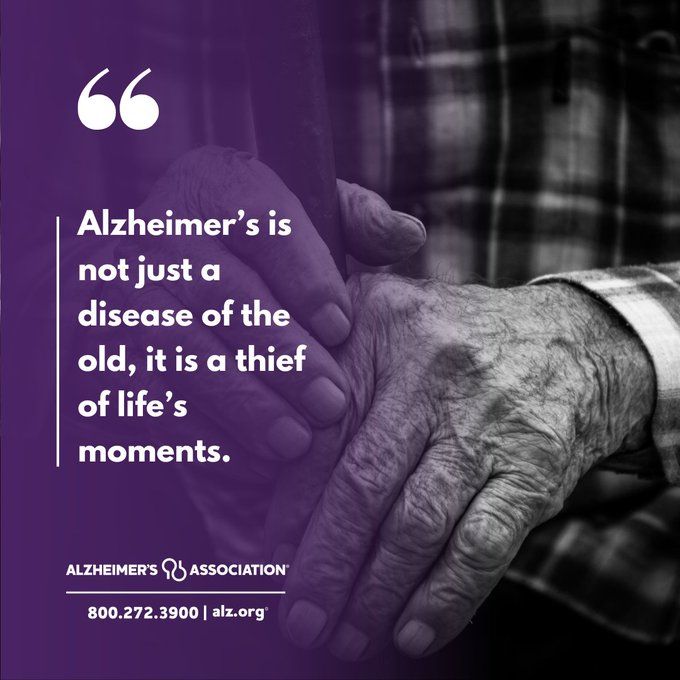
Imagine waking up one morning and struggling to remember your daughter’s name, the route to the grocery store you’ve visited hundreds of times, or even how to tie your shoelaces. This is the chilling reality for millions grappling with dementia, a cruel thief that doesn’t just steal memories, but shatters lives piece by piece. It’s a daunting prospect, isn’t it? But understanding the condition and knowing what steps we can take can empower us and those we care about to navigate this challenging journey.

Explanation of the Problem

Dementia isn’t a single disease but rather an umbrella term for a group of symptoms that affect cognitive abilities – thinking, memory, and reasoning – severely enough to interfere with daily life. Alzheimer’s disease is the most common cause of dementia, accounting for 60-80% of cases. Other types include vascular dementia, Lewy body dementia, and frontotemporal dementia.

The Immediate Fallout: Day-to-Day Struggles

The short-term impacts of dementia are often subtle at first. Perhaps it’s forgetting appointments, misplacing items more frequently, or struggling to follow conversations. These seemingly minor inconveniences can quickly escalate. Imagine the frustration and anxiety of repeatedly asking the same question, not recognizing familiar faces, or feeling lost even in your own neighborhood.

For those with dementia, these daily struggles can lead to:

  • Increased Anxiety and Depression: The realization that cognitive abilities are declining can be terrifying and demoralizing.
  • Difficulty Performing Everyday Tasks: Simple tasks like cooking, cleaning, or even dressing can become insurmountable challenges.
  • Social Isolation: As communication becomes more difficult and awareness of cognitive decline increases, individuals may withdraw from social interactions, leading to feelings of loneliness and isolation.
  • Safety Concerns: Impaired judgment and memory can lead to unsafe situations, such as leaving the stove on, getting lost while driving, or forgetting to take medication.

The Long-Term Ripple Effect: A Deepening Crisis

The long-term consequences of dementia are even more profound, impacting not only the individual but also their families and communities. As the disease progresses, individuals may lose the ability to speak, walk, or even recognize their loved ones. This often necessitates round-the-clock care, placing immense emotional and financial strain on family members.

  • Family Caregiver Burnout: Providing constant care for someone with dementia is incredibly demanding, both physically and emotionally. Caregivers often experience burnout, depression, and health problems of their own.
  • Financial Burden: The costs associated with dementia care can be staggering, including medical expenses, home modifications, and the potential need for assisted living or nursing home care.
  • Erosion of Relationships: The changing personality and cognitive decline of the individual with dementia can strain relationships with family members and friends. Communication breakdowns and the inability to share memories can lead to feelings of loss and grief.
  • Loss of Independence and Dignity: As dementia progresses, individuals lose their ability to live independently and often require assistance with basic daily activities, leading to a loss of dignity and self-esteem.

Solutions

While there is currently no cure for most forms of dementia, there are many things we can do to improve the quality of life for those affected and support their caregivers. The key is to adopt a multi-faceted approach that addresses both the individual’s needs and the caregiver’s well-being.

Here are some practical solutions:

  • Early Diagnosis and Intervention: Early diagnosis allows for timely access to treatments, therapies, and support services that can help manage symptoms and slow the progression of the disease. Encourage regular cognitive assessments for individuals at risk, especially those with a family history of dementia.
  • Medication and Therapies: Medications like cholinesterase inhibitors and memantine can help improve cognitive function in some individuals with Alzheimer’s disease. Non-pharmacological therapies, such as cognitive stimulation therapy, occupational therapy, and physical therapy, can also help maintain function and improve quality of life.
  • Creating a Supportive Environment: Make the home environment safe and dementia-friendly by removing hazards, labeling items, and simplifying routines. Use visual cues, such as pictures and symbols, to aid memory and orientation.
    • Example: A family created a “memory box” filled with photographs, mementos, and other items that triggered positive memories for their mother with Alzheimer’s. This helped to stimulate conversation and reduce anxiety.
  • Caregiver Support and Respite: Caregiver burnout is a major concern. Seek out support groups, respite care services, and adult day care programs to provide caregivers with a break and an opportunity to recharge.
    • Example: A daughter caring for her father with dementia joined a local support group and found it incredibly helpful to connect with others who understood her challenges. She also arranged for a few hours of respite care each week so she could attend to her own needs.
  • Communication Strategies: Adapt communication strategies to the individual’s level of understanding. Use simple language, speak slowly and clearly, and maintain eye contact. Be patient and understanding, and avoid arguing or correcting them.
  • Lifestyle Modifications: Encourage a healthy lifestyle that includes regular exercise, a balanced diet, and social engagement. Studies have shown that these factors can help reduce the risk of cognitive decline.
  • Technology Assistance: Leverage technology to assist with memory, safety, and communication. GPS trackers, medication reminders, and video conferencing tools can help individuals with dementia maintain independence and stay connected with loved ones.
  • Advance Care Planning: Engage in advance care planning to discuss the individual’s wishes for future medical care and end-of-life decisions. This can help ensure that their preferences are respected and alleviate stress for family members.
  • Alternative Approaches: Consider alternative therapies, such as music therapy, art therapy, and pet therapy, which have been shown to improve mood, reduce anxiety, and enhance overall well-being in individuals with dementia.

Choosing What Works Best: A Personalized Approach

There is no one-size-fits-all solution for dementia care. The best approach is to tailor interventions to the individual’s specific needs, preferences, and abilities. This requires ongoing assessment, flexibility, and a willingness to adapt as the disease progresses.

For example, one family might find that music therapy is particularly effective at calming their mother’s anxiety, while another family might find that a structured daily routine helps their father maintain a sense of purpose and control. Experiment with different approaches and find what works best for your loved one.

Conclusion

Dementia is a devastating disease, but it doesn’t have to define the lives of those affected. By understanding the condition, implementing practical solutions, and providing compassionate support, we can help individuals with dementia live with dignity, purpose, and joy. It will be a difficult road, but you can make a difference.

Don’t wait. Educate yourself, connect with resources, and take action to support those affected by dementia. Every small step you take can make a world of difference. Let’s work together to create a future where dementia is understood, managed, and ultimately, prevented. Your actions today can create a more compassionate and supportive world for those living with this challenging condition.

Parkinson’s: Stealing Time, Demanding Answers.

“`html
Parkinson's Brain

Parkinson’s: Stealing Time, Demanding Answers

Introduction

Imagine a thief, not one that takes your possessions, but one that gradually robs you of your ease, your fluidity, and ultimately, your control. That’s Parkinson’s Disease. It doesn’t come barging in; it creeps, it whispers, and before you know it, it’s dictating the rhythm of your life. It’s stealing time, one tremor, one shuffle, one frozen moment at a time. But while Parkinson’s demands respect, it doesn’t get to silence us. It demands answers, and we’re increasingly determined to find them.

Explanation of the Problem: Short-Term and Long-Term Impacts

Parkinson’s isn’t just about tremors. That’s often the image that comes to mind, but it’s so much more complex. In the short term, it might manifest as a slight stiffness, a barely noticeable slowness, or a change in your handwriting. Maybe you’re not swinging your arm as much when you walk, or your sense of smell has diminished. These subtle changes can be easily dismissed as “getting older” or just a “bad day.” But these are the early whispers of the thief.

As the disease progresses, the impact becomes undeniable. Daily tasks, once effortless, become monumental challenges. Imagine struggling to button your shirt, pour a cup of coffee, or even get out of bed. This is the reality for many living with Parkinson’s. The tremors become more pronounced, the rigidity more persistent, and the slowness more debilitating.

But the physical challenges are only part of the story. Parkinson’s also impacts cognitive function, leading to problems with memory, attention, and decision-making. Depression and anxiety are common companions, further compounding the challenges. Social isolation becomes a real threat as individuals withdraw from activities they once enjoyed, feeling self-conscious and overwhelmed.

In the long term, Parkinson’s can significantly impact independence and quality of life. It can strain relationships, both with family and friends, as caregiving demands increase. The financial burden can be substantial, with costs associated with medication, therapy, and potentially long-term care. The progressive nature of the disease means that the challenges will likely intensify over time, demanding ongoing adaptation and resilience.

Solutions: Practical Solutions and Approaches

While there is currently no cure for Parkinson’s, there’s plenty we can do to manage the symptoms, slow the progression, and reclaim some of that stolen time. The key is a multi-faceted approach, tailored to your individual needs and circumstances.

Here’s a look at some practical solutions:

  • Medication Management: Medications like levodopa can help replenish dopamine levels in the brain, alleviating motor symptoms. However, these medications can have side effects, and their effectiveness may diminish over time. Working closely with your neurologist to find the right medication and dosage is crucial. Don’t be afraid to ask questions and discuss any concerns you have.
  • Exercise is Non-Negotiable: This is perhaps the most powerful tool in your arsenal. Exercise has been shown to improve motor function, balance, and even cognitive function in people with Parkinson’s. Think of it as medicine in motion.
    • Examples:
      • Rock Steady Boxing: A program specifically designed for people with Parkinson’s, using boxing techniques to improve strength, balance, and coordination.
      • Tai Chi: Gentle, flowing movements that can improve balance, flexibility, and reduce stress.
      • Dancing: A fun and engaging way to improve motor skills, coordination, and social interaction.
      • Simple walking: Even a daily walk can make a significant difference.
  • Therapy and Support:
    • Physical Therapy: Helps improve motor skills, balance, and mobility. A physical therapist can also teach you exercises to do at home.
    • Occupational Therapy: Focuses on helping you adapt your environment and develop strategies to perform daily tasks more easily.
    • Speech Therapy: Addresses speech and swallowing difficulties.
    • Support Groups: Connecting with others who understand what you’re going through can provide invaluable emotional support and practical advice.
  • Nutrition is Key: A healthy diet can help manage symptoms and improve overall well-being. Focus on whole, unprocessed foods, including plenty of fruits, vegetables, and lean protein.
    • Example: Some people with Parkinson’s find that a Mediterranean diet, rich in antioxidants and healthy fats, is beneficial.
  • Brain Training: Cognitive exercises can help maintain mental sharpness and slow cognitive decline.
    • Examples: Puzzles, memory games, and learning new skills.

Alternative Approaches: Exploring Complementary Therapies

In addition to conventional treatments, many people with Parkinson’s explore complementary therapies. These approaches may not be scientifically proven to cure the disease, but they can help manage symptoms and improve quality of life.

  • Acupuncture: Some studies suggest that acupuncture may help relieve pain and improve motor function.
  • Massage Therapy: Can help reduce muscle stiffness and improve circulation.
  • Mindfulness and Meditation: Can help reduce stress and improve mood.
  • Neurofeedback: A technique that uses real-time feedback to train the brain to function more efficiently. While research is still ongoing, some studies suggest that neurofeedback may improve motor symptoms and cognitive function in people with Parkinson’s.

Choosing What’s Right for You: A Personalized Approach

The best approach to managing Parkinson’s is a personalized one. What works for one person may not work for another. It’s important to work closely with your healthcare team to develop a plan that meets your individual needs and goals.

  • Case Study: Consider the example of Mary, a 65-year-old woman diagnosed with Parkinson’s. Initially, she relied solely on medication to manage her symptoms. However, she found that the medication’s effectiveness was diminishing, and she was experiencing side effects. Mary then started attending Rock Steady Boxing classes three times a week and working with an occupational therapist to adapt her home environment. She also joined a support group and started practicing mindfulness meditation. As a result, Mary experienced a significant improvement in her motor function, balance, and overall quality of life.
  • Take baby steps: Overwhelming yourself is not the way to go. Start small with small goals that you can achieve.

Demanding Answers: The Future of Parkinson’s Research

While living with Parkinson’s can be challenging, there is reason for optimism. Research is advancing rapidly, leading to new discoveries about the causes of the disease and potential treatments. Scientists are exploring promising new avenues, including gene therapy, stem cell therapy, and immunotherapies. We are getting closer to unraveling the mysteries of Parkinson’s, and one day, we may find a cure.

Conclusion: Reclaiming Your Time

Parkinson’s may be stealing time, but it doesn’t get to steal your spirit. By taking proactive steps to manage your symptoms, embrace healthy lifestyle habits, and connect with others, you can reclaim some of that stolen time and live a fulfilling life. Remember, you are not alone. There is a community of people who understand what you’re going through and are ready to support you. Don’t give up. Keep fighting. Keep demanding answers. The future is brighter than you think. Take action. Start with a small step today. Schedule that exercise class, reach out to a support group, or simply take a walk in the park. You have the power to make a difference in your own life, and together, we can make a difference in the lives of everyone affected by Parkinson’s.

“`

Cancer: The Thief of Tomorrows.

Cancer: The Thief of TomorrowsCancer Awareness

Cancer:TheThiefofTomorrows

Introduction

Imagineameticulouslyplannedfuture:graduations,weddings,grandchildren,exotictravels,quieteveningsreadingontheporchswing.Nowimaginethatfuture,piecebypiece,beingsubtly,thenaggressively,chippedaway.That’swhatcancerdoes.It’sathief,notjustoflives,butofdreams,plans,andthesimplejoysof”tomorrows.”

Weallknowsomeonetouchedbycancer.Arelative,afriend,acolleague,orperhapsevenourselves.It’s adiseasethatseemstolurkintheshadows,ever-presentandever-threatening.Butbeyondthestatisticsandscientificjargon,liesaveryhumanreality:theprofoundimpactcancerhasonindividuals,families,andcommunities,bothintheimmediatepresentandfarintothefuture.

TheImmediateBlow:Short-TermImpacts

Thediagnosisitselfisaseismicevent.Itshatterstheillusionofinvincibilityandplungesindividualsintoawhirlwindofappointments,tests,andconsultations.Thisisthebeginningoftheimmediatebattle,afightthatimpactseveryaspectoflife.

  • PhysicalToll:Chemotherapy,radiation,surgery–thesetreatments,whilelife-saving,oftencomewithaheavyprice.Nausea,fatigue,hairloss,andchronicpaincanbecomeunwelcomedailycompanions.Thesesideeffectscandrasticallyreducethequalityoflife,makingsimpletasksfeellikemonumentalchallenges.
  • EmotionalRollercoaster:Fear,anxiety,anger,grief,anduncertaintybecomeconstantpassengersonthisunwelcomejourney.Theemotionalburdencanbeoverwhelming,notjustforthepatient,butfortheirlovedonesaswell.
  • FinancialStrain:Cancertreatmentisexpensive.Evenwithinsurance,co-pays,deductibles,andthecostofsupportivecarecanquicklymount,creatingasignificantfinancialburden.Manyfamiliesfindthemselvesstrugglingtobalancemedicalbillswitheverydayexpenses,addingfurtherstresstoanalreadydifficultsituation.
  • ImpactonRelationships:Cancerdoesn’tjustaffecttheindividual;itimpactstheirentiresupportnetwork.Spousesmaybecomecaregivers,childrenmayneedtotakeonadditionalresponsibilities,andfriendshipsmaybetested.Maintaininghealthyrelationshipsduringthisstressfultimerequiresopencommunication,patience,andawillingnesstoaskforhelp.
  • WorkplaceDisruptions:Theinabilitytoworkduetoillnessortreatmentsideeffectscanleadtojoblossorreducedincome.Thiscanfurtherexacerbatefinancialdifficultiesandcreateadditionalanxietyaboutthefuture.

TheLongShadow:Long-TermConsequences

Evenaftertheimmediatebattleiswon,theshadowofcancercanlinger.Thelong-termconsequencescanbebothphysicalandemotional,affectingindividualsforyearstocome.

  • LateEffects:Somecancertreatmentscancauselong-termhealthproblems,suchasheartdamage,nervedamage,orsecondarycancers.Theselateeffectscanemergeyearsaftertreatment,requiringongoingmonitoringandmanagement.
  • EmotionalScars:Thetraumaofcancercanleavelastingemotionalscars.Survivorsmaystrugglewithanxiety,depression,orpost-traumaticstressdisorder(PTSD).Theymayalsograpplewithfeelingsoffear,vulnerability,anduncertaintyaboutthefuture.
  • ChangesinIdentity:Cancercanprofoundlychangeaperson’ssenseofself.Survivorsmayfeeldifferent,bothphysicallyandemotionally,fromwhotheywerebeforetheirdiagnosis.Theymayneedtoredefinetheirgoals,priorities,andrelationships.
  • FearofRecurrence:Thefearofcancerreturningisacommonandunderstandableconcernforsurvivors.Thisfearcantriggeranxietyandmakeitdifficulttofullyembracelifeaftercancer.
  • ChallengeswithReintegration:Returningtowork,school,orsocialactivitiesaftercancertreatmentcanbechallenging.Survivorsmayfacephysicallimitations,emotionaldifficulties,orsocialstigma.

FightingBack:PracticalSolutionsandApproaches

Whilecancerisaformidablefoe,it’snotanunbeatableone.Therearepracticalstepswecanalltaketoreduceourriskandimproveoutcomes.

  1. PreventionisKey:Focusonlifestylechoicesthatreduceyourrisk.
    • HealthyDiet:Loaduponfruits,vegetables,andwholegrains.Limitprocessedfoods,redmeat,andsugarydrinks.
    • RegularExercise:Aimforatleast30minutesofmoderate-intensityexercisemostdaysoftheweek.
    • AvoidTobacco:Smokingisaleadingcauseofmanycancers.Ifyousmoke,quit.
    • SunProtection:Protectyourskinfromthesun’sharmfulraysbywearingsunscreen,hats,andprotectiveclothing.
    • LimitAlcohol:Excessivealcoholconsumptionincreasestheriskofcertaincancers.
  2. EarlyDetectionSavesLives:Regularscreeningscandetectcancerearly,whenit’smosttreatable.
    • Mammograms:Forwomen,startingatage40or50,dependingonindividualriskfactors.
    • Colonoscopies:Startingatage45,orearlierifyouhaveafamilyhistoryofcoloncancer.
    • PapTests:Forwomen,toscreenforcervicalcancer.
    • PSATests:Formen,toscreenforprostatecancer,inconsultationwiththeirdoctor.
    • Self-Exams:Regularlycheckyourskinforanychangesornewmoles.Womenshouldalsoperformregularbreastself-exams.

    CaseStudy:Considertheadvancementsinearlybreastcancerdetection.Mammographyscreeningshavesignificantlyreducedmortalityratesbycatchingtumorsatearlier,moretreatablestages.

  3. PersonalizedTreatmentPlans:Cancertreatmentisnotanone-size-fits-allapproach.Workwithyourhealthcareteamtodevelopapersonalizedtreatmentplanthattakesintoaccountyourspecifictypeofcancer,stage,andoverallhealth.
    • GenomicTesting:Thiscanhelpid Specific genetic mutations that are driving your cancer growth, allowing for more targeted therapies.
    • ClinicalTrials:Considerparticipatinginaclinicaltrialtoaccesscutting-edgetreatmentsthatmaynotbeavailableelsewhere.
  4. HolisticSupport:Don’tneglecttheemotionalandpsychologicalaspectsofcancercare.
    • Therapy:Talkingtoatherapistorcounselorcanhelpyoucopewiththeemotionalchallengesofcancer.
    • SupportGroups:Connectingwithothercancerpatientsandsurvivorscanprovideasenseofcommunityandunderstanding.
    • Mind-BodyPractices:Yoga,meditation,andmindfulnesscanhelpreducestressandimproveoverallwell-being.

    Example:Manyhospitalsnowofferintegratedoncologyprogramsthatcombineconventionalmedicaltreatmentswithcomplementarytherapieslikeacupuncture,massage,andnutritionalcounseling.

  5. AdvocateforYourself:Beanactiveparticipantinyourowncare.Askquestions,seeksecondopinions,anddon’tbefraidtospeakupifyouhaveconcerns.
    • Research:Educateyourselfaboutyourtypeofcancerandtreatmentoptions.
    • KeepaJournal:Trackyoursymptoms,sideeffects,andconcerns.
    • BringaSupportPerson:Takeafriendorfamilymemberwithyoutoappointmentstohelptakenotesandaskquestions.
  6. FocusonSurvivorship:Lifeaftercancerispossible,anditcanbefulfilling.
    • Rehabilitation:Physicaltherapy,occupationaltherapy,andspeechtherapycanhelpyouregainstrengthandfunction.
    • NutritionalGuidance:Workwitharegistereddietitiantodevelopahealthyeatingplan.
    • ExercisePrograms:Regularexercisecanhelpimproveyourenergylevels,mood,andoverallhealth.
    • Re-EntrySupport:Manyorganizationsofferprogramstohelpcancersurvivorsreturntowork,school,orsocialactivities.

AlternativeApproachestoConsider:

Beyondthestandardmedicaltreatments,someindividualsexplorecomplementarytherapies.It’scrucialtodiscussthesewithyouroncologisttoensuretheydon’tinterferewithyourprimarytreatment:

  • Acupuncture:Mayhelpwithpainmanagementandnausea.
  • MassageTherapy:Canreducestressandimproverelaxation.
  • HerbalRemedies:Usewithcautionandundertheguidanceofaqualifiedpractitioner,assomeherbscaninteractwithcancertreatments.

EmbracingtheFuture:ACalltoAction

Cancerisundoubtedlyathief,butitdoesn’thavetostealeverything.Byfocusingonprevention,earlydetection,personalizedtreatment,andholisticsupport,wecanfightbackandreclaimour”tomorrows.”

Let’snotallowcancertodefineusordictateourfutures.Let’sempowerourselveswithknowledge,supporteachtotherthroughthechallenges,andembracelifewithrenewedappreciationanddetermination.Thefightagainstcancerisacollectiveeffort,andeveryaction,nomatterhowsmall,canmakeadifference.Together,wecanturnthetideandcreateafuturewherecancernolongerstealsourtomorrows.Starttodaybytakingaproactivesteptowardsyourhealth,whetherit’sschedulingascreening,adoptingahealthierlifestyle,orsimplyreachingouttosupportsomeonewhoisbattlingthisdisease.Youractionsmatter,andtheycanshapeabrighter,cancer-freefutureforall.

Unleash Your Inner Vitality: The Health Life Redefined

Unleash Your Inner VitalityVitality Image

Unleash Your Inner Vitality: The Health Life Redefined

Introduction

Ever feel like you’re running on fumes? Like your body and mind are just going through the motions, instead of truly thriving? You’re not alone. We’re living in a world that, while offering incredible advancements, often pushes us towards a state of constant stress and depleted energy. But what if I told you that a vibrant, energetic life isn’t just a pipe dream, but an achievable reality? What if you could redefine your understanding of “health” and tap into a wellspring of inner vitality?

Forget the rigid diets and grueling workout routines that often come to mind when we think about health. This isn’t about striving for some unrealistic ideal. It’s about understanding the power you hold to cultivate a life brimming with energy, resilience, and joy. It’s about redefining health on your own terms.

The Subtle Thief: The Impact of a Drained Life

Before we dive into unlocking your inner vitality, let’s take a moment to acknowledge the consequences of neglecting it. We often dismiss those nagging feelings of fatigue, brain fog, and irritability as simply “part of life.” But these are warning signs, indicators that our bodies and minds are struggling.

Short-Term Effects:

  • Reduced Productivity: Difficulty concentrating, leading to decreased performance at work or in personal projects.
  • Emotional Instability: Increased irritability, anxiety, and a general feeling of being overwhelmed.
  • Compromised Immune System: Increased susceptibility to colds, flu, and other minor illnesses.
  • Sleep Disturbances: Difficulty falling asleep or staying asleep, leading to a vicious cycle of fatigue.
  • Diminished Joy: A general lack of enthusiasm and enjoyment in activities you once loved.

Long-Term Consequences:

  • Chronic Diseases: Increased risk of developing conditions such as heart disease, diabetes, and autoimmune disorders.
  • Mental Health Issues: Higher likelihood of experiencing depression, anxiety disorders, and chronic stress.
  • Accelerated Aging: Premature aging of the body and mind, leading to decreased physical and cognitive function.
  • Strained Relationships: Difficulty maintaining healthy relationships due to irritability, fatigue, and emotional instability.
  • Decreased Quality of Life: A diminished sense of well-being and overall life satisfaction.

Think of it like this: your vitality is like a battery. If you constantly drain it without recharging, it will eventually lose its capacity to hold a charge. It’s time to plug in and revitalize!

Reclaiming Your Energy: Practical Solutions for a Vibrant Life

So, how do we redefine our approach to health and unlock that inner vitality? Here are some practical, easy-to-understand solutions you can incorporate into your daily life:

  1. Prioritize Nourishment, Not Just Dieting:

    Forget restrictive diets and focus on nourishing your body with whole, unprocessed foods.

    • The Plate Method: Fill half your plate with colorful vegetables, a quarter with lean protein (chicken, fish, beans), and a quarter with complex carbohydrates (whole grains, sweet potatoes).
    • Hydration is Key: Aim for at least eight glasses of water a day. Dehydration can lead to fatigue, headaches, and decreased cognitive function.
    • Mindful Eating: Pay attention to your hunger cues and eat slowly, savoring each bite. This can prevent overeating and improve digestion.

    Example: Sarah, a busy marketing executive, struggled with constant fatigue. By simply switching from processed snacks to fruits, vegetables, and nuts, and focusing on drinking more water throughout the day, she noticed a significant increase in her energy levels within just a week.

  2. Move Your Body, Your Way:

    Exercise doesn’t have to be a chore. Find activities you enjoy and make them a regular part of your routine.

    • Find Your Fit: Explore different forms of movement, such as yoga, hiking, dancing, swimming, or cycling.
    • Little and Often: Even short bursts of activity, like a 10-minute walk or a quick dance break, can make a difference.
    • Make it Social: Exercise with a friend or join a group class for added motivation and accountability.

    Case Study: John, a software developer who spent most of his day sitting, started taking short walks during his lunch breaks. Not only did he feel more energized, but he also found that he was more creative and productive at work.

  3. Master the Art of Stress Management:

    Chronic stress is a major energy drainer. Learn techniques to manage stress and promote relaxation.

    • Mindfulness Meditation: Take a few minutes each day to focus on your breath and quiet your mind. There are numerous apps and online resources to guide you.
    • Deep Breathing Exercises: Practice deep, diaphragmatic breathing to calm your nervous system.
    • Prioritize Sleep: Aim for 7-8 hours of quality sleep each night. Create a relaxing bedtime routine and ensure your bedroom is dark, quiet, and cool.

    Alternative Approaches: Consider exploring other stress-reducing techniques like yoga, tai chi, or spending time in nature.

  4. Cultivate Meaningful Connections:

    Social isolation can have a significant impact on your mental and physical health. Nurture your relationships and connect with others.

    • Make Time for Loved Ones: Schedule regular time to spend with family and friends.
    • Join a Group or Club: Participate in activities that align with your interests and allow you to meet new people.
    • Practice Active Listening: When interacting with others, truly listen to what they have to say and show genuine interest.

    Example: Maria, a recently retired teacher, felt isolated and lonely. By joining a book club and volunteering at a local community center, she formed new friendships and rediscovered a sense of purpose.

  5. Prioritize Mental Clarity and Cognitive Function:

    Just like your body, your mind needs regular care and attention.

    • Challenge Your Brain: Engage in activities that stimulate your mind, such as reading, puzzles, or learning a new skill.
    • Limit Screen Time: Excessive screen time can lead to eye strain, headaches, and sleep disturbances.
    • Practice Gratitude: Take time each day to reflect on the things you are grateful for. This can boost your mood and improve your overall outlook.

    Alternative Approaches: Consider incorporating brain-training games or apps into your routine to enhance cognitive function.

Your Journey to Vitality Starts Now:

Unleashing your inner vitality is not a quick fix, but a journey of continuous self-care and conscious choices. It’s about recognizing your body’s needs, honoring your mind’s well-being, and nurturing your soul’s desire for connection and purpose.

Remember, you don’t have to overhaul your entire life overnight. Start small, choose one or two strategies that resonate with you, and gradually incorporate them into your daily routine. Be patient with yourself, celebrate your progress, and don’t be afraid to adjust your approach as needed.

The power to redefine your health and unlock your inner vitality lies within you. Embrace the journey, commit to your well-being, and prepare to experience a life filled with energy, joy, and limitless possibilities. You deserve to thrive, not just survive. So, take that first step today and begin your transformation towards a more vibrant and fulfilling life!

Food: The Silent Revolution.

Food: The Silent RevolutionFood Safety

Food: The Silent Revolution

Introduction

Ever feel like you’re just going through the motions when it comes to food? Grabbing whatever’s quick, easy, and familiar? We’re all guilty of it. But what if I told you that every bite you take is a vote? A vote for a system that’s either helping us and the planet thrive, or one that’s slowly… well, not so slowly… leading us down a problematic path. This isn’t about becoming a food snob or shaming your choices. It’s about understanding the power we wield, three times a day (or more!), and how we can use it to spark a “silent revolution” – one plate at a time.

The Unseen Impact: Short-Term Consequences and Long-Term Shadows

Let’s face it: the current food system, for many, is built on convenience. We crave speed, affordability, and predictability. That’s understandable. But what are the immediate consequences of this approach? For starters, processed foods, loaded with sugar, unhealthy fats, and sodium, are often the go-to option. These provide quick energy, sure, but lead to energy crashes, mood swings, and, in the short term, contribute to a host of issues like digestive problems, skin breakouts, and even difficulty concentrating. We’ve all felt that afternoon slump after a heavy, processed lunch, right?

Beyond the immediate physical effects, our choices impact local businesses and communities. Supporting large corporations at the expense of local farmers and producers can stifle economic growth, reduce job opportunities, and contribute to a decline in the vibrancy of our neighborhoods. Think about those charming local markets disappearing, replaced by generic chain stores.

However, the short-term impacts are merely the tip of the iceberg. The long-term implications of our food choices are far more profound. The reliance on industrial agriculture, with its heavy use of pesticides and fertilizers, depletes the soil, pollutes waterways, and contributes significantly to climate change. We’re essentially borrowing from future generations, leaving them a planet less capable of sustaining life.

Furthermore, the lack of nutritional variety in our diets weakens our immune systems, making us more susceptible to chronic diseases like diabetes, heart disease, and certain cancers. Imagine a future where these conditions are even more prevalent, straining healthcare systems and impacting quality of life for millions.

The problem extends beyond our own health. Food waste, a monumental issue, contributes to greenhouse gas emissions as it decomposes in landfills. Think about all the uneaten food that gets tossed out – in homes, restaurants, and supermarkets – and the wasted resources (water, land, energy) that went into producing it.

The current food system, driven by efficiency and profit, is inherently unsustainable. It prioritizes quantity over quality, convenience over nutrition, and short-term gains over long-term well-being. It’s a system that needs a serious overhaul, and the power to initiate that change lies with us, the consumers.

Planting the Seeds of Change: Practical Solutions You Can Adopt

So, how do we start this “silent revolution”? The good news is that it doesn’t require a complete lifestyle overhaul. Small, consistent changes can make a significant difference. Here are some practical, applicable, and easy-to-understand solutions:

  • Embrace the Local Harvest: Support local farmers by shopping at farmers’ markets or joining a Community Supported Agriculture (CSA) program. You’ll get fresh, seasonal produce, often grown using sustainable methods, and you’ll be directly supporting your local economy. Example: Many cities have thriving farmers’ markets. In Austin, Texas, the Sustainable Food Center Farmers’ Market offers a diverse selection of locally grown produce, meats, and artisanal goods.
  • Read Labels Like a Detective: Become a label-reading expert. Pay attention to ingredients, serving sizes, and nutritional information. Avoid products with excessive amounts of added sugar, unhealthy fats, and artificial ingredients. Example: Instead of reaching for a pre-made salad dressing loaded with preservatives, opt for a simple vinaigrette made with olive oil, vinegar, and herbs.
  • Reduce Food Waste: Plan your meals, make a shopping list, and stick to it. Store food properly to prolong its shelf life. Get creative with leftovers and turn them into new meals. Compost food scraps to reduce landfill waste. Example: Instead of throwing away vegetable scraps, use them to make a flavorful vegetable broth.
  • Grow Your Own (Even a Little): Even if you don’t have a large garden, you can grow herbs and vegetables in pots on your windowsill or balcony. It’s a rewarding experience that connects you to your food and reduces your reliance on store-bought produce. Example: A small herb garden with basil, mint, and rosemary can add fresh flavor to your meals and save you money.
  • Mindful Meat Consumption: Reducing your meat consumption, even slightly, can have a positive impact on your health and the environment. Consider incorporating more plant-based meals into your diet. Example: Try “Meatless Mondays” and explore vegetarian recipes like lentil soup, black bean burgers, or vegetable stir-fries.
  • Advocate for Change: Support organizations and policies that promote sustainable agriculture and food systems. Contact your elected officials and let them know that you care about these issues. Example: Many organizations advocate for policies that support local farmers, reduce food waste, and promote healthier food choices.

Your Plate, Your Power: Alternative Approaches and Choices

The beauty of this “silent revolution” is that it’s not a one-size-fits-all solution. There are many alternative approaches you can take, depending on your lifestyle, budget, and preferences:

  • The “Slow Food” Approach: Embrace the tradition of cooking and eating slowly, savoring each bite, and connecting with the food and the people you’re sharing it with.
  • The “Minimalist” Approach: Focus on eating whole, unprocessed foods and eliminating unnecessary ingredients and additives.
  • The “Budget-Friendly” Approach: Prioritize affordable, nutrient-dense foods like beans, lentils, whole grains, and seasonal vegetables.
  • The “Time-Saver” Approach: Plan your meals in advance, prepare ingredients on the weekend, and utilize convenient appliances like slow cookers and pressure cookers.

The key is to find an approach that works for you and to make small, sustainable changes over time.

A Taste of Hope: Embracing the Revolution

The task of changing a global food system can feel overwhelming, but remember that every individual action contributes to a larger movement. Each mindful choice you make, each local farmer you support, each food waste reduction you implement, sends a ripple effect through the system.

We’re not talking about overnight miracles. We’re talking about a gradual shift, a collective awakening to the power we hold as consumers. We have the ability to shape a food system that is healthier, more sustainable, and more equitable. A system that nourishes both our bodies and the planet.

The “silent revolution” is already underway. People are demanding better food, supporting local businesses, and advocating for change. By joining this movement, you’re not just improving your own health and well-being, you’re contributing to a brighter future for all. So, take a look at your plate, consider the impact of your choices, and let’s start this revolution, one delicious bite at a time. The power to change the world, quite literally, is in your hands. Are you ready to eat for a better tomorrow?

**Diet: Unearth Your Best Self.**

Diet:UnearthYourBestSelfHealthy Living

Diet:UnearthYourBestSelf

Introduction

Ever feel like there’s a hidden version of you, bursting with energy, radiating confidence, and just…thriving? A version waiting to be unlocked? The key, more often than not, lies in something we engage with every single day: our diet. We’re not talking about restrictive fads or flavorless deprivation here. We’re talking about uncovering the power of food to fuel your body and mind, to shape not just your physique, but your entire well-being.

Think of your body as a high-performance machine. You wouldn’t fill a Ferrari with low-grade fuel, would you? Your diet is that fuel. And what you put in directly impacts how efficiently you run. The right food can unlock your potential, while the wrong choices can leave you sputtering and struggling to keep up.

The Short-Term Stumbles and Long-Term Shadows

Ignoring the power of a good diet isn’t some abstract, far-off threat. The immediate consequences are often painfully obvious. That mid-afternoon slump that hits you like a ton of bricks? That’s likely linked to a blood sugar crash from a sugary lunch. The constant bloating and discomfort after meals? That could be your body screaming for help processing processed foods. Lack of focus, irritability, even poor sleep – all these can be immediate red flags signaling a dietary disconnect.

But the long-term implications are even more significant. Years of neglecting your nutritional needs can pave the way for serious health problems. We’re talking about increased risk of heart disease, type 2 diabetes, obesity, and even certain types of cancer. Think of it as silently building a wall between you and a vibrant, healthy future. The food choices we make today are writing the story of our health tomorrow.

Beyond the physical, a poor diet can also cast a shadow over our mental well-being. Studies have increasingly linked dietary habits to mood disorders like anxiety and depression. Our brains need specific nutrients to function optimally. When we deprive them of these essentials, we’re essentially handicapping our ability to regulate emotions and manage stress.

Unearthing the Solutions: A Personalized Approach

Okay, so we’ve established the stakes. But the good news is, unlocking your best self through diet isn’t about suffering through bland meals and endless calorie counting. It’s about making conscious, informed choices that nourish your body and mind. Here are some practical, adaptable strategies to get you started:

  • Embrace the Rainbow:This isn’t just about aesthetics. A colorful plate is a sign of a diverse intake of vitamins, minerals, and antioxidants. Load up on fruits and vegetables of all colors – leafy greens, bright berries, vibrant peppers, and earthy root vegetables. Each color offers a unique set of health benefits. Think of it as investing in a diversified portfolio for your health.
    • Example:Instead of grabbing a plain bagel for breakfast, try adding berries and a sprinkle of nuts. Swap your usual afternoon snack of chips for carrot sticks and hummus.
  • The Protein Powerhouse:Protein is the building block of our bodies. It helps build and repair tissues, keeps you feeling full and satisfied, and supports muscle growth. Include lean protein sources in every meal, such as chicken, fish, beans, lentils, tofu, or Greek yogurt.
    • Example:A study published in the American Journal of Clinical Nutrition showed that individuals who consumed a higher protein diet experienced greater weight loss and improved body composition compared to those on a lower protein diet.
  • Hydration is Key:Often overlooked, adequate hydration is crucial for overall health and well-being. Water helps regulate body temperature, transports nutrients, and aids in digestion. Aim for at least eight glasses of water per day.
    • Example:Carry a reusable water bottle with you throughout the day and sip on it regularly. Infuse your water with fruits like lemon or cucumber for added flavor.
  • Smart Swaps, Not Deprivation:Instead of completely eliminating your favorite treats, focus on making healthier substitutions. Craving something sweet? Opt for a piece of dark chocolate instead of a sugary candy bar. Love fried foods? Try baking or air-frying them instead.
    • Example:Replace white rice with brown rice or quinoa. Swap sugary soda for sparkling water with a squeeze of citrus.
  • Mindful Eating:Pay attention to your body’s hunger and fullness cues. Eat slowly and savor each bite. Avoid distractions like TV or your phone while eating. This will help you become more attuned to your body’s needs and prevent overeating.
    • Example:Take a few deep breaths before you start eating. Put your fork down between bites. Ask yourself if you’re truly hungry or just eating out of boredom or habit.
  • Plan Ahead:Meal prepping can be a game-changer for maintaining a healthy diet. Take some time each week to plan your meals and prepare healthy snacks. This will help you avoid impulsive, unhealthy food choices when you’re short on time.
    • Example:Spend a few hours on Sunday preparing a batch of healthy lunches and dinners for the week. Chop up vegetables and fruits for easy snacking.
  • Listen to Your Body:What works for one person might not work for another. Pay attention to how different foods make you feel. If you experience bloating, fatigue, or other negative symptoms after eating certain foods, consider eliminating them from your diet and consulting with a healthcare professional.
    • Case Study:Sarah, a 35-year-old working mother, struggled with chronic fatigue and digestive issues. After working with a registered dietitian, she discovered she had a gluten intolerance. By eliminating gluten from her diet, she experienced a significant improvement in her energy levels and digestive health.

Alternative Approaches: Finding What Works for You

There’s no one-size-fits-all approach to healthy eating. Here are a few alternative strategies to consider:

  • The Mediterranean Diet:This dietary pattern emphasizes fruits, vegetables, whole grains, lean protein, and healthy fats like olive oil. It’s associated with numerous health benefits, including reduced risk of heart disease and stroke.
  • Intermittent Fasting:This involves cycling between periods of eating and fasting. While it can be effective for weight loss, it’s important to consult with a healthcare professional before starting this type of diet, especially if you have any underlying health conditions.
  • Plant-Based Eating:This approach focuses on consuming primarily plant-based foods, such as fruits, vegetables, legumes, and whole grains. It can be a healthy and sustainable way to eat, but it’s important to ensure you’re getting all the essential nutrients your body needs.

Conclusion: Your Journey to a Better You Starts Now

Unearthing your best self through diet isn’t about drastic measures or unattainable ideals. It’s about making sustainable, positive changes that nourish your body and mind. It’s about listening to your body, experimenting with different approaches, and finding what works best for you.

Remember, every small step counts. Every healthy meal you choose, every sugary drink you swap for water, every mindful moment you dedicate to savoring your food – it all adds up. Don’t be afraid to experiment, to stumble, and to learn from your experiences. The journey to a healthier, happier you is a marathon, not a sprint.

The power to unlock your potential lies within you. Start today. Choose one small change you can make to your diet and commit to it. You might be surprised at how quickly you start to feel the difference. Embrace the journey, celebrate your progress, and never stop striving to unearth the best version of yourself. The vibrant, energetic, confident you is waiting to be discovered. What are you waiting for?

Diseases: The Silent Epidemic Stealing Our Future.

Diseases: The Silent Epidemic Stealing Our FutureHealth and Future

Diseases: The Silent Epidemic Stealing Our Future

Introduction

Ever feel like you’re running a race, only to find out the finish line keeps moving further away? Imagine that race is life, and the invisible force pushing back the finish line is disease. It’s not just about dramatic outbreaks that grab headlines; it’s about the everyday illnesses, both chronic and infectious, that are quietly chipping away at our potential, our productivity, and ultimately, our future. This is the silent epidemic, and it’s a far bigger deal than you might think.

The Sneaky Short-Term Effects

Let’s face it, a common cold can derail your week. That’s a minor inconvenience, sure, but zoom out a bit. Think about the lost productivity at work, the missed days at school, the strain on healthcare systems. Even seemingly small ailments add up to massive economic losses and disruptions in daily life.

Consider the flu season. Each year, millions are affected, resulting in billions of dollars lost in productivity. Parents miss work to care for sick children, businesses struggle with absenteeism, and hospitals become overwhelmed. It’s not just about feeling under the weather for a few days; it’s about a significant societal impact.

And what about the mental toll? Dealing with chronic pain, fatigue, or recurring infections can lead to anxiety, depression, and a diminished quality of life. It’s a vicious cycle: illness impacts mental health, and poor mental health can exacerbate physical ailments. This short-term impact is a real and tangible burden on individuals and communities.

The Long Game: Our Future Under Threat

Now, let’s look ahead. The long-term consequences of unchecked diseases are even more alarming. We’re talking about a future where healthcare systems are stretched to their breaking point, where a significant portion of the population is living with debilitating chronic conditions, and where economic growth is stifled by a workforce struggling with illness.

Think about the rise of diabetes and heart disease. These chronic conditions, often linked to lifestyle factors, are becoming increasingly prevalent, especially in younger populations. The long-term costs associated with managing these diseases are astronomical, not to mention the personal toll they take on individuals and families. Reduced life expectancy, diminished productivity, and a lower overall quality of life are just some of the potential consequences.

Moreover, the emergence of antibiotic-resistant bacteria is a ticking time bomb. As common infections become harder to treat, we risk losing ground in our fight against disease, potentially leading to a resurgence of deadly illnesses that were once easily managed.

In short, the silent epidemic is not just about individual health; it’s about the health of our society, our economy, and our future.

Fighting Back: Practical Solutions for a Healthier Future

Okay, enough with the doom and gloom. The good news is, we’re not powerless. There are practical, actionable steps we can take to combat this silent epidemic and reclaim our future.

  1. Prevention is Power:

    This might sound like a cliché, but it’s the cornerstone of any effective strategy. Focus on preventative measures:

    • Vaccination: Get vaccinated against preventable diseases. It protects you and those around you. Think of it as a public service announcement for your body!
    • Healthy Lifestyle: A balanced diet, regular exercise, and adequate sleep are crucial for boosting your immune system and preventing chronic diseases. Small changes, like taking the stairs instead of the elevator or swapping sugary drinks for water, can make a big difference.
    • Regular Check-ups: Early detection is key for many diseases. Regular check-ups with your doctor can help identify potential problems before they become serious.

    Example: A community in California implemented a comprehensive wellness program that included healthy cooking classes, exercise programs, and free health screenings. After a few years, they saw a significant decrease in the incidence of diabetes and heart disease among residents.

  2. Prioritize Mental Health:

    Mental and physical health are intertwined. Addressing mental health issues is not a luxury; it’s a necessity for overall well-being.

    • Seek Support: Don’t hesitate to reach out to a therapist, counselor, or support group if you’re struggling. Talking about your feelings can be incredibly helpful.
    • Practice Self-Care: Make time for activities that you enjoy and that help you relax and de-stress. This could be anything from reading a book to spending time in nature to practicing meditation.
    • Mindfulness: Cultivate mindfulness through practices like yoga or meditation. Being present in the moment can reduce stress and improve overall well-being.
  3. Invest in Research and Innovation:

    We need to continue investing in research to develop new treatments and preventative measures for diseases.

    • Support Research Institutions: Donate to research institutions that are working to find cures for diseases.
    • Advocate for Funding: Contact your elected officials and advocate for increased funding for medical research.
    • Participate in Clinical Trials: Consider participating in clinical trials to help advance medical knowledge.

    Example: The development of mRNA vaccines for COVID-19 is a testament to the power of research and innovation. These vaccines were developed in record time and have saved countless lives.

  4. Promote Public Health Initiatives:

    Public health initiatives are essential for addressing health disparities and promoting healthy behaviors on a population level.

    • Support Public Health Organizations: Donate to public health organizations that are working to improve the health of communities.
    • Advocate for Policies: Advocate for policies that promote healthy behaviors, such as taxes on sugary drinks or bans on smoking in public places.
    • Educate Others: Share information about healthy behaviors with your friends, family, and community.

Alternative Approaches: Tailoring Solutions to Your Needs

The best approach to combating the silent epidemic will vary depending on your individual circumstances and community. Here are a few alternative approaches to consider:

  • For Individuals with Limited Resources: Focus on making small, affordable changes, such as walking more, eating more fruits and vegetables, and getting enough sleep. Look for free or low-cost health resources in your community.
  • For Businesses: Implement wellness programs for employees to promote healthy behaviors and reduce absenteeism.
  • For Communities: Partner with local organizations to create community gardens, promote healthy eating, and provide access to affordable healthcare.

A Future We Can All Look Forward To

The silent epidemic is a challenge, but it’s not an insurmountable one. By taking proactive steps to prevent disease, prioritizing mental health, investing in research, and promoting public health initiatives, we can create a healthier future for ourselves and for generations to come.

It’s time to stop feeling like the finish line is constantly being pushed back. Instead, let’s take control of our health, our communities, and our future. Every small action, every healthy choice, every dollar invested in research brings us closer to a world where disease no longer steals our potential. Let’s start building that future, today. It’s a race worth running, and a victory we can all share.