Food: The Silent Revolution
Introduction
Ever feel like you’re just going through the motions when it comes to food? Grabbing whatever’s quick, easy, and familiar? We’re all guilty of it. But what if I told you that every bite you take is a vote? A vote for a system that’s either helping us and the planet thrive, or one that’s slowly… well, not so slowly… leading us down a problematic path. This isn’t about becoming a food snob or shaming your choices. It’s about understanding the power we wield, three times a day (or more!), and how we can use it to spark a “silent revolution” – one plate at a time.
The Unseen Impact: Short-Term Consequences and Long-Term Shadows
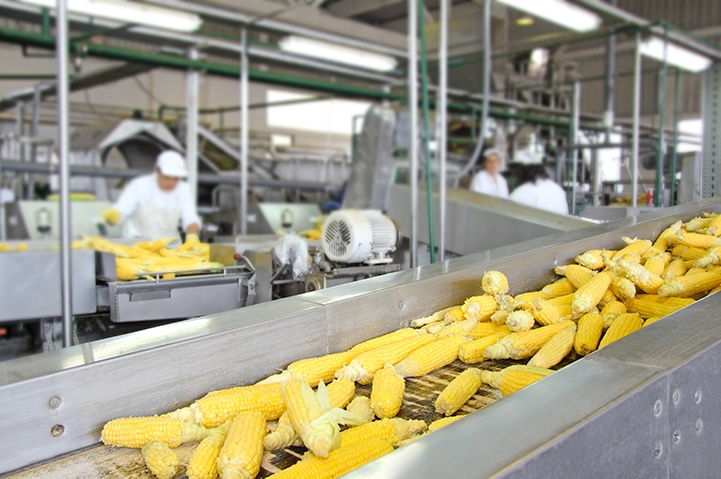
Let’s face it: the current food system, for many, is built on convenience. We crave speed, affordability, and predictability. That’s understandable. But what are the immediate consequences of this approach? For starters, processed foods, loaded with sugar, unhealthy fats, and sodium, are often the go-to option. These provide quick energy, sure, but lead to energy crashes, mood swings, and, in the short term, contribute to a host of issues like digestive problems, skin breakouts, and even difficulty concentrating. We’ve all felt that afternoon slump after a heavy, processed lunch, right?
Beyond the immediate physical effects, our choices impact local businesses and communities. Supporting large corporations at the expense of local farmers and producers can stifle economic growth, reduce job opportunities, and contribute to a decline in the vibrancy of our neighborhoods. Think about those charming local markets disappearing, replaced by generic chain stores.
However, the short-term impacts are merely the tip of the iceberg. The long-term implications of our food choices are far more profound. The reliance on industrial agriculture, with its heavy use of pesticides and fertilizers, depletes the soil, pollutes waterways, and contributes significantly to climate change. We’re essentially borrowing from future generations, leaving them a planet less capable of sustaining life.
Furthermore, the lack of nutritional variety in our diets weakens our immune systems, making us more susceptible to chronic diseases like diabetes, heart disease, and certain cancers. Imagine a future where these conditions are even more prevalent, straining healthcare systems and impacting quality of life for millions.
The problem extends beyond our own health. Food waste, a monumental issue, contributes to greenhouse gas emissions as it decomposes in landfills. Think about all the uneaten food that gets tossed out – in homes, restaurants, and supermarkets – and the wasted resources (water, land, energy) that went into producing it.
The current food system, driven by efficiency and profit, is inherently unsustainable. It prioritizes quantity over quality, convenience over nutrition, and short-term gains over long-term well-being. It’s a system that needs a serious overhaul, and the power to initiate that change lies with us, the consumers.
Planting the Seeds of Change: Practical Solutions You Can Adopt
So, how do we start this “silent revolution”? The good news is that it doesn’t require a complete lifestyle overhaul. Small, consistent changes can make a significant difference. Here are some practical, applicable, and easy-to-understand solutions:
- Embrace the Local Harvest: Support local farmers by shopping at farmers’ markets or joining a Community Supported Agriculture (CSA) program. You’ll get fresh, seasonal produce, often grown using sustainable methods, and you’ll be directly supporting your local economy. Example: Many cities have thriving farmers’ markets. In Austin, Texas, the Sustainable Food Center Farmers’ Market offers a diverse selection of locally grown produce, meats, and artisanal goods.
- Read Labels Like a Detective: Become a label-reading expert. Pay attention to ingredients, serving sizes, and nutritional information. Avoid products with excessive amounts of added sugar, unhealthy fats, and artificial ingredients. Example: Instead of reaching for a pre-made salad dressing loaded with preservatives, opt for a simple vinaigrette made with olive oil, vinegar, and herbs.
- Reduce Food Waste: Plan your meals, make a shopping list, and stick to it. Store food properly to prolong its shelf life. Get creative with leftovers and turn them into new meals. Compost food scraps to reduce landfill waste. Example: Instead of throwing away vegetable scraps, use them to make a flavorful vegetable broth.
- Grow Your Own (Even a Little): Even if you don’t have a large garden, you can grow herbs and vegetables in pots on your windowsill or balcony. It’s a rewarding experience that connects you to your food and reduces your reliance on store-bought produce. Example: A small herb garden with basil, mint, and rosemary can add fresh flavor to your meals and save you money.
- Mindful Meat Consumption: Reducing your meat consumption, even slightly, can have a positive impact on your health and the environment. Consider incorporating more plant-based meals into your diet. Example: Try “Meatless Mondays” and explore vegetarian recipes like lentil soup, black bean burgers, or vegetable stir-fries.
- Advocate for Change: Support organizations and policies that promote sustainable agriculture and food systems. Contact your elected officials and let them know that you care about these issues. Example: Many organizations advocate for policies that support local farmers, reduce food waste, and promote healthier food choices.
Your Plate, Your Power: Alternative Approaches and Choices
The beauty of this “silent revolution” is that it’s not a one-size-fits-all solution. There are many alternative approaches you can take, depending on your lifestyle, budget, and preferences:
- The “Slow Food” Approach: Embrace the tradition of cooking and eating slowly, savoring each bite, and connecting with the food and the people you’re sharing it with.
- The “Minimalist” Approach: Focus on eating whole, unprocessed foods and eliminating unnecessary ingredients and additives.
- The “Budget-Friendly” Approach: Prioritize affordable, nutrient-dense foods like beans, lentils, whole grains, and seasonal vegetables.
- The “Time-Saver” Approach: Plan your meals in advance, prepare ingredients on the weekend, and utilize convenient appliances like slow cookers and pressure cookers.
The key is to find an approach that works for you and to make small, sustainable changes over time.
A Taste of Hope: Embracing the Revolution
The task of changing a global food system can feel overwhelming, but remember that every individual action contributes to a larger movement. Each mindful choice you make, each local farmer you support, each food waste reduction you implement, sends a ripple effect through the system.
We’re not talking about overnight miracles. We’re talking about a gradual shift, a collective awakening to the power we hold as consumers. We have the ability to shape a food system that is healthier, more sustainable, and more equitable. A system that nourishes both our bodies and the planet.
The “silent revolution” is already underway. People are demanding better food, supporting local businesses, and advocating for change. By joining this movement, you’re not just improving your own health and well-being, you’re contributing to a brighter future for all. So, take a look at your plate, consider the impact of your choices, and let’s start this revolution, one delicious bite at a time. The power to change the world, quite literally, is in your hands. Are you ready to eat for a better tomorrow?