Dementia: Stealing Memories, Shattering Lives
Introduction
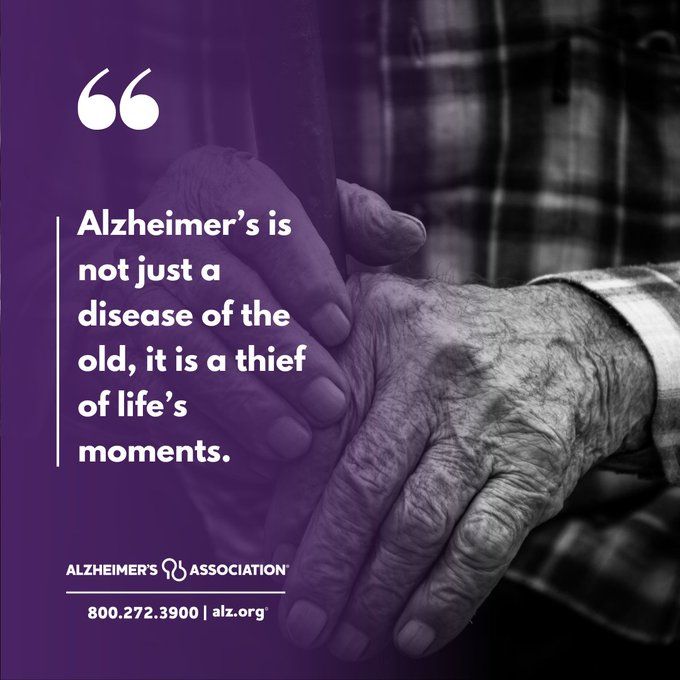
Imagine waking up one morning and struggling to remember your daughter’s name, the route to the grocery store you’ve visited hundreds of times, or even how to tie your shoelaces. This is the chilling reality for millions grappling with dementia, a cruel thief that doesn’t just steal memories, but shatters lives piece by piece. It’s a daunting prospect, isn’t it? But understanding the condition and knowing what steps we can take can empower us and those we care about to navigate this challenging journey.
Explanation of the Problem
Dementia isn’t a single disease but rather an umbrella term for a group of symptoms that affect cognitive abilities – thinking, memory, and reasoning – severely enough to interfere with daily life. Alzheimer’s disease is the most common cause of dementia, accounting for 60-80% of cases. Other types include vascular dementia, Lewy body dementia, and frontotemporal dementia.
The Immediate Fallout: Day-to-Day Struggles
The short-term impacts of dementia are often subtle at first. Perhaps it’s forgetting appointments, misplacing items more frequently, or struggling to follow conversations. These seemingly minor inconveniences can quickly escalate. Imagine the frustration and anxiety of repeatedly asking the same question, not recognizing familiar faces, or feeling lost even in your own neighborhood.
For those with dementia, these daily struggles can lead to:
- Increased Anxiety and Depression: The realization that cognitive abilities are declining can be terrifying and demoralizing.
- Difficulty Performing Everyday Tasks: Simple tasks like cooking, cleaning, or even dressing can become insurmountable challenges.
- Social Isolation: As communication becomes more difficult and awareness of cognitive decline increases, individuals may withdraw from social interactions, leading to feelings of loneliness and isolation.
- Safety Concerns: Impaired judgment and memory can lead to unsafe situations, such as leaving the stove on, getting lost while driving, or forgetting to take medication.
The Long-Term Ripple Effect: A Deepening Crisis
The long-term consequences of dementia are even more profound, impacting not only the individual but also their families and communities. As the disease progresses, individuals may lose the ability to speak, walk, or even recognize their loved ones. This often necessitates round-the-clock care, placing immense emotional and financial strain on family members.
- Family Caregiver Burnout: Providing constant care for someone with dementia is incredibly demanding, both physically and emotionally. Caregivers often experience burnout, depression, and health problems of their own.
- Financial Burden: The costs associated with dementia care can be staggering, including medical expenses, home modifications, and the potential need for assisted living or nursing home care.
- Erosion of Relationships: The changing personality and cognitive decline of the individual with dementia can strain relationships with family members and friends. Communication breakdowns and the inability to share memories can lead to feelings of loss and grief.
- Loss of Independence and Dignity: As dementia progresses, individuals lose their ability to live independently and often require assistance with basic daily activities, leading to a loss of dignity and self-esteem.
Solutions
While there is currently no cure for most forms of dementia, there are many things we can do to improve the quality of life for those affected and support their caregivers. The key is to adopt a multi-faceted approach that addresses both the individual’s needs and the caregiver’s well-being.
Here are some practical solutions:
- Early Diagnosis and Intervention: Early diagnosis allows for timely access to treatments, therapies, and support services that can help manage symptoms and slow the progression of the disease. Encourage regular cognitive assessments for individuals at risk, especially those with a family history of dementia.
- Medication and Therapies: Medications like cholinesterase inhibitors and memantine can help improve cognitive function in some individuals with Alzheimer’s disease. Non-pharmacological therapies, such as cognitive stimulation therapy, occupational therapy, and physical therapy, can also help maintain function and improve quality of life.
- Creating a Supportive Environment: Make the home environment safe and dementia-friendly by removing hazards, labeling items, and simplifying routines. Use visual cues, such as pictures and symbols, to aid memory and orientation.
- Example: A family created a “memory box” filled with photographs, mementos, and other items that triggered positive memories for their mother with Alzheimer’s. This helped to stimulate conversation and reduce anxiety.
- Caregiver Support and Respite: Caregiver burnout is a major concern. Seek out support groups, respite care services, and adult day care programs to provide caregivers with a break and an opportunity to recharge.
- Example: A daughter caring for her father with dementia joined a local support group and found it incredibly helpful to connect with others who understood her challenges. She also arranged for a few hours of respite care each week so she could attend to her own needs.
- Communication Strategies: Adapt communication strategies to the individual’s level of understanding. Use simple language, speak slowly and clearly, and maintain eye contact. Be patient and understanding, and avoid arguing or correcting them.
- Lifestyle Modifications: Encourage a healthy lifestyle that includes regular exercise, a balanced diet, and social engagement. Studies have shown that these factors can help reduce the risk of cognitive decline.
- Technology Assistance: Leverage technology to assist with memory, safety, and communication. GPS trackers, medication reminders, and video conferencing tools can help individuals with dementia maintain independence and stay connected with loved ones.
- Advance Care Planning: Engage in advance care planning to discuss the individual’s wishes for future medical care and end-of-life decisions. This can help ensure that their preferences are respected and alleviate stress for family members.
- Alternative Approaches: Consider alternative therapies, such as music therapy, art therapy, and pet therapy, which have been shown to improve mood, reduce anxiety, and enhance overall well-being in individuals with dementia.
Choosing What Works Best: A Personalized Approach
There is no one-size-fits-all solution for dementia care. The best approach is to tailor interventions to the individual’s specific needs, preferences, and abilities. This requires ongoing assessment, flexibility, and a willingness to adapt as the disease progresses.
For example, one family might find that music therapy is particularly effective at calming their mother’s anxiety, while another family might find that a structured daily routine helps their father maintain a sense of purpose and control. Experiment with different approaches and find what works best for your loved one.
Conclusion
Dementia is a devastating disease, but it doesn’t have to define the lives of those affected. By understanding the condition, implementing practical solutions, and providing compassionate support, we can help individuals with dementia live with dignity, purpose, and joy. It will be a difficult road, but you can make a difference.
Don’t wait. Educate yourself, connect with resources, and take action to support those affected by dementia. Every small step you take can make a world of difference. Let’s work together to create a future where dementia is understood, managed, and ultimately, prevented. Your actions today can create a more compassionate and supportive world for those living with this challenging condition.