Leukemia

Science: The Only Magic That’s Real.

Science is the Real Magic

Science: The Only Magic That’s Real

Introduction

We’ve all been captivated by magic at some point, haven’t we? The impossible made possible, right before our eyes. But what if I told you that the real magic, the truly mind-blowing stuff, isn’t hidden behind smoke and mirrors, but staring us right in the face every single day? I’m talking about science.

Think about it. We carry devices in our pockets that can access almost all of the world’s information instantly. We can fly across continents in hours. We can heal diseases that were once death sentences. To someone living just a few centuries ago, all of this would seem like… well, magic.

But it’s not magic. It’s the culmination of centuries of observation, experimentation, and relentless curiosity – the very essence of science. And unlike the fleeting illusions of a magician, science gives us real, tangible, and lasting power over our world.

The Short-Term Illusions and Long-Term Realities

Now, you might be thinking, “Okay, science is cool, but what’s the problem? Everything seems pretty advanced.” And you wouldn’t be entirely wrong. We’ve made incredible progress. But beneath the shiny surface of technological advancement lies a complex web of challenges, both short-term and long-term, that demand our attention.

In the short term, we face issues like misinformation, scientific illiteracy, and a growing distrust of experts. Think about the debates surrounding climate change or vaccines. These aren’t just disagreements about facts; they’re often rooted in a lack of understanding of the scientific process itself. This can lead to poor decision-making, both on a personal and societal level. For example, the spread of misinformation during the COVID-19 pandemic directly hampered efforts to control the virus and save lives.

Looking further down the line, the challenges become even more profound. Climate change, resource depletion, and the rise of antibiotic-resistant bacteria are just a few of the looming crises that threaten our future. These aren’t abstract problems; they’re impacting communities right now, and their effects will only intensify if we don’t act decisively. We need innovative scientific solutions, but we also need a population that understands and supports those solutions. We need to foster a culture of scientific curiosity and critical thinking.

Unlocking the Magic: Practical Solutions for a Brighter Future

So, how do we harness the “magic” of science to address these challenges? The good news is that there are many practical approaches we can take, both individually and collectively.

  1. Embrace Lifelong Learning:

    This doesn’t mean going back to school for another degree (although, that’s an option too!). It simply means cultivating a curious mind and actively seeking out reliable sources of scientific information.

    • Actionable Step: Subscribe to reputable science news websites like *Science Daily* or *Scientific American*. Follow science communicators and educators on social media. Consider taking a free online course on a topic that interests you. Remember to critically evaluate the information you encounter and cross-reference with multiple sources.
  2. Support Science Education:

    Investing in science education at all levels is crucial. This means advocating for better funding for schools, supporting STEM programs, and encouraging children to explore their scientific curiosity.

    • Actionable Step: Volunteer at your local school to help with science activities. Donate to organizations that support science education. Encourage children to ask questions and explore the world around them. Support initiatives that bring hands-on science experiences to underserved communities.
  3. Promote Science Communication:

    We need scientists who can effectively communicate their research to the public. This involves making complex information accessible, engaging, and relevant.

    • Actionable Step: Support science communicators who are doing good work. Share their articles, videos, and social media posts. Encourage scientists you know to engage with the public. If you’re a scientist, consider developing your own communication skills through workshops or online courses.
  4. Engage in Evidence-Based Decision Making:

    Encourage critical thinking and the use of evidence in all aspects of your life, from personal choices to political decisions.

    • Actionable Step: Before making a decision, ask yourself: “What evidence supports this?” Be open to changing your mind based on new information. Support policies and candidates that are based on scientific evidence. Challenge misinformation when you encounter it.
  5. Support Scientific Research:

    Funding for scientific research is essential for developing new technologies and understanding complex problems. This means supporting government funding agencies, private foundations, and universities.

    • Actionable Step: Advocate for increased funding for scientific research. Donate to organizations that support research in areas that are important to you. Consider a career in science or a related field.

Alternative Approaches: A Toolkit for Change

While the above solutions offer a solid foundation, there are alternative approaches that cater to different interests and skillsets.

  • Citizen Science: Participate in citizen science projects, where you can contribute to real scientific research by collecting data, analyzing images, or transcribing documents. Websites like Zooniverse offer a wide range of projects to choose from.
  • Community Engagement: Organize local events that promote science literacy, such as science fairs, workshops, or guest lectures. Partner with local scientists, educators, and community organizations to create engaging and informative programs.
  • Art and Science Collaborations: Explore the intersection of art and science by creating projects that communicate scientific concepts in creative and engaging ways. This can include visual arts, music, dance, or theater.

Case Study: The Power of Public Understanding

The success of the polio vaccine is a powerful example of how public understanding of science can lead to transformative change. The development of the vaccine was a scientific triumph, but its widespread adoption depended on public trust in science and the willingness of individuals to get vaccinated. Through effective communication campaigns, public health officials were able to overcome skepticism and convince millions of people to get vaccinated, ultimately leading to the eradication of polio in many parts of the world.

A Call to Action: Unleash the Magic Within

Science isn’t just a collection of facts and theories; it’s a powerful tool that can be used to solve our most pressing problems and create a better future for all. It’s a process, a way of thinking, a method for uncovering the secrets of the universe.

The challenges we face are significant, but they are not insurmountable. By embracing lifelong learning, supporting science education, promoting science communication, engaging in evidence-based decision-making, and supporting scientific research, we can unlock the “magic” of science and create a brighter future.

Remember, the magic isn’t some mystical force; it’s the power of human ingenuity, driven by curiosity and fueled by evidence. It’s a power we all have access to. So, let’s embrace the wonder of science, engage with its process, and work together to build a world where the only magic that’s real is the one we create ourselves. The future is not something that happens to us; it’s something we build. Let’s build it together, with science as our guide.
Dementia: Stealing Memories, Erasing Lives.

Dementia AwarenessDementia Awareness Image

Dementia: Stealing Memories, Erasing Lives

Introduction

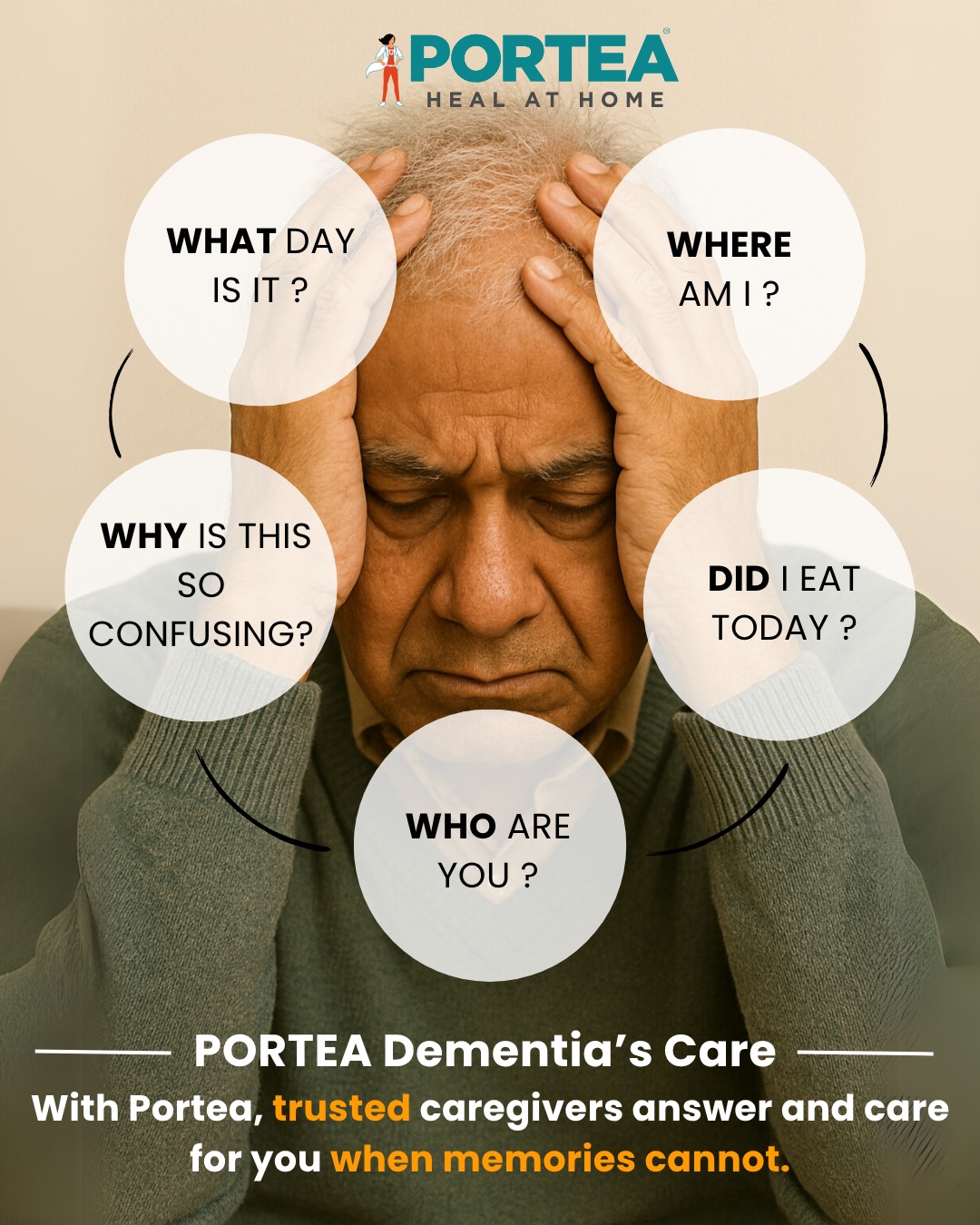
Imagine waking up one morning and finding that your favorite song sounds unfamiliar. Or perhaps you can’t quite place the face of the person who’s been sharing your breakfast table for the last forty years. Scary, right? That unsettling feeling of slipping away, of losing pieces of yourself, is a glimpse into the world of dementia.

Dementia isn’t a single disease, but rather an umbrella term for a decline in cognitive function that interferes with daily life. Alzheimer’s is the most common type, but vascular dementia, Lewy body dementia, and frontotemporal dementia are also prevalent. No matter the type, the common thread is a gradual erosion of memories, personality, and the ability to live independently. It’s like a thief in the night, silently stealing cherished moments and eroding the very foundation of a person’s identity.

Explanation of the Problem: A World Turned Upside Down

The short-term effects of dementia can be devastating, both for the individual and their families. For the person experiencing the early stages, it can manifest as increased forgetfulness, difficulty with problem-solving, and challenges with planning. Simple tasks like balancing a checkbook or following a recipe become monumental hurdles.

Imagine Sarah, a retired teacher who prided herself on her meticulous organizational skills. Gradually, she started misplacing things, forgetting appointments, and struggling to remember the names of her former students. The frustration mounted, leading to anxiety and a growing sense of isolation. She felt like she was losing control, and the fear of what was to come loomed large.

For families, the initial impact is often a mixture of denial, confusion, and grief. They might initially dismiss the symptoms as normal aging, only to realize later that something more serious is at play. As the disease progresses, family members often find themselves taking on increasing responsibilities, from managing finances to providing personal care. This can lead to immense stress, burnout, and strained relationships.

The long-term impact of dementia is even more profound. As the disease progresses, individuals may experience significant memory loss, difficulty with communication, and impaired judgment. They might become disoriented, lose their way in familiar surroundings, and struggle to recognize loved ones.

The physical effects can also be debilitating. Many individuals with dementia develop mobility issues, difficulty swallowing, and incontinence. They become increasingly dependent on others for their basic needs, requiring round-the-clock care.

Beyond the individual and their immediate family, dementia also has a significant societal impact. The rising number of individuals living with dementia is placing a strain on healthcare systems, social services, and long-term care facilities. The economic burden of dementia is substantial, encompassing direct medical costs, long-term care expenses, and the lost productivity of caregivers.

Solutions: Practical Approaches

While there’s currently no cure for most forms of dementia, there are several strategies that can help manage symptoms, improve quality of life, and support both individuals and their families.

  • Early Detection is Key:The earlier dementia is diagnosed, the better. Early diagnosis allows individuals and their families to plan for the future, access appropriate medical care, and participate in clinical trials. Talk to your doctor if you notice persistent cognitive changes in yourself or a loved one.
  • Lifestyle Modifications:Studies show that certain lifestyle choices can help slow the progression of dementia and reduce the risk of developing it in the first place. These include:
    • Regular Exercise:Physical activity improves blood flow to the brain and can enhance cognitive function. Aim for at least 30 minutes of moderate-intensity exercise most days of the week.
    • Healthy Diet:A Mediterranean-style diet, rich in fruits, vegetables, whole grains, and healthy fats, has been linked to a lower risk of cognitive decline.
    • Mental Stimulation:Engaging in mentally stimulating activities, such as puzzles, reading, learning new skills, and social interaction, can help keep the brain active and engaged.
  • Medication and Therapies:While medications can’t cure dementia, they can help manage some of the symptoms, such as memory loss, anxiety, and depression. Occupational therapy, speech therapy, and physical therapy can also help individuals maintain their independence and improve their quality of life.
  • Creating a Supportive Environment:Adapting the home environment can make a significant difference in the lives of individuals with dementia. This might involve removing hazards, installing grab bars, and using visual cues to aid navigation.
  • Caregiver Support:Caring for someone with dementia is incredibly challenging. It’s crucial for caregivers to prioritize their own well-being by seeking support from family, friends, and professional organizations. Support groups, respite care, and counseling services can provide valuable emotional and practical assistance.

Beyond the conventional approaches, there are several alternative therapies that may offer benefits for individuals with dementia:

  • Music Therapy:Music can evoke powerful memories and emotions, helping to reduce anxiety, improve mood, and stimulate cognitive function.
    • Example:A case study showed that playing familiar songs for a woman with advanced Alzheimer’s helped her to recall long-forgotten memories and connect with her family.
  • Art Therapy:Engaging in creative activities like painting, drawing, and sculpting can provide a non-verbal outlet for expression and help to improve communication and emotional well-being.
  • Animal-Assisted Therapy:Interacting with animals can reduce stress, lower blood pressure, and provide companionship. Pet therapy can be particularly beneficial for individuals with dementia who may feel isolated or anxious.
    • Example:Nursing homes and memory care facilities often bring in trained therapy dogs for residents to interact with. This provides a sense of comfort and emotional support.
  • Mindfulness and Meditation:Practicing mindfulness and meditation can help to reduce stress, improve focus, and enhance overall well-being. These techniques can be particularly helpful for individuals with dementia who experience anxiety or agitation.

Conclusion: Hope for the Future

Dementia is a formidable challenge, but it’s not insurmountable. By understanding the disease, embracing early detection, implementing supportive strategies, and exploring alternative therapies, we can make a real difference in the lives of those affected.

This isn’t just about providing care; it’s about preserving dignity, fostering connection, and celebrating the enduring spirit of individuals living with dementia. It’s about ensuring that even as memories fade, their lives continue to be filled with meaning, purpose, and love.

Let’s commit to raising awareness, supporting research, and creating a more compassionate and inclusive society for those living with dementia and their families. The journey may be challenging, but with knowledge, empathy, and a shared commitment, we can navigate it together, ensuring that even in the face of memory loss, life remains worth living.

Parkinson’s: The Silent Thief Stealing Lives.

Parkinson’s: The Silent Thief Stealing LivesParkinson's Awareness Image

Parkinson’s: The Silent Thief Stealing Lives

Introduction

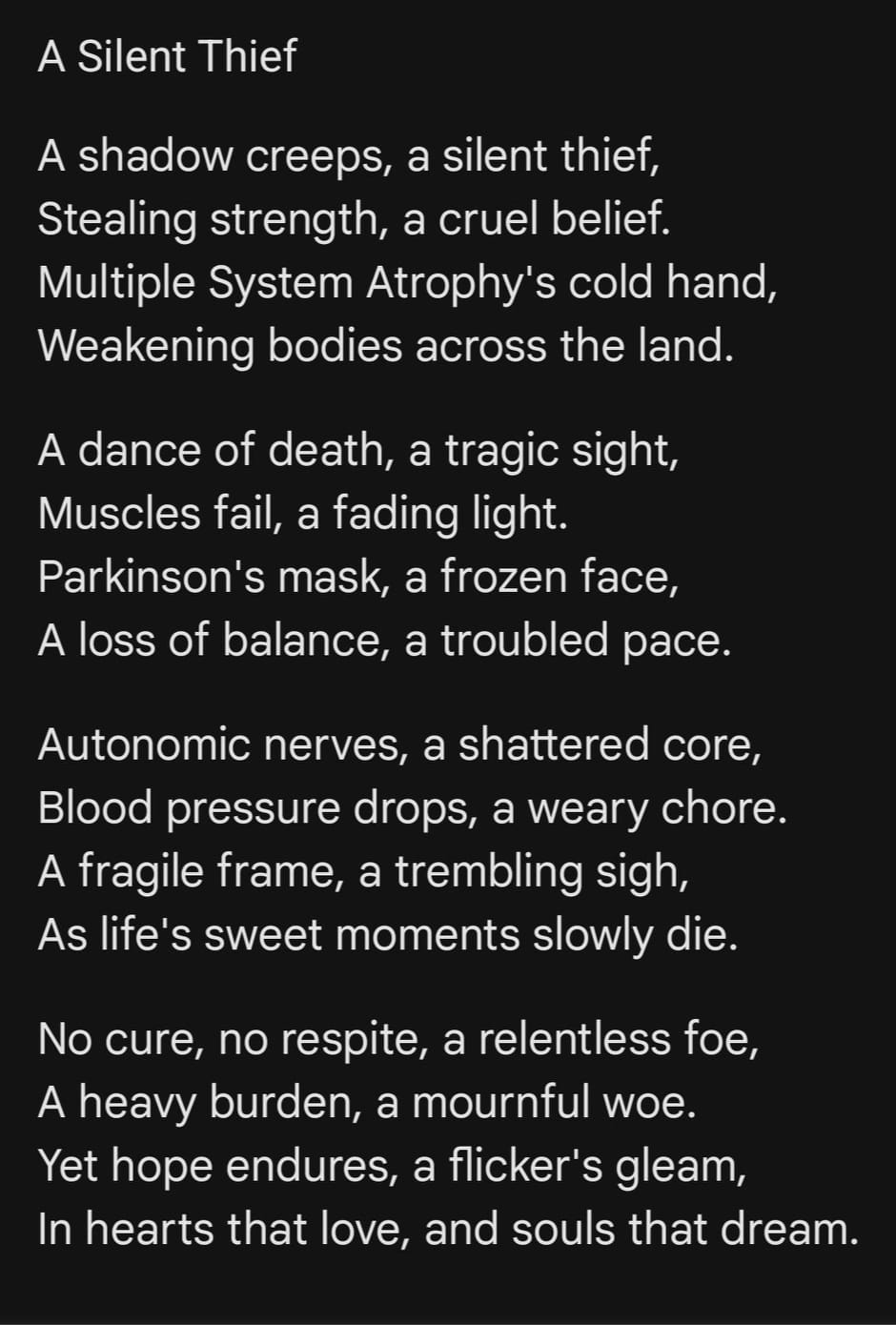
Imagine a life where everyday movements – walking, writing, even smiling – become a monumental effort. Picture your loved one slowly losing their independence, their vibrant personality dimmed by a relentless, unseen force. This is the reality for millions affected by Parkinson’s disease, a neurodegenerative disorder that creeps into lives like a silent thief, stealing abilities and altering futures.

Parkinson’s isn’t just about tremors; it’s a complex condition with far-reaching consequences. It subtly chips away at a person’s quality of life, impacting everything from their physical health to their emotional well-being. Let’s delve into the ways this “silent thief” operates and, more importantly, explore what can be done to fight back.

The Short-Term Sting: Daily Struggles and Emotional Toll

In the immediate term, Parkinson’s presents a myriad of daily challenges. Simple tasks that most of us take for granted become frustrating ordeals. Imagine struggling to button your shirt, spilling your coffee because of shaky hands, or feeling your legs freeze mid-stride. These physical difficulties often lead to a cascade of emotional repercussions.

Depression and anxiety are common companions of Parkinson’s. The frustration of physical limitations, coupled with the uncertainty of the future, can take a heavy toll on mental health. Social isolation becomes another significant hurdle. As symptoms worsen, individuals may withdraw from social activities, leading to loneliness and a diminished sense of purpose.

The short-term impact extends beyond the individual, deeply affecting their families and caregivers. Spouses, children, and other loved ones often find themselves taking on increased responsibilities, providing physical assistance, emotional support, and navigating complex medical decisions. This can lead to caregiver burnout, a serious condition characterized by exhaustion, stress, and declining physical and mental health.

The Long Game: A Changing Landscape of Challenges

As Parkinson’s progresses, the challenges evolve and intensify. The initial tremors might become more pronounced, stiffness increases, and balance problems become more frequent, raising the risk of falls and injuries. Non-motor symptoms, such as cognitive impairment, sleep disturbances, and speech difficulties, can also emerge, further complicating the picture.

In the long run, Parkinson’s can significantly impact a person’s independence. Activities that once brought joy – hobbies, travel, and socializing – may become increasingly difficult or impossible. This loss of autonomy can lead to feelings of helplessness and a sense of diminished self-worth.

From a societal perspective, Parkinson’s presents a growing challenge. As the population ages, the number of individuals affected by the disease is expected to rise, placing a greater strain on healthcare systems and social support networks.

Fighting Back: Practical Solutions and Hope for the Future

While there’s currently no cure for Parkinson’s, there’s plenty that can be done to manage symptoms, improve quality of life, and slow down the disease’s progression. Here are some practical solutions and approaches to consider:

  1. Embrace Medication Management:

    The Solution: Medications like levodopa can effectively manage motor symptoms, such as tremors and stiffness. Work closely with your neurologist to find the right dosage and timing for your specific needs.

    Example: A person diagnosed with Parkinson’s can work closely with their neurologist to find the right medication and dosage to manage tremors, enabling them to continue writing and engage in hobbies they enjoy.

  2. Exercise is Your Ally:

    The Solution: Regular physical activity can improve motor skills, balance, and overall well-being. Focus on exercises that enhance balance, strength, and flexibility.

    • Walking: A simple yet powerful way to improve mobility.
    • Tai Chi: Enhances balance and coordination.
    • Yoga: Increases flexibility and reduces stress.
    • Parkinson’s-Specific Exercise Programs: Many communities offer specialized classes designed to address the unique challenges of Parkinson’s.

    Example: Consider the story of John, a retired teacher diagnosed with Parkinson’s. He joined a local Parkinson’s-specific exercise group and, within months, noticed significant improvements in his balance and walking speed. Exercise not only improved his physical health but also provided a sense of community and support.

  3. Nutrition for Brain Health:

    The Solution: A balanced diet rich in fruits, vegetables, and whole grains can support brain health and overall well-being.

    • Increase Fiber Intake: Helps with digestion and prevents constipation, a common Parkinson’s symptom.
    • Stay Hydrated: Drink plenty of water to maintain energy levels and prevent dehydration.
    • Consult a Dietitian: Get personalized recommendations based on your specific needs and preferences.

    Example: Mary, a Parkinson’s patient, struggled with constipation due to medication side effects. Her doctor recommended incorporating more fiber into her diet, along with regular hydration, which significantly improved her digestive health and overall comfort.

  4. The Power of Support Groups:

    The Solution: Connecting with others who understand what you’re going through can provide invaluable emotional support and practical advice.

    • Local Parkinson’s Chapters: Offer support groups, educational programs, and social events.
    • Online Communities: Connect with people from around the world through forums and social media groups.

    Example: After joining a support group, a person with Parkinson’s found that sharing experiences and coping strategies with peers significantly reduced feelings of isolation and anxiety.

  5. Embrace Assistive Technology:

    The Solution: Assistive devices and technology can help compensate for physical limitations and maintain independence.

    • Adaptive Utensils: Make eating easier.
    • Voice-Activated Devices: Control lights, appliances, and other household functions.
    • Mobility Aids: Canes, walkers, and wheelchairs can improve balance and mobility.

    Example: A person with hand tremors uses adaptive utensils, allowing them to enjoy meals with greater ease and dignity.

  6. Prioritize Mental Health:

    The Solution: Address mental health concerns through therapy, medication, and mindfulness practices.

    • Cognitive Behavioral Therapy (CBT): Helps manage anxiety and depression.
    • Mindfulness Meditation: Reduces stress and improves focus.

    Example: A Parkinson’s patient can engage in regular mindfulness meditation to reduce stress and improve focus, leading to a more balanced emotional state.

A Reason for Optimism

Living with Parkinson’s presents undeniable challenges, but it doesn’t have to define your life. By adopting a proactive approach to symptom management, embracing lifestyle changes, and seeking support from others, you can reclaim your independence and live a fulfilling life. Research is constantly advancing, offering new hope for more effective treatments and, ultimately, a cure.

Take Action Now:

  • Schedule a Consultation: Talk to your doctor about developing a personalized treatment plan.
  • Find a Support Group: Connect with others who understand what you’re going through.
  • Start Moving: Incorporate regular physical activity into your daily routine.
  • Educate Yourself: Learn as much as you can about Parkinson’s and available resources.

Parkinson’s may be a silent thief, but you don’t have to be a victim. By taking proactive steps and embracing a positive mindset, you can fight back, reclaim your life, and write your own story, one filled with resilience, hope, and unwavering determination.

Cancer: The Thief in the Night.


Cancer: The Thief in the NightCancer Awareness

Cancer: The Thief in the Night

Introduction

Imagine you’re asleep, comfortable and secure in your home. Suddenly, a thief slips in, silently stealing your most prized possessions, piece by piece. You wake up to discover the damage, the emptiness, the violation. That, in many ways, is how cancer can feel – a thief in the night, stealing health, dreams, and futures.

Cancer isn’t a single entity but a collective term for a group of diseases characterized by the uncontrolled growth and spread of abnormal cells. It can develop virtually anywhere in the body, attacking anyone, regardless of age, gender, or background. While the word itself can evoke fear and anxiety, understanding its impacts and the potential solutions is the first step to reclaiming power and fighting back.

The Immediate Aftermath: Short-Term Impacts

The initial diagnosis of cancer can be a seismic event, shaking the foundations of an individual’s life. The immediate aftermath often involves a whirlwind of medical appointments, tests, and discussions about treatment options. This period is fraught with emotional turmoil, ranging from shock and disbelief to fear and anger.

The physical toll of cancer and its treatment can be significant. Chemotherapy, radiation, and surgery often lead to side effects like fatigue, nausea, hair loss, and pain. These side effects can disrupt daily routines, impacting work, social life, and overall quality of life. Many individuals find themselves struggling to maintain their independence, relying on loved ones for support with basic tasks.

The financial burden of cancer is another immediate concern. Treatment costs can be astronomical, even with insurance coverage. Add to this the potential loss of income due to illness or the need to take time off work, and the financial strain can be overwhelming. This financial stress adds another layer of anxiety to an already challenging situation.

The Long Game: Long-Term Impacts

The impacts of cancer extend far beyond the initial diagnosis and treatment phase. Even after successful treatment, the long-term effects can linger, impacting various aspects of life.

Many cancer survivors experience long-term physical side effects from treatment. These can include chronic pain, neuropathy (nerve damage), lymphedema (swelling), and hormonal imbalances. These side effects can significantly impact physical functioning and require ongoing management.

The emotional scars of cancer can be just as profound as the physical ones. Cancer survivors often grapple with anxiety, depression, and fear of recurrence. They may experience post-traumatic stress symptoms, reliving the trauma of diagnosis and treatment. Reintegrating into “normal” life after cancer can be a challenging process, as individuals navigate their changed bodies and altered perspectives.

Cancer can also impact relationships with loved ones. The stress of dealing with cancer can strain marriages and family dynamics. Caregivers often experience burnout and emotional exhaustion. While some relationships grow stronger through the experience, others may struggle to cope.

Turning the Tide: Practical Solutions

While cancer is a formidable adversary, it’s not an unbeatable one. There are several practical solutions and approaches that can help individuals reduce their risk, detect cancer early, and improve their chances of survival.

  • Prevention is Key:
    • Lifestyle Modifications: Embracing a healthy lifestyle can significantly reduce cancer risk. This includes maintaining a healthy weight, eating a balanced diet rich in fruits and vegetables, exercising regularly, and avoiding tobacco and excessive alcohol consumption.
    • Vaccinations: Certain vaccines, such as the HPV vaccine, can protect against cancers caused by viral infections.
    • Sun Protection: Protecting your skin from excessive sun exposure can reduce the risk of skin cancer.
  • Early Detection Saves Lives:
    • Regular Screenings: Following recommended screening guidelines for breast, cervical, colorectal, and prostate cancer can help detect cancer at an early, more treatable stage.
    • Self-Exams: Regularly performing self-exams for breast, skin, and testicular cancer can help identify any changes or abnormalities that warrant medical attention.
    • Pay Attention to Symptoms: Being aware of potential cancer symptoms and seeking medical attention promptly can lead to earlier diagnosis and treatment.
  • Navigating Treatment Options:
    • Personalized Treatment Plans: Work closely with your healthcare team to develop a personalized treatment plan that considers your individual needs and preferences.
    • Clinical Trials: Consider participating in clinical trials to access cutting-edge treatments and contribute to cancer research.
    • Integrative Therapies: Explore integrative therapies, such as acupuncture, massage, and yoga, to manage side effects and improve quality of life during treatment.
  • Building a Support System:
    • Connect with Others: Join support groups or online communities to connect with other cancer patients and survivors. Sharing experiences and offering mutual support can be incredibly valuable.
    • Seek Professional Counseling: Don’t hesitate to seek professional counseling to cope with the emotional challenges of cancer.
    • Lean on Loved Ones: Let your loved ones know how they can support you. Accept offers of help with practical tasks, such as meal preparation and transportation.

Alternative Approaches: Tailoring Solutions to Your Needs

It’s essential to remember that there is no one-size-fits-all solution to dealing with cancer. Individuals should explore different approaches and choose the ones that best fit their unique circumstances and preferences.

  • Focus on Nutrition: Some individuals find it helpful to follow specific dietary approaches, such as the ketogenic diet or plant-based diets, to support their immune system and fight cancer.
  • Mind-Body Techniques: Mind-body techniques, such as meditation, mindfulness, and guided imagery, can help reduce stress, improve mood, and enhance coping skills.
  • Advocacy and Awareness: Getting involved in cancer advocacy and awareness initiatives can empower individuals to make a difference and contribute to the fight against cancer.

A Future of Hope and Empowerment

While cancer remains a significant challenge, progress is being made every day. Advances in research, treatment, and prevention are offering new hope to cancer patients and survivors. By taking proactive steps to reduce our risk, detect cancer early, and access the best possible care, we can turn the tide against this “thief in the night.”

The key is to feel empowered, not defeated. Knowledge is power, action is strength, and support is invaluable. By embracing these elements, we can reclaim our lives, navigate the challenges, and move towards a future where cancer is no longer a threat. Don’t let cancer steal your joy; instead, steal back your power and choose to live each day to the fullest. You are not alone, and you are stronger than you think.

Unleash Your Vitality: The Ultimate Guide to a Healthier Life

Unleash Your Vitality: The Ultimate Guide to a Healthier LifeVitalityImage

Unleash Your Vitality: The Ultimate Guide to a Healthier Life

Introduction

Ever feel like you’re just… existing? Going through the motions, maybe hitting snooze one too many times, and relying on that third cup of coffee to keep you afloat? You’re not alone. In today’s fast-paced world, it’s easy to let our well-being slide. But what if I told you that you could feel energetic, vibrant, and truly alive, without drastic measures or superhuman willpower?

This isn’t about some unattainable ideal of health. It’s about unlocking the vitality that already resides within you, ready to be unleashed. Think of it as fine-tuning your life for optimal performance and enjoyment. But why should you even bother? Let’s talk about the impact – both in the short and the long run.

The Ripple Effect of Neglect: The Short-Term and Long-Term Consequences

Let’s face it, skipping workouts, eating poorly, and skimping on sleep might seem harmless in the moment. “Just one more episode,” “I’ll start tomorrow,” – sound familiar? But these seemingly small choices accumulate, creating a ripple effect that impacts your life in surprising ways.

The Short-Term Slog:

In the immediate, neglect manifests as fatigue, brain fog, irritability, and increased susceptibility to colds. Think about those days when you’re dragging yourself through meetings, struggling to concentrate, and snapping at your loved ones. These are the immediate symptoms of a body and mind that aren’t getting what they need. Productivity plummets, relationships suffer, and joy feels like a distant memory.

The Long-Term Toll:

Now, zoom out and consider the long game. Chronic stress, poor diet, and lack of exercise are major contributors to serious health issues like heart disease, type 2 diabetes, obesity, and even some cancers. Beyond physical health, neglecting your well-being increases your risk of anxiety, depression, and cognitive decline. Imagine years from now, limited in your ability to enjoy life to the fullest because of choices you make today. The good news is, this doesn’t have to be your story.

The Vitality Upgrade: Practical Steps to a Healthier You

Ready to reclaim your energy and embrace a healthier, more vibrant life? Here’s the practical part. These aren’t magic pills or overnight transformations. They’re actionable steps you can start incorporating today, tailored to fit your unique needs and preferences.

1. Fuel Your Body with Purpose:

Forget restrictive diets and calorie counting. Focus on nourishing your body with real, whole foods. Think of food as fuel, not just something to satisfy cravings.

  • The 80/20 Rule: Aim for 80% whole, unprocessed foods like fruits, vegetables, lean proteins, and whole grains. Leave 20% for those occasional indulgences that bring you joy. This balanced approach is more sustainable than strict restriction.
  • Hydration is Key: Water is essential for everything from energy production to digestion. Aim for at least eight glasses of water a day. Carry a reusable water bottle as a constant reminder.
  • Mindful Eating: Pay attention to your hunger cues and eat slowly. Savor each bite and avoid distractions like your phone or TV. This helps you recognize when you’re truly full, preventing overeating.

Example: Sarah, a busy marketing executive, struggled with afternoon energy crashes. She started packing her lunch with a salad containing grilled chicken, mixed greens, and a variety of vegetables. She also made a conscious effort to drink water throughout the day. Within a week, she noticed a significant improvement in her energy levels and concentration.

2. Move Your Body, Love Your Body:

Exercise isn’t just about losing weight; it’s about boosting your mood, strengthening your muscles, and improving your overall health. Find activities you genuinely enjoy and make them a regular part of your routine.

  • Find Your Fit: Experiment with different types of exercise until you discover something you love. This could be anything from dancing and hiking to swimming and weightlifting.
  • Start Small: If you’re new to exercise, start with just 15-20 minutes a day and gradually increase the duration and intensity.
  • Make it a Habit: Schedule exercise into your calendar just like any other important appointment.

Example: John, a software developer, hated going to the gym. He discovered a local hiking group and started joining them on weekend hikes. Not only did he get exercise, but he also enjoyed being outdoors and connecting with new people.

3. Prioritize Sleep Like a Boss:

Sleep is crucial for physical and mental restoration. Aim for 7-9 hours of quality sleep each night.

  • Establish a Routine: Go to bed and wake up at the same time each day, even on weekends. This helps regulate your body’s natural sleep-wake cycle.
  • Create a Relaxing Bedtime Ritual: Wind down with a warm bath, a good book, or some gentle stretching. Avoid screens (phones, tablets, TVs) for at least an hour before bed.
  • Optimize Your Sleep Environment: Make sure your bedroom is dark, quiet, and cool.

Case Study: Maria, a nurse, suffered from chronic insomnia. She started following a strict sleep schedule, created a relaxing bedtime routine, and invested in blackout curtains for her bedroom. Within a few weeks, her sleep quality improved dramatically, and she felt more rested and energized throughout the day.

4. Stress Less, Live More:

Chronic stress can wreak havoc on your health. Find healthy ways to manage stress and cultivate inner peace.

  • Mindfulness and Meditation: Even just a few minutes of mindfulness meditation each day can significantly reduce stress and improve your focus.
  • Deep Breathing Exercises: Practice deep breathing techniques throughout the day to calm your nervous system.
  • Connect with Nature: Spending time in nature has been shown to reduce stress and improve mood.

Alternative Approaches: Tailoring Vitality to Your Needs

  • The Minimalist Approach: If you’re overwhelmed, focus on one or two key areas at a time. Start with sleep, then gradually add other healthy habits.
  • The Buddy System: Partner with a friend or family member to support each other on your journey to better health.
  • Professional Guidance: Consider working with a health coach or registered dietitian to create a personalized plan that meets your specific needs and goals.

Your Journey to Vitality Starts Now

Unleashing your vitality is a journey, not a destination. There will be ups and downs, successes and setbacks. The key is to stay consistent, be patient with yourself, and celebrate your progress along the way. Remember, every small step you take towards a healthier lifestyle makes a difference.

Don’t feel pressured to overhaul your entire life overnight. Choose one small change you can make today – maybe drink an extra glass of water, go for a short walk, or try a five-minute meditation. Build on these small wins, and before you know it, you’ll be feeling more energetic, vibrant, and alive than you ever thought possible.

The power to transform your health and unlock your vitality lies within you. Embrace the journey, be kind to yourself, and get ready to live your best life. You’ve got this!

Food: The Great Unifier.

Food: The Great UnifierPueblo Feast Day

Food: The Great Unifier

Introduction

Ever stopped to think about what brings us all together? Beyond borders, languages, and beliefs, there’s one common denominator that binds humanity: food. It’s more than just sustenance; it’s a language, a culture, a memory, and, most profoundly, a unifier. But in a world increasingly divided, are we truly harnessing the power of food to bring us closer?

The Short-Term Feast and the Long-Term Famine

Think about it. Whether it’s a family dinner, a business lunch, or a celebratory gathering, food is almost always at the center. In the short term, it nourishes our bodies and satisfies our taste buds. It sparks conversations, fuels laughter, and creates those warm, fuzzy feelings we associate with connection and belonging. Remember that time you bonded with a stranger over a shared love for spicy ramen? Or that feeling of camaraderie as you helped prepare a Thanksgiving feast with your family? Those are the immediate, tangible benefits of food’s unifying power.

However, beneath this veneer of delicious harmony lurks a more concerning reality. The long-term impact of our food choices and systems reveals a stark contrast. Globally, food insecurity continues to plague millions. Political instability, climate change, and economic inequalities are exacerbating the problem, leading to widespread hunger and malnutrition. Think about the communities ravaged by drought, where access to basic sustenance is a daily struggle. Or the urban food deserts, where fresh, affordable produce is virtually nonexistent.

Beyond access, consider the environmental impact. Our current food production methods are significant contributors to climate change, deforestation, and pollution. The long-term consequences are dire, threatening the very resources that sustain us. Overfishing depletes our oceans, while intensive agriculture degrades our soil. It’s a vicious cycle, where our quest for food is ironically undermining our future food security.

Moreover, the modern food landscape often prioritizes convenience over connection. Pre-packaged meals, fast food chains, and the relentless pursuit of efficiency have distanced us from the origins of our food. We’re losing touch with the traditions, stories, and communal experiences that were once integral to our relationship with what we eat.

So, how do we bridge this gap? How do we ensure that food truly becomes a force for unity, both now and for generations to come?

A Recipe for Unity: Practical Solutions You Can Implement

The good news is, we don’t have to stand idly by. There are tangible steps we can take, individually and collectively, to reclaim food’s unifying power.

  1. Embrace Shared Meals: Reclaim the Table

    This might seem simple, but it’s incredibly powerful. Make an effort to share meals with friends, family, or even neighbors. Turn off the TV, put away your phones, and focus on connecting over food. Share stories, laugh together, and savor the experience.

    Example: Organize a monthly potluck in your neighborhood. Each person brings a dish to share, creating a diverse and delicious spread that reflects the community’s unique tastes and cultures.

  2. Support Local and Sustainable Food Systems:

    Prioritize buying food from local farmers, producers, and markets. This not only supports your community but also reduces your carbon footprint and promotes sustainable agriculture. Look for farmers’ markets, community-supported agriculture (CSA) programs, and restaurants that source their ingredients locally.

    Case Study: In Detroit, Michigan, urban farming initiatives are transforming vacant lots into thriving gardens, providing fresh produce to underserved communities and creating jobs in the process. These projects demonstrate the power of local food systems to address food insecurity and promote community resilience.

  3. Get Your Hands Dirty: Grow Your Own Food

    Even if you only have a small balcony or a windowsill, growing your own herbs or vegetables can be incredibly rewarding. It connects you to the origins of your food, fosters a sense of accomplishment, and provides you with fresh, healthy ingredients.

    Practical Tip: Start with easy-to-grow herbs like basil, mint, or parsley. You can also grow vegetables like tomatoes, lettuce, or peppers in containers. There are tons of online resources and local gardening groups that can provide guidance and support.

  4. Reduce Food Waste: Respect Your Resources

    A staggering amount of food is wasted every year, contributing to environmental problems and exacerbating food insecurity. Be mindful of your food consumption, plan your meals carefully, and store your food properly. Use leftovers creatively, and compost food scraps to enrich your soil.

    Example: Many apps now help you track the food you have at home and suggest recipes to use up ingredients before they spoil.

  5. Embrace Culinary Diversity: Explore New Cultures

    Food is a window into different cultures. Explore new cuisines, learn about different culinary traditions, and share your own cultural food heritage with others. This fosters understanding, appreciation, and connection across cultural boundaries.

    Suggestion: Attend a cooking class focused on a cuisine you’re unfamiliar with. Or, invite friends over for a meal and ask them to bring a dish that represents their culture.

Alternative Approaches: Tailoring Solutions to Your Circumstances

Not all solutions are one-size-fits-all. Here are some alternative approaches to consider, depending on your interests and circumstances:

  • Advocacy: Get involved in food policy advocacy. Support organizations that are working to address food insecurity, promote sustainable agriculture, and protect the rights of food workers.
  • Education: Educate yourself and others about food issues. Read books, watch documentaries, and attend workshops to learn more about the challenges and opportunities in our food system.
  • Donation: Donate food or money to local food banks or charities that are working to address hunger in your community.
  • Volunteer: Volunteer your time at a food bank, community garden, or other organization that is working to promote food security.

A Taste of Hope: A Call to Action

Food truly is the great unifier. By embracing shared meals, supporting local and sustainable food systems, reducing food waste, and exploring culinary diversity, we can harness its power to build a more connected, equitable, and sustainable world. It won’t happen overnight, but every small step we take in the right direction makes a difference.

So, the next time you sit down to eat, remember that you’re not just nourishing your body; you’re also connecting with others, celebrating culture, and shaping the future of our planet. Let’s make that connection count. Let’s reclaim food’s unifying power, one meal at a time. The table is set; let’s eat together and build a better future for all.

Diet Lies You’re Still Believing.

Diet Lies You’re Still Believing

Introduction

We’ve all been there. Scrolling through Instagram, bombarded by perfectly toned bodies and promises of overnight transformations. The diet industry is a booming business, fueled by our desire for a quick fix, a magic bullet, a shortcut to health and happiness. But how much of what we’re told is actually true? The reality is, buried beneath the glossy ads and celebrity endorsements, are some deeply ingrained diet lies that are holding us back from achieving sustainable, long-term well-being. Are you ready to uncover them?

The Short-Term Allure, the Long-Term Fallout

These diet lies are seductive because they often offer immediate gratification. Think of the juice cleanse that promises rapid weight loss or the restrictive carb-cutting plan that delivers a noticeable drop on the scale within a week. The problem is, these short-term wins come at a significant long-term cost.

  • Metabolic Mayhem: Severely restricting calories or eliminating entire food groups can throw your metabolism into a state of disarray. Your body, sensing starvation, will slow down its calorie-burning rate to conserve energy. This makes it even harder to lose weight in the long run and easier to regain it.
  • Nutrient Deficiencies: Diets that focus on a narrow range of foods often lead to crucial nutrient deficiencies. These deficiencies can impact everything from your energy levels and mood to your immune system and bone health. You might feel great initially, but the lack of essential vitamins and minerals will eventually catch up to you.
  • Psychological Strain: The constant pressure to adhere to rigid rules, the feelings of guilt when you “slip up,” and the obsession with numbers on a scale can take a serious toll on your mental health. Dieting can foster unhealthy relationships with food, potentially leading to disordered eating patterns.
  • The Yo-Yo Effect: This is perhaps the most common and frustrating consequence. You lose weight rapidly, only to regain it (and sometimes even more) once you return to your normal eating habits. This cycle of weight loss and gain can further damage your metabolism and increase your risk of chronic diseases.

So, what are these pervasive diet lies, and how can we break free from their grip? Let’s debunk some of the most common culprits.

Diet Lies Debunked

Lie #1: Calories Are All That Matter

This is the cornerstone of many fad diets. The idea is simple: calories in, calories out. If you burn more calories than you consume, you’ll lose weight. While there’s a basic truth to this, it completely ignores the complexity of the human body.

The Truth: The source of your calories matters just as much as the number. 100 calories from a sugary donut will have a vastly different impact on your body than 100 calories from an apple. Focus on nutrient-dense foods like fruits, vegetables, lean proteins, and healthy fats, which will keep you feeling full and satisfied while providing essential vitamins and minerals.

Solution: Instead of meticulously counting calories, shift your focus to the quality of your food. Prioritize whole, unprocessed foods over refined, processed options. This automatically reduces jawabet88 rtp your intake of empty calories and increases your consumption of beneficial nutrients.

Example: A study published in the American Journal of Clinical Nutrition found that individuals who followed a Mediterranean-style diet, rich in fruits, vegetables, olive oil, and fish, experienced better weight management and improved overall health compared to those on a low-fat diet.

Lie #2: Carbs Are the Enemy

Carbs have become demonized in recent years, with many diets advocating for their complete elimination. This is a dangerous oversimplification.

The Truth: Not all carbs are created equal. Complex carbohydrates, like those found in whole grains, fruits, and vegetables, provide sustained energy and are essential for optimal health. Refined carbs, like white bread and sugary drinks, are the ones to limit.

Solution: Embrace complex carbs and limit your intake of refined carbs. Focus on incorporating whole grains like quinoa, brown rice, and oats into your diet. Choose whole fruits over fruit juices.

Example: A marathon runner needs carbs for energy, that is a great example as to why it’s wrong to eliminate carbs.

Lie #3: Fat Makes You Fat

This is another outdated notion that has been disproven by science.

The Truth: Healthy fats, like those found in avocados, nuts, seeds, and olive oil, are crucial for hormone production, brain function, and nutrient absorption. Avoiding fat can actually hinder your weight loss efforts by leaving you feeling unsatisfied and craving unhealthy foods.

Solution: Embrace healthy fats and limit your intake of saturated and trans fats. Incorporate avocados, nuts, seeds, and olive oil into your diet. Choose lean protein sources over fatty cuts of meat.

Example: The consumption of high-fat fish like salmon can promote heart health

Lie #4: You Need to Detox

The idea of “detoxing” your body with special diets or supplements is a popular but largely unfounded concept.

The Truth: Your body has its own natural detoxification system, primarily through the liver and kidneys. These organs work tirelessly to filter out toxins and waste products. You don’t need expensive juices or restrictive diets to “cleanse” your system.

Solution: Support your body’s natural detoxification processes by staying hydrated, eating a balanced diet rich in fruits and vegetables, and getting regular exercise.

Example: Drinking water and consuming foods with antioxidants aids natural detoxification processes.

Lie #5: There’s a “One-Size-Fits-All” Diet

This is perhaps the biggest lie of all. The diet industry often promotes specific plans as the ultimate solution for everyone.

The Truth: We are all unique individuals with different metabolisms, lifestyles, and preferences. What works for one person may not work for another.

Solution: Focus on finding a sustainable eating pattern that works for you. Experiment with different approaches and listen to your body’s signals. Work with a registered dietitian or nutritionist to develop a personalized plan that meets your individual needs.

Example: Some people are better suited to be vegetarians because they don’t love meat as much as others.

Breaking Free: A Path to Sustainable Well-being

The key to escaping the trap of diet lies is to shift your focus from quick fixes to long-term, sustainable lifestyle changes. This means embracing a holistic approach that encompasses not only your diet but also your physical activity, stress management, and sleep habits.

Here are some actionable steps you can take:

  • Focus on Whole Foods: Prioritize fruits, vegetables, lean proteins, and healthy fats.
  • Listen to Your Body: Pay attention to your hunger and fullness cues.
  • Find Joy in Movement: Choose activities you enjoy and make them a regular part of your routine.
  • Manage Stress: Practice mindfulness, meditation, or other stress-reducing techniques.
  • Prioritize Sleep: Aim for 7-8 hours of quality sleep each night.
  • Seek Professional Guidance: Work with a registered dietitian or nutritionist to develop a personalized plan.

A Brighter Future

Breaking free from diet lies is not about restriction and deprivation. It’s about empowerment and self-discovery. It’s about learning to nourish your body with real, whole foods and building a healthy relationship with food that lasts a lifetime. It’s about finding joy in movement and prioritizing your overall well-being.

The journey may not be easy, but it’s worth it. By debunking these diet lies and embracing a sustainable approach to health, you can unlock your full potential and live a vibrant, fulfilling life. You have the power to make a change, to choose a path of lasting well-being. Start today, one small step at a time, and watch as your life transforms for the better.

Silent Epidemics: The Unseen Threat.

Glucoma Blog

Silent Epidemics:The Unseen Threat


Introduction

Ever feel like you’re wading through quicksand, struggling against something invisible, something that’s slowly chipping away at your well-being? You’re not alone. We often associate epidemics with dramatic outbreaks, headlines screaming about a virus sweeping the globe. But there’s a far more insidious kind of epidemic, one that operates in the shadows, affecting millions without ever making the evening news: silent epidemics.

These aren’t caused by viruses or bacteria, but by lifestyle choices, environmental factors, and societal pressures that, over time, lead to widespread health problems. Think about it: obesity, stress, sleep deprivation, and sedentary lifestyles. These aren’t isolated incidents; they’re quietly spreading, impacting our lives on both a personal and societal level.

Explanation of the Problem

Let’s be clear: ignoring these silent epidemics isn’t a viable option. The short-term consequences are already evident. Increased rates of anxiety and depression are becoming commonplace, particularly amongst younger generations. Productivity suffers as people struggle with fatigue and burnout. Healthcare costs skyrocket as more and more individuals require treatment for preventable conditions.

Imagine a young professional, Sarah, constantly working late, fueled by caffeine and deadlines. In the short term, she feels productive, on top of her game. But what about the long term? That chronic stress is silently raising her blood pressure, increasing her risk of heart disease. The sleep deprivation is weakening her immune system, making her more susceptible to illness. The lack of physical activity is contributing to weight gain and muscle loss.

And that’s just one person. Multiply Sarah’s situation by millions, and you begin to grasp the scale of the problem. The long-term implications are staggering. We’re talking about a future workforce plagued by chronic diseases, an aging population struggling with preventable disabilities, and a healthcare system stretched to its breaking point. We are facing increased risks of serious diseases like diabetes, cardiovascular diseases, and even certain types of cancer.

It’s not just about physical health, either. The lack of mental well-being can lead to a decrease in social interaction, which can further exacerbate feelings of loneliness and isolation. This vicious cycle can have profound effects on communities and families, eroding the social fabric that holds us together.

Solutions

The good news is that unlike a viral pandemic, we have far more control over silent epidemics. The key lies in recognizing the threat and taking proactive steps to titanslot88 rtp mitigate its impact. Here are some practical solutions, with options to suit different lifestyles:

  • Movement Matters:Ditch the “all or nothing” mentality when it comes to exercise. You don’t need to become a marathon runner overnight. Start small. Take the stairs instead of the elevator. Walk during your lunch break. Aim for at least 30 minutes of moderate-intensity exercise most days of the week. If you hate the gym, try dancing, hiking, or cycling.
    • Case Study:A local company implemented a “walking meeting” policy, encouraging employees to hold short meetings while walking around the office park. This simple change increased physical activity levels and boosted employee morale.
  • Reclaim Your Sleep:Sleep is not a luxury; it’s a necessity. Prioritize sleep by establishing a regular sleep schedule, creating a relaxing bedtime routine, and making your bedroom a sleep-friendly environment (dark, quiet, and cool). Avoid screens before bed and limit caffeine intake in the afternoon and evening.
    • Alternative Approach:If you struggle with insomnia, explore mindfulness techniques or cognitive behavioral therapy (CBT) for sleep.
  • Nourish Your Body:Focus on whole, unprocessed foods. Load up on fruits, vegetables, and lean protein. Limit sugary drinks, processed snacks, and excessive amounts of red meat. Prepare your own meals whenever possible so you can control the ingredients and portion sizes.
    • Example:Try “meal prepping” on the weekends, preparing healthy lunches and dinners for the week ahead. This can save time and money and help you stick to your healthy eating goals.
  • Stress Less:Find healthy ways to manage stress. Practice mindfulness, meditation, or yoga. Spend time in nature. Connect with loved ones. Learn to say “no” to commitments that drain your energy.
    • Tailored Solution:If you’re constantly feeling overwhelmed, consider talking to a therapist or counselor. They can provide you with coping strategies and help you address the underlying causes of your stress.
  • Mindful Consumption:Be aware of the impact of your consumption habits. Reduce your reliance on single-use plastics, support sustainable businesses, and opt for eco-friendly products whenever possible. This can improve your health and well-being by reducing your exposure to harmful chemicals.
    • Community Action:Join a local environmental group and participate in community clean-up events.
  • Social Connection:Loneliness is a silent epidemic in itself. Cultivate meaningful relationships. Spend time with friends and family. Join a club or organization that aligns with your interests. Volunteer in your community.
    • Simple Step:Schedule a regular phone call or video chat with a friend or family member who lives far away.
  • Digital Detox:Disconnect from technology on a regular basis. Turn off your phone and computer for a few hours each day or take a “digital detox” weekend. This can help you reduce stress, improve sleep, and reconnect with the present moment.
    • Structured Approach:Implement a “no phone” rule during mealtimes or in the bedroom.

Choosing Your Path: A Personalized Approach

The beauty of tackling silent epidemics is that there’s no one-size-fits-all solution. What works for Sarah might not work for John. The key is to identify the areas where you’re struggling and experiment with different strategies until you find what works best for you. Don’t be afraid to start small and make gradual changes over time.

Perhaps you prioritize sleep and stress management this month, focusing on establishing a consistent sleep schedule and incorporating mindfulness into your daily routine. Next month, you can tackle your diet and exercise habits. Remember, progress, not perfection, is the goal.

Conclusion

Silent epidemics might be unseen, but their impact is undeniable. By taking proactive steps to improve our health and well-being, we can not only protect ourselves but also create a healthier and more resilient society for future generations.

This isn’t just about individual responsibility; it’s about collective action. Encourage your friends, family, and colleagues to join you on this journey. Advocate for policies that promote healthy lifestyles and address the root causes of these silent epidemics.

The future is not predetermined. We have the power to shape it. Let’s break the silence and create a world where health and well-being are not just ideals but realities for everyone. Start today. Make one small change. And remember, every step you take in the right direction makes a difference. You have the power to make a change.


Your Health is Changing: Are You?

Your Health is Changing: Are You?Change Your Mind to Change Your Health

Your Health is Changing: Are You?

Introduction

Remember that feeling of invincibility you had in your twenties? Late nights, questionable food choices, and bouncing back like a rubber ball – it all seemed sustainable. But fast forward a few years, and suddenly that rubber ball feels a little less…bouncy. You might notice it in the way your jeans fit, the way you feel after a single flight of stairs, or even just in the way your body responds to stress. The truth is, your health *is* changing. And the crucial question is, are you changing with it?

Life is a dynamic journey, and our bodies are constantly adapting, whether we realize it or not. However, these adaptations aren’t always positive. As we navigate different stages of life, our metabolism slows down, hormonal changes occur, and the cumulative effects of lifestyle choices start to become apparent. Ignoring these shifts is like driving a car without checking the oil or tire pressure – sooner or later, you’re going to run into trouble.

The Short-Term Ripple Effect: Feeling the Now

Let’s be honest, the immediate consequences of neglecting our health might seem minor at first. A little fatigue, some persistent aches, maybe a few extra pounds creeping on. But these seemingly insignificant issues can quickly snowball.

  • Energy Drain: That constant fatigue can impact your productivity at work, your engagement with loved ones, and your overall enjoyment of life. Imagine perpetually feeling like you’re running on fumes – it’s hard to bring your best self to anything.
  • Mood Swings & Brain Fog: Diet and lifestyle directly impact brain function and mood regulation. Skipping meals, relying on processed foods, and neglecting exercise can lead to irritability, difficulty concentrating, and a general sense of mental fuzziness.
  • Weakened Immune System: The more stressed and depleted we are, the more vulnerable we become to illness. A simple cold can knock you out for days, impacting your work, social life, and overall well-being.
  • The Downward Spiral: These short-term effects often create a vicious cycle. Feeling tired leads to less exercise, which leads to more weight gain, which further contributes to fatigue and negative self-image.

The Long-Term Game: Protecting Your Future

While the immediate consequences are concerning, the long-term implications of ignoring your changing health are even more profound.

  • Increased Risk of Chronic Diseases: This is the big one. Unhealthy habits accumulate over time, significantly increasing your risk of developing conditions like heart disease, type 2 diabetes, certain types of cancer, and osteoporosis. These diseases not only diminish your quality of life but also significantly shorten your lifespan.
  • Reduced Mobility & Independence: As we age, maintaining physical strength and flexibility becomes crucial for staying independent. Neglecting exercise and healthy eating can lead to muscle loss, joint pain, and decreased mobility, making everyday tasks increasingly difficult.
  • Cognitive Decline: Research increasingly shows a strong link between lifestyle factors and cognitive health. Poor diet, lack of exercise, and chronic stress can accelerate cognitive decline and increase the risk of developing dementia and Alzheimer’s disease.
  • Compromised Quality of Life: Ultimately, the long-term impact of neglecting your health is a reduced quality of life. It’s about more than just living longer; it’s about living well, with energy, vitality, and the ability to enjoy life to the fullest.

Shifting Gears: Practical Solutions for a Healthier You

The good news is that it’s never too late to start making positive changes. You don’t need to overhaul your entire life overnight. Small, sustainable adjustments can have a significant impact over time.

Here are a few approaches, tailored to different lifestyles and preferences:

  1. The Nutritional Nudge:
    • Focus on Whole Foods: Replace processed foods with whole, unprocessed options like fruits, vegetables, lean proteins, and whole grains. Aim to fill half your plate with vegetables at each meal.
    • Mindful Eating: Pay attention to your hunger and fullness cues. Eat slowly and savor your food. Avoid eating in front of the TV or while scrolling through your phone.
    • Hydration is Key: Often, we mistake thirst for hunger. Aim to drink at least eight glasses of water a day. Carry a water bottle with you and refill it regularly.
    • Example: Sarah, a busy marketing executive, started swapping her daily afternoon candy bar for a handful of almonds and an apple. Over time, this small change helped her curb her sugar cravings, increase her energy levels, and lose a few pounds.
  2. The Movement Masterplan:
    • Find Activities You Enjoy: Exercise shouldn’t feel like a chore. Explore different activities like dancing, hiking, swimming, or cycling until you find something you genuinely look forward to.
    • Start Small and Gradually Increase: Don’t try to do too much too soon. Begin with 15-20 minutes of exercise a few times a week and gradually increase the duration and intensity as you get stronger.
    • Incorporate Movement into Your Day: Take the stairs instead of the elevator, walk during your lunch break, or do some stretching while watching TV.
    • Example: David, a software engineer who spends most of his day sitting at a desk, started taking 10-minute walking breaks every hour. He noticed a significant improvement in his energy levels and focus throughout the day.
  3. The Stress-Busting Strategy:
    • Mindfulness and Meditation: Even a few minutes of daily meditation can help calm your mind and reduce stress. There are numerous apps and guided meditations available online.
    • Prioritize Sleep: Aim for 7-8 hours of quality sleep each night. Create a relaxing bedtime routine and make sure your bedroom is dark, quiet, and cool.
    • Connect with Others: Spend time with loved ones, join a social group, or volunteer in your community. Social connection is a powerful buffer against stress.
    • Example: Maria, a single mother juggling work and family responsibilities, started practicing deep breathing exercises for five minutes each morning. She found that it helped her feel more grounded and less reactive throughout the day.
  4. The Personalized Approach:
    • Consult a Healthcare Professional: A doctor, registered dietitian, or personal trainer can provide personalized advice and guidance based on your individual needs and goals.
    • Keep a Health Journal: Track your food intake, exercise habits, and stress levels to identify patterns and areas for improvement.
    • Experiment and Adapt: What works for one person may not work for another. Be willing to experiment with different strategies and find what works best for you.

Choosing Your Path: Flexibility is Key

The beauty of these solutions is that they are adaptable. You can choose the approach that resonates most with you and tailor it to fit your lifestyle. Maybe you start with the Nutritional Nudge and gradually incorporate elements of the Movement Masterplan. Or perhaps you prioritize Stress-Busting first to create a more stable foundation for making other changes.

The key is to be patient with yourself and celebrate your progress along the way. Don’t get discouraged by setbacks – they are a normal part of the process. Just keep moving forward, one small step at a time.

Embrace the Change: A Brighter, Healthier Future Awaits

Your health is indeed changing, but that doesn’t have to be a negative thing. By acknowledging these shifts and actively adapting your lifestyle, you can take control of your health and create a brighter, healthier future for yourself.

Remember, it’s not about achieving perfection; it’s about progress. It’s about making conscious choices that support your well-being and empower you to live your life to the fullest. You have the power to shape your health and write your own story. So, are you ready to embrace the change and embark on this journey towards a healthier, happier you? The time to start is now.

**Hack Your Biology: The Only Health Guide You’ll Ever Need.**

“`html
Hack Your Biology: The Only Health Guide You’ll Ever NeedHack Your Biology Book Cover

Hack Your Biology: The Only Health Guide You’ll Ever Need

Introduction

Feeling like you’re just surviving, not thriving? Constantly battling brain fog, energy dips, or that nagging feeling that your body isn’t performing at its best? You’re not alone. In today’s world, bombarded with processed foods, endless screen time, and sky-high stress levels, it’s easy to feel disconnected from our own biology. But what if I told you that you could take control? What if you could “hack” your own system to unlock your full potential, both physically and mentally?

This isn’t about fad diets or quick fixes. This is about understanding your body, learning its language, and implementing sustainable changes that will ripple through your life – boosting your energy, sharpening your mind, and optimizing your health for the long haul. Forget scouring the internet for conflicting advice; this is your all-in-one guide to becoming the best version of yourself.

The Price of Ignoring Your Biology

Before we dive into the solutions, let’s acknowledge the problem. Ignoring our biological needs comes with a steep price, both in the short and long term.

Short-Term Consequences:

Think about that afternoon slump after a carb-heavy lunch. That’s your biology screaming for help! Other immediate effects include:

  • Decreased Productivity: Brain fog and fatigue make it harder to focus, leading to decreased performance at work or in your personal life.
  • Mood Swings & Irritability: Imbalances in blood sugar and neurotransmitters can wreak havoc on your mood, impacting your relationships.
  • Compromised Immunity: Lack of sleep and poor nutrition weaken your immune system, making you more susceptible to illness.
  • Digestive Issues: Bloating, constipation, and other digestive problems can disrupt your daily life and make you feel uncomfortable.

Long-Term Consequences:

These short-term issues, if left unaddressed, can snowball into more serious problems:

  • Chronic Diseases: Conditions like diabetes, heart disease, and certain cancers are often linked to poor lifestyle choices.
  • Accelerated Aging: Oxidative stress and inflammation can speed up the aging process, leading to premature wrinkles and age-related illnesses.
  • Mental Health Issues: Chronic stress, poor nutrition, and lack of sleep can contribute to anxiety, depression, and other mental health challenges.
  • Reduced Quality of Life: Ultimately, ignoring your biology leads to a decline in your overall quality of life, limiting your ability to enjoy life to the fullest.

The good news? You have the power to change this narrative. Let’s explore some actionable strategies to hack your biology and reclaim your health.

Hacking Your Biology: Practical Solutions

Here are some key areas to focus on, with practical solutions and alternative approaches to suit your individual needs:

1. Nutrition: Fueling Your Body Right

This isn’t about restrictive diets; it’s about providing your body with the building blocks it needs to thrive.

  • Focus on Whole Foods: Prioritize fruits, vegetables, lean proteins, and healthy fats. Aim to fill at least half your plate with colorful vegetables at each meal.
    • Alternative: If prepping meals feels overwhelming, try subscribing to a healthy meal delivery service or batch-cooking on the weekends.
  • Manage Blood Sugar: Avoid processed foods, sugary drinks, and refined carbohydrates, which cause blood sugar spikes and crashes.
    • Example: Instead of a sugary breakfast cereal, opt for a bowl of oatmeal with berries and nuts, or a protein-rich smoothie.
  • Hydrate Consistently: Drink plenty of water throughout the day. Dehydration can lead to fatigue, headaches, and reduced cognitive function.
    • Tip: Carry a reusable water bottle with you and set reminders on your phone to drink regularly.
  • Listen to Your Body: Pay attention to how different foods make you feel. Some people thrive on a vegan diet, while others need animal protein. Experiment and find what works best for you.
    • Case Study: Sarah, a 35-year-old software engineer, struggled with chronic fatigue. After working with a nutritionist, she discovered she was sensitive to gluten. Eliminating gluten from her diet dramatically improved her energy levels and mental clarity.

2. Sleep: The Ultimate Reset Button

Sleep is crucial for physical and mental restoration.

  • Establish a Regular Sleep Schedule: Go to bed and wake up at the same time each day, even on weekends, to regulate your body’s natural sleep-wake cycle.
    • Alternative: If you struggle with insomnia, try using a sleep tracking app or working with a sleep specialist to identify potential issues.
  • Create a Relaxing Bedtime Routine: Wind down before bed with calming activities like reading, taking a warm bath, or practicing meditation.
    • Example: Avoid screen time for at least an hour before bed, as the blue light emitted from electronic devices can interfere with sleep.
  • Optimize Your Sleep Environment: Make sure your bedroom is dark, quiet, and cool. Use blackout curtains, earplugs, or a white noise machine if needed.
  • Prioritize Sleep Quality over Quantity: Focus on creating a consistent and restorative sleep routine, even if you can’t always get the recommended 7-9 hours.
    • Tip: A weighted blanket can promote relaxation and improve sleep quality for some individuals.

3. Movement: Energize Your Body and Mind

Physical activity is essential for overall health and well-being.

  • Find Activities You Enjoy: Choose activities that you find fun and motivating, whether it’s running, swimming, dancing, or hiking.
    • Alternative: If you hate going to the gym, try taking a group fitness class or joining a sports team.
  • Aim for at Least 30 Minutes of Moderate-Intensity Exercise Most Days of the Week: This can include brisk walking, cycling, or swimming.
  • Incorporate Strength Training: Lift weights or do bodyweight exercises at least twice a week to build muscle and improve bone density.
    • Example: Simple exercises like squats, push-ups, and lunges can be done at home with no equipment.
  • Don’t Underestimate the Power of Movement: Even small amounts of physical activity can have a significant impact on your health. Take the stairs instead of the elevator, walk during your lunch break, or do some stretching while watching TV.
    • Case Study: John, a 40-year-old office worker, started incorporating short walks into his workday. He noticed a significant improvement in his energy levels, mood, and productivity.

4. Stress Management: Cultivating Inner Peace

Chronic stress can wreak havoc on your body and mind.

  • Practice Mindfulness and Meditation: These techniques can help you become more aware of your thoughts and feelings and reduce stress levels.
    • Alternative: If you find it difficult to meditate on your own, try using a guided meditation app or attending a meditation class.
  • Engage in Activities You Enjoy: Make time for hobbies and activities that bring you joy and relaxation.
    • Example: Reading, spending time in nature, listening to music, or spending time with loved ones.
  • Set Boundaries: Learn to say no to commitments that drain your energy and prioritize your well-being.
  • Seek Support: Talk to a therapist, counselor, or trusted friend if you’re struggling to manage stress on your own.
    • Tip: Deep breathing exercises can be a quick and effective way to reduce stress in the moment.

5. Sunlight & Nature: Reconnecting with the Earth

Our bodies are designed to be in rhythm with the natural world.

  • Spend Time Outdoors: Get at least 15-20 minutes of sunlight each day to boost vitamin D levels and improve mood.
  • Connect with Nature: Spend time in parks, forests, or other natural environments. Studies have shown that spending time in nature can reduce stress, improve cognitive function, and boost the immune system.
  • Grounding (Earthing): Walk barefoot on the earth (grass, sand, or soil) to connect with the earth’s natural electromagnetic field. Some studies suggest this can reduce inflammation and improve sleep.
  • Bring Nature Indoors: Add plants to your home or office to improve air quality and create a more calming environment.

Your Journey to Optimized Health Starts Now

Hacking your biology isn’t about overnight transformations; it’s about making gradual, sustainable changes that align with your individual needs and preferences. Start small, be patient with yourself, and celebrate your progress along the way.

Remember, you are the architect of your own health. By understanding your body and implementing these strategies, you can unlock your full potential and live a happier, healthier, and more fulfilling life.

So, take a deep breath, choose one small change to implement today, and begin your journey toward a more vibrant and thriving you! The power to transform your health is already within you – it’s time to unleash it.


“`