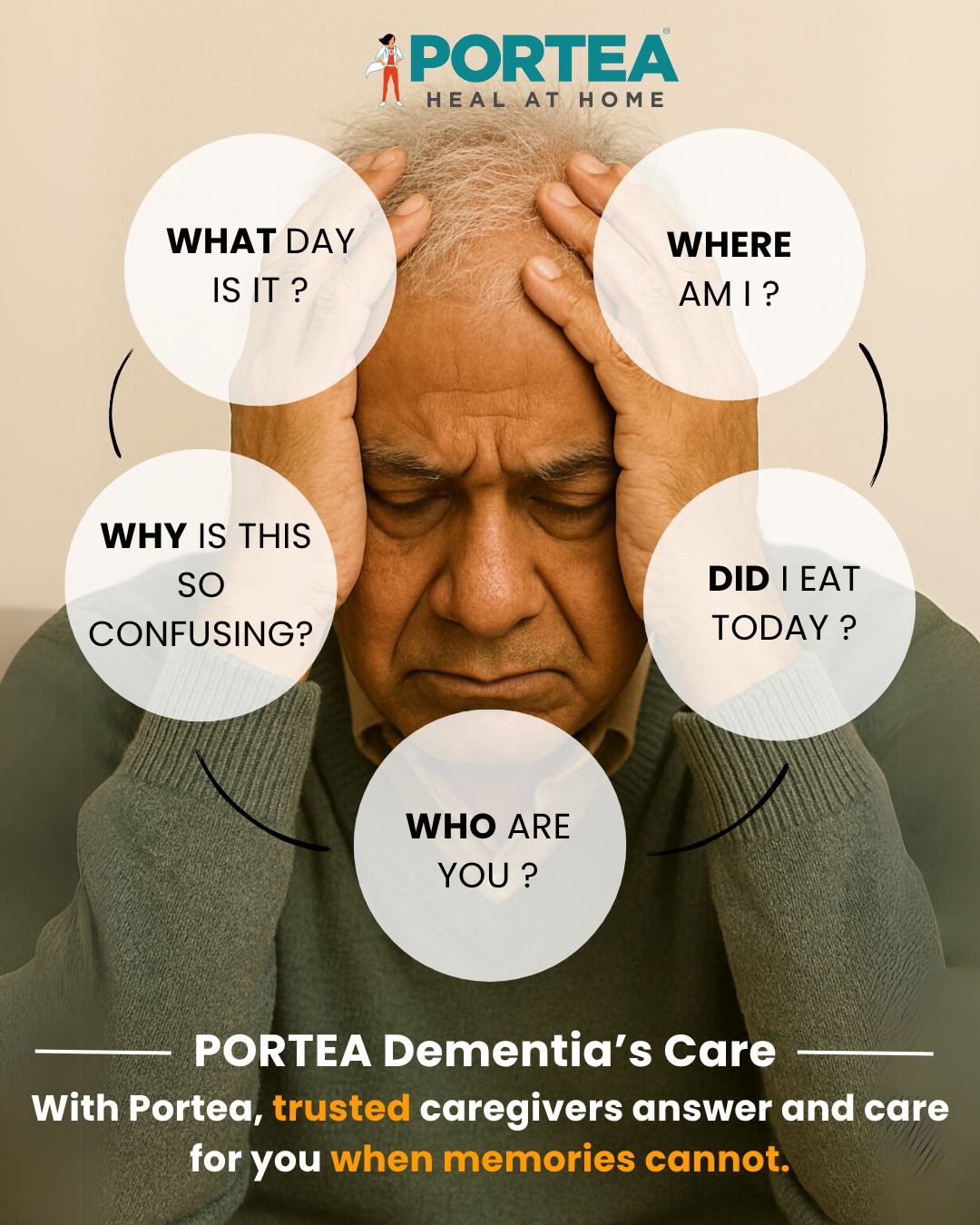
Dementia: Stealing Memories, Erasing Lives
Introduction
Imagine waking up one morning and finding that your favorite song sounds unfamiliar. Or perhaps you can’t quite place the face of the person who’s been sharing your breakfast table for the last forty years. Scary, right? That unsettling feeling of slipping away, of losing pieces of yourself, is a glimpse into the world of dementia.
Dementia isn’t a single disease, but rather an umbrella term for a decline in cognitive function that interferes with daily life. Alzheimer’s is the most common type, but vascular dementia, Lewy body dementia, and frontotemporal dementia are also prevalent. No matter the type, the common thread is a gradual erosion of memories, personality, and the ability to live independently. It’s like a thief in the night, silently stealing cherished moments and eroding the very foundation of a person’s identity.
Explanation of the Problem: A World Turned Upside Down
The short-term effects of dementia can be devastating, both for the individual and their families. For the person experiencing the early stages, it can manifest as increased forgetfulness, difficulty with problem-solving, and challenges with planning. Simple tasks like balancing a checkbook or following a recipe become monumental hurdles.
Imagine Sarah, a retired teacher who prided herself on her meticulous organizational skills. Gradually, she started misplacing things, forgetting appointments, and struggling to remember the names of her former students. The frustration mounted, leading to anxiety and a growing sense of isolation. She felt like she was losing control, and the fear of what was to come loomed large.
For families, the initial impact is often a mixture of denial, confusion, and grief. They might initially dismiss the symptoms as normal aging, only to realize later that something more serious is at play. As the disease progresses, family members often find themselves taking on increasing responsibilities, from managing finances to providing personal care. This can lead to immense stress, burnout, and strained relationships.
The long-term impact of dementia is even more profound. As the disease progresses, individuals may experience significant memory loss, difficulty with communication, and impaired judgment. They might become disoriented, lose their way in familiar surroundings, and struggle to recognize loved ones.
The physical effects can also be debilitating. Many individuals with dementia develop mobility issues, difficulty swallowing, and incontinence. They become increasingly dependent on others for their basic needs, requiring round-the-clock care.
Beyond the individual and their immediate family, dementia also has a significant societal impact. The rising number of individuals living with dementia is placing a strain on healthcare systems, social services, and long-term care facilities. The economic burden of dementia is substantial, encompassing direct medical costs, long-term care expenses, and the lost productivity of caregivers.
Solutions: Practical Approaches
While there’s currently no cure for most forms of dementia, there are several strategies that can help manage symptoms, improve quality of life, and support both individuals and their families.
- Early Detection is Key:The earlier dementia is diagnosed, the better. Early diagnosis allows individuals and their families to plan for the future, access appropriate medical care, and participate in clinical trials. Talk to your doctor if you notice persistent cognitive changes in yourself or a loved one.
- Lifestyle Modifications:Studies show that certain lifestyle choices can help slow the progression of dementia and reduce the risk of developing it in the first place. These include:
- Regular Exercise:Physical activity improves blood flow to the brain and can enhance cognitive function. Aim for at least 30 minutes of moderate-intensity exercise most days of the week.
- Healthy Diet:A Mediterranean-style diet, rich in fruits, vegetables, whole grains, and healthy fats, has been linked to a lower risk of cognitive decline.
- Mental Stimulation:Engaging in mentally stimulating activities, such as puzzles, reading, learning new skills, and social interaction, can help keep the brain active and engaged.
- Medication and Therapies:While medications can’t cure dementia, they can help manage some of the symptoms, such as memory loss, anxiety, and depression. Occupational therapy, speech therapy, and physical therapy can also help individuals maintain their independence and improve their quality of life.
- Creating a Supportive Environment:Adapting the home environment can make a significant difference in the lives of individuals with dementia. This might involve removing hazards, installing grab bars, and using visual cues to aid navigation.
- Caregiver Support:Caring for someone with dementia is incredibly challenging. It’s crucial for caregivers to prioritize their own well-being by seeking support from family, friends, and professional organizations. Support groups, respite care, and counseling services can provide valuable emotional and practical assistance.
Beyond the conventional approaches, there are several alternative therapies that may offer benefits for individuals with dementia:
- Music Therapy:Music can evoke powerful memories and emotions, helping to reduce anxiety, improve mood, and stimulate cognitive function.
- Example:A case study showed that playing familiar songs for a woman with advanced Alzheimer’s helped her to recall long-forgotten memories and connect with her family.
- Art Therapy:Engaging in creative activities like painting, drawing, and sculpting can provide a non-verbal outlet for expression and help to improve communication and emotional well-being.
- Animal-Assisted Therapy:Interacting with animals can reduce stress, lower blood pressure, and provide companionship. Pet therapy can be particularly beneficial for individuals with dementia who may feel isolated or anxious.
- Example:Nursing homes and memory care facilities often bring in trained therapy dogs for residents to interact with. This provides a sense of comfort and emotional support.
- Mindfulness and Meditation:Practicing mindfulness and meditation can help to reduce stress, improve focus, and enhance overall well-being. These techniques can be particularly helpful for individuals with dementia who experience anxiety or agitation.
Conclusion: Hope for the Future
Dementia is a formidable challenge, but it’s not insurmountable. By understanding the disease, embracing early detection, implementing supportive strategies, and exploring alternative therapies, we can make a real difference in the lives of those affected.
This isn’t just about providing care; it’s about preserving dignity, fostering connection, and celebrating the enduring spirit of individuals living with dementia. It’s about ensuring that even as memories fade, their lives continue to be filled with meaning, purpose, and love.
Let’s commit to raising awareness, supporting research, and creating a more compassionate and inclusive society for those living with dementia and their families. The journey may be challenging, but with knowledge, empathy, and a shared commitment, we can navigate it together, ensuring that even in the face of memory loss, life remains worth living.