**Health Apocalypse: Are You Ready?**

Health Apocalypse: Are You Ready?Zombie

Health Apocalypse: Are You Ready?

Introduction

Okay, let’s be honest. The phrase “health apocalypse” sounds like something ripped straight from a dystopian movie trailer, right? But before you picture yourself scavenging for antibiotics in a wasteland, hear me out. While we might not be facing a Mad Max-style scenario, the convergence of several concerning trends – rising chronic diseases, antibiotic resistance, mental health crises, and increasing healthcare costs – paints a picture that deserves our attention. It’s less a sudden cataclysm and more a slow-burning crisis, and the question isn’t if it will impact us, but how deeply it already is.

Think about it. How many people do you know battling diabetes, heart disease, or autoimmune disorders? How many are struggling with anxiety, depression, or burnout? These aren’t isolated incidents; they’re symptoms of a larger systemic issue, and ignoring them is like ignoring the rising floodwaters until they’re lapping at your doorstep.

So, are we facing a health apocalypse? Maybe not in the literal, cinematic sense. But we are undeniably facing a significant health challenge, and being prepared, both individually and collectively, is more crucial than ever.

The Short-Term Storm: Immediate Impacts We’re Already Seeing

The immediate effects of this escalating health crisis are all around us, subtly eroding our quality of life and straining our resources.

  • Overwhelmed Healthcare Systems: Emergency rooms are packed, wait times for appointments are skyrocketing, and healthcare professionals are facing burnout. This isn’t just inconvenient; it can delay critical care and lead to poorer outcomes.
  • Rising Healthcare Costs: Insurance premiums are increasing, prescription drug prices are astronomical, and even routine checkups can break the bank. This financial burden forces many to delay or forego necessary medical care, creating a vicious cycle of worsening health.
  • Increased Stress and Anxiety: The constant barrage of health information (and misinformation) can be overwhelming, leading to heightened anxiety and a sense of helplessness. Navigating insurance, understanding complex medical jargon, and worrying about potential health threats adds another layer of stress to our already busy lives.
  • Decreased Productivity: When we’re not feeling our best, our productivity suffers. Chronic pain, fatigue, and mental health challenges can impact our work performance, our ability to care for our families, and our overall engagement in life.

The Long Game: Long-Term Consequences We Need to Avert

While the short-term effects are concerning, the long-term consequences of neglecting our health are even more daunting.

  • Weakened Immune Systems: Chronic stress, poor diet, and lack of exercise weaken our immune systems, making us more susceptible to infectious diseases and less able to recover from illness. This is particularly concerning in an era of emerging global pandemics.
  • Escalating Chronic Disease Rates: If current trends continue, we can expect to see even higher rates of diabetes, heart disease, cancer, and other chronic illnesses. This will place an even greater strain on our healthcare system and further erode our quality of life.
  • Shorter Lifespans: While advancements in medicine have extended lifespans, unhealthy lifestyles are starting to reverse that trend. If we don’t prioritize preventative care and adopt healthier habits, we risk living shorter, less fulfilling lives.
  • Economic Instability: A sicker population translates to a less productive workforce, higher healthcare costs, and a drain on economic resources. This can lead to a decline in economic growth and a reduced standard of living.
  • Compromised Future Generations: The health of future generations is directly linked to the health of their parents. Unhealthy habits and chronic diseases can be passed down, creating a cycle of poor health that’s difficult to break.

So, What Can We Do? Practical Solutions for a Healthier Future

Okay, enough doom and gloom. The good news is that we’re not powerless in the face of these challenges. There are concrete steps we can take, both individually and collectively, to improve our health and build a more resilient future.

Individual Actions: Taking Control of Your Well-being

  • Prioritize Preventative Care: Don’t wait until you’re sick to see a doctor. Schedule regular checkups, screenings, and vaccinations to catch potential problems early. This is a cornerstone of preventative care.
  • Embrace a Healthy Lifestyle: This seems obvious, but it’s worth repeating. Focus on eating a balanced diet rich in fruits, vegetables, and whole grains. Get regular exercise – even a 30-minute walk each day can make a difference. Prioritize sleep and find healthy ways to manage stress.
  • Become Health Literate: Arm yourself with reliable information about health and wellness. Learn how to evaluate health information critically and avoid falling prey to misinformation. Don’t be afraid to ask your doctor questions and advocate for your own health.
  • Mindfulness and Mental Wellbeing: Don’t ignore your mental health. Practice mindfulness techniques like meditation or deep breathing to reduce stress and improve your overall well-being. If you’re struggling with anxiety, depression, or other mental health challenges, seek professional help.
  • Build a Support System: Surround yourself with people who support your health goals. Having a strong social network can help you stay motivated, reduce stress, and cope with challenges.

Collective Actions: Building a Healthier Community

  • Advocate for Policy Changes: Support policies that promote healthy lifestyles, such as access to affordable healthcare, healthy food options, and safe environments for physical activity. Advocate for funding for public health initiatives and research.
  • Support Local Initiatives: Get involved in local community programs that promote health and wellness. This could include volunteering at a food bank, participating in a community garden, or supporting local health organizations.
  • Promote Health Education: Share reliable health information with your friends, family, and community. Encourage open conversations about health and wellness and help to debunk myths and misinformation.
  • Invest in Public Health Infrastructure: Support efforts to strengthen our public health infrastructure, including disease surveillance, emergency preparedness, and health promotion programs.
  • Demand Transparency from the Food Industry: Advocate for clearer labeling on food products and hold food manufacturers accountable for promoting healthy eating habits.

Finding What Works for You: Alternative Approaches

Not every solution fits every person. Here are a few alternative approaches to consider:

  • Integrative Medicine: Explore integrative medicine approaches that combine conventional medicine with complementary therapies such as acupuncture, massage therapy, and herbal medicine.
  • Functional Medicine: Functional medicine focuses on identifying and addressing the root causes of disease, rather than just treating the symptoms.
  • Telehealth: Telehealth can provide convenient access to healthcare services, particularly for those in rural areas or with limited mobility.
  • Community-Based Wellness Programs: Look for community-based wellness programs that offer support and resources for adopting healthier lifestyles.
  • Health Coaching: A health coach can provide personalized support and guidance to help you achieve your health goals.

Example: Let’s say you’re struggling to incorporate more exercise into your daily routine. A traditional approach might involve joining a gym and following a generic workout plan. An alternative approach could involve finding a walking buddy, taking dance classes, or using a fitness app to track your progress. The key is to find activities that you enjoy and that fit into your lifestyle.

The Takeaway: Optimism and Action

While the challenges we face are significant, they are not insurmountable. By taking proactive steps to improve our health, both individually and collectively, we can build a more resilient and healthier future. Don’t be paralyzed by fear or overwhelmed by the scope of the problem. Start small, focus on what you can control, and remember that every positive action makes a difference.

This isn’t about surviving a health apocalypse; it’s about thriving in a world that demands we prioritize our well-being. It’s about taking ownership of your health, empowering yourself with knowledge, and building a support system that encourages and sustains you. The “health apocalypse” doesn’t have to be a prophecy; it can be a wake-up call. A call to action. A call to prioritize our well-being and create a healthier, more vibrant future for ourselves and generations to come. So, are you ready? Let’s get started.

**Your Body’s Silent Signals: Are You Listening?**

“`html

Your Body’s Silent SignalsBody Signals

Your Body’s Silent Signals: Are You Listening?

Introduction

Ever felt that nagging twinge in your lower back after a long day at your desk? Or that persistent headache that seems to hover just behind your eyes? Maybe it’s the chronic fatigue that no amount of caffeine seems to shake. These aren’t just random annoyances; they’re your body whispering (or sometimes shouting!) at you. They’re silent signals, and learning to listen to them can make a world of difference to your short-term comfort and your long-term health.

We live in a world that glorifies pushing through, ignoring discomfort, and prioritizing productivity above all else. But this relentless pursuit can come at a steep price: neglecting the subtle cues our bodies are constantly sending us. Think of your body as a finely tuned instrument. If one string is out of tune, it might not seem like a big deal at first. But ignoring it for too long can lead to more significant problems down the line, affecting the overall harmony.

So, why is it so crucial to tune in? What are the short-term and long-term consequences of turning a deaf ear to these bodily messages?

The Short-Term Pain of Ignoring the Whispers

In the short term, ignoring your body’s signals can lead to a cascade of unpleasant consequences. That persistent headache might turn into a full-blown migraine, forcing you to cancel plans and lose a day of work. The lower back twinge can escalate into chronic pain, making even simple tasks like walking or sitting uncomfortable. Fatigue can morph into burnout, leaving you feeling emotionally and physically drained.

These immediate effects not only impact your productivity but also significantly affect your mood, relationships, and overall quality of life. Think about it: when you’re in pain, you’re less patient, less present, and less able to enjoy the things you love. You become reactive instead of proactive, constantly trying to manage the symptoms rather than addressing the underlying cause.

The Long-Term Price of Silence

The long-term implications of consistently ignoring your body’s signals are even more concerning. Chronic stress, fueled by a constant state of alert and ignored discomfort, can contribute to a weakened immune system, making you more susceptible to illness. Unaddressed pain can lead to posture problems, muscle imbalances, and even nerve damage. Persistent fatigue can be a symptom of underlying health conditions like thyroid issues, sleep apnea, or even early stages of autoimmune diseases.

Over time, neglecting these subtle cues can pave the way for more serious and debilitating conditions, impacting your mobility, independence, and overall lifespan. It’s like ignoring that small leak in the roof – eventually, it will cause significant damage to the entire structure.

Decoding the Signals: How to Start Listening

The good news is that learning to listen to your body is a skill that can be developed with practice and awareness. Here are some practical steps you can take to start tuning in:

  • Mindful Observation: Take a few moments each day to simply scan your body. Close your eyes, breathe deeply, and pay attention to any sensations you’re experiencing. Where do you feel tension? Are there any areas of discomfort or pain? What’s your energy level like? Just notice, without judgment.
  • Keep a Body Journal: Similar to a food journal, a body journal can help you identify patterns and triggers. Track your symptoms, activities, diet, and stress levels. This can help you connect the dots between your lifestyle choices and your physical well-being. For example, you might notice that your headaches are more frequent on days when you skip breakfast or when you’re under a lot of pressure at work.
  • Learn Your Baseline: Understanding what feels “normal” for your body is crucial. This will help you recognize when something is off. Pay attention to your usual sleep patterns, energy levels, digestive function, and pain tolerance.
  • Trust Your Intuition: Sometimes, your body communicates through subtle feelings or intuitions. If something feels “off,” even if you can’t quite pinpoint why, trust that feeling. It might be a sign that you need to rest, adjust your posture, or seek medical attention.

Practical Solutions for a Healthier Dialogue

Now that you’re more aware of your body’s signals, let’s explore some practical solutions you can implement in your daily life:

  • Prioritize Sleep: Adequate sleep is crucial for physical and mental restoration. Aim for 7-9 hours of quality sleep each night. Create a relaxing bedtime routine, avoid screen time before bed, and ensure your bedroom is dark, quiet, and cool.
    • Example: John, a software engineer, used to consistently get only 5-6 hours of sleep. He suffered from chronic headaches and fatigue. After prioritizing sleep and aiming for 8 hours a night, his headaches significantly decreased, and his energy levels improved.
  • Move Your Body: Regular physical activity is essential for overall health and well-being. Find activities you enjoy, whether it’s walking, running, swimming, dancing, or yoga. Aim for at least 30 minutes of moderate-intensity exercise most days of the week.
    • Alternative: If you struggle to find time for structured exercise, incorporate more movement into your daily routine. Take the stairs instead of the elevator, walk during your lunch break, or do some stretching at your desk.
  • Nourish Your Body: A healthy diet provides the fuel your body needs to function optimally. Focus on whole, unprocessed foods, including fruits, vegetables, whole grains, lean protein, and healthy fats. Limit your intake of processed foods, sugary drinks, and excessive caffeine.
    • Case Study: Sarah, a busy marketing executive, used to rely on processed foods and sugary snacks for quick energy. She constantly felt sluggish and had digestive issues. After switching to a whole-foods diet and focusing on balanced meals, her energy levels soared, and her digestive problems resolved.
  • Manage Stress: Chronic stress can wreak havoc on your body. Find healthy ways to manage stress, such as meditation, deep breathing exercises, yoga, spending time in nature, or connecting with loved ones.
    • Approach: Experiment with different stress-management techniques to find what works best for you. Some people find journaling helpful, while others prefer spending time in nature. The key is to find activities that help you relax and de-stress.
  • Listen to Your Pain: Don’t ignore persistent pain. If you’re experiencing pain that doesn’t go away or is interfering with your daily activities, seek medical attention. A healthcare professional can help diagnose the underlying cause and recommend appropriate treatment.
    • Important Tip: Be specific when describing your pain to your doctor. Tell them when it started, what makes it worse, and what makes it better.

Alternative Approaches to Consider:

  • Mindfulness Meditation: Cultivating mindfulness can help you become more aware of your body’s sensations and emotions.
  • Yoga or Tai Chi: These practices combine physical movement with mindfulness, promoting relaxation and stress reduction.
  • Massage Therapy: Massage can help release muscle tension and improve circulation, alleviating pain and discomfort.
  • Acupuncture: This traditional Chinese medicine technique involves inserting thin needles into specific points on the body to stimulate energy flow and promote healing.

Embrace the Conversation: A Path to Wellness

Learning to listen to your body’s silent signals is an ongoing journey, not a destination. It requires patience, awareness, and a willingness to prioritize your well-being. By tuning in to the subtle cues your body is constantly sending you, you can proactively address potential problems, prevent chronic conditions, and ultimately live a healthier, happier, and more fulfilling life.

Don’t be afraid to start small. Even taking a few minutes each day to check in with your body can make a significant difference. Remember, your body is your most valuable asset. Treat it with the respect and attention it deserves, and it will reward you with years of vibrant health and well-being. The conversation has already begun; are you ready to listen?


“`

Vitamin Revolution: Are You Getting Enough?

Vitamin RevolutionVitamin Revolution Image

Vitamin Revolution: Are You Getting Enough?

Introduction

Ever feel like you’re firing on all cylinders one day, then inexplicably dragging yourself through the next? Or perhaps you’ve noticed your immune system isn’t quite the fortress it used to be, with colds and sniffles becoming unwelcome regulars? Before you chalk it up to the general stresses of modern life, consider this: you might be caught in the silent epidemic of vitamin deficiency.

We live in a world saturated with information about health and wellness, yet many of us are unknowingly missing a crucial piece of the puzzle – adequate vitamin intake. It’s not just about avoiding scurvy or rickets anymore. The subtle, yet significant, impacts of vitamin deficiencies ripple through our lives, affecting everything from our energy levels and mood to our long-term health and resilience. So, are you getting enough? Let’s dive into the vitamin revolution and find out.

The Silent Struggle: Short-Term and Long-Term Impacts

Think of vitamins as the tiny cogs that keep the machinery of your body running smoothly. When even one cog is missing or malfunctioning, the entire system can sputter. In the short term, vitamin deficiencies often manifest as fatigue, brain fog, and a weakened immune system. Feeling constantly tired despite getting enough sleep? Struggling to concentrate at work? Catching every bug that goes around? These could be red flags signaling that your body isn’t getting the vitamins it needs to function optimally.

For example, a deficiency in vitamin D, aptly nicknamed the “sunshine vitamin,” can lead to fatigue, muscle weakness, and even depression. Vitamin B12 deficiency, common among vegetarians and vegans, can cause fatigue, nerve damage, and impaired cognitive function. Vitamin C, the powerhouse antioxidant, plays a crucial role in immune function, and a deficiency can make you more susceptible to infections.

However, the long-term consequences of vitamin deficiencies are even more concerning. Chronic deficiencies can contribute to a range of serious health problems, including:

  • Osteoporosis: Insufficient vitamin D and calcium can weaken bones, increasing the risk of fractures.
  • Heart Disease: Deficiencies in certain B vitamins, like folate and B12, can elevate homocysteine levels, a risk factor for heart disease.
  • Cognitive Decline: Studies have linked deficiencies in vitamins like B12 and vitamin D to an increased risk of cognitive decline and dementia.
  • Increased Risk of Cancer: Some research suggests that deficiencies in certain vitamins, such as vitamin D and folate, may increase the risk of certain types of cancer.

The stakes are high. Addressing potential vitamin deficiencies isn’t just about feeling good today; it’s about investing in your long-term health and well-being.

Navigating the Vitamin Maze: Practical Solutions

So, how do you ensure you’re getting enough of these essential nutrients? The good news is that incorporating more vitamins into your life doesn’t require a complete overhaul. Here are several practical solutions you can implement today:

  1. Embrace a Rainbow Diet: The cornerstone of adequate vitamin intake is a diverse and colorful diet rich in fruits, vegetables, whole grains, and lean protein. Aim to fill your plate with a variety of colors – think vibrant red peppers, leafy green spinach, bright orange carrots, and deep purple blueberries. Each color represents a different set of vitamins and antioxidants.
    • Example: Instead of grabbing a plain bagel for breakfast, opt for a whole-wheat toast with avocado and a sprinkle of red pepper flakes.
  2. Identify Your Risk Factors: Certain factors can increase your risk of vitamin deficiencies, including:
    • Age: As we age, our bodies become less efficient at absorbing certain nutrients, particularly vitamin B12.
    • Dietary Restrictions: Vegetarians, vegans, and individuals with food allergies or intolerances may be at risk of deficiencies in certain vitamins and minerals.
    • Medical Conditions: Certain medical conditions, such as Crohn’s disease, celiac disease, and kidney disease, can interfere with nutrient absorption.
    • Medications: Some medications can interfere with vitamin absorption or increase vitamin excretion.

    If you fall into any of these categories, talk to your doctor about getting tested for vitamin deficiencies.

  3. Strategic Supplementation: While a healthy diet should be your primary source of vitamins, supplementation can be a helpful tool to fill in the gaps, especially if you have identified any specific deficiencies. However, it’s crucial to approach supplementation with caution and consult with a healthcare professional or registered dietitian. Not all supplements are created equal, and excessive intake of certain vitamins can be harmful.
    • Example: A vegan might consider supplementing with vitamin B12, while someone living in a northern climate with limited sun exposure might benefit from vitamin D supplementation.
    • Case Study: A young woman experiencing chronic fatigue and diagnosed with a vitamin D deficiency saw a significant improvement in her energy levels and mood after taking a daily vitamin D supplement as recommended by her doctor.
  4. Sunlight Exposure (Safely): Vitamin D, the “sunshine vitamin,” is produced in the skin when exposed to sunlight. Aim for 15-20 minutes of sun exposure several times a week, without sunscreen, during peak daylight hours. However, be mindful of the risks of sun damage and always practice sun safety measures, such as wearing sunscreen and protective clothing, when spending extended periods in the sun.
    • Alternative: If you live in a region with limited sunlight or are concerned about sun exposure, consider taking a vitamin D supplement after consulting with your doctor.
  5. Fortified Foods: Many foods are fortified with vitamins and minerals to help improve public health. Look for foods like milk, cereal, and bread that are fortified with vitamin D, folate, and other essential nutrients. However, be mindful of added sugars and other unhealthy ingredients when choosing fortified foods.
    • Example: Choose a fortified cereal that is low in sugar and high in fiber for a healthy and vitamin-rich breakfast.
  6. Consult with a Healthcare Professional: The most important step in addressing potential vitamin deficiencies is to consult with a healthcare professional or registered dietitian. They can assess your individual needs, order appropriate blood tests, and recommend a personalized plan to optimize your vitamin intake.

Alternative Approaches: Personalized Nutrition

The “one-size-fits-all” approach to nutrition is becoming increasingly outdated. Personalized nutrition takes into account your individual genetics, lifestyle, and health status to create a customized dietary plan that meets your unique needs.

  • Genetic Testing: Genetic testing can identify your predispositions to certain vitamin deficiencies and help you tailor your diet and supplement regimen accordingly.
  • Gut Microbiome Analysis: Your gut microbiome plays a crucial role in nutrient absorption. Analyzing your gut microbiome can identify imbalances that may be contributing to vitamin deficiencies and guide you towards strategies to improve gut health.

These are just a couple of the alternative approaches that might be useful in determining whether a vitamin deficiency is the culprit of health problems

A Brighter, More Vibrant You: Taking Action Today

The vitamin revolution is about taking control of your health and empowering yourself with the knowledge to make informed choices. It’s not about chasing the latest health fad or relying on miracle cures. It’s about understanding the vital role that vitamins play in your well-being and taking practical steps to ensure you’re getting enough.

Start today. Take a closer look at your diet, identify potential risk factors, and consider consulting with a healthcare professional. Small changes can make a big difference in your energy levels, mood, and long-term health.

You have the power to unlock a brighter, more vibrant version of yourself. Embrace the vitamin revolution and embark on a journey towards optimal health and well-being. You’ve got this!

Supplement Secrets: Unlocking the Truth They Don’t Want You to Know

“`html
Supplement Secrets: Unlocking the Truth They Don’t Want You to KnowSupplement Image

Supplement Secrets: Unlocking the Truth They Don’t Want You to Know

Introduction

We’ve all been there. Scrolling through Instagram, bombarded by promises of sculpted abs, boundless energy, and wrinkle-free skin, all thanks to the latest miracle supplement. The supplement industry is a multi-billion dollar beast, preying on our desires for a better, healthier, and more vibrant life. But how much of it is actually true? How much is clever marketing designed to empty your wallet? And more importantly, are these pills and powders genuinely helping us, or potentially doing more harm than good?

This isn’t about demonizing supplements entirely. Some, when used correctly and under proper guidance, can be genuinely beneficial. However, the reality is that navigating this landscape is like wading through a swamp of misinformation, half-truths, and outright lies. That’s why we’re here to pull back the curtain and expose the supplement secrets they *don’t* want you to know.

The Price of Believing the Hype: Short-Term Gains, Long-Term Pains?

The allure of supplements is understandable. Who *wouldn’t* want a quick fix? But relying on these supposed shortcuts can have significant repercussions, both in the short and long term.

Short-Term Impacts:

  • The Placebo Effect & Empty Wallets:Often, the perceived benefits of a supplement stem from the placebo effect – you believe it’s working, so you feel better. While the placebo effect itself isn’t inherently bad, it becomes problematic when you’re spending your hard-earned money on something with little to no actual benefit. Imagine investing hundreds of dollars in a “brain-boosting” supplement only to realize your improved focus came from the *belief* that it would work, not the ingredients themselves.
  • Side Effects & Interactions:Many supplements contain powerful ingredients that can interact negatively with medications, pre-existing conditions, or even other supplements you’re taking. Think about it: you wouldn’t blindly mix chemicals in a lab, so why blindly combine potent substances in your body without understanding the potential consequences?
  • Delayed Focus on Real Solutions:Relying on a pill to solve your problems often distracts you from making meaningful lifestyle changes. Instead of addressing the root causes of your fatigue (poor sleep, stress, inadequate diet), you pop a “energy booster” and perpetuate the cycle.

Long-Term Impacts:

  • Organ Damage & Health Complications:Long-term use of certain supplements, especially those unregulated or containing undisclosed ingredients, can strain your liver, kidneys, and other vital organs. A classic example is the damage caused by certain weight loss supplements containing stimulants not properly regulated.
  • Nutrient Imbalances & Absorption Issues:Over-supplementing with certain vitamins and minerals can lead to imbalances that interfere with the absorption of other essential nutrients. Too much zinc, for instance, can inhibit copper absorption.
  • Financial Strain & Dependence:The cumulative cost of constantly chasing the next “miracle” supplement can be staggering. Moreover, you risk becoming psychologically dependent on them, feeling like you can’t function without them, even if they’re providing little to no actual benefit.

Unlocking the Truth: Practical Solutions You Can Implement Today

So, how do you navigate this treacherous landscape and make informed decisions about your health? Here are some actionable steps you can take:

  1. Prioritize Food First (and Foremost!)

    This might seem obvious, but it’s worth repeating: food is the foundation of good health. Before even considering a supplement, ensure you’re eating a well-balanced diet rich in fruits, vegetables, whole grains, lean protein, and healthy fats.

    • Case Study:Sarah, a 35-year-old marketing executive, felt constantly fatigued. She spent hundreds on energy supplements with minimal improvement. After consulting a nutritionist, she discovered her diet was severely lacking in iron. By incorporating iron-rich foods like spinach, lentils, and lean red meat, she experienced a significant boost in energy levels without needing any supplements.
  2. Do Your Research (Beyond the Hype)

    Don’t blindly trust marketing claims. Look for supplements that have been rigorously tested and backed by scientific evidence. Reputable sources include:

    • National Institutes of Health (NIH):The NIH provides unbiased information on dietary supplements.
    • ConsumerLab.com:A subscription-based service that independently tests supplements for quality and purity.
    • Examine.com:A resource that provides evidence-based information on supplements and nutrition.
  3. Consult a Healthcare Professional

    Before starting any new supplement regimen, talk to your doctor, a registered dietitian, or a qualified healthcare provider. They can assess your individual needs, identify any potential interactions with medications, and help you determine if a supplement is truly necessary.

    • Example:John, a 60-year-old man, was considering taking a high-dose vitamin D supplement based on online advice. His doctor advised against it, as John already had adequate vitamin D levels and excessive supplementation could lead to calcium imbalances and kidney problems.
  4. Be Wary of Unrealistic Claims & “Miracle Cures”

    If it sounds too good to be true, it probably is. Be skeptical of supplements that promise rapid weight loss, dramatic muscle gain, or cures for chronic diseases. These are often red flags for misleading marketing and potentially dangerous ingredients.

  5. Start Slow & Monitor Your Body

    If you decide to try a supplement, start with a low dose and carefully monitor your body for any adverse reactions. Pay attention to how you feel, both physically and mentally. If you experience any negative side effects, discontinue use immediately.

Alternative Approaches: Beyond the Bottle

Supplements aren’t the only way to improve your health and well-being. Consider these alternative approaches:

  • Stress Management Techniques:Meditation, yoga, deep breathing exercises, and spending time in nature can all help reduce stress levels and improve overall health.
  • Regular Exercise:Physical activity has numerous benefits, including improved energy levels, mood, and sleep quality.
  • Adequate Sleep:Prioritize getting 7-9 hours of quality sleep each night.
  • Mindfulness & Gratitude:Practicing mindfulness and focusing on the positive aspects of your life can significantly improve your mental and emotional well-being.

The Takeaway: Empower Yourself with Knowledge

The supplement industry thrives on our insecurities and desires for a quick fix. By understanding the truth behind the hype, prioritizing food first, doing your research, and consulting with healthcare professionals, you can make informed decisions that truly benefit your health.

Don’t fall for the false promises and unrealistic expectations. Remember, there are no magic pills. True health is built on a foundation of healthy habits, mindful choices, and a commitment to long-term well-being. Take control of your health journey, and you’ll find the results you seek, not in a bottle, but in a healthier, happier you. The power to unlock your best self isn’t in a supplement; it’s in your hands. Start today!


“`

Science: The Only Magic That’s Real.

Science is the Real Magic

Science: The Only Magic That’s Real

Introduction

We’ve all been captivated by magic at some point, haven’t we? The impossible made possible, right before our eyes. But what if I told you that the real magic, the truly mind-blowing stuff, isn’t hidden behind smoke and mirrors, but staring us right in the face every single day? I’m talking about science.

Think about it. We carry devices in our pockets that can access almost all of the world’s information instantly. We can fly across continents in hours. We can heal diseases that were once death sentences. To someone living just a few centuries ago, all of this would seem like… well, magic.

But it’s not magic. It’s the culmination of centuries of observation, experimentation, and relentless curiosity – the very essence of science. And unlike the fleeting illusions of a magician, science gives us real, tangible, and lasting power over our world.

The Short-Term Illusions and Long-Term Realities

Now, you might be thinking, “Okay, science is cool, but what’s the problem? Everything seems pretty advanced.” And you wouldn’t be entirely wrong. We’ve made incredible progress. But beneath the shiny surface of technological advancement lies a complex web of challenges, both short-term and long-term, that demand our attention.

In the short term, we face issues like misinformation, scientific illiteracy, and a growing distrust of experts. Think about the debates surrounding climate change or vaccines. These aren’t just disagreements about facts; they’re often rooted in a lack of understanding of the scientific process itself. This can lead to poor decision-making, both on a personal and societal level. For example, the spread of misinformation during the COVID-19 pandemic directly hampered efforts to control the virus and save lives.

Looking further down the line, the challenges become even more profound. Climate change, resource depletion, and the rise of antibiotic-resistant bacteria are just a few of the looming crises that threaten our future. These aren’t abstract problems; they’re impacting communities right now, and their effects will only intensify if we don’t act decisively. We need innovative scientific solutions, but we also need a population that understands and supports those solutions. We need to foster a culture of scientific curiosity and critical thinking.

Unlocking the Magic: Practical Solutions for a Brighter Future

So, how do we harness the “magic” of science to address these challenges? The good news is that there are many practical approaches we can take, both individually and collectively.

  1. Embrace Lifelong Learning:

    This doesn’t mean going back to school for another degree (although, that’s an option too!). It simply means cultivating a curious mind and actively seeking out reliable sources of scientific information.

    • Actionable Step: Subscribe to reputable science news websites like *Science Daily* or *Scientific American*. Follow science communicators and educators on social media. Consider taking a free online course on a topic that interests you. Remember to critically evaluate the information you encounter and cross-reference with multiple sources.
  2. Support Science Education:

    Investing in science education at all levels is crucial. This means advocating for better funding for schools, supporting STEM programs, and encouraging children to explore their scientific curiosity.

    • Actionable Step: Volunteer at your local school to help with science activities. Donate to organizations that support science education. Encourage children to ask questions and explore the world around them. Support initiatives that bring hands-on science experiences to underserved communities.
  3. Promote Science Communication:

    We need scientists who can effectively communicate their research to the public. This involves making complex information accessible, engaging, and relevant.

    • Actionable Step: Support science communicators who are doing good work. Share their articles, videos, and social media posts. Encourage scientists you know to engage with the public. If you’re a scientist, consider developing your own communication skills through workshops or online courses.
  4. Engage in Evidence-Based Decision Making:

    Encourage critical thinking and the use of evidence in all aspects of your life, from personal choices to political decisions.

    • Actionable Step: Before making a decision, ask yourself: “What evidence supports this?” Be open to changing your mind based on new information. Support policies and candidates that are based on scientific evidence. Challenge misinformation when you encounter it.
  5. Support Scientific Research:

    Funding for scientific research is essential for developing new technologies and understanding complex problems. This means supporting government funding agencies, private foundations, and universities.

    • Actionable Step: Advocate for increased funding for scientific research. Donate to organizations that support research in areas that are important to you. Consider a career in science or a related field.

Alternative Approaches: A Toolkit for Change

While the above solutions offer a solid foundation, there are alternative approaches that cater to different interests and skillsets.

  • Citizen Science: Participate in citizen science projects, where you can contribute to real scientific research by collecting data, analyzing images, or transcribing documents. Websites like Zooniverse offer a wide range of projects to choose from.
  • Community Engagement: Organize local events that promote science literacy, such as science fairs, workshops, or guest lectures. Partner with local scientists, educators, and community organizations to create engaging and informative programs.
  • Art and Science Collaborations: Explore the intersection of art and science by creating projects that communicate scientific concepts in creative and engaging ways. This can include visual arts, music, dance, or theater.

Case Study: The Power of Public Understanding

The success of the polio vaccine is a powerful example of how public understanding of science can lead to transformative change. The development of the vaccine was a scientific triumph, but its widespread adoption depended on public trust in science and the willingness of individuals to get vaccinated. Through effective communication campaigns, public health officials were able to overcome skepticism and convince millions of people to get vaccinated, ultimately leading to the eradication of polio in many parts of the world.

A Call to Action: Unleash the Magic Within

Science isn’t just a collection of facts and theories; it’s a powerful tool that can be used to solve our most pressing problems and create a better future for all. It’s a process, a way of thinking, a method for uncovering the secrets of the universe.

The challenges we face are significant, but they are not insurmountable. By embracing lifelong learning, supporting science education, promoting science communication, engaging in evidence-based decision-making, and supporting scientific research, we can unlock the “magic” of science and create a brighter future.

Remember, the magic isn’t some mystical force; it’s the power of human ingenuity, driven by curiosity and fueled by evidence. It’s a power we all have access to. So, let’s embrace the wonder of science, engage with its process, and work together to build a world where the only magic that’s real is the one we create ourselves. The future is not something that happens to us; it’s something we build. Let’s build it together, with science as our guide.

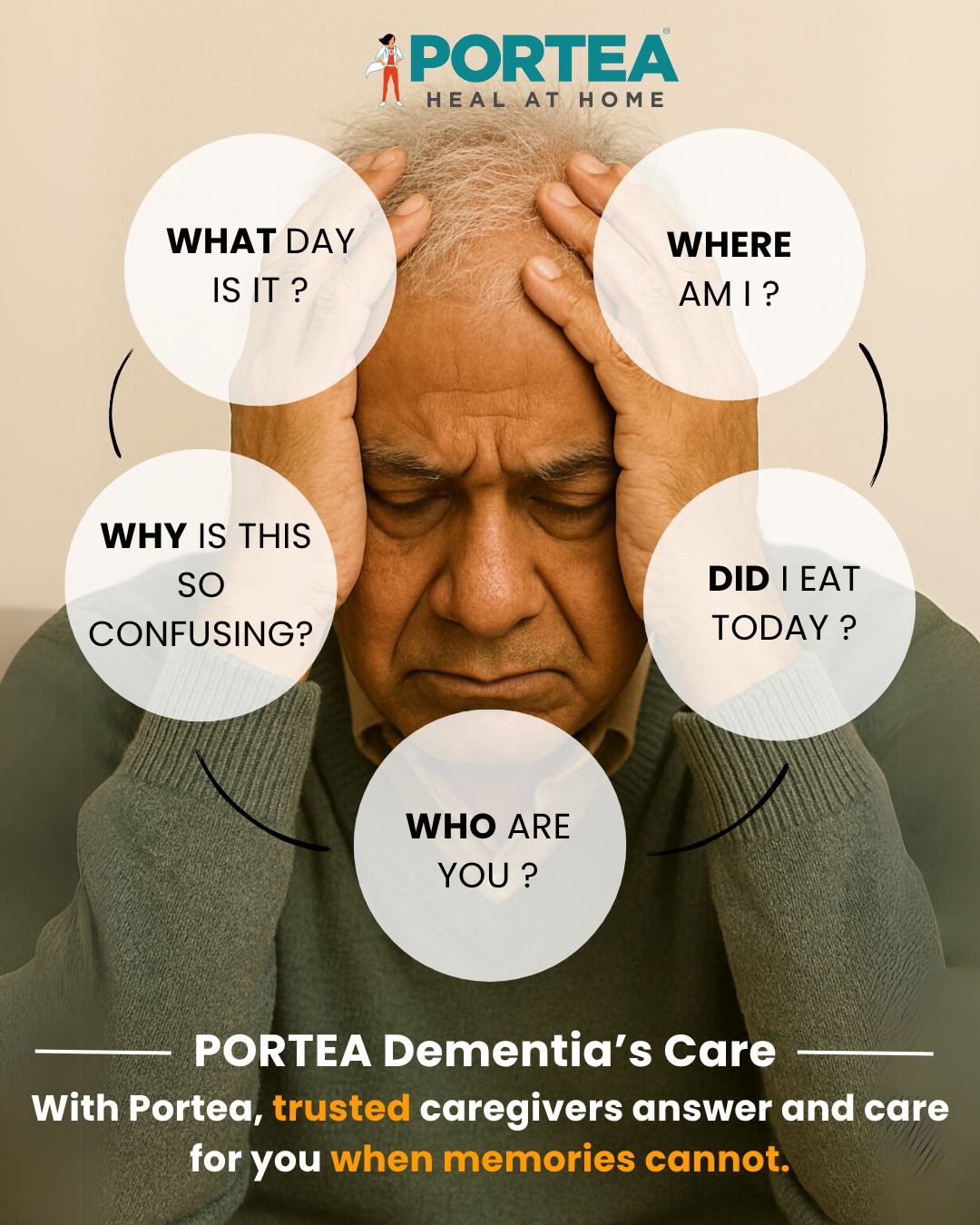
Dementia: Stealing Memories, Erasing Lives.

Dementia AwarenessDementia Awareness Image

Dementia: Stealing Memories, Erasing Lives

Introduction

Imagine waking up one morning and finding that your favorite song sounds unfamiliar. Or perhaps you can’t quite place the face of the person who’s been sharing your breakfast table for the last forty years. Scary, right? That unsettling feeling of slipping away, of losing pieces of yourself, is a glimpse into the world of dementia.

Dementia isn’t a single disease, but rather an umbrella term for a decline in cognitive function that interferes with daily life. Alzheimer’s is the most common type, but vascular dementia, Lewy body dementia, and frontotemporal dementia are also prevalent. No matter the type, the common thread is a gradual erosion of memories, personality, and the ability to live independently. It’s like a thief in the night, silently stealing cherished moments and eroding the very foundation of a person’s identity.

Explanation of the Problem: A World Turned Upside Down

The short-term effects of dementia can be devastating, both for the individual and their families. For the person experiencing the early stages, it can manifest as increased forgetfulness, difficulty with problem-solving, and challenges with planning. Simple tasks like balancing a checkbook or following a recipe become monumental hurdles.

Imagine Sarah, a retired teacher who prided herself on her meticulous organizational skills. Gradually, she started misplacing things, forgetting appointments, and struggling to remember the names of her former students. The frustration mounted, leading to anxiety and a growing sense of isolation. She felt like she was losing control, and the fear of what was to come loomed large.

For families, the initial impact is often a mixture of denial, confusion, and grief. They might initially dismiss the symptoms as normal aging, only to realize later that something more serious is at play. As the disease progresses, family members often find themselves taking on increasing responsibilities, from managing finances to providing personal care. This can lead to immense stress, burnout, and strained relationships.

The long-term impact of dementia is even more profound. As the disease progresses, individuals may experience significant memory loss, difficulty with communication, and impaired judgment. They might become disoriented, lose their way in familiar surroundings, and struggle to recognize loved ones.

The physical effects can also be debilitating. Many individuals with dementia develop mobility issues, difficulty swallowing, and incontinence. They become increasingly dependent on others for their basic needs, requiring round-the-clock care.

Beyond the individual and their immediate family, dementia also has a significant societal impact. The rising number of individuals living with dementia is placing a strain on healthcare systems, social services, and long-term care facilities. The economic burden of dementia is substantial, encompassing direct medical costs, long-term care expenses, and the lost productivity of caregivers.

Solutions: Practical Approaches

While there’s currently no cure for most forms of dementia, there are several strategies that can help manage symptoms, improve quality of life, and support both individuals and their families.

  • Early Detection is Key:The earlier dementia is diagnosed, the better. Early diagnosis allows individuals and their families to plan for the future, access appropriate medical care, and participate in clinical trials. Talk to your doctor if you notice persistent cognitive changes in yourself or a loved one.
  • Lifestyle Modifications:Studies show that certain lifestyle choices can help slow the progression of dementia and reduce the risk of developing it in the first place. These include:
    • Regular Exercise:Physical activity improves blood flow to the brain and can enhance cognitive function. Aim for at least 30 minutes of moderate-intensity exercise most days of the week.
    • Healthy Diet:A Mediterranean-style diet, rich in fruits, vegetables, whole grains, and healthy fats, has been linked to a lower risk of cognitive decline.
    • Mental Stimulation:Engaging in mentally stimulating activities, such as puzzles, reading, learning new skills, and social interaction, can help keep the brain active and engaged.
  • Medication and Therapies:While medications can’t cure dementia, they can help manage some of the symptoms, such as memory loss, anxiety, and depression. Occupational therapy, speech therapy, and physical therapy can also help individuals maintain their independence and improve their quality of life.
  • Creating a Supportive Environment:Adapting the home environment can make a significant difference in the lives of individuals with dementia. This might involve removing hazards, installing grab bars, and using visual cues to aid navigation.
  • Caregiver Support:Caring for someone with dementia is incredibly challenging. It’s crucial for caregivers to prioritize their own well-being by seeking support from family, friends, and professional organizations. Support groups, respite care, and counseling services can provide valuable emotional and practical assistance.

Beyond the conventional approaches, there are several alternative therapies that may offer benefits for individuals with dementia:

  • Music Therapy:Music can evoke powerful memories and emotions, helping to reduce anxiety, improve mood, and stimulate cognitive function.
    • Example:A case study showed that playing familiar songs for a woman with advanced Alzheimer’s helped her to recall long-forgotten memories and connect with her family.
  • Art Therapy:Engaging in creative activities like painting, drawing, and sculpting can provide a non-verbal outlet for expression and help to improve communication and emotional well-being.
  • Animal-Assisted Therapy:Interacting with animals can reduce stress, lower blood pressure, and provide companionship. Pet therapy can be particularly beneficial for individuals with dementia who may feel isolated or anxious.
    • Example:Nursing homes and memory care facilities often bring in trained therapy dogs for residents to interact with. This provides a sense of comfort and emotional support.
  • Mindfulness and Meditation:Practicing mindfulness and meditation can help to reduce stress, improve focus, and enhance overall well-being. These techniques can be particularly helpful for individuals with dementia who experience anxiety or agitation.

Conclusion: Hope for the Future

Dementia is a formidable challenge, but it’s not insurmountable. By understanding the disease, embracing early detection, implementing supportive strategies, and exploring alternative therapies, we can make a real difference in the lives of those affected.

This isn’t just about providing care; it’s about preserving dignity, fostering connection, and celebrating the enduring spirit of individuals living with dementia. It’s about ensuring that even as memories fade, their lives continue to be filled with meaning, purpose, and love.

Let’s commit to raising awareness, supporting research, and creating a more compassionate and inclusive society for those living with dementia and their families. The journey may be challenging, but with knowledge, empathy, and a shared commitment, we can navigate it together, ensuring that even in the face of memory loss, life remains worth living.

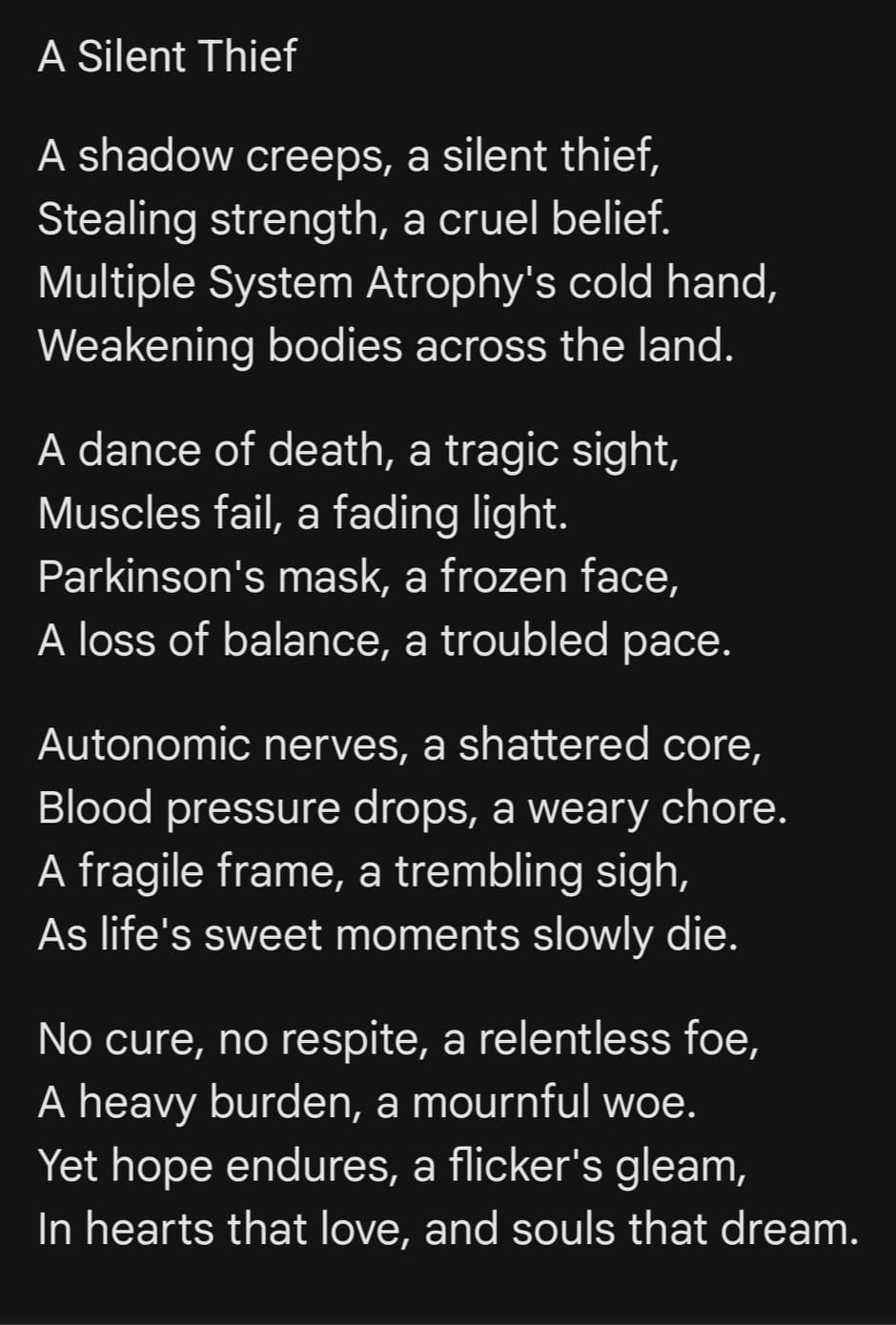
Parkinson’s: The Silent Thief Stealing Lives.

Parkinson’s: The Silent Thief Stealing LivesParkinson's Awareness Image

Parkinson’s: The Silent Thief Stealing Lives

Introduction

Imagine a life where everyday movements – walking, writing, even smiling – become a monumental effort. Picture your loved one slowly losing their independence, their vibrant personality dimmed by a relentless, unseen force. This is the reality for millions affected by Parkinson’s disease, a neurodegenerative disorder that creeps into lives like a silent thief, stealing abilities and altering futures.

Parkinson’s isn’t just about tremors; it’s a complex condition with far-reaching consequences. It subtly chips away at a person’s quality of life, impacting everything from their physical health to their emotional well-being. Let’s delve into the ways this “silent thief” operates and, more importantly, explore what can be done to fight back.

The Short-Term Sting: Daily Struggles and Emotional Toll

In the immediate term, Parkinson’s presents a myriad of daily challenges. Simple tasks that most of us take for granted become frustrating ordeals. Imagine struggling to button your shirt, spilling your coffee because of shaky hands, or feeling your legs freeze mid-stride. These physical difficulties often lead to a cascade of emotional repercussions.

Depression and anxiety are common companions of Parkinson’s. The frustration of physical limitations, coupled with the uncertainty of the future, can take a heavy toll on mental health. Social isolation becomes another significant hurdle. As symptoms worsen, individuals may withdraw from social activities, leading to loneliness and a diminished sense of purpose.

The short-term impact extends beyond the individual, deeply affecting their families and caregivers. Spouses, children, and other loved ones often find themselves taking on increased responsibilities, providing physical assistance, emotional support, and navigating complex medical decisions. This can lead to caregiver burnout, a serious condition characterized by exhaustion, stress, and declining physical and mental health.

The Long Game: A Changing Landscape of Challenges

As Parkinson’s progresses, the challenges evolve and intensify. The initial tremors might become more pronounced, stiffness increases, and balance problems become more frequent, raising the risk of falls and injuries. Non-motor symptoms, such as cognitive impairment, sleep disturbances, and speech difficulties, can also emerge, further complicating the picture.

In the long run, Parkinson’s can significantly impact a person’s independence. Activities that once brought joy – hobbies, travel, and socializing – may become increasingly difficult or impossible. This loss of autonomy can lead to feelings of helplessness and a sense of diminished self-worth.

From a societal perspective, Parkinson’s presents a growing challenge. As the population ages, the number of individuals affected by the disease is expected to rise, placing a greater strain on healthcare systems and social support networks.

Fighting Back: Practical Solutions and Hope for the Future

While there’s currently no cure for Parkinson’s, there’s plenty that can be done to manage symptoms, improve quality of life, and slow down the disease’s progression. Here are some practical solutions and approaches to consider:

  1. Embrace Medication Management:

    The Solution: Medications like levodopa can effectively manage motor symptoms, such as tremors and stiffness. Work closely with your neurologist to find the right dosage and timing for your specific needs.

    Example: A person diagnosed with Parkinson’s can work closely with their neurologist to find the right medication and dosage to manage tremors, enabling them to continue writing and engage in hobbies they enjoy.

  2. Exercise is Your Ally:

    The Solution: Regular physical activity can improve motor skills, balance, and overall well-being. Focus on exercises that enhance balance, strength, and flexibility.

    • Walking: A simple yet powerful way to improve mobility.
    • Tai Chi: Enhances balance and coordination.
    • Yoga: Increases flexibility and reduces stress.
    • Parkinson’s-Specific Exercise Programs: Many communities offer specialized classes designed to address the unique challenges of Parkinson’s.

    Example: Consider the story of John, a retired teacher diagnosed with Parkinson’s. He joined a local Parkinson’s-specific exercise group and, within months, noticed significant improvements in his balance and walking speed. Exercise not only improved his physical health but also provided a sense of community and support.

  3. Nutrition for Brain Health:

    The Solution: A balanced diet rich in fruits, vegetables, and whole grains can support brain health and overall well-being.

    • Increase Fiber Intake: Helps with digestion and prevents constipation, a common Parkinson’s symptom.
    • Stay Hydrated: Drink plenty of water to maintain energy levels and prevent dehydration.
    • Consult a Dietitian: Get personalized recommendations based on your specific needs and preferences.

    Example: Mary, a Parkinson’s patient, struggled with constipation due to medication side effects. Her doctor recommended incorporating more fiber into her diet, along with regular hydration, which significantly improved her digestive health and overall comfort.

  4. The Power of Support Groups:

    The Solution: Connecting with others who understand what you’re going through can provide invaluable emotional support and practical advice.

    • Local Parkinson’s Chapters: Offer support groups, educational programs, and social events.
    • Online Communities: Connect with people from around the world through forums and social media groups.

    Example: After joining a support group, a person with Parkinson’s found that sharing experiences and coping strategies with peers significantly reduced feelings of isolation and anxiety.

  5. Embrace Assistive Technology:

    The Solution: Assistive devices and technology can help compensate for physical limitations and maintain independence.

    • Adaptive Utensils: Make eating easier.
    • Voice-Activated Devices: Control lights, appliances, and other household functions.
    • Mobility Aids: Canes, walkers, and wheelchairs can improve balance and mobility.

    Example: A person with hand tremors uses adaptive utensils, allowing them to enjoy meals with greater ease and dignity.

  6. Prioritize Mental Health:

    The Solution: Address mental health concerns through therapy, medication, and mindfulness practices.

    • Cognitive Behavioral Therapy (CBT): Helps manage anxiety and depression.
    • Mindfulness Meditation: Reduces stress and improves focus.

    Example: A Parkinson’s patient can engage in regular mindfulness meditation to reduce stress and improve focus, leading to a more balanced emotional state.

A Reason for Optimism

Living with Parkinson’s presents undeniable challenges, but it doesn’t have to define your life. By adopting a proactive approach to symptom management, embracing lifestyle changes, and seeking support from others, you can reclaim your independence and live a fulfilling life. Research is constantly advancing, offering new hope for more effective treatments and, ultimately, a cure.

Take Action Now:

  • Schedule a Consultation: Talk to your doctor about developing a personalized treatment plan.
  • Find a Support Group: Connect with others who understand what you’re going through.
  • Start Moving: Incorporate regular physical activity into your daily routine.
  • Educate Yourself: Learn as much as you can about Parkinson’s and available resources.

Parkinson’s may be a silent thief, but you don’t have to be a victim. By taking proactive steps and embracing a positive mindset, you can fight back, reclaim your life, and write your own story, one filled with resilience, hope, and unwavering determination.

Cancer: The Thief in the Night.


Cancer: The Thief in the NightCancer Awareness

Cancer: The Thief in the Night

Introduction

Imagine you’re asleep, comfortable and secure in your home. Suddenly, a thief slips in, silently stealing your most prized possessions, piece by piece. You wake up to discover the damage, the emptiness, the violation. That, in many ways, is how cancer can feel – a thief in the night, stealing health, dreams, and futures.

Cancer isn’t a single entity but a collective term for a group of diseases characterized by the uncontrolled growth and spread of abnormal cells. It can develop virtually anywhere in the body, attacking anyone, regardless of age, gender, or background. While the word itself can evoke fear and anxiety, understanding its impacts and the potential solutions is the first step to reclaiming power and fighting back.

The Immediate Aftermath: Short-Term Impacts

The initial diagnosis of cancer can be a seismic event, shaking the foundations of an individual’s life. The immediate aftermath often involves a whirlwind of medical appointments, tests, and discussions about treatment options. This period is fraught with emotional turmoil, ranging from shock and disbelief to fear and anger.

The physical toll of cancer and its treatment can be significant. Chemotherapy, radiation, and surgery often lead to side effects like fatigue, nausea, hair loss, and pain. These side effects can disrupt daily routines, impacting work, social life, and overall quality of life. Many individuals find themselves struggling to maintain their independence, relying on loved ones for support with basic tasks.

The financial burden of cancer is another immediate concern. Treatment costs can be astronomical, even with insurance coverage. Add to this the potential loss of income due to illness or the need to take time off work, and the financial strain can be overwhelming. This financial stress adds another layer of anxiety to an already challenging situation.

The Long Game: Long-Term Impacts

The impacts of cancer extend far beyond the initial diagnosis and treatment phase. Even after successful treatment, the long-term effects can linger, impacting various aspects of life.

Many cancer survivors experience long-term physical side effects from treatment. These can include chronic pain, neuropathy (nerve damage), lymphedema (swelling), and hormonal imbalances. These side effects can significantly impact physical functioning and require ongoing management.

The emotional scars of cancer can be just as profound as the physical ones. Cancer survivors often grapple with anxiety, depression, and fear of recurrence. They may experience post-traumatic stress symptoms, reliving the trauma of diagnosis and treatment. Reintegrating into “normal” life after cancer can be a challenging process, as individuals navigate their changed bodies and altered perspectives.

Cancer can also impact relationships with loved ones. The stress of dealing with cancer can strain marriages and family dynamics. Caregivers often experience burnout and emotional exhaustion. While some relationships grow stronger through the experience, others may struggle to cope.

Turning the Tide: Practical Solutions

While cancer is a formidable adversary, it’s not an unbeatable one. There are several practical solutions and approaches that can help individuals reduce their risk, detect cancer early, and improve their chances of survival.

  • Prevention is Key:
    • Lifestyle Modifications: Embracing a healthy lifestyle can significantly reduce cancer risk. This includes maintaining a healthy weight, eating a balanced diet rich in fruits and vegetables, exercising regularly, and avoiding tobacco and excessive alcohol consumption.
    • Vaccinations: Certain vaccines, such as the HPV vaccine, can protect against cancers caused by viral infections.
    • Sun Protection: Protecting your skin from excessive sun exposure can reduce the risk of skin cancer.
  • Early Detection Saves Lives:
    • Regular Screenings: Following recommended screening guidelines for breast, cervical, colorectal, and prostate cancer can help detect cancer at an early, more treatable stage.
    • Self-Exams: Regularly performing self-exams for breast, skin, and testicular cancer can help identify any changes or abnormalities that warrant medical attention.
    • Pay Attention to Symptoms: Being aware of potential cancer symptoms and seeking medical attention promptly can lead to earlier diagnosis and treatment.
  • Navigating Treatment Options:
    • Personalized Treatment Plans: Work closely with your healthcare team to develop a personalized treatment plan that considers your individual needs and preferences.
    • Clinical Trials: Consider participating in clinical trials to access cutting-edge treatments and contribute to cancer research.
    • Integrative Therapies: Explore integrative therapies, such as acupuncture, massage, and yoga, to manage side effects and improve quality of life during treatment.
  • Building a Support System:
    • Connect with Others: Join support groups or online communities to connect with other cancer patients and survivors. Sharing experiences and offering mutual support can be incredibly valuable.
    • Seek Professional Counseling: Don’t hesitate to seek professional counseling to cope with the emotional challenges of cancer.
    • Lean on Loved Ones: Let your loved ones know how they can support you. Accept offers of help with practical tasks, such as meal preparation and transportation.

Alternative Approaches: Tailoring Solutions to Your Needs

It’s essential to remember that there is no one-size-fits-all solution to dealing with cancer. Individuals should explore different approaches and choose the ones that best fit their unique circumstances and preferences.

  • Focus on Nutrition: Some individuals find it helpful to follow specific dietary approaches, such as the ketogenic diet or plant-based diets, to support their immune system and fight cancer.
  • Mind-Body Techniques: Mind-body techniques, such as meditation, mindfulness, and guided imagery, can help reduce stress, improve mood, and enhance coping skills.
  • Advocacy and Awareness: Getting involved in cancer advocacy and awareness initiatives can empower individuals to make a difference and contribute to the fight against cancer.

A Future of Hope and Empowerment

While cancer remains a significant challenge, progress is being made every day. Advances in research, treatment, and prevention are offering new hope to cancer patients and survivors. By taking proactive steps to reduce our risk, detect cancer early, and access the best possible care, we can turn the tide against this “thief in the night.”

The key is to feel empowered, not defeated. Knowledge is power, action is strength, and support is invaluable. By embracing these elements, we can reclaim our lives, navigate the challenges, and move towards a future where cancer is no longer a threat. Don’t let cancer steal your joy; instead, steal back your power and choose to live each day to the fullest. You are not alone, and you are stronger than you think.

Unleash Your Vitality: The Ultimate Guide to a Healthier Life

Unleash Your Vitality: The Ultimate Guide to a Healthier LifeVitalityImage

Unleash Your Vitality: The Ultimate Guide to a Healthier Life

Introduction

Ever feel like you’re just… existing? Going through the motions, maybe hitting snooze one too many times, and relying on that third cup of coffee to keep you afloat? You’re not alone. In today’s fast-paced world, it’s easy to let our well-being slide. But what if I told you that you could feel energetic, vibrant, and truly alive, without drastic measures or superhuman willpower?

This isn’t about some unattainable ideal of health. It’s about unlocking the vitality that already resides within you, ready to be unleashed. Think of it as fine-tuning your life for optimal performance and enjoyment. But why should you even bother? Let’s talk about the impact – both in the short and the long run.

The Ripple Effect of Neglect: The Short-Term and Long-Term Consequences

Let’s face it, skipping workouts, eating poorly, and skimping on sleep might seem harmless in the moment. “Just one more episode,” “I’ll start tomorrow,” – sound familiar? But these seemingly small choices accumulate, creating a ripple effect that impacts your life in surprising ways.

The Short-Term Slog:

In the immediate, neglect manifests as fatigue, brain fog, irritability, and increased susceptibility to colds. Think about those days when you’re dragging yourself through meetings, struggling to concentrate, and snapping at your loved ones. These are the immediate symptoms of a body and mind that aren’t getting what they need. Productivity plummets, relationships suffer, and joy feels like a distant memory.

The Long-Term Toll:

Now, zoom out and consider the long game. Chronic stress, poor diet, and lack of exercise are major contributors to serious health issues like heart disease, type 2 diabetes, obesity, and even some cancers. Beyond physical health, neglecting your well-being increases your risk of anxiety, depression, and cognitive decline. Imagine years from now, limited in your ability to enjoy life to the fullest because of choices you make today. The good news is, this doesn’t have to be your story.

The Vitality Upgrade: Practical Steps to a Healthier You

Ready to reclaim your energy and embrace a healthier, more vibrant life? Here’s the practical part. These aren’t magic pills or overnight transformations. They’re actionable steps you can start incorporating today, tailored to fit your unique needs and preferences.

1. Fuel Your Body with Purpose:

Forget restrictive diets and calorie counting. Focus on nourishing your body with real, whole foods. Think of food as fuel, not just something to satisfy cravings.

  • The 80/20 Rule: Aim for 80% whole, unprocessed foods like fruits, vegetables, lean proteins, and whole grains. Leave 20% for those occasional indulgences that bring you joy. This balanced approach is more sustainable than strict restriction.
  • Hydration is Key: Water is essential for everything from energy production to digestion. Aim for at least eight glasses of water a day. Carry a reusable water bottle as a constant reminder.
  • Mindful Eating: Pay attention to your hunger cues and eat slowly. Savor each bite and avoid distractions like your phone or TV. This helps you recognize when you’re truly full, preventing overeating.

Example: Sarah, a busy marketing executive, struggled with afternoon energy crashes. She started packing her lunch with a salad containing grilled chicken, mixed greens, and a variety of vegetables. She also made a conscious effort to drink water throughout the day. Within a week, she noticed a significant improvement in her energy levels and concentration.

2. Move Your Body, Love Your Body:

Exercise isn’t just about losing weight; it’s about boosting your mood, strengthening your muscles, and improving your overall health. Find activities you genuinely enjoy and make them a regular part of your routine.

  • Find Your Fit: Experiment with different types of exercise until you discover something you love. This could be anything from dancing and hiking to swimming and weightlifting.
  • Start Small: If you’re new to exercise, start with just 15-20 minutes a day and gradually increase the duration and intensity.
  • Make it a Habit: Schedule exercise into your calendar just like any other important appointment.

Example: John, a software developer, hated going to the gym. He discovered a local hiking group and started joining them on weekend hikes. Not only did he get exercise, but he also enjoyed being outdoors and connecting with new people.

3. Prioritize Sleep Like a Boss:

Sleep is crucial for physical and mental restoration. Aim for 7-9 hours of quality sleep each night.

  • Establish a Routine: Go to bed and wake up at the same time each day, even on weekends. This helps regulate your body’s natural sleep-wake cycle.
  • Create a Relaxing Bedtime Ritual: Wind down with a warm bath, a good book, or some gentle stretching. Avoid screens (phones, tablets, TVs) for at least an hour before bed.
  • Optimize Your Sleep Environment: Make sure your bedroom is dark, quiet, and cool.

Case Study: Maria, a nurse, suffered from chronic insomnia. She started following a strict sleep schedule, created a relaxing bedtime routine, and invested in blackout curtains for her bedroom. Within a few weeks, her sleep quality improved dramatically, and she felt more rested and energized throughout the day.

4. Stress Less, Live More:

Chronic stress can wreak havoc on your health. Find healthy ways to manage stress and cultivate inner peace.

  • Mindfulness and Meditation: Even just a few minutes of mindfulness meditation each day can significantly reduce stress and improve your focus.
  • Deep Breathing Exercises: Practice deep breathing techniques throughout the day to calm your nervous system.
  • Connect with Nature: Spending time in nature has been shown to reduce stress and improve mood.

Alternative Approaches: Tailoring Vitality to Your Needs

  • The Minimalist Approach: If you’re overwhelmed, focus on one or two key areas at a time. Start with sleep, then gradually add other healthy habits.
  • The Buddy System: Partner with a friend or family member to support each other on your journey to better health.
  • Professional Guidance: Consider working with a health coach or registered dietitian to create a personalized plan that meets your specific needs and goals.

Your Journey to Vitality Starts Now

Unleashing your vitality is a journey, not a destination. There will be ups and downs, successes and setbacks. The key is to stay consistent, be patient with yourself, and celebrate your progress along the way. Remember, every small step you take towards a healthier lifestyle makes a difference.

Don’t feel pressured to overhaul your entire life overnight. Choose one small change you can make today – maybe drink an extra glass of water, go for a short walk, or try a five-minute meditation. Build on these small wins, and before you know it, you’ll be feeling more energetic, vibrant, and alive than you ever thought possible.

The power to transform your health and unlock your vitality lies within you. Embrace the journey, be kind to yourself, and get ready to live your best life. You’ve got this!

Food: The Great Unifier.

Food: The Great UnifierPueblo Feast Day

Food: The Great Unifier

Introduction

Ever stopped to think about what brings us all together? Beyond borders, languages, and beliefs, there’s one common denominator that binds humanity: food. It’s more than just sustenance; it’s a language, a culture, a memory, and, most profoundly, a unifier. But in a world increasingly divided, are we truly harnessing the power of food to bring us closer?

The Short-Term Feast and the Long-Term Famine

Think about it. Whether it’s a family dinner, a business lunch, or a celebratory gathering, food is almost always at the center. In the short term, it nourishes our bodies and satisfies our taste buds. It sparks conversations, fuels laughter, and creates those warm, fuzzy feelings we associate with connection and belonging. Remember that time you bonded with a stranger over a shared love for spicy ramen? Or that feeling of camaraderie as you helped prepare a Thanksgiving feast with your family? Those are the immediate, tangible benefits of food’s unifying power.

However, beneath this veneer of delicious harmony lurks a more concerning reality. The long-term impact of our food choices and systems reveals a stark contrast. Globally, food insecurity continues to plague millions. Political instability, climate change, and economic inequalities are exacerbating the problem, leading to widespread hunger and malnutrition. Think about the communities ravaged by drought, where access to basic sustenance is a daily struggle. Or the urban food deserts, where fresh, affordable produce is virtually nonexistent.

Beyond access, consider the environmental impact. Our current food production methods are significant contributors to climate change, deforestation, and pollution. The long-term consequences are dire, threatening the very resources that sustain us. Overfishing depletes our oceans, while intensive agriculture degrades our soil. It’s a vicious cycle, where our quest for food is ironically undermining our future food security.

Moreover, the modern food landscape often prioritizes convenience over connection. Pre-packaged meals, fast food chains, and the relentless pursuit of efficiency have distanced us from the origins of our food. We’re losing touch with the traditions, stories, and communal experiences that were once integral to our relationship with what we eat.

So, how do we bridge this gap? How do we ensure that food truly becomes a force for unity, both now and for generations to come?

A Recipe for Unity: Practical Solutions You Can Implement

The good news is, we don’t have to stand idly by. There are tangible steps we can take, individually and collectively, to reclaim food’s unifying power.

  1. Embrace Shared Meals: Reclaim the Table

    This might seem simple, but it’s incredibly powerful. Make an effort to share meals with friends, family, or even neighbors. Turn off the TV, put away your phones, and focus on connecting over food. Share stories, laugh together, and savor the experience.

    Example: Organize a monthly potluck in your neighborhood. Each person brings a dish to share, creating a diverse and delicious spread that reflects the community’s unique tastes and cultures.

  2. Support Local and Sustainable Food Systems:

    Prioritize buying food from local farmers, producers, and markets. This not only supports your community but also reduces your carbon footprint and promotes sustainable agriculture. Look for farmers’ markets, community-supported agriculture (CSA) programs, and restaurants that source their ingredients locally.

    Case Study: In Detroit, Michigan, urban farming initiatives are transforming vacant lots into thriving gardens, providing fresh produce to underserved communities and creating jobs in the process. These projects demonstrate the power of local food systems to address food insecurity and promote community resilience.

  3. Get Your Hands Dirty: Grow Your Own Food

    Even if you only have a small balcony or a windowsill, growing your own herbs or vegetables can be incredibly rewarding. It connects you to the origins of your food, fosters a sense of accomplishment, and provides you with fresh, healthy ingredients.

    Practical Tip: Start with easy-to-grow herbs like basil, mint, or parsley. You can also grow vegetables like tomatoes, lettuce, or peppers in containers. There are tons of online resources and local gardening groups that can provide guidance and support.

  4. Reduce Food Waste: Respect Your Resources

    A staggering amount of food is wasted every year, contributing to environmental problems and exacerbating food insecurity. Be mindful of your food consumption, plan your meals carefully, and store your food properly. Use leftovers creatively, and compost food scraps to enrich your soil.

    Example: Many apps now help you track the food you have at home and suggest recipes to use up ingredients before they spoil.

  5. Embrace Culinary Diversity: Explore New Cultures

    Food is a window into different cultures. Explore new cuisines, learn about different culinary traditions, and share your own cultural food heritage with others. This fosters understanding, appreciation, and connection across cultural boundaries.

    Suggestion: Attend a cooking class focused on a cuisine you’re unfamiliar with. Or, invite friends over for a meal and ask them to bring a dish that represents their culture.

Alternative Approaches: Tailoring Solutions to Your Circumstances

Not all solutions are one-size-fits-all. Here are some alternative approaches to consider, depending on your interests and circumstances:

  • Advocacy: Get involved in food policy advocacy. Support organizations that are working to address food insecurity, promote sustainable agriculture, and protect the rights of food workers.
  • Education: Educate yourself and others about food issues. Read books, watch documentaries, and attend workshops to learn more about the challenges and opportunities in our food system.
  • Donation: Donate food or money to local food banks or charities that are working to address hunger in your community.
  • Volunteer: Volunteer your time at a food bank, community garden, or other organization that is working to promote food security.

A Taste of Hope: A Call to Action

Food truly is the great unifier. By embracing shared meals, supporting local and sustainable food systems, reducing food waste, and exploring culinary diversity, we can harness its power to build a more connected, equitable, and sustainable world. It won’t happen overnight, but every small step we take in the right direction makes a difference.

So, the next time you sit down to eat, remember that you’re not just nourishing your body; you’re also connecting with others, celebrating culture, and shaping the future of our planet. Let’s make that connection count. Let’s reclaim food’s unifying power, one meal at a time. The table is set; let’s eat together and build a better future for all.