Food: The Fuel of Dreams
Introduction
Ever stopped to think about what fuels your biggest aspirations? We often chase grand ideas, envisioning ourselves achieving incredible feats. But beneath every ambition, every late-night brainstorming session, and every step towards our goals lies a fundamental truth: food is the bedrock. It’s the silent partner in our pursuits, the unsung hero powering our dreams.
Think of it like this: your body is a high-performance vehicle. Would you fill a Ferrari with low-grade fuel? Of course not! You’d use premium gas to ensure optimal performance. The same principle applies to your body and your dreams. The quality of your fuel—the food you consume—directly impacts your ability to think clearly, maintain energy, and ultimately, achieve your goals.
But here’s the kicker: we often take food for granted. In our fast-paced world, grabbing a quick bite on the go or indulging in processed comfort food feels like the easiest solution. But what if those seemingly harmless choices are actually hindering your progress? Let’s dive into how food truly impacts our short-term and long-term well-being, and more importantly, how we can optimize our diet to fuel our dreams effectively.
The Short-Term Impact: Brain Fog and Energy Crashes
Imagine you have a crucial presentation in the morning. You’ve stayed up late preparing, fueled by sugary snacks and caffeine. You wake up feeling groggy, your brain foggy, and your energy levels plummet before you even reach the office. This is the short-term consequence of poor dietary choices.
Foods high in refined sugars and processed carbohydrates cause rapid spikes and crashes in blood sugar levels. This rollercoaster ride leaves you feeling jittery, anxious, and ultimately, drained. Your concentration wavers, your memory falters, and your ability to perform at your best is severely compromised. That carefully crafted presentation? It might not land as well as you hoped.
On the flip side, imagine starting your day with a balanced breakfast of whole grains, protein, and healthy fats. This provides a sustained release of energy, keeping your blood sugar levels stable and your mind sharp. You feel focused, alert, and ready to tackle any challenge. The presentation goes off without a hitch, and you leave feeling confident and accomplished.
The Long-Term Impact: Chronic Disease and Diminished Potential
The long-term consequences of consistently poor dietary choices are even more profound. A diet high in processed foods, saturated fats, and added sugars increases your risk of developing chronic diseases such as heart disease, type 2 diabetes, and certain types of cancer.
These conditions not only impact your physical health but also drain your energy, cloud your mind, and limit your ability to pursue your passions. Imagine trying to build a successful business while battling chronic fatigue, or pursuing your artistic dreams while managing a debilitating illness.
Furthermore, poor nutrition can negatively impact your cognitive function over time. Studies have shown that diets lacking in essential nutrients can lead to memory loss, impaired concentration, and decreased cognitive flexibility. This can significantly hinder your ability to learn, adapt, and innovate—all crucial skills for achieving long-term success.
Consider the story of Sarah, a driven entrepreneur who always prioritized work over her health. Late nights fueled by takeout and sugary drinks eventually led to a diagnosis of type 2 diabetes. She found herself struggling with constant fatigue, brain fog, and a decreased ability to focus on her business. It wasn’t until she made significant changes to her diet and lifestyle that she was able to regain her energy and reclaim her entrepreneurial spirit.
Fueling Your Dreams: Practical Solutions
So, how can we optimize our diet to fuel our dreams? Here are several practical solutions:
- Prioritize Whole Foods: Focus on incorporating whole, unprocessed foods into your diet. This includes fruits, vegetables, whole grains, lean proteins, and healthy fats. These foods are packed with essential nutrients that support optimal brain function, energy levels, and overall health.
- Example: Instead of grabbing a processed granola bar, opt for a handful of almonds and a piece of fruit.
- Embrace Mindful Eating: Pay attention to your hunger cues and eat when you’re truly hungry. Avoid distractions while eating and savor each bite. This helps you develop a healthier relationship with food and prevents overeating.
- Example: Take a few deep breaths before you start eating and focus on the taste and texture of your food.
- Plan Your Meals: Take the time to plan your meals for the week. This helps you make healthier choices and avoid impulsive decisions when you’re hungry.
- Example: Spend a few hours on the weekend prepping ingredients for healthy meals during the week.
- Hydrate Regularly: Water is essential for brain function and energy levels. Aim to drink at least eight glasses of water per day.
- Example: Carry a water bottle with you and refill it throughout the day.
- Limit Processed Foods, Sugary Drinks, and Excessive Caffeine: These can lead to energy crashes, brain fog, and long-term health problems.
- Example: Swap sugary sodas for sparkling water with a squeeze of lemon or lime.
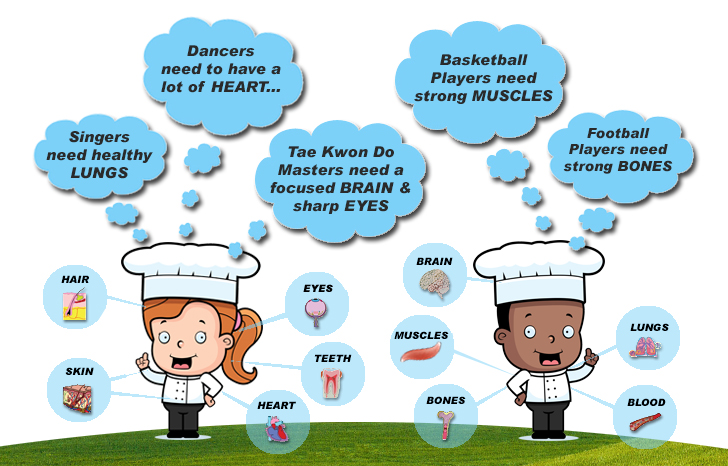
- Consider a Balanced Diet Specific to Your Needs: Different activities have different requirements. If you are an athlete, your diet should be different from a writer.
- Example: If you are an athlete, consult a nutritionist that can help you create a diet that is high in protein, vitamins and carbohydrates, while reducing sugar intake.
Alternative Approaches: Finding What Works for You
There’s no one-size-fits-all approach to healthy eating. What works for one person may not work for another. Here are some alternative approaches to consider:
- The Mediterranean Diet: This diet emphasizes fruits, vegetables, whole grains, lean protein, and healthy fats like olive oil. It’s associated with numerous health benefits, including improved heart health and cognitive function.
- The Paleo Diet: This diet focuses on foods that our ancestors supposedly ate, such as meat, fish, fruits, vegetables, and nuts. It excludes grains, legumes, and processed foods.
- Intermittent Fasting: This involves cycling between periods of eating and fasting. Some studies suggest that it can improve insulin sensitivity, promote weight loss, and enhance brain function.
- Vegetarian or Vegan Diet: These diets exclude meat or all animal products, respectively. They can be very healthy if properly planned to ensure adequate nutrient intake.
Experiment with different approaches and find what feels best for your body and lifestyle. Don’t be afraid to seek guidance from a registered dietitian or nutritionist to create a personalized plan.
The Bottom Line: Invest in Your Fuel, Invest in Your Dreams
Food is more than just sustenance; it’s the fuel that powers our dreams. By making conscious choices about what we eat, we can optimize our brain function, boost our energy levels, and improve our overall health, setting the stage for achieving our biggest aspirations.
It’s not about deprivation or restrictive dieting. It’s about making informed choices that nourish our bodies and minds, allowing us to thrive and reach our full potential. It’s about investing in ourselves, investing in our future, and investing in the fuel that will propel us towards our dreams.
So, take a moment to reflect on your current dietary habits. Are they supporting your dreams, or are they holding you back? Start small, make gradual changes, and embrace the journey towards a healthier, more energized, and more fulfilling life. Your dreams are worth it, and you are capable of achieving them. Now, go fuel them!