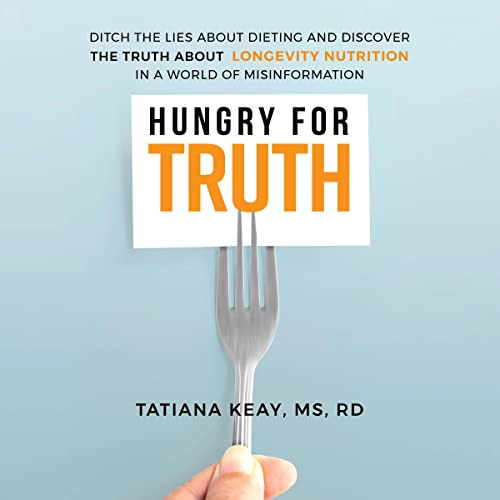
Diet Lies They Tell You: Unmasking the Truth
The Short-Term Burn, The Long-Term Blues: The Problem with Diet Lies
Ever felt like you’re constantly chasing the next miracle diet, only to end up back where you started (or even worse)? You’re not alone. The world of dieting is a minefield of misinformation, fueled by quick-fix promises and unrealistic expectations. It’s time to pull back the curtain and expose some of the most common diet lies we’ve all been told, so you can finally build a healthier, happier relationship with food and your body.
Why does all this matter? Sure, you might see some initial results from the latest trendy cleanse or restrictive diet. You might even squeeze into that pair of jeans you’ve been eyeing. But these short-term wins often come at a significant cost.
- The Yo-Yo Effect: Drastic diets often lead to a vicious cycle of weight loss and weight gain. Restricting calories forces your body into starvation mode, slowing down your metabolism. When you eventually return to your normal eating habits (and let’s be honest, who can live on celery juice forever?), your body clings to every calorie, making it easier to regain the weight, and sometimes even more.
- Nutrient Deficiencies: Severely restricting food groups can lead to deficiencies in essential vitamins and minerals. This can manifest as fatigue, weakened immunity, hair loss, and even more serious health problems.
- Damaged Relationship with Food: Dieting can create a negative association with food, turning it into the enemy. This can lead to feelings of guilt, shame, and anxiety around eating, potentially triggering disordered eating patterns.
- Long-Term Health Risks: The long-term effects of repeated dieting can be devastating. Studies have linked yo-yo dieting to increased risk of heart disease, type 2 diabetes, and even some types of cancer.
- Mental Health Impacts: Let’s not forget the mental toll. Constant dieting can lead to low self-esteem, body image issues, and increased stress. The relentless pursuit of an unattainable ideal can leave you feeling defeated and discouraged.
Deconstructing the Diet Deceptions: Common Lies Exposed
So, what are these pervasive diet lies? Let’s break down some of the most common offenders:
- Lie #1: “Quick Fixes Are the Answer.” These diets promise rapid weight loss in a short amount of time. The reality is that sustainable weight loss is a gradual process that requires lifestyle changes, not a temporary starvation plan.
- Lie #2: “Carbs Are Evil.” Carbs aren’t the enemy! They’re a vital source of energy. Complex carbohydrates, like whole grains, fruits, and vegetables, provide fiber, vitamins, and minerals. Focus on limiting processed carbs and sugary drinks, not eliminating carbs altogether.
- Lie #3: “Fat Makes You Fat.” Again, not true! Healthy fats are essential for hormone production, brain function, and nutrient absorption. Choose healthy fats like avocados, nuts, seeds, and olive oil, and limit saturated and trans fats.
- Lie #4: “You Have to Suffer to See Results.” This is a dangerous misconception. A healthy eating plan should be enjoyable and sustainable. If you’re constantly feeling deprived and miserable, it’s not the right approach.
- Lie #5: “Supplements are the Key to Weight Loss.” While some supplements can be beneficial in specific circumstances, they are not a substitute for a healthy diet and exercise. Many weight loss supplements are unregulated and can be harmful. Always consult with a doctor before taking any new supplements.
Unlocking the Truth: Practical Solutions for a Healthier You
Okay, so we’ve debunked the myths. Now what? Here are some practical, actionable solutions to build a healthier relationship with food and your body:
- Focus on Whole, Unprocessed Foods: Prioritize fruits, vegetables, lean protein, and whole grains. These foods provide essential nutrients and keep you feeling full and satisfied.
- Example: Instead of grabbing a processed granola bar, opt for a handful of almonds and an apple.
- Practice Mindful Eating: Pay attention to your hunger and fullness cues. Eat slowly and savor each bite. Avoid distractions like your phone or TV.
- Case Study: A client struggling with overeating began practicing mindful eating. By focusing on the taste, texture, and smell of their food, they were able to recognize when they were full and stop eating before feeling stuffed.
- Ditch the Diet Mentality: Instead of focusing on restrictive rules, focus on building sustainable habits. This might involve adding more vegetables to your diet, cooking more meals at home, or cutting back on sugary drinks.
- Alternative Approaches: Instead of a “diet,” consider focusing on intuitive eating, which emphasizes listening to your body’s natural hunger and fullness cues. Or explore the Mediterranean diet, a balanced eating plan rich in fruits, vegetables, whole grains, and healthy fats.
- Move Your Body Regularly: Find physical activities that you enjoy and make them a regular part of your routine. This could be anything from walking and hiking to dancing and swimming.
- Example: Instead of forcing yourself to go to the gym if you hate it, try a dance class or join a hiking group.
- Prioritize Sleep and Stress Management: Lack of sleep and chronic stress can disrupt your hormones and lead to increased cravings and weight gain. Aim for 7-8 hours of sleep per night and find healthy ways to manage stress, such as meditation, yoga, or spending time in nature.
- Seek Professional Guidance: If you’re struggling to navigate the world of nutrition on your own, consider working with a registered dietitian or certified nutritionist. They can provide personalized guidance and support to help you achieve your health goals.
- Case Study: A woman who had struggled with yo-yo dieting for years found success by working with a registered dietitian. The dietitian helped her develop a personalized eating plan that focused on whole foods and mindful eating, and provided ongoing support and encouragement.
- Embrace Body Positivity: Focus on celebrating your body for all that it can do, rather than focusing on its perceived flaws. Practice self-compassion and challenge negative self-talk.
A Brighter, Healthier Future
Breaking free from the cycle of diet lies is empowering. It’s about reclaiming your relationship with food, embracing your body, and prioritizing your overall well-being. It won’t happen overnight, and there will be challenges along the way, but by arming yourself with the truth and focusing on sustainable habits, you can create a healthier, happier, and more fulfilling life. The journey towards a healthier you is a marathon, not a sprint. Be patient with yourself, celebrate your progress, and remember that you are worthy of a healthy and joyful relationship with food and your body. You’ve got this!