Jesus Steeves

Diet: Reclaim Your Plate, Reclaim Your Life.

Diet: Reclaim Your Plate, Reclaim Your LifeFood Image

Diet: Reclaim Your Plate, Reclaim Your Life

Introduction

Ever feel like your diet is running you, instead of the other way around? Like you’re trapped in a never-ending cycle of cravings, guilt, and maybe even a little bit of despair? You’re not alone. We live in a world overflowing with processed foods, confusing information, and relentless marketing that preys on our weaknesses. But what if I told you that taking control of your diet isn’t about deprivation and endless salads? What if it’s about empowering yourself to live a healthier, happier, and more fulfilling life?

It’s time to reclaim your plate, and in doing so, reclaim your life.

The Ripple Effect: Short-Term and Long-Term Impacts

Let’s face it, the immediate consequences of a less-than-stellar diet are often pretty obvious. Maybe it’s the afternoon slump after a sugary lunch, the bloating after a greasy meal, or the general feeling of sluggishness that just won’t quit. These short-term effects, while annoying, are often brushed aside. We tell ourselves it’s just a “one-off,” or that we’ll “get back on track tomorrow.”

But these “one-offs” add up. Think of it like a dripping faucet. One drop might not seem like much, but over time, it fills a bucket. Similarly, consistently making poor dietary choices starts to erode our health and well-being in more profound ways.

In the long run, a consistently poor diet can contribute to a whole host of serious health issues. We’re talking increased risk of heart disease, type 2 diabetes, certain types of cancer, and even mental health problems like depression and anxiety. It’s not just about the number on the scale, although that can certainly be affected. It’s about your energy levels, your sleep quality, your mood, and ultimately, your ability to enjoy life to the fullest.

Think of it this way: food is fuel. Just like a car needs the right fuel to run smoothly, our bodies need the right nutrients to function optimally. Putting in low-quality fuel will eventually lead to breakdowns and expensive repairs.

The good news is that the opposite is also true. Making positive dietary changes, even small ones, can have a significant and lasting impact on your health and well-being.

Reclaiming Your Plate: Practical Solutions You Can Implement Today

So, how do you actually reclaim your plate and break free from the cycle of unhealthy eating? Here are some practical, actionable strategies you can start implementing today:

  • Start with Small, Sustainable Changes: Don’t try to overhaul your entire diet overnight. That’s a recipe for burnout. Instead, focus on making one or two small, sustainable changes each week. For example, swap sugary drinks for water, add a serving of vegetables to each meal, or choose whole-grain bread over white bread. These small changes will add up over time and create a solid foundation for long-term success.
    • Example: Instead of having a soda with lunch, try sparkling water with a slice of lemon or lime. The fizz will satisfy the craving, and you’ll be cutting out a ton of sugar.
  • Plan Your Meals: Meal planning is your secret weapon against impulse eating and unhealthy choices. Take some time each week to plan out your meals for the upcoming days. This will help you stay on track and ensure that you’re eating a balanced and nutritious diet.
    • Example: On Sunday evening, spend an hour planning your meals for the week. Write down your grocery list and then head to the store. Having healthy ingredients readily available will make it much easier to stick to your plan.
  • Read Food Labels: Become a label detective! Pay attention to serving sizes, calories, added sugars, and sodium content. You might be surprised at what you find.
    • Example: Compare two different brands of yogurt. One might have significantly more added sugar than the other. Choose the lower-sugar option.
  • Cook More Often: Cooking at home gives you complete control over the ingredients in your food. You can choose healthier options and avoid processed ingredients and unhealthy fats. Plus, it can be a fun and rewarding experience!
    • Example: Try making a simple stir-fry with lots of vegetables, lean protein, and a light sauce. It’s quick, easy, and packed with nutrients.
  • Listen to Your Body: Pay attention to your body’s hunger and fullness cues. Eat when you’re hungry and stop when you’re satisfied, not stuffed.
    • Example: Before reaching for a snack, ask yourself if you’re truly hungry or just bored. If you’re hungry, choose a healthy snack like an apple or a handful of nuts.
  • Don’t Be Afraid to Indulge (Occasionally!): Completely depriving yourself of your favorite foods is a surefire way to derail your efforts. Allow yourself to indulge in moderation.
    • Example: If you love chocolate, allow yourself a small piece of dark chocolate after dinner a few times a week.

Alternative Approaches: Find What Works for You

There’s no one-size-fits-all approach to diet. What works for one person might not work for another. Here are some alternative approaches to consider:

  • Mindful Eating: Focus on savoring each bite and paying attention to your body’s signals. This can help you eat less and feel more satisfied.
  • Intermittent Fasting: This involves cycling between periods of eating and fasting. It can be effective for weight loss and improving insulin sensitivity, but it’s not for everyone.
  • Mediterranean Diet: This diet emphasizes fruits, vegetables, whole grains, legumes, nuts, seeds, and olive oil. It’s linked to a reduced risk of heart disease and other chronic diseases.
  • Vegetarian or Vegan Diet: These diets exclude meat and, in the case of vegan diets, all animal products. They can be very healthy if planned properly.

Case Study: Maria’s Transformation

Maria, a busy working mom, felt constantly tired and overwhelmed. She relied on processed foods and takeout for convenience, and she knew her diet was contributing to her lack of energy and overall unhappiness. She started by making one small change each week. First, she swapped sugary sodas for water. Then, she started packing her lunch instead of eating out. Gradually, she incorporated more fruits and vegetables into her meals and started cooking at home more often. Within a few months, Maria had lost weight, her energy levels had soared, and she felt more in control of her life than ever before. She had successfully reclaimed her plate and, in doing so, reclaimed her life.

Reclaim Your Power, Reclaim Your Life

Reclaiming your plate is not about perfection; it’s about progress. It’s about making conscious choices that nourish your body and support your overall well-being. It’s about understanding that food is more than just fuel; it’s an experience, a connection, and a source of nourishment.

It’s about taking control of your health and your life. You have the power to make positive changes, one bite at a time. Embrace the journey, be patient with yourself, and celebrate your successes along the way. You deserve to feel your best, and reclaiming your plate is the first step towards achieving that goal. So, go ahead, reclaim your plate and reclaim your life. The power is in your hands!

Silent Killers: The Diseases You Can’t Ignore

“`html
Silent Killers: The Diseases You Can’t IgnoreScared Man Looking at Silent Killers

Silent Killers: The Diseases You Can’t Ignore

Introduction

Ever feel like there’s an invisible threat lurking around, something you can’t quite put your finger on but know you should be aware of? That’s kind of what we’re talking about today. We’re diving into the world of “silent killers” – diseases that often develop without obvious symptoms, silently wreaking havoc on your body until, sometimes, it’s too late.

Think of them as ninjas of the medical world, stealthily advancing without making a sound. Scary, right? But don’t panic! Awareness is the first, and arguably most powerful, weapon you have. This isn’t about fear-mongering; it’s about empowering you with the knowledge you need to protect yourself and your loved ones.

The Unseen Enemy: Short-Term vs. Long-Term Impacts

So, what kind of diseases are we talking about? Conditions like high blood pressure (hypertension), type 2 diabetes, high cholesterol, and even certain types of cancer often start with little to no noticeable symptoms.

Let’s break it down. In the short term, you might feel relatively normal. Maybe a little tired, a little stressed, or a little…off. We all have those days, right? The problem is, these seemingly insignificant changes can be the first whispers of a much bigger problem.

High blood pressure, for example, might present as occasional headaches or nosebleeds. You might brush them off, attributing them to a busy week. But consistently elevated blood pressure is quietly damaging your arteries, increasing your risk of heart disease and stroke down the line.

Similarly, high cholesterol might not cause any symptoms at all, but it’s silently building up plaque in your arteries, slowly narrowing them and restricting blood flow. Type 2 diabetes can initially manifest as increased thirst and frequent urination, which you might dismiss as simply needing to drink more water.

The real danger lies in the long-term consequences. Uncontrolled hypertension can lead to heart failure, kidney disease, and vision loss. High cholesterol significantly increases the risk of heart attack and stroke. And unmanaged type 2 diabetes can result in nerve damage, kidney failure, blindness, and even amputation.

These aren’t just abstract medical terms; these are real-life consequences that can drastically impact your quality of life, shortening it and limiting your ability to enjoy the things you love. Imagine being unable to play with your grandchildren, travel, or even simply take a walk in the park because of a condition that could have been managed if caught earlier.

Fighting Back: Practical and Actionable Solutions

Okay, enough with the doom and gloom. The good news is that these silent killers aren’t invincible. We can fight back! And the best weapon we have is proactive prevention and early detection. Here’s how:

  • Regular Check-ups: Your First Line of Defense: This might sound obvious, but it’s crucial. Regular visits to your doctor, even when you feel fine, are essential for catching these conditions early. Blood pressure checks, cholesterol screenings, and blood sugar tests are simple, painless procedures that can provide valuable insights into your health.
    • Example: Maria, a seemingly healthy 45-year-old, went for a routine check-up. A blood test revealed she had pre-diabetes. By making lifestyle changes, she was able to prevent the onset of full-blown type 2 diabetes and its associated health risks.
  • Embrace a Heart-Healthy Diet: What you eat plays a massive role in your overall health. Focus on a diet rich in fruits, vegetables, whole grains, and lean protein. Limit your intake of processed foods, saturated and trans fats, and sugary drinks.
    • Practical Tip: Start small. Instead of drastically overhauling your diet, try swapping one sugary drink for water each day, adding an extra serving of vegetables to your meals, or choosing whole-grain bread over white bread.
  • Get Moving! Regular physical activity is a game-changer. It helps lower blood pressure, improve cholesterol levels, and manage blood sugar. Aim for at least 150 minutes of moderate-intensity exercise per week.
    • Alternative Approaches: Can’t get to the gym? No problem! Walking, dancing, gardening, and even doing household chores can all count as exercise. Find an activity you enjoy and make it a part of your daily routine.
  • Stress Management Techniques: Chronic stress can contribute to high blood pressure, unhealthy eating habits, and other risk factors for silent killers. Find healthy ways to manage stress, such as meditation, yoga, spending time in nature, or pursuing hobbies you enjoy.
    • Case Study: A study published in the Journal of the American Medical Association found that mindfulness meditation can significantly reduce blood pressure in individuals with hypertension.
  • Know Your Family History: Genetic predisposition plays a role in many diseases. Understanding your family history can help you assess your risk and take proactive steps to mitigate it.
    • Example: If you have a family history of heart disease, you might want to start getting cholesterol screenings at a younger age and be extra vigilant about your diet and exercise habits.

Remember, there’s no one-size-fits-all solution. What works for one person might not work for another. Here are some alternative approaches to consider:

  • Functional Medicine: This approach focuses on identifying and addressing the root causes of disease, rather than just treating the symptoms. A functional medicine practitioner can help you develop a personalized plan that addresses your specific needs and risk factors.
  • Mind-Body Therapies: Techniques like acupuncture, massage therapy, and biofeedback can help manage stress, improve circulation, and promote overall well-being.
  • Nutritional Supplements: Certain supplements, such as omega-3 fatty acids, CoQ10, and magnesium, may help support heart health and blood sugar control. However, it’s important to talk to your doctor before taking any supplements, as they can interact with medications and may not be appropriate for everyone.
  • Support Groups: Connecting with others who are facing similar health challenges can provide valuable emotional support and practical advice.

A Brighter Future: Taking Control of Your Health

The truth is, facing the possibility of silent diseases can feel overwhelming. But it doesn’t have to be. By taking a proactive approach to your health, you can significantly reduce your risk and enjoy a longer, healthier, and more fulfilling life.

Remember, even small changes can make a big difference. Start by scheduling that check-up you’ve been putting off. Then, gradually incorporate healthier habits into your daily routine. Every step you take, no matter how small, is a victory.

This isn’t about living in fear; it’s about living with awareness and making informed choices that support your well-being. You have the power to take control of your health and silence those silent killers. So, take a deep breath, take action, and look forward to a brighter, healthier future. You’ve got this!


“`

Health Apocalypse: Is Your Life at Risk?

Health Apocalypse: Is Your Life at Risk?Health Image

Health Apocalypse: Is Your Life at Risk?

Introduction

Okay, let’s be honest. The phrase “health apocalypse” sounds like something ripped straight from a dystopian novel. But before you start building a bunker and stockpiling canned goods, let’s unpack what’s really happening. While we might not be facing a zombie outbreak (knock on wood!), there’s a convergence of factors that’s putting unprecedented strain on our health and well-being. Are we on the brink of total collapse? Probably not. But are there serious threats we need to address, and address now? Absolutely.

This isn’t about fear-mongering; it’s about facing reality. We’re living in a world of unprecedented technological advancements, yet simultaneously battling a rise in chronic diseases, mental health crises, and environmental threats that are chipping away at our collective health. So, is your life at risk? Potentially, yes. But here’s the good news: knowledge is power, and understanding the risks is the first step toward taking control and building a healthier future.

Explanation of the Problem

Several key factors are converging to create this challenging health landscape. Think of it as a perfect storm, brewing trouble on multiple fronts:

  • The Chronic Disease Epidemic: We’re not talking about infectious diseases like in the old days (though those are still around!). We’re talking about chronic illnesses like heart disease, diabetes, obesity, and cancer. These are lifestyle-related diseases, often stemming from poor diet, lack of exercise, and chronic stress. The statistics are alarming: the CDC estimates that 6 in 10 adults in the US have a chronic disease, and 4 in 10 have two or more.
  • The Mental Health Crisis: Stress, anxiety, and depression are reaching epidemic proportions. The pressures of modern life, social media overload, economic anxieties, and global uncertainties are taking a toll on our mental well-being. This isn’t just feeling “down” occasionally; it’s a significant public health concern that impacts productivity, relationships, and overall quality of life.
  • Environmental Threats: Pollution, climate change, and exposure to toxins are directly impacting our health. Air and water pollution contribute to respiratory problems, cardiovascular disease, and cancer. Extreme weather events displace communities and disrupt access to healthcare. Even the food we eat can be compromised by environmental contaminants.
  • Healthcare System Strains: In many countries, healthcare systems are struggling to keep up with the rising demand. Long wait times, high costs, and unequal access to care exacerbate existing health problems. This creates a vicious cycle where preventable conditions become more severe due to delayed treatment.

Short-Term Impacts: The Here and Now

The immediate effects of these trends are already being felt. We see:

  • Increased healthcare costs: Treating chronic diseases is expensive, putting a strain on individuals, families, and healthcare systems.
  • Reduced productivity: Physical and mental health issues lead to absenteeism, presenteeism (being at work but not productive), and ultimately, lower economic output.
  • Lower quality of life: Chronic pain, fatigue, and mental distress significantly impact daily life, affecting relationships, hobbies, and overall happiness.
  • Increased mortality rates: While overall life expectancy has increased in some areas, it is decreasing in other areas, and some studies reveal that there’s a significant rise in premature deaths due to preventable causes.

Long-Term Impacts: The Future We’re Building

If we don’t take action, the long-term consequences could be dire:

  • Generational health decline: Unhealthy habits passed down from parents to children can create a cycle of chronic disease and poor health outcomes.
  • Economic instability: A sick and unproductive population will struggle to maintain economic growth and social stability.
  • Increased social inequality: Health disparities between different socioeconomic groups will widen, leading to further social unrest.
  • Environmental degradation: Unchecked pollution and climate change will exacerbate existing health problems and create new ones.

Solutions

Okay, enough doom and gloom! Let’s talk about solutions. The good news is that we have the power to turn the tide. It starts with individual choices, but it also requires systemic changes. Here are some practical, actionable steps you can take:

  1. Prioritize Prevention: The Power of Lifestyle Changes
    • Nutrition: Ditch the processed foods and embrace a whole-foods diet rich in fruits, vegetables, lean proteins, and healthy fats. Learn to cook simple, nutritious meals at home. Consider consulting with a registered dietitian or nutritionist for personalized guidance.
    • Exercise: Aim for at least 30 minutes of moderate-intensity exercise most days of the week. Find an activity you enjoy, whether it’s walking, running, swimming, dancing, or biking. Even small changes like taking the stairs instead of the elevator can make a difference.
    • Stress Management: Incorporate stress-reducing practices into your daily routine, such as meditation, yoga, deep breathing exercises, or spending time in nature. Learn to identify your stressors and develop healthy coping mechanisms.
  2. Nurture Your Mental Well-being:
    • Practice Self-Care: Make time for activities that bring you joy and relaxation. This could be reading, listening to music, spending time with loved ones, or pursuing a hobby.
    • Build Strong Social Connections: Nurture your relationships with friends and family. Social support is crucial for mental well-being.
    • Seek Professional Help: If you’re struggling with anxiety, depression, or other mental health issues, don’t hesitate to seek professional help. A therapist or counselor can provide guidance and support.
  3. Become an Advocate for Change:
    • Support Policies that Promote Health: Advocate for policies that support healthy food access, clean air and water, and affordable healthcare.
    • Educate Yourself and Others: Stay informed about the latest health research and share your knowledge with friends, family, and community members.
    • Support Businesses that Prioritize Sustainability: Choose to support businesses that are committed to environmental responsibility and social justice.

Alternative Approaches: Finding What Works for You

Not every solution works for everyone. Here are some alternative approaches to consider:

  • Mindfulness-Based Stress Reduction (MBSR): This evidence-based program teaches mindfulness techniques to reduce stress and improve overall well-being.
  • Integrative Medicine: This approach combines conventional medicine with complementary therapies, such as acupuncture, massage, and herbal medicine.
  • Community-Based Health Programs: Look for health programs offered in your community, such as cooking classes, exercise groups, or support groups.

Case Study: The Power of Community-Based Intervention

In the city of Durham, North Carolina, a community-based initiative called the Durham Diabetes Coalition has made a significant impact on reducing the rates of diabetes among underserved populations. The coalition provides culturally tailored diabetes education, access to healthy food, and opportunities for physical activity. As a result, the coalition has seen a significant reduction in diabetes-related complications and improved health outcomes for participants.

Conclusion

The “health apocalypse” scenario may seem daunting, but it’s not insurmountable. By embracing healthy lifestyle choices, prioritizing mental well-being, and advocating for systemic change, we can create a healthier and more sustainable future for ourselves and future generations.

This isn’t about achieving perfect health overnight; it’s about making small, sustainable changes that add up over time. Start with one or two of the suggestions above and gradually incorporate more as you feel ready. Remember, every step you take toward a healthier life is a step away from the potential “apocalypse.”

The power to shape your health, and the health of your community, lies within you. Embrace that power, take action, and let’s build a healthier future, together. Let’s stop focusing on the apocalypse, and start building a better world, one healthy choice at a time.

Your Body: The Owner’s Manual You Never Got.

Your Body:The Owner’s Manual You Never GotBody Manual

Your Body:The Owner’s Manual You Never Got

Let’s be honest.When you bought your car,your phone,even your toaster oven,it came with a detailed manual.Troubleshooting tips,maintenance schedules,the works!But the most complex,incredible machine you’ll ever own – your own body – arrived with… nothing.Nada.Zilch.Just a hearty slap on the behind and a lifetime of figuring things out as you go.

Welcome to the unofficial,long-overdue owner’s manual.This isn’t about complicated medical jargon or unattainable fitness goals.This is about understanding how your body works,the consequences of ignoring its signals,and simple steps you can take to ensure it runs smoothly for years to come.

The Consequences of Ignoring the “Check Engine” Light:

Think of your body like a car.You wouldn’t wait for the engine to seize before adding oil,right?Unfortunately,many of us ignore the subtle (and not-so-subtle) warnings our bodies send.Let’s look at the immediate and long-term impact of doing so:

Short-Term Impacts:The Daily Grind

  • The Afternoon Slump:Relying on sugary snacks and caffeine to power through the day?That’s a short-term fix with a brutal crash.It disrupts your blood sugar,leaving you feeling sluggish,irritable,and craving more of the same – a vicious cycle.
  • Chronic Fatigue:Burning the candle at both ends?Skimping on sleep to catch up on work or binge-watch that new show?Short-term,you might feel productive.Long-term,you’re setting yourself up for burnout,weakened immunity,and increased stress levels.
  • Persistent Aches and Pains:Ignoring that nagging back pain after a long day at your desk?Dismissing those headaches as “just stress”?These are your body’s ways of telling you something’s off.Neglecting them can lead to chronic pain conditions and limited mobility down the line.
  • Digestive Discomfort:Regularly experiencing bloating,gas,or heartburn after meals?It’s easy to blame it on “something you ate,” but consistent digestive issues are a sign your gut isn’t happy.Ignoring these symptoms can contribute to more serious issues like irritable bowel syndrome (IBS) or other digestive disorders.

Long-Term Impacts:The Road Ahead

  • Increased Risk of Chronic Diseases:Unhealthy habits like poor diet,lack of exercise,and chronic stress dramatically increase your risk of developing serious conditions like heart disease,type 2 diabetes,and certain types of cancer.
  • Accelerated Aging:Neglecting your body’s needs can accelerate the aging process.You might experience premature wrinkles,decreased bone density,weakened muscles,and a decline in cognitive function.
  • Compromised Mental Health:The connection between physical and mental well-being is undeniable.Ignoring your physical health can contribute to anxiety,depression,and other mental health challenges.
  • Reduced Quality of Life:Ultimately,neglecting your body’s needs translates to a lower quality of life.You might find it harder to participate in activities you enjoy,spend time with loved ones,or simply feel good in your own skin.

Practical Solutions:Tuning Up Your Engine

So,how do you start taking control and becoming the owner your body deserves?Here are some practical,actionable steps you can take:

1.Fueling Your Body Right:The Food Factor

  • Focus on Whole Foods:Ditch the processed stuff and prioritize fruits,vegetables,lean proteins,and whole grains.These provide your body with the essential nutrients it needs to function optimally.
  • Mindful Eating:Pay attention to your hunger cues and eat slowly,savoring each bite.This helps you avoid overeating and improves digestion.
  • Hydration is Key:Water is essential for countless bodily functions.Aim for at least eight glasses of water a day.
  • Case Study:Sarah,a busy marketing executive,suffered from constant fatigue and digestive issues.By switching to a whole-foods diet and practicing mindful eating,she noticed a significant improvement in her energy levels and digestion within just a few weeks.

2.Movement is Medicine:The Exercise Element

  • Find Activities You Enjoy:Exercise shouldn’t feel like a chore.Experiment with different activities like dancing,hiking,swimming,or team sports until you find something you genuinely enjoy.
  • Start Small:Don’t try to do too much too soon.Begin with 15-20 minutes of exercise a few times a week and gradually increase the duration and intensity.
  • Incorporate Movement into Your Day:Take the stairs instead of the elevator,walk during your lunch break,or do some stretching exercises at your desk.
  • Example:John,a software engineer who spent most of his day sitting,started taking short walks during his lunch breaks.Over time,he noticed an improvement in his energy levels,mood,and even his productivity.

3.Rest and Recovery:The Sleep Solution

  • Prioritize Sleep:Aim for 7-9 hours of quality sleep each night.Create a relaxing bedtime routine to help you wind down before bed.
  • Optimize Your Sleep Environment:Make sure your bedroom is dark,quiet,and cool.
  • Limit Screen Time Before Bed:The blue light emitted from electronic devices can interfere with your sleep.
  • Alternative Approach:If you struggle to fall asleep,try meditation or deep breathing exercises.

4.Stress Management:The Mindfulness Method

  • Identify Your Stressors:What situations or events trigger stress for you?Once you know your triggers,you can develop strategies to manage them.
  • Practice Relaxation Techniques:Deep breathing,meditation,yoga,and spending time in nature can all help reduce stress levels.
  • Set Boundaries:Learn to say no to commitments that drain your energy or compromise your well-being.
  • Seek Support:Talk to a friend,family member,or therapist if you’re struggling to manage stress on your own.

Finding What Works for You:A Personalized Approach

The beauty of this “owner’s manual” is that it’s customizable.There’s no one-size-fits-all solution.Experiment with different approaches and find what works best for your unique body and lifestyle.Maybe you prefer high-intensity workouts,or perhaps gentle yoga is more your style.Maybe you thrive on a vegan diet,or perhaps you feel better with a balanced approach that includes animal products.

The Takeaway:You Are in the Driver’s Seat

You have the power to take control of your health and well-being.It’s not about perfection,it’s about progress.Small,consistent changes can make a huge difference in the long run.Start with one or two of these suggestions and gradually incorporate more into your routine.

Remember,your body is an incredible machine designed for longevity and vitality.By understanding its needs and giving it the care it deserves,you can unlock its full potential and enjoy a life filled with energy,health,and happiness.Now go out there and drive!You’ve got this.

Vitamins: Unlock Your Body’s Hidden Potential.

“`html
Vitamins: Unlock Your Body’s Hidden PotentialVitamins and Brain Power

Vitamins: Unlock Your Body’s Hidden Potential

Introduction

Ever feel like you’re running on fumes, even after a decent night’s sleep? Or maybe you’re constantly catching colds that seem to breeze right past everyone else? It’s easy to chalk it up to a busy life, but sometimes, the answer lies in something much simpler: the vitamins you’re (or aren’t) getting.

Think of vitamins as the tiny superheroes powering your body’s systems. They’re not just some vague “health thing” your mom always nagged you about; they’re essential components in everything from energy production to immune defense. And when you’re short on these micronutrients, your body definitely feels it, both now and down the road.

The Short-Term Signals: What Your Body’s Trying to Tell You

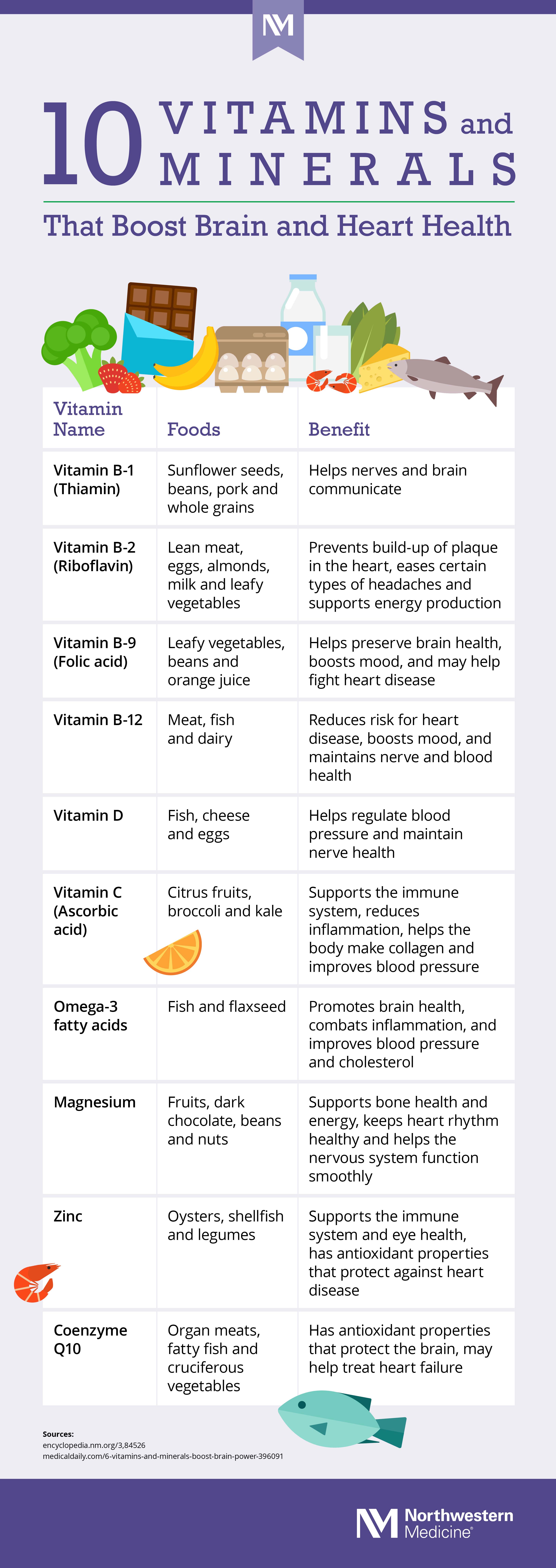
In the short term, vitamin deficiencies can manifest in some pretty noticeable ways. Feeling constantly fatigued? A lack of Vitamin B12 could be the culprit. Struggling with dry skin or brittle nails? Vitamins A, C, and E might be missing from your daily routine. Frequent headaches or muscle cramps? Magnesium, often paired with certain vitamins for optimal absorption, could be the key.

These immediate effects aren’t just about feeling a bit “off.” They can impact your daily life in significant ways. Imagine constantly battling fatigue at work, impacting your performance and potentially even your career. Or picture the frustration of persistent skin problems undermining your confidence and social interactions. These are the tangible consequences of overlooking your vitamin needs.

The Long Game: Why Vitamins Matter for Your Future Self

While the immediate effects are annoying, the long-term consequences of vitamin deficiencies are far more concerning. Over time, a lack of essential vitamins can contribute to a higher risk of chronic diseases like heart disease, osteoporosis, and certain types of cancer. Vitamin D deficiency, for example, is increasingly linked to increased susceptibility to autoimmune diseases and a weakened immune system overall.

Think of your body as a car. You can drive it for a while without changing the oil, but eventually, the engine will start to break down. Vitamins are like that essential oil – they keep everything running smoothly, preventing serious issues from developing down the line. Investing in your vitamin intake now is an investment in your long-term health and well-being.

Unlocking Your Potential: Practical Solutions for a Vitamin Boost

Okay, so you’re convinced vitamins are important. But where do you even begin? The good news is, boosting your vitamin intake doesn’t have to be complicated or expensive. Here are a few practical solutions you can easily incorporate into your daily life:

  • The Power of Food: This should always be your first line of defense. A balanced diet rich in fruits, vegetables, lean proteins, and whole grains is packed with vitamins and minerals.
    • Example: Instead of reaching for a sugary snack, grab an orange for a Vitamin C boost. Swap white bread for whole wheat to increase your B vitamin intake. Add spinach to your smoothie for a dose of Vitamin K and iron.
  • Strategic Supplementation: Sometimes, diet alone isn’t enough, especially if you have specific dietary restrictions or health conditions. In these cases, supplements can be a valuable tool.
    • Example: Vegans and vegetarians may need to supplement with Vitamin B12, as it’s primarily found in animal products. People living in northern climates with limited sun exposure often benefit from Vitamin D supplements.
    • Important Note: Always talk to your doctor or a registered dietitian before starting any new supplement regimen. They can help you determine which supplements are right for you and ensure they don’t interact with any medications you’re taking.
  • Fortified Foods: Many foods are fortified with vitamins and minerals to help bridge nutritional gaps.
    • Example: Breakfast cereals are often fortified with B vitamins and iron. Milk is fortified with Vitamin D. Check the nutrition labels on your favorite foods to see if they contain added vitamins.

Choosing Your Approach: Finding What Works for You

The beauty of this is that you have options! You don’t have to overhaul your entire life overnight. Here are a few different approaches you can take:

  • The Gradual Approach: Start by making small, incremental changes to your diet. Add one extra serving of fruits or vegetables each day. Swap out processed foods for whole, unprocessed options.
  • The Targeted Approach: Identify any specific vitamin deficiencies you might have based on your diet, lifestyle, or health conditions. Focus on incorporating foods or supplements rich in those particular vitamins.
  • The “All-In” Approach: If you’re feeling motivated, consider working with a registered dietitian to create a personalized meal plan that meets all of your vitamin and mineral needs.

Case Study: The Power of Vitamin D

Consider the case of Sarah, a 35-year-old office worker who constantly felt tired and struggled with frequent colds. After consulting her doctor, she discovered she was severely deficient in Vitamin D. She started taking a Vitamin D supplement and spending more time outdoors. Within a few weeks, her energy levels improved dramatically, and she noticed she was getting sick less often. Sarah’s experience highlights the significant impact even a single vitamin deficiency can have on your overall health and well-being.

Moving Forward: Your Journey to a Healthier, More Vibrant You

Unlocking your body’s hidden potential through vitamins is an ongoing journey, not a destination. It’s about making conscious choices each day to nourish your body and support its natural functions. Don’t be afraid to experiment, try new recipes, and find what works best for you.

Remember, even small changes can make a big difference. Start with one small step today – eat a colorful piece of fruit, add some leafy greens to your lunch, or schedule a check-up with your doctor to discuss your vitamin needs.

The path to a healthier, more vibrant you is paved with simple, consistent actions. By prioritizing your vitamin intake, you’re not just improving your physical health; you’re investing in your energy levels, your mental clarity, and your overall quality of life. So, take the first step, unlock your body’s hidden potential, and start feeling the difference! You’ve got this!


“`

Supplements: Hope or Hype?

Supplements: Hope or Hype?Supplements

Supplements: Hope or Hype?

Introduction

Ever walked down the supplement aisle at your local pharmacy or scrolled through an online health store and felt utterly overwhelmed? A rainbow of pills, powders, and potions promising everything from boundless energy to a ripped physique. It’s a multi-billion dollar industry built on the promise of enhancing our health and well-being. But the big question is: are these supplements truly the miracle cures they’re often touted to be, or are we just buying into clever marketing and empty promises?

Let’s be honest, we all crave that extra edge. In our fast-paced, demanding world, the allure of a quick fix is strong. Feeling sluggish? Pop a vitamin B12. Want to build muscle faster? Whey protein to the rescue! Trouble sleeping? Melatonin, here we come! Supplements seem like the easy answer to our health woes. But what if that ease comes at a price?

The Short-Term Allure, the Long-Term Risks

In the short term, some supplements *do* deliver noticeable effects. A caffeine boost might perk you up for that afternoon meeting, or a pre-workout can give you a temporary surge of energy at the gym. The problem is, these quick fixes often mask underlying issues. Are you chronically fatigued because of poor sleep, inadequate nutrition, or an underlying medical condition? Popping a B12 pill might give you a temporary boost, but it won’t address the root cause. This Band-Aid approach can lead to a vicious cycle of symptom management without tackling the real problem.

The long-term consequences can be even more concerning. Some supplements, particularly those taken in high doses or in combination with medications, can interact negatively with your body, potentially leading to liver damage, kidney problems, or even cardiovascular issues. The lack of stringent regulation in the supplement industry means that what you see on the label might not always be what you get in the bottle. Contamination, inaccurate ingredient lists, and misleading claims are all too common. This lack of transparency can put your health at serious risk.

Furthermore, relying too heavily on supplements can create a false sense of security. You might think you’re covered because you’re taking a multivitamin, but if your diet is still poor, you’re missing out on the vital synergistic benefits of whole foods. Nutrients in food work together, enhancing each other’s absorption and effectiveness in ways that isolated supplements simply can’t replicate.

Consider the case of a young athlete eager to gain muscle quickly. He starts taking a cocktail of protein powder, creatine, and a testosterone booster. Initially, he sees impressive gains, but over time, he develops liver problems and hormonal imbalances. The desire for a quick fix ultimately jeopardized his long-term health and well-being.

Navigating the Supplement Maze: Practical Solutions

So, how do you navigate the complex world of supplements? Here are some practical, applicable solutions to help you make informed choices:

  1. Food First, Always: This is the golden rule. Before reaching for a supplement, prioritize a balanced and nutritious diet rich in fruits, vegetables, lean protein, and whole grains. Food provides a wide array of essential vitamins, minerals, and antioxidants that are vital for optimal health. Think of supplements as *supplementing* a healthy diet, not replacing it.
    Example: Instead of reaching for a vitamin C supplement to boost your immune system, try incorporating citrus fruits, berries, and leafy greens into your daily diet.
  2. Identify Deficiencies (If Any): If you suspect you might be deficient in a particular nutrient, consult with your doctor or a registered dietitian. They can perform blood tests to identify any deficiencies and recommend appropriate supplementation based on your individual needs. Self-diagnosing and taking supplements without professional guidance can be risky.
    Example: Someone experiencing persistent fatigue might have a vitamin D deficiency, especially if they live in a region with limited sunlight. A blood test can confirm this, and a doctor can prescribe the correct dosage of vitamin D supplementation.
  3. Research, Research, Research: Not all supplements are created equal. Look for reputable brands that have been third-party tested for purity and potency. These tests verify that the supplement contains what it claims to contain and is free from contaminants. Resources like ConsumerLab.com and NSF International offer independent testing and certification for supplements.
    Example: When choosing a fish oil supplement, look for one that has been tested for mercury and other heavy metals.
  4. Be Wary of “Miracle Cures”: If a supplement promises dramatic results with little to no effort, be extremely skeptical. There’s no magic pill for instant weight loss, muscle gain, or disease prevention. If it sounds too good to be true, it probably is.
    Example: Beware of supplements that claim to “detoxify” your body. Your liver and kidneys are already designed to do that job.
  5. Consider Alternative Approaches: Before turning to supplements, explore alternative strategies for addressing your health concerns. For example, if you’re struggling with sleep, try improving your sleep hygiene (consistent sleep schedule, dark and quiet room, no screen time before bed) before resorting to melatonin.
    Example: Instead of relying on a pre-workout supplement for energy, try getting a good night’s sleep and fueling your body with a healthy meal before hitting the gym.

Alternative Approaches and Case Studies:

  • Mindfulness and Stress Reduction: Supplements marketed for stress relief often contain ingredients like ashwagandha or L-theanine. While these might offer some benefits, exploring mindfulness practices like meditation or yoga can be equally effective, without the potential side effects. A study published in the Journal of Alternative and Complementary Medicine found that mindfulness-based stress reduction significantly reduced anxiety and improved overall well-being in participants.
  • Exercise and Physical Activity: Instead of relying solely on protein supplements for muscle growth, focus on a balanced resistance training program and ensure you’re consuming enough protein through your diet. A study in the Journal of Applied Physiology showed that combining resistance training with adequate protein intake (around 1.6 grams per kilogram of body weight) resulted in significant muscle growth, regardless of supplement use.
  • Holistic Nutrition Consultations: Seek out a registered dietitian who can assess your dietary habits and identify any potential nutrient deficiencies. They can provide personalized recommendations for improving your diet and, if necessary, suggest appropriate supplements.

Taking Control: From Hype to Hope

The world of supplements can be a confusing place, filled with hype and misleading claims. However, by adopting a critical mindset, prioritizing a healthy lifestyle, and seeking professional guidance when needed, you can navigate this landscape effectively.

Remember, supplements are just one piece of the puzzle. True health and well-being come from a holistic approach that encompasses a balanced diet, regular exercise, stress management, and adequate sleep. By focusing on these fundamental pillars of health, you can build a strong foundation that minimizes your reliance on supplements and empowers you to take control of your well-being.

Don’t let the allure of quick fixes and miracle cures cloud your judgment. Educate yourself, be skeptical of outlandish claims, and prioritize a holistic approach to health. By doing so, you can transform supplements from a source of hype and confusion into a tool that genuinely supports your well-being. The power to choose wisely is in your hands, so embrace it and embark on a journey towards a healthier, more informed you.

Science: Unraveling Tomorrow.

Science: Unraveling TomorrowScience Image

Science: Unraveling Tomorrow

Introduction

Ever stop to wonder what the future holds? Not in a crystal ball, fortune teller kind of way, but in a tangible, “what’s-being-cooked-up-in-the-lab-right-now” kind of way? Because honestly, the future isn’t some distant, hazy concept anymore. Science is already here, unraveling tomorrow, one discovery at a time. And trust me, what’s on the horizon is both mind-blowing and deeply relevant to our lives, right now and for generations to come.

Think about it: where were we 20 years ago? Smartphones were just a twinkle in an engineer’s eye. Social media was something you did with your friends in real life. Self-driving cars were the stuff of science fiction. Now, all of these things are integral parts of our daily routine. Science is constantly pushing the boundaries of what’s possible, reshaping our world at an accelerating pace.

But it’s not just about shiny new gadgets and technological leaps. Science is also tackling some of humanity’s biggest challenges. From climate change to disease eradication, the quest for knowledge is driving innovation that has the power to transform our existence for the better. So, let’s dive into some of the most exciting areas where science is actively unraveling tomorrow, exploring both the challenges and the incredible solutions being developed.

The Climate Crossroads: A Race Against Time

Let’s be honest, climate change isn’t some distant threat looming on the horizon. It’s here, it’s now, and its impacts are becoming increasingly visible: rising sea levels, extreme weather events, and disruptions to ecosystems. In the short term, these changes mean more frequent and intense natural disasters, impacting communities, infrastructure, and economies. Long-term, unchecked climate change could lead to irreversible environmental damage, mass displacement, and global instability.

The good news? Science is fighting back. And the solutions are multifaceted, ranging from groundbreaking technological advancements to behavioral changes we can all adopt.

  • Renewable Energy Revolution: Solar, wind, and geothermal energy are no longer niche alternatives; they are becoming increasingly cost-effective and efficient. The development of better battery storage solutions, like Tesla’s Megapack, is crucial for ensuring a stable and reliable power supply from these intermittent sources. Example: Denmark has shown the world what’s possible. They already generate over 50% of their electricity from wind and solar.
  • Carbon Capture and Storage (CCS): This technology aims to capture carbon dioxide emissions from industrial sources and store them underground, preventing them from entering the atmosphere. While still in its early stages, CCS holds enormous potential for mitigating the impact of fossil fuel use. Example: The Boundary Dam project in Saskatchewan, Canada, is one of the first large-scale CCS plants in the world.
  • Sustainable Agriculture: Shifting towards more sustainable farming practices, such as no-till farming, cover cropping, and precision irrigation, can help reduce greenhouse gas emissions from agriculture, improve soil health, and enhance biodiversity. Example: Regenerative agriculture, which focuses on restoring soil health, is gaining momentum as a holistic approach to climate-friendly farming.
  • Individual Action: The Power of Collective Choice: While large-scale solutions are essential, individual actions can also make a significant difference. Reducing your carbon footprint by choosing sustainable transportation options, consuming less meat, and reducing waste can collectively contribute to a more sustainable future.

Healthcare Horizons: Living Longer, Living Better

Science is also revolutionizing healthcare, promising not just longer lifespans, but also healthier and more fulfilling lives. In the short term, this means faster diagnoses, more effective treatments, and personalized medicine tailored to individual needs. Long-term, we’re talking about conquering previously incurable diseases, extending the human lifespan, and even preventing age-related decline.

  • Precision Medicine: Gone are the days of “one-size-fits-all” treatments. Precision medicine uses an individual’s genetic makeup, lifestyle, and environment to tailor medical treatments specifically for them. This approach can lead to more effective treatments with fewer side effects. Example: Cancer treatments are increasingly personalized based on the genetic profile of the tumor, allowing doctors to target the cancer cells more effectively.
  • Gene Editing (CRISPR): This revolutionary technology allows scientists to precisely edit genes, offering the potential to cure genetic diseases and even enhance human capabilities. While still in its early stages, CRISPR holds immense promise for treating a wide range of conditions. Example: Clinical trials are underway using CRISPR to treat genetic diseases like sickle cell anemia and cystic fibrosis.
  • Artificial Intelligence (AI) in Healthcare: AI is transforming healthcare in numerous ways, from assisting with diagnoses and drug discovery to developing personalized treatment plans and monitoring patient health. AI-powered tools can analyze vast amounts of data to identify patterns and insights that would be impossible for humans to detect. Example: AI algorithms are being used to detect cancer in medical images with greater accuracy and speed than human radiologists.
  • Lifestyle as Medicine: We’re increasingly recognizing the profound impact of lifestyle choices on our health. Eating a healthy diet, exercising regularly, managing stress, and getting enough sleep can prevent many chronic diseases and improve overall well-being.

Beyond the Horizon: The Future is Now

These are just a few examples of the incredible advancements happening in science right now. From sustainable technologies to breakthroughs in healthcare, science is actively unraveling tomorrow, offering solutions to some of humanity’s most pressing challenges.

The short-term impacts of these advancements are already being felt, with improved healthcare outcomes, cleaner energy sources, and more sustainable practices. But the long-term potential is even more transformative, promising a future where we can live longer, healthier, and more fulfilling lives on a more sustainable planet.

So, what can you do? Stay informed, support scientific research, and embrace sustainable practices in your daily life. The future is not something that happens to us; it’s something we create. And with science as our guide, we can unravel tomorrow and build a better world for ourselves and for generations to come. The journey is underway and every step counts towards a brighter, scientifically driven future.

Dementia: Stealing Memories, Erasing Lives.

Dementia: Stealing Memories, Erasing LivesDementia Image

Dementia: Stealing Memories, Erasing Lives

Introduction

Imagine your most cherished memory. Maybe it’s the day your child was born, a perfect sunset on a dream vacation, or a simple, laughter-filled evening with loved ones. Hold onto that thought for a moment, and now imagine it slowly fading, becoming blurry, and eventually disappearing altogether. That, in essence, is the cruel reality of dementia.

Dementia isn’t a single disease, but rather an umbrella term for a range of conditions that cause a decline in cognitive function, impacting memory, thinking, behavior, and the ability to perform everyday activities. Alzheimer’s disease is the most common type, accounting for a significant percentage of dementia cases. But regardless of the specific cause, the consequences are devastating, impacting not only the individual diagnosed but their families and communities as well.

The Short-Term Impacts: A Daily Struggle

The immediate effects of dementia can be incredibly disruptive. Simple tasks that were once automatic, like preparing a meal, remembering appointments, or even finding the right words, become monumental challenges. Imagine the frustration of forgetting the name of a close family member or getting lost in your own neighborhood. These daily struggles can lead to:

  • Increased Anxiety and Depression: The constant confusion and loss of independence can be incredibly disheartening, leading to anxiety, depression, and feelings of helplessness.
  • Behavioral Changes: Dementia can alter personality and behavior. Irritability, aggression, restlessness, and wandering are common symptoms that can be difficult to manage for both the individual and their caregivers.
  • Strain on Relationships: The demands of caring for someone with dementia can put a significant strain on relationships. Spouses, children, and other family members often become overwhelmed by the responsibility, leading to exhaustion, resentment, and emotional distress.
  • Financial Burden: The cost of care for individuals with dementia can be substantial. In-home care, assisted living facilities, and specialized medical treatments can quickly deplete savings and create financial hardship for families.

The Long-Term Impacts: A Fading Identity

As dementia progresses, the impact becomes even more profound. The person you once knew gradually disappears, replaced by someone who is increasingly dependent on others for basic needs. This long-term erosion can lead to:

  • Loss of Independence: Individuals with advanced dementia eventually lose the ability to care for themselves, requiring constant supervision and assistance with eating, bathing, dressing, and toileting.
  • Communication Difficulties: Language skills deteriorate, making it increasingly difficult to communicate with loved ones. This can lead to isolation and a sense of disconnection.
  • Increased Risk of Complications: Dementia can increase the risk of falls, infections, and other health complications, requiring frequent hospitalizations and medical interventions.
  • Emotional Toll on Caregivers: The long-term commitment of caring for someone with dementia can take a tremendous emotional toll on caregivers, leading to burnout, social isolation, and a decline in their own physical and mental health.

Hope Amidst the Darkness: Practical Solutions and Approaches

While there is currently no cure for most forms of dementia, there are strategies that can help manage symptoms, improve quality of life, and support both individuals living with dementia and their caregivers.

  • Early Diagnosis and Intervention: Recognizing the early signs of dementia and seeking medical attention is crucial. An early diagnosis allows for timely intervention, which can help slow the progression of the disease and provide access to support services.
    • Example: A family noticed that their mother was increasingly forgetful and having difficulty managing her finances. They consulted a doctor, who diagnosed her with early-stage Alzheimer’s disease. Early intervention with medication and cognitive therapies helped to slow the progression of the disease and allowed her to maintain a greater level of independence for a longer period.
  • Medication Management: While medication cannot cure dementia, it can help manage certain symptoms, such as memory loss, anxiety, and depression.
    • Important Note: It’s crucial to work closely with a doctor to determine the appropriate medication regimen and monitor for any side effects.
  • Lifestyle Modifications: Certain lifestyle changes can help improve cognitive function and overall well-being.
    • Regular Exercise: Physical activity has been shown to improve blood flow to the brain and reduce the risk of cognitive decline.
    • Healthy Diet: A balanced diet rich in fruits, vegetables, and healthy fats can support brain health.
    • Mental Stimulation: Engaging in mentally stimulating activities, such as reading, puzzles, and learning new skills, can help keep the brain active and engaged.
    • Social Engagement: Maintaining social connections and participating in social activities can help combat isolation and promote mental well-being.
  • Creating a Supportive Environment: Modifying the home environment to make it safer and more accessible can help individuals with dementia maintain their independence and reduce the risk of accidents.
    • Examples: Installing grab bars in the bathroom, removing tripping hazards, and labeling drawers and cabinets can make a significant difference.
  • Caregiver Support: Caregivers play a vital role in the lives of individuals with dementia, and it’s essential that they have access to the support they need to avoid burnout.
    • Support Groups: Connecting with other caregivers through support groups can provide a sense of community and allow caregivers to share their experiences and learn from one another.
    • Respite Care: Respite care provides temporary relief for caregivers, allowing them to take a break and recharge.
    • Professional Counseling: Counseling can help caregivers cope with the emotional challenges of caring for someone with dementia.
  • Communication Strategies: Learning effective communication strategies can help caregivers better understand and respond to the needs of individuals with dementia.
    • Tips: Speak clearly and slowly, use simple language, and avoid asking open-ended questions.
  • Person-Centered Care: Focusing on the individual’s strengths, preferences, and values can help maintain their sense of identity and dignity.
    • Example: A nursing home implemented a person-centered care program that allowed residents with dementia to participate in activities that were meaningful to them, such as gardening, cooking, and listening to music. This helped to improve their mood, reduce their agitation, and enhance their overall quality of life.

Alternative Approaches

  • Music Therapy: Music has a powerful effect on the brain and can evoke memories, reduce anxiety, and improve mood in individuals with dementia.
  • Art Therapy: Engaging in creative activities can provide a non-verbal outlet for expression and help individuals with dementia connect with their emotions.
  • Pet Therapy: Interacting with animals can provide comfort, companionship, and a sense of purpose for individuals with dementia.

A Future of Hope and Action

Dementia is a formidable challenge, but it’s not insurmountable. By increasing awareness, promoting early diagnosis, and providing comprehensive support to individuals living with dementia and their caregivers, we can make a meaningful difference in their lives.

We can all play a part in creating a more dementia-friendly society. Whether it’s volunteering at a local Alzheimer’s association, advocating for increased research funding, or simply being more understanding and compassionate towards those affected by dementia, every action counts.

Let’s work together to shine a light on this devastating disease, celebrate the lives of those affected, and strive towards a future where dementia no longer steals memories and erases lives. The fight is not over, and with continued research, innovation, and compassion, we can offer hope and a better quality of life for those living with dementia and their families. Let’s make that happen.

Parkinson’s: Stealing Time, Demanding Answers.

Parkinson’sParkinson's Image

Parkinson’s: Stealing Time, Demanding Answers

Introduction

Imagine a life where everyday tasks, things you barely even think about – tying your shoelaces, writing a grocery list, even simply pouring a cup of coffee – slowly become monumental challenges. That’s the reality for millions living with Parkinson’s disease, a progressive neurological disorder that, bit by bit, steals away their time, independence, and peace of mind.

Parkinson’s isn’t just about tremors, although that’s often the first symptom that comes to mind. It’s a complex condition impacting movement, but also affecting cognitive function, sleep, mood, and so much more. It’s a thief that creeps in subtly, initially perhaps dismissed as age-related stiffness or a bit of a shaky hand. But as it progresses, the impact on daily life becomes undeniable.

The Short-Term Pinch: Living in the Now with Parkinson’s

In the immediate term, Parkinson’s can be incredibly disruptive. Think about the frustration of needing to take twice as long to get ready in the morning because buttoning a shirt suddenly feels like a Herculean feat. Imagine the anxiety of losing your balance easily, constantly fearing a fall.

The practical challenges extend far beyond physical limitations. Communication can become strained as speech becomes slurred or monotone. Everyday errands like grocery shopping can become overwhelming due to fatigue and mobility issues. The social impact is also significant. People with Parkinson’s may withdraw from activities they once enjoyed, leading to feelings of isolation and loneliness.

Consider Maria, a retired teacher who loved volunteering at the local library. In the early stages of her Parkinson’s, her handwriting deteriorated, making it difficult to help children with their reading. The fatigue also meant she couldn’t stand for long periods shelving books. Heartbroken, she reluctantly had to give up her volunteer work, a loss that impacted her social life and sense of purpose.

The Long-Term Shadow: Facing the Future with Parkinson’s

The long-term implications of Parkinson’s are even more profound. As the disease progresses, the need for assistance increases, placing a significant burden on caregivers and families. Cognitive decline can occur, affecting memory, attention, and decision-making.

Financially, the costs can be staggering. The price of medications, assistive devices, and long-term care can quickly deplete savings. The emotional toll is also immense, both for the person with Parkinson’s and their loved ones. Dealing with a chronic, progressive illness requires immense resilience and support.

Think about David, a successful businessman who was diagnosed with Parkinson’s in his early 50s. While he initially managed his symptoms with medication, over time, his motor skills deteriorated, forcing him to retire early. He faced not only the physical challenges of the disease but also the emotional blow of losing his career and sense of identity. His wife, Sarah, became his primary caregiver, juggling her own career with his increasing needs. The stress took a toll on their relationship and their financial stability.

Demanding Answers: Practical Solutions and Hope for the Future

While there’s currently no cure for Parkinson’s, there are ways to manage symptoms, improve quality of life, and reclaim some of that stolen time. The key is to adopt a proactive and multi-faceted approach:

  1. Medication Management: Working with Your Doctor

    Medications, primarily levodopa and dopamine agonists, can help to manage motor symptoms like tremors, rigidity, and slowness of movement. However, these medications can have side effects, and their effectiveness may decrease over time.

    • Solution: Work closely with a neurologist specializing in Parkinson’s to find the optimal medication regimen. Regular check-ups are crucial for monitoring side effects and adjusting dosages as needed. Consider keeping a detailed symptom diary to track medication effectiveness and identify any patterns.
  2. Exercise and Physical Therapy: Moving Your Body, Moving Your Mind

    Exercise is arguably one of the most effective non-pharmacological interventions for Parkinson’s. It can improve motor skills, balance, flexibility, and overall well-being.

    • Solution: Engage in regular exercise, including aerobic activities like walking, swimming, or cycling, as well as strength training and flexibility exercises like yoga or Tai Chi. Consider working with a physical therapist specializing in Parkinson’s to develop a personalized exercise program tailored to your specific needs and abilities. Programs like LSVT BIG and PWR!Moves are specifically designed to address the movement challenges associated with Parkinson’s.
    • Example: A study showed that Parkinson’s patients who participated in a supervised exercise program three times a week experienced significant improvements in motor function and quality of life compared to those who didn’t.
  3. Occupational Therapy: Adapting Your Environment and Skills

    Occupational therapy can help you adapt your environment and learn new strategies to perform daily tasks more easily and safely.

    • Solution: Consult with an occupational therapist to assess your needs and develop strategies for managing everyday activities. This may involve modifying your home to make it more accessible, using assistive devices like button hooks or specialized utensils, and learning techniques to conserve energy.
    • Example: An occupational therapist helped John, who struggled with tremors, learn to use a weighted spoon and a non-slip mat to eat independently, significantly improving his quality of life and reducing his dependence on others.
  4. Speech Therapy: Finding Your Voice Again

    Parkinson’s can affect speech, leading to slurred speech, a monotone voice, and difficulty projecting your voice.

    • Solution: Work with a speech therapist to improve your communication skills. Techniques like the Lee Silverman Voice Treatment (LSVT LOUD) can help increase vocal loudness, clarity, and intonation.
    • Example: Sarah, who had difficulty being heard, attended LSVT LOUD sessions and regained confidence in her ability to communicate effectively, allowing her to participate more fully in social situations.
  5. Nutrition: Fueling Your Body and Brain

    A healthy diet can play a vital role in managing Parkinson’s symptoms and maintaining overall health.

    • Solution: Focus on a balanced diet rich in fruits, vegetables, whole grains, and lean protein. Ensure adequate fiber intake to prevent constipation, a common symptom of Parkinson’s. Consider consulting with a registered dietitian specializing in Parkinson’s to develop a personalized meal plan.
    • Important Note: Levodopa can be affected by protein intake, so it’s important to discuss timing medication with meals.
  6. Support Groups and Community: Connecting with Others

    Living with Parkinson’s can be isolating, but you’re not alone. Connecting with others who understand what you’re going through can provide invaluable support and encouragement.

    • Solution: Join a local Parkinson’s support group or connect with online communities. Share your experiences, learn from others, and build a network of support. Organizations like the Parkinson’s Foundation and the Michael J. Fox Foundation offer a wealth of resources and support programs.
  7. Mind-Body Practices: Finding Calm and Focus

    Stress can exacerbate Parkinson’s symptoms. Mind-body practices like meditation, yoga, and deep breathing exercises can help reduce stress, improve mood, and enhance overall well-being.

    • Solution: Incorporate regular mind-body practices into your routine. Even a few minutes of daily meditation can make a significant difference.

Looking Ahead: Hope and Action

Living with Parkinson’s is undoubtedly challenging, but it doesn’t have to define your life. By adopting a proactive approach, embracing available treatments, and connecting with support, you can reclaim control and live a fulfilling life.

Research is continually advancing, with promising new therapies on the horizon. From gene therapies to advanced surgical techniques, scientists are working tirelessly to find a cure and improve the lives of those living with Parkinson’s.

The key is to stay informed, stay engaged, and stay hopeful. Demand answers, advocate for yourself and others, and never give up on the possibility of a brighter future. Parkinson’s may steal time, but it doesn’t have to steal your spirit. Take action today to reclaim your time and live your life to the fullest.

Cancer: Stealing Time, Demanding a Cure.

Cancer: Stealing Time, Demanding a CureCancer Cell Illustration

Cancer: Stealing Time, Demanding a Cure

Introduction

Cancer. The word itself carries a weight, a shadow that darkens lives and disrupts futures. It’s a thief, silently creeping in and stealing precious moments, milestones, and memories. It’s not just a physical disease; it’s an emotional and psychological burden that impacts individuals, families, and communities. It’s a relentless adversary, and frankly, we’re tired of it.

We all know someone touched by cancer, maybe a family member, a friend, a colleague, or even ourselves. That familiarity doesn’t make it any less devastating. It’s a stark reminder of our mortality, a harsh reality check that forces us to confront the fragility of life. But while cancer can steal time, it doesn’t have to steal hope. The fight for a cure continues, fueled by innovation, dedication, and an unwavering belief that a future free from cancer is possible.

The Short-Term Pain, the Long-Term Scars

The immediate impact of a cancer diagnosis is often overwhelming. Imagine receiving that news. The initial shock, the fear, the uncertainty about the future – it’s a whirlwind of emotions. In the short term, individuals grapple with demanding treatment schedules, debilitating side effects, and the emotional toll of navigating a changed identity. Relationships are strained, finances are stretched, and the simple joys of life can feel distant and unattainable.

But the impact stretches far beyond the immediate diagnosis. Cancer leaves long-term scars, both physical and emotional. Survivors may face chronic pain, fatigue, and other lasting health issues. The fear of recurrence can linger for years, casting a shadow over every check-up and every ache or pain. The emotional trauma of the experience can lead to anxiety, depression, and a sense of vulnerability that never fully disappears.

And it’s not just the individual who suffers. Families become caregivers, juggling work, responsibilities, and the emotional needs of their loved one. Children may struggle to understand what’s happening, feeling scared and confused. The financial burden of treatment can be crushing, leading to debt and hardship. Cancer’s reach extends far beyond the patient, leaving a trail of devastation in its wake.

Fighting Back: Practical Solutions and Hopeful Approaches

So, what can we do? How can we fight back against this relentless disease and reclaim the time it steals? The answer lies in a multi-pronged approach, focusing on prevention, early detection, innovative treatments, and comprehensive support for those affected.

  1. Prevention: Lifestyle Choices That Matter:
    • Healthy Diet: Load up on fruits, vegetables, and whole grains. Limit processed foods, red meat, and sugary drinks. Think of your plate as an investment in your long-term health.
    • Regular Exercise: Aim for at least 30 minutes of moderate-intensity exercise most days of the week. Whether it’s a brisk walk, a bike ride, or a dance class, find an activity you enjoy and make it a habit.
    • Avoid Tobacco: Smoking is the leading cause of preventable cancer deaths. If you smoke, quitting is the single best thing you can do for your health. Resources are available to help you quit; don’t be afraid to reach out.
    • Limit Alcohol Consumption: Excessive alcohol consumption increases the risk of several types of cancer. Moderation is key.

Case Study: The Blue Zones, regions around the world where people live significantly longer and healthier lives, emphasize plant-based diets, regular physical activity, and strong social connections. These lifestyle factors contribute to a lower cancer risk in these populations.

  1. Early Detection: Knowing Your Body, Scheduling Screenings:
    • Know Your Family History: Understanding your family’s history of cancer can help you assess your risk and determine the appropriate screening schedule.
    • Follow Recommended Screening Guidelines: Consult with your doctor about which screenings are right for you based on your age, sex, and risk factors. Common screenings include mammograms, colonoscopies, and Pap tests.
    • Be Aware of Your Body: Pay attention to any unusual changes in your body, such as unexplained weight loss, persistent pain, or changes in bowel habits. Don’t ignore these symptoms; see your doctor promptly.

Example: Regular mammograms have significantly reduced breast cancer mortality rates by detecting tumors at an earlier, more treatable stage.

  1. Innovative Treatments: The Cutting Edge of Cancer Care:
    • Targeted Therapy: These drugs target specific molecules involved in cancer growth and spread, minimizing damage to healthy cells.
    • Immunotherapy: This revolutionary approach harnesses the power of the immune system to fight cancer. It has shown remarkable success in treating certain types of cancer.
    • Precision Medicine: This approach tailors treatment to the individual patient based on their genetic profile and the specific characteristics of their cancer.
    • Clinical Trials: Consider participating in a clinical trial. These trials offer access to the latest treatments and contribute to advancing cancer research.

Case Study: CAR-T cell therapy, a type of immunotherapy, has shown remarkable results in treating certain types of leukemia and lymphoma, offering hope to patients who have not responded to other treatments.

  1. Comprehensive Support: Addressing the Emotional and Practical Needs:
    • Support Groups: Connecting with other cancer patients and survivors can provide invaluable emotional support and a sense of community.
    • Mental Health Professionals: Therapy and counseling can help patients and their families cope with the emotional distress of cancer.
    • Financial Assistance Programs: Many organizations offer financial assistance to help cover the costs of treatment and living expenses.
    • Caregiver Support: Caregivers also need support. Respite care, support groups, and counseling can help them avoid burnout and maintain their own well-being.

Alternative Approaches: Exploring Complementary Therapies:

  • Acupuncture: Can help alleviate pain, nausea, and fatigue.
  • Yoga and Meditation: Can reduce stress and improve mood.
  • Massage Therapy: Can relieve muscle tension and improve circulation.

Important Note: Always discuss any complementary therapies with your doctor before trying them.

Reclaiming Time, Embracing Hope

Cancer is a formidable opponent, but it’s not invincible. By embracing prevention, early detection, innovative treatments, and comprehensive support, we can fight back and reclaim the time it steals. The journey may be challenging, but it’s one we must undertake with courage, determination, and unwavering hope.

The fight against cancer is a collective effort. It requires the dedication of researchers, healthcare professionals, patients, families, and the entire community. Every donation, every volunteer hour, every act of kindness makes a difference.

Don’t let cancer steal your time or your hope. Take control, make informed choices, and support those affected by this disease. Together, we can create a future where cancer is no longer a death sentence, but a manageable condition, or even better, a distant memory. The time to act is now. Let’s demand a cure and reclaim the future.