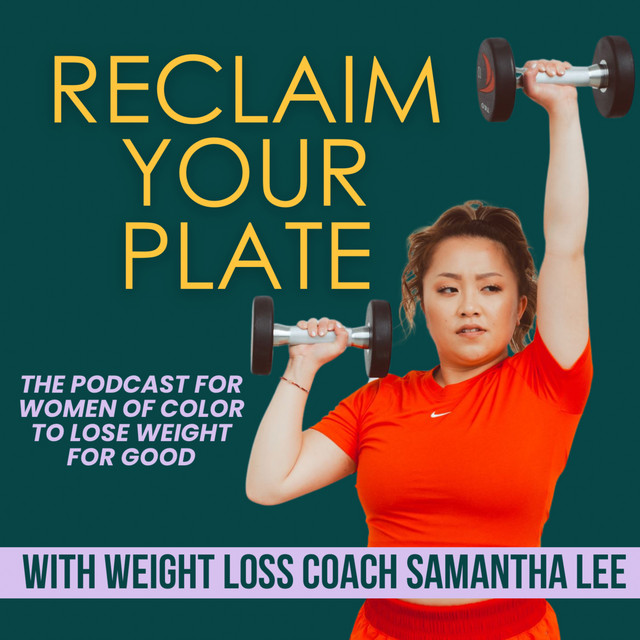
Diet: Reclaim Your Plate, Reclaim Your Life
Introduction
Ever feel like your diet is running you, instead of the other way around? Like you’re trapped in a never-ending cycle of cravings, guilt, and maybe even a little bit of despair? You’re not alone. We live in a world overflowing with processed foods, confusing information, and relentless marketing that preys on our weaknesses. But what if I told you that taking control of your diet isn’t about deprivation and endless salads? What if it’s about empowering yourself to live a healthier, happier, and more fulfilling life?
It’s time to reclaim your plate, and in doing so, reclaim your life.
The Ripple Effect: Short-Term and Long-Term Impacts
Let’s face it, the immediate consequences of a less-than-stellar diet are often pretty obvious. Maybe it’s the afternoon slump after a sugary lunch, the bloating after a greasy meal, or the general feeling of sluggishness that just won’t quit. These short-term effects, while annoying, are often brushed aside. We tell ourselves it’s just a “one-off,” or that we’ll “get back on track tomorrow.”
But these “one-offs” add up. Think of it like a dripping faucet. One drop might not seem like much, but over time, it fills a bucket. Similarly, consistently making poor dietary choices starts to erode our health and well-being in more profound ways.
In the long run, a consistently poor diet can contribute to a whole host of serious health issues. We’re talking increased risk of heart disease, type 2 diabetes, certain types of cancer, and even mental health problems like depression and anxiety. It’s not just about the number on the scale, although that can certainly be affected. It’s about your energy levels, your sleep quality, your mood, and ultimately, your ability to enjoy life to the fullest.
Think of it this way: food is fuel. Just like a car needs the right fuel to run smoothly, our bodies need the right nutrients to function optimally. Putting in low-quality fuel will eventually lead to breakdowns and expensive repairs.
The good news is that the opposite is also true. Making positive dietary changes, even small ones, can have a significant and lasting impact on your health and well-being.
Reclaiming Your Plate: Practical Solutions You Can Implement Today
So, how do you actually reclaim your plate and break free from the cycle of unhealthy eating? Here are some practical, actionable strategies you can start implementing today:
- Start with Small, Sustainable Changes: Don’t try to overhaul your entire diet overnight. That’s a recipe for burnout. Instead, focus on making one or two small, sustainable changes each week. For example, swap sugary drinks for water, add a serving of vegetables to each meal, or choose whole-grain bread over white bread. These small changes will add up over time and create a solid foundation for long-term success.
- Example: Instead of having a soda with lunch, try sparkling water with a slice of lemon or lime. The fizz will satisfy the craving, and you’ll be cutting out a ton of sugar.
- Plan Your Meals: Meal planning is your secret weapon against impulse eating and unhealthy choices. Take some time each week to plan out your meals for the upcoming days. This will help you stay on track and ensure that you’re eating a balanced and nutritious diet.
- Example: On Sunday evening, spend an hour planning your meals for the week. Write down your grocery list and then head to the store. Having healthy ingredients readily available will make it much easier to stick to your plan.
- Read Food Labels: Become a label detective! Pay attention to serving sizes, calories, added sugars, and sodium content. You might be surprised at what you find.
- Example: Compare two different brands of yogurt. One might have significantly more added sugar than the other. Choose the lower-sugar option.
- Cook More Often: Cooking at home gives you complete control over the ingredients in your food. You can choose healthier options and avoid processed ingredients and unhealthy fats. Plus, it can be a fun and rewarding experience!
- Example: Try making a simple stir-fry with lots of vegetables, lean protein, and a light sauce. It’s quick, easy, and packed with nutrients.
- Listen to Your Body: Pay attention to your body’s hunger and fullness cues. Eat when you’re hungry and stop when you’re satisfied, not stuffed.
- Example: Before reaching for a snack, ask yourself if you’re truly hungry or just bored. If you’re hungry, choose a healthy snack like an apple or a handful of nuts.
- Don’t Be Afraid to Indulge (Occasionally!): Completely depriving yourself of your favorite foods is a surefire way to derail your efforts. Allow yourself to indulge in moderation.
- Example: If you love chocolate, allow yourself a small piece of dark chocolate after dinner a few times a week.
Alternative Approaches: Find What Works for You
There’s no one-size-fits-all approach to diet. What works for one person might not work for another. Here are some alternative approaches to consider:
- Mindful Eating: Focus on savoring each bite and paying attention to your body’s signals. This can help you eat less and feel more satisfied.
- Intermittent Fasting: This involves cycling between periods of eating and fasting. It can be effective for weight loss and improving insulin sensitivity, but it’s not for everyone.
- Mediterranean Diet: This diet emphasizes fruits, vegetables, whole grains, legumes, nuts, seeds, and olive oil. It’s linked to a reduced risk of heart disease and other chronic diseases.
- Vegetarian or Vegan Diet: These diets exclude meat and, in the case of vegan diets, all animal products. They can be very healthy if planned properly.
Case Study: Maria’s Transformation
Maria, a busy working mom, felt constantly tired and overwhelmed. She relied on processed foods and takeout for convenience, and she knew her diet was contributing to her lack of energy and overall unhappiness. She started by making one small change each week. First, she swapped sugary sodas for water. Then, she started packing her lunch instead of eating out. Gradually, she incorporated more fruits and vegetables into her meals and started cooking at home more often. Within a few months, Maria had lost weight, her energy levels had soared, and she felt more in control of her life than ever before. She had successfully reclaimed her plate and, in doing so, reclaimed her life.
Reclaim Your Power, Reclaim Your Life
Reclaiming your plate is not about perfection; it’s about progress. It’s about making conscious choices that nourish your body and support your overall well-being. It’s about understanding that food is more than just fuel; it’s an experience, a connection, and a source of nourishment.
It’s about taking control of your health and your life. You have the power to make positive changes, one bite at a time. Embrace the journey, be patient with yourself, and celebrate your successes along the way. You deserve to feel your best, and reclaiming your plate is the first step towards achieving that goal. So, go ahead, reclaim your plate and reclaim your life. The power is in your hands!