Jesus Steeves

Science: Unveiling the Universe, One Mystery at a Time.

Science: Unveiling the UniverseEuclid Horsehead Nebula

Science: Unveiling the Universe, One Mystery at a Time

Introduction

Ever looked up at the night sky, speckled with countless stars, and felt a sense of wonder? Or perhaps pondered how a tiny seed sprouts into a towering tree? That, my friends, is the magic of science at play. It’s the relentless human drive to understand the ‘why’ and ‘how’ of everything around us, from the smallest subatomic particle to the grandest cosmic structures. It’s a journey of discovery, a constant unraveling of mysteries, one fascinating piece at a time.

Science isn’t some dusty textbook filled with complex equations. It’s a living, breathing process that impacts our lives every single day, often in ways we don’t even realize. It’s in the smartphone in your pocket, the medicine in your cabinet, and the food on your plate. But beyond the immediate comforts and conveniences, science is shaping our future in profound ways, tackling some of humanity’s biggest challenges and pushing the boundaries of what’s possible.

The Problems We Face: A Ripple Effect

Let’s be honest, the world isn’t perfect. We face a multitude of problems, many of which science is actively working to solve. Climate change, for example, is perhaps the most pressing issue of our time. The relentless burning of fossil fuels has led to a dramatic increase in greenhouse gases, causing global temperatures to rise, ice caps to melt, and sea levels to creep upwards.

The short-term impacts are already visible: more frequent and intense heatwaves, devastating wildfires, and increased flooding. These events disrupt communities, displace populations, and cause billions of dollars in damage. But the long-term consequences are even more alarming. We’re talking about potentially irreversible changes to ecosystems, mass extinctions of species, and a planet that becomes increasingly uninhabitable for future generations.

Another critical challenge is food security. With a rapidly growing global population, we need to find ways to produce more food, more efficiently, and more sustainably. Traditional farming methods are often resource-intensive and environmentally damaging, contributing to soil erosion, water pollution, and deforestation.

In the short term, this leads to food shortages, price volatility, and increased hunger in vulnerable populations. Long term, it threatens the very foundation of our society, leading to potential social unrest and conflict over scarce resources. Moreover, as food and supplements are not well checked around the world, there may be negative impacts on consumers.

And then there’s the constant battle against diseases. From emerging viruses like COVID-19 to the growing threat of antibiotic-resistant bacteria, we’re constantly facing new health challenges. The short-term impact of pandemics can be devastating, overwhelming healthcare systems, disrupting economies, and causing widespread suffering. Long term, these challenges require continuous investment in research and development to create new vaccines, therapies, and diagnostic tools.

These are just a few examples of the critical problems that science is actively trying to address. The good news is that we are not helpless. Science provides us with the tools and knowledge to tackle these challenges head-on, but it requires a concerted effort from scientists, policymakers, and individuals alike.

Solutions: A Multi-Pronged Approach

So, what can we do? Fortunately, science offers a range of potential solutions, each with its own strengths and weaknesses. The key is to adopt a multi-pronged approach that leverages the best of what science has to offer.

  • Renewable Energy Transition: The most obvious solution to climate change is to transition away from fossil fuels and towards renewable energy sources like solar, wind, and geothermal. Technological advancements have made these sources increasingly affordable and efficient.
    • Example: The development of more efficient solar panels and larger, more powerful wind turbines has dramatically reduced the cost of renewable energy in recent years. Countries like Denmark and Germany are leading the way in renewable energy adoption, demonstrating the feasibility of a transition to a clean energy economy.
  • Sustainable Agriculture Practices: To address food security, we need to adopt more sustainable agricultural practices. This includes things like precision farming, which uses technology to optimize resource use; crop rotation, which helps to improve soil health; and integrated pest management, which minimizes the use of harmful pesticides.
    • Example: Vertical farming, where crops are grown in stacked layers indoors, is an innovative approach that can significantly increase yields while reducing water consumption and land use. Companies like AeroFarms are pioneering this technology, demonstrating its potential to revolutionize food production.
  • Biotechnology and Genetic Engineering: Biotechnology and genetic engineering offer powerful tools for developing crops that are more resilient to climate change, resistant to pests, and more nutritious.
    • Example: Golden Rice, a genetically engineered variety of rice that is enriched with Vitamin A, has the potential to combat Vitamin A deficiency in developing countries, a major cause of blindness and other health problems.
  • Personal Actions: Reducing energy consumption, water use, and food waste are vital steps everyone can take in our daily lives. Also, people can be careful with the intake of medicines and supplements to make sure it is not harmful to the body.
  • Investment in Research and Development: Perhaps the most crucial solution is to continue investing in scientific research and development. This includes funding basic research to expand our understanding of the world, as well as applied research to develop new technologies and solutions to specific problems.

Alternative Approaches: Flexibility is Key

It’s important to remember that there’s no one-size-fits-all solution to these complex problems. What works in one region may not work in another. That’s why it’s crucial to explore alternative approaches and adapt solutions to local contexts.

  • Carbon Capture and Storage: While not a replacement for reducing emissions, carbon capture and storage (CCS) technology could play a role in mitigating climate change by capturing CO2 from power plants and other industrial sources and storing it underground.
  • Dietary Changes: Reducing our consumption of meat, especially beef, can significantly reduce our environmental footprint, as livestock production is a major source of greenhouse gas emissions.
  • Community-Based Solutions: Empowering local communities to develop and implement their own solutions can be highly effective, as they are often best positioned to understand the specific challenges and opportunities in their area.

A Future Forged in Science

The challenges we face are daunting, but they are not insurmountable. Science provides us with the tools, the knowledge, and the inspiration to create a better future for ourselves and for generations to come. But science alone is not enough. We need to embrace a spirit of collaboration, innovation, and a willingness to challenge the status quo.

The power to shape our future lies in our hands. By supporting scientific research, adopting sustainable practices, and making informed decisions, we can all contribute to a more sustainable, equitable, and prosperous world. Let’s continue to explore the mysteries of the universe, one experiment, one discovery, one solution at a time. Let us work together to make sure that science continues to reveal the potential we have to protect the earth and improve the well-being of our communities.

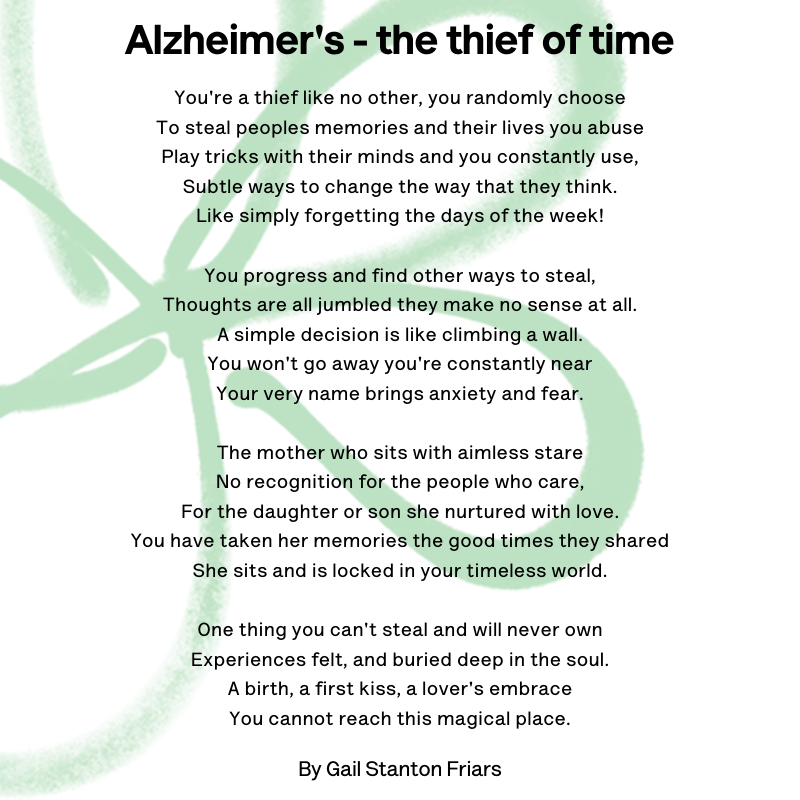
Dementia: Stealing Memories, One Day at a Time.

Dementia: Stealing Memories

Dementia Image

Dementia: Stealing Memories, One Day at a Time

Introduction

Imagine waking up each morning to find pieces of your life missing. Not in a dramatic, “keys-are-lost-again” kind of way, but a deeper, more unsettling erasure. Familiar faces blur, routines become puzzles, and the very fabric of your identity begins to unravel. This, in essence, is the insidious reality of dementia.

Dementia isn’t a single disease, but rather an umbrella term for a range of cognitive impairments that significantly interfere with daily life. Alzheimer’s disease is the most common culprit, accounting for a significant percentage of dementia cases, but vascular dementia, Lewy body dementia, and frontotemporal dementia also contribute to this growing global health challenge.

But what does it truly mean to have dementia? It’s more than just forgetting where you parked your car (we’ve all been there!). Dementia slowly chips away at a person’s ability to remember, reason, communicate, and even control their emotions. It’s a heartbreaking journey, not just for the individual affected, but also for their families and loved ones who witness the gradual loss of someone they cherish.

The Short-Term Stings and Long-Term Shadows

The initial stages of dementia can be subtle, almost imperceptible. Perhaps a loved one struggles to recall recent conversations, repeats themselves frequently, or misplaces items more often than usual. These short-term memory lapses can lead to frustration, anxiety, and a feeling of disorientation. Imagine the embarrassment of forgetting a close friend’s name or the fear of getting lost in a familiar neighborhood.

As the disease progresses, the impact becomes more profound. Short-term memory loss intensifies, making it difficult to learn new information or follow instructions. Language skills deteriorate, leading to difficulty finding the right words or understanding what others are saying. Judgment and decision-making become impaired, potentially leading to poor financial choices or risky behaviors.

But the long-term effects are even more devastating. Individuals with advanced dementia may lose the ability to recognize family members, perform basic self-care tasks like dressing or bathing, or even control their bodily functions. The emotional toll on caregivers is immense, as they grapple with the burden of providing round-the-clock care while witnessing the slow decline of their loved one. Social isolation, financial strain, and emotional exhaustion are common challenges faced by families navigating the complexities of dementia care.

Turning the Tide: Practical Solutions and Approaches

While there’s currently no cure for most forms of dementia, there are strategies and interventions that can significantly improve the quality of life for individuals living with the condition and their caregivers.

  • Early Detection is Key: Recognizing the early signs of dementia is crucial. If you notice persistent memory problems, difficulty with language, or changes in personality, consult a doctor for a thorough evaluation. Early diagnosis allows for timely interventions, such as medication and lifestyle changes, which can help slow the progression of the disease and manage symptoms.
  • Creating a Supportive Environment: Modifying the home environment can make a world of difference. Simplify the living space by removing clutter and potential hazards. Use visual cues, such as labels and signs, to help the individual navigate their surroundings. Establish a consistent routine to provide structure and reduce confusion. Consider installing assistive devices, such as grab bars in the bathroom or a medication dispenser, to promote independence and safety.
  • Engaging the Mind and Body: Mental and physical activity can help preserve cognitive function and improve overall well-being. Encourage participation in activities that stimulate the mind, such as puzzles, reading, or reminiscing about past experiences. Regular physical exercise, such as walking or swimming, can improve blood flow to the brain and reduce the risk of falls.
  • Communication is Crucial: As dementia progresses, communication becomes increasingly challenging. Speak slowly and clearly, using simple language. Maintain eye contact and use nonverbal cues, such as gestures and facial expressions, to convey your message. Be patient and understanding, and avoid correcting or arguing with the individual. Focus on creating a positive and supportive communication environment.
  • Leveraging Technology: Technology can play a valuable role in dementia care. Memory aids, such as digital calendars and reminder apps, can help individuals stay organized and remember important appointments. GPS tracking devices can provide peace of mind for caregivers, allowing them to locate their loved one if they wander off. Telehealth services can provide access to medical care and support from the comfort of home.
  • Support for Caregivers: Caregiving for someone with dementia is a demanding and often isolating experience. It’s essential for caregivers to prioritize their own well-being and seek support from others. Join a support group, attend educational workshops, or consult with a therapist. Respite care services can provide temporary relief from caregiving responsibilities, allowing caregivers to recharge and avoid burnout.

Examples in Action:

  • The “Memory Box”: A family created a memory box for their mother who was diagnosed with Alzheimer’s. Filled with old photos, letters, and mementos, the box served as a conversation starter and helped her reconnect with cherished memories.
  • The “Music Therapy Miracle”: A care facility incorporated music therapy into its dementia program. Patients who were previously withdrawn and unresponsive began to sing along to familiar tunes, exhibiting improved mood and cognitive function.
  • The “Tech-Savvy Solution”: A caregiver used a smart speaker to remind her father to take his medication and provide him with daily news updates. The technology helped him maintain a sense of independence and connection to the world.

Alternative Approaches: Tailoring Solutions to Individual Needs

Dementia manifests differently in each individual, so a one-size-fits-all approach is rarely effective. Consider these alternative solutions:

  • Person-Centered Care: Focus on the individual’s unique needs, preferences, and values. This approach emphasizes autonomy and dignity, allowing the person with dementia to maintain a sense of control over their life.
  • Reality Orientation vs. Validation Therapy: Reality orientation involves constantly reminding the individual of the current time, place, and person. Validation therapy, on the other hand, focuses on accepting the individual’s perception of reality, even if it’s not accurate. The best approach depends on the individual’s stage of dementia and their emotional needs.
  • Alternative Therapies: Some individuals find relief from symptoms through alternative therapies such as aromatherapy, acupuncture, or massage. While the evidence supporting these therapies is limited, they may provide comfort and relaxation.

A Future of Hope and Action

Dementia may steal memories, but it cannot steal the spirit, the love, and the enduring human connection that binds us together. By understanding the disease, implementing practical solutions, and supporting those affected, we can create a more compassionate and inclusive world for individuals living with dementia and their caregivers.

The journey may be challenging, but it’s not without hope. Research is advancing, new treatments are emerging, and communities are becoming more dementia-friendly. Let us embrace the opportunity to make a difference, one memory at a time. The time to act is now. Let’s work together to create a future where dementia is better understood, effectively managed, and ultimately, prevented.

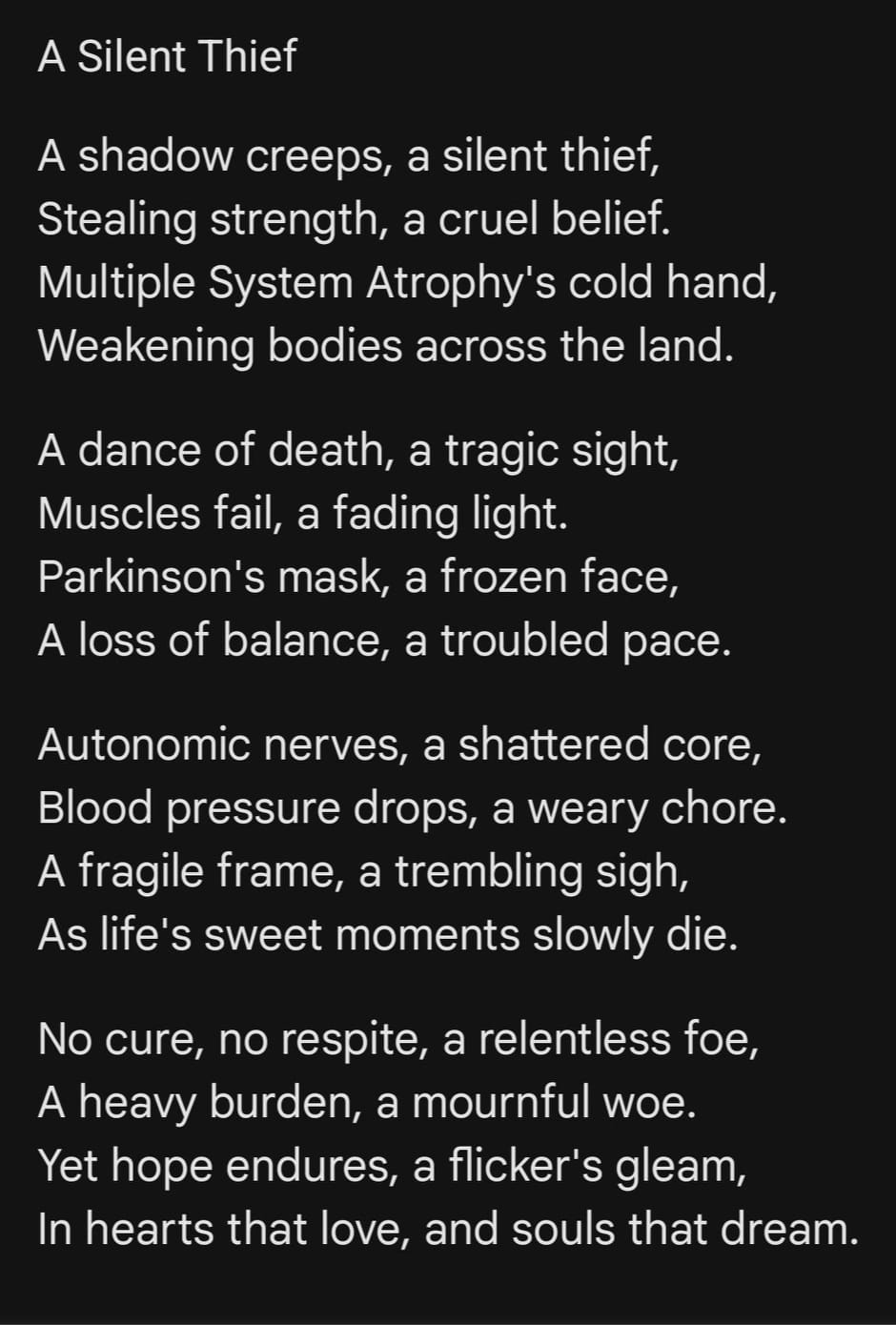
Parkinson’s: The Silent Thief Stealing More Than Movement.

Parkinson’s: The Silent ThiefParkinson's Awareness

Parkinson’s: The Silent Thief Stealing More Than Movement

Introduction

Imagine a thief, but instead of pilfering your wallet or your jewelry, it’s after something far more precious: your independence, your confidence, even your joy. That’s Parkinson’s Disease, a relentless neurological disorder that affects millions worldwide. We often associate it with tremors and slow movement, but Parkinson’s is so much more than just physical symptoms. It’s a silent thief, stealthily robbing individuals of their quality of life in ways you might not even realize.

Think about it. You’re at a family gathering, and you want to tell a funny story, but you can’t quite find the words. Or you’re reaching for a cup of coffee, but your hand trembles, making you self-conscious. Maybe you’re struggling with sleep, finding it hard to concentrate, or feeling increasingly down. These are the often-overlooked faces of Parkinson’s, the insidious ways it chips away at a person’s well-being beyond the obvious physical challenges.

Explanation of the Problem

The Short-Term Stings:

In the short term, the everyday struggles are what often sting the most. Simple tasks like buttoning a shirt, preparing a meal, or even getting out of bed can become monumental challenges. This loss of dexterity and control can lead to frustration, dependence on others, and a feeling of losing oneself.

But it doesn’t stop there. Parkinson’s can also manifest in cognitive changes, impacting focus, memory, and decision-making. This can make it difficult to maintain a career, manage finances, or even participate in social activities. Imagine struggling to follow a conversation or forgetting important appointments – these cognitive hurdles can lead to isolation and a feeling of being disconnected from the world.

Then there are the mood changes. Depression and anxiety are common companions of Parkinson’s, often stemming from the frustration of dealing with the disease itself, the changes in brain chemistry, or simply the feeling of losing control. These emotional struggles can significantly impact relationships, making it hard to connect with loved ones and maintain a positive outlook.

The Long-Term Shadows:

The long-term impact of Parkinson’s can cast an even longer shadow. As the disease progresses, the physical symptoms often worsen, leading to increased dependence on care and assistive devices. Mobility issues can lead to falls and injuries, and the cognitive decline can become more pronounced, affecting communication and overall mental clarity.

The emotional toll can also deepen over time. The loss of independence and the constant struggle with symptoms can lead to feelings of hopelessness and despair. Maintaining a sense of purpose and connection can become increasingly difficult, leading to social isolation and a diminished quality of life.

But it’s not all doom and gloom. While there is no cure for Parkinson’s, there are many ways to fight back against this silent thief and reclaim your life.

Reclaiming Your Life: Practical Solutions for a Brighter Future

The key to living well with Parkinson’s is a proactive and multifaceted approach. It’s about understanding the disease, embracing available treatments, and finding strategies to cope with the challenges it presents. Here are some practical solutions you can implement today:

  • Embrace Exercise: Your Best Medicine: Physical activity is one of the most powerful tools in your arsenal. Exercise helps improve motor skills, balance, and coordination, slowing the progression of symptoms. It also boosts mood and improves cognitive function.
    • Examples: Consider joining a specialized Parkinson’s exercise class, practicing Tai Chi or yoga, or simply incorporating daily walks into your routine.
    • Case Study: A study published in the “Journal of Parkinson’s Disease” found that regular exercise, even moderate intensity, significantly improved motor function and quality of life in people with Parkinson’s.
  • Optimize Your Diet: Fueling Your Brain and Body: A healthy diet can play a significant role in managing Parkinson’s symptoms. Focus on whole foods, including fruits, vegetables, lean protein, and healthy fats.
    • Examples: The Mediterranean diet, rich in antioxidants and anti-inflammatory compounds, is often recommended. Consider consulting a registered dietitian to create a personalized meal plan.
    • Important Note: Be mindful of medications and how they interact with food. For example, Levodopa, a common Parkinson’s medication, is best taken on an empty stomach.
  • Stay Socially Engaged: Combatting Isolation: Isolation can exacerbate both physical and emotional symptoms. Make a conscious effort to stay connected with friends, family, and your community.
    • Examples: Join a Parkinson’s support group, volunteer for a cause you care about, or simply schedule regular coffee dates with friends.
    • Personal Anecdote: My neighbor, diagnosed with Parkinson’s five years ago, found immense comfort and support in a local Parkinson’s support group. Sharing experiences and learning from others helped him feel less alone and more empowered to manage his condition.
  • Embrace Assistive Technology: Enhancing Independence: A wide range of assistive devices can help you maintain your independence and perform daily tasks more easily.
    • Examples: Adaptive utensils, voice-activated devices, and mobility aids like walkers or canes can make a significant difference.
    • Resource: Occupational therapists can assess your needs and recommend appropriate assistive devices.
  • Mindfulness and Meditation: Cultivating Inner Peace: Practicing mindfulness and meditation can help you manage stress, improve sleep, and enhance your overall well-being.
    • Examples: Try guided meditation apps, deep breathing exercises, or simply spending a few minutes each day focusing on the present moment.
    • Tip: Start small and gradually increase the duration of your mindfulness practice.
  • Therapy and Counseling: Addressing Emotional Challenges: Don’t hesitate to seek professional help if you’re struggling with depression, anxiety, or other emotional challenges.
    • Examples: Cognitive Behavioral Therapy (CBT) can help you develop coping mechanisms and manage negative thoughts. A therapist can also provide a safe space to process your emotions and navigate the challenges of living with Parkinson’s.

Alternative Approaches: Exploring Complementary Therapies:

In addition to conventional treatments, many people with Parkinson’s find relief through complementary therapies. These approaches should be used in conjunction with, not as a replacement for, conventional medical care.

  • Acupuncture: Some studies suggest that acupuncture may help improve motor function and reduce pain.
  • Massage Therapy: Massage can help relieve muscle stiffness and improve circulation.
  • Music Therapy: Music can be a powerful tool for improving mood, reducing anxiety, and enhancing motor skills.

The Takeaway: You Are Not Defined By Parkinson’s

Parkinson’s is a challenging disease, but it doesn’t have to define you. By taking a proactive approach to your health, embracing available treatments, and finding strategies to cope with the challenges it presents, you can reclaim your life and live a fulfilling and meaningful existence. Remember, you are not alone. There is a vast community of people with Parkinson’s, caregivers, and healthcare professionals who are ready to support you on your journey.

The fight against this silent thief is not easy, but it is a fight worth fighting. It’s a fight for your independence, your dignity, and your right to live life to the fullest. So, take a deep breath, gather your resources, and start reclaiming your life, one step at a time. The power to make a difference lies within you.

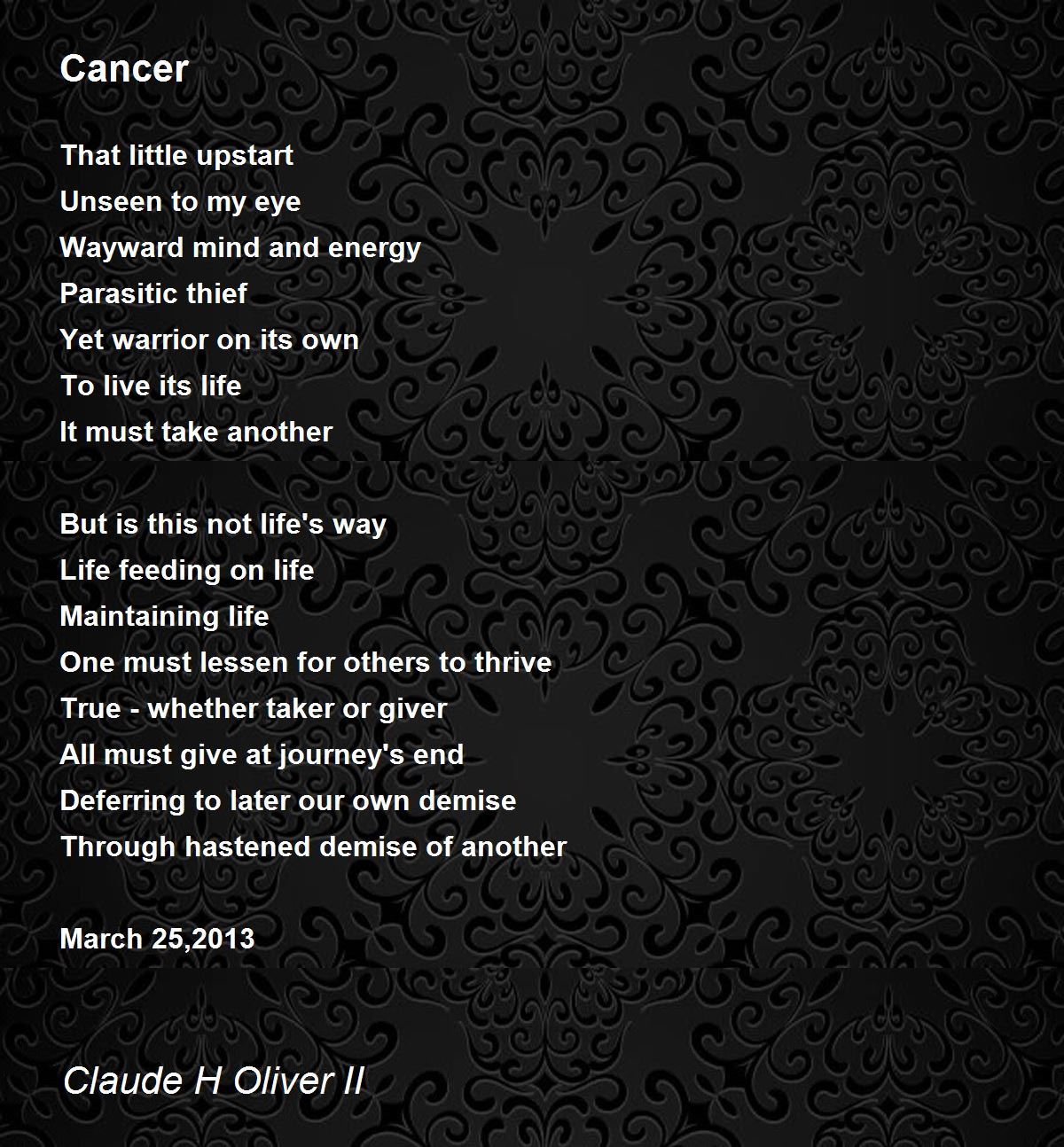
Cancer: The Unseen Thief.


Cancer:TheUnseenThiefCancerImage

Cancer:TheUnseenThief

Introduction

Cancer.Theworditselfcarriesaweight,ashadowthatloomsoverourlives,whetherdirectlyorindirectly.It’stheunseenthief,silentlycreepingin,stealingnotjusthealth,butalsodreams,futures,andpreciousmoments.It’saformidableadversary,andunderstandingitsinsidiousnatureisthefirststepinfightingback.

Weallknowsomeone,orknowofsomeone,touchedbycancer.Perhapsit’safamilymember,afriend,acolleague,orapublicfigure.Thestatisticsarestark:cancerisaleadingcauseofdeathworldwide.Butbeyondthenumbersliestheveryreal,verypersonalimpactithasonindividuals,families,andcommunities.Thisisn’tjustamedicalissue;it’sahumanissue,demandingourattention,ourunderstanding,andouraction.

TheShort-TermSting:

Theimmediateimpactofacancerdiagnosiscanbedevastating.Imagine receiving that news.The world tilts on its axis.Suddenly, life is divided into “before cancer” and “after cancer.”There’s the whirlwind of appointments – oncologists, surgeons, radiologists.There are tests, scans, and biopsies.Then comes the treatment: chemotherapy, radiation, surgery, immunotherapy – each with its own set of side effects.

Theshort-termeffectscanbegrueling.Nausea,fatigue,hairloss,pain,andcompromisedimmunityarejustafewofthechallengespatientsface.Dailyroutinesaredisrupted.Workmaybecomeimpossible.Sociallivesshrink.Theemotionaltollisimmense:anxiety,fear,depression,andaprofoundsenseoflossarecommoncompanions.Forfamilies,theburdenisequallyheavy.Theybecomecaregivers,advocates,andemotionalsupportsystems,oftenputtingtheirownlivesonhold.Thefinancialstrainoftreatment,lostincome,andlong-termcarecanalsocreatesignificanthardship.

TheLongGame:AMarathon,NotaSprint

Theimpactofcancerdoesn’tendwithtreatment.Evenafterachievingremission,thelong-termeffectscanlinger.

  • PhysicalScars:Treatmentcanleave lasting physical changes.Surgeries can result in scarring and altered body image.Chemotherapy and radiation can damage organs, leading to chronic health problems like heart issues, lung problems, or infertility.
  • EmotionalandPsychologicalImpact:The trauma of cancer can have profound psychological effects.Many survivors experience post-traumatic stress disorder (PTSD), anxiety, and depression.The fear of recurrence is a constant companion, casting a shadow over everyday life.
  • CognitiveChanges:“Chemobrain,”atermusedtodescribecognitivedifficultiesfollowingchemotherapy,canaffectmemory,concentration,andproblem-solvingabilities.Thesechangescanmakeitdifficulttoreturntoworkormaintainanormallife.
  • FinancialFallout:Even with health insurance, the costs associated with cancer treatment can be substantial.Many survivors face medical debt, which can impact their financial stability for years to come.
  • SocialIsolation:Cancercanleadto social isolation.Survivors may feel alienated from their friends and family, who may not understand what they’ve been through.They may also struggle to reconnect with their pre-cancer lives.

FightingBack:PracticalSolutionsforaPowerfulImpact

Whilecancercanfeeloverwhelming,thereareconcretestepswecantaketominimizeourriskandimproveoutcomesforthoseaffected.It’snotaboutpromisingacure-all,butaboutempoweringourselveswithknowledgeandaction.

Prevention:TheFirstLineofDefense

  • HealthyLifestyle:Thisisthebedrockofcancerprevention.Abalanceddietrichinfruits,vegetables,andwholegrains,regularexercise,maintainingahealthyweight,andlimitingprocessedfoods,redmeat,andsugarydrinkscansignificantlyreduceyourrisk.
    • Example:A study published in the Journal of the American Medical Association found that individuals who adhered to a healthy lifestyle had a significantly lower risk of developing several types of cancer.
  • AvoidTobacco:Smokingisaleadingcauseofcancer,responsiblefornearly30%ofcancerdeaths.Quittingsmokingisoneofthebestthingsyoucandoforyourhealth,regardlessofhowlongyou’vesmoked.
  • LimitAlcoholConsumption:Excessivealcoholconsumptionincreasestheriskofseveralcancers,includingbreast,colon,liver,andesophagealcancer.
  • SunSafety:Protectyourskinfromthesun’sharmfulraysbywearingsunscreen,seeking shade, and avoiding tanning beds.
  • Vaccinations:VaccinesagainstHPVandhepatitisBcanpreventcancerscausedbythesevirus.

EarlyDetection:CatchingtheThiefintheAct

  • RegularScreenings:Followrecommendedscreeningguidelinesforbreast,cervical,colon,lung,andprostatecancer.Earlydetectioncanleadtomoreeffectivetreatmentandbetteroutcomes.
  • Self-Exams:Performregularself-examsforbreast,skin,andtesticularcancer.Reportanychangestoyourdoctorpromptly.
  • KnowYourFamilyHistory:Understandingyourfamily’scancerhistorycanhelpyouidentifyyourriskfactorsandtakeappropriatepreventivemeasures.
    • Example:AngelinaJolie’sdecisiontoundergoapreventativedoublemastectomyafterlearningshecarriedtheBRCA1genehighlightstheimportanceofgenetictestingandinformeddecision-making.

SupportandAdvocacy:StandingTogether

  • SupportGroups:Connectingwithothercancerpatientsandsurvivorscanprovideinvaluableemotionalsupportandpracticaladvice.
  • CaregiverSupport:Caregiversneedsupporttoo.Respitecare,counseling,andsupportgroupscanhelpthemcopewiththechallengesofcaregiving.
  • Advocacy:Advocateforpoliciesthatsupportcancerresearch,prevention,andtreatment.Supportorganizationsthatprovideservicestocancerpatientsandtheirfamilies.
    • Example:The American Cancer Society, the Susan G. Komen Foundation, and the Leukemia & Lymphoma Society are just a few of the organizations that are working to fight cancer.

EmbracingIntegrativeTherapies:HolisticHealing

  • Mind-BodyTechniques:Practiceslikemeditation,yoga,andtaichicanhelpreducestress,improvemood,andenhanceoverallwell-being.
  • NutritionandExercise:Ahealthydietandregularexercisecansupportthebodyduringandaftercancertreatment.
  • AcupunctureandMassage:Thesetherapiescanhelprelievepain,nausea,andothersideeffectsoftreatment.
  • ImportantNote:Alwaysdiscussanycomplementarytherapieswithyourdoctortoensuretheyare safe and appropriate for your situation.

AlternativeApproaches:TailoringtheFighttoYou

Notevery solution works for everyone.Here are some alternative approaches to consider:

  • PersonalizedMedicine:Genetictestingcanhelptailortreatmenttoanindividual’sspecificcancertypeandgeneticmakeup.
  • ClinicalTrials:Participatinginclinicaltrialscanprovideaccesstocutting-edgetreatmentsandcontributetoadvancingcancerresearch.
  • SecondOpinions:Don’thesitatetoseekasecondopinionfromanotheroncologisttoensureyouarereceivingthebestpossiblecare.
  • FocusonQualityofLife:Prioritizeactivitiesthatbringyoujoyandhelpyoumaintainasenseofpurposeandmeaning.

TheRoadAhead:HopeandAction

Cancerisaformidablefoe,butit’snotinvincible.Withadvancementsinresearch,prevention,andtreatment,wearemakingprogresseveryday.Wecan’tpromiseaworldwithoutcancerjustyet,butwecanpromiseaworldwherewe’rebetterequippedtofaceit.

Thekeyistostayinformed,takeproactivestepstoprotectyourhealth,andsupportthoseaffectedbythisdisease.Let’snotlettheunseenthiefstealourhope,ourcourage,orourdetermination.Instead,let’sworktogethertocreateafuturewherecancerislessfeared,lessdevastating,andultimately,lessprevalent.Takeactiontoday.Makethatappointment,eatthathealthymeal,supportthatorganization.Everystep,nomatterhowsmall,makesadifference.Thefightagainstcancerisacollectiveeffort,andeveryoneofushasaroletoplay.Thepoweriswithinu stomakeadifference.Let’suseit.

Unlock Your Superhuman: Hack Your Health, Reclaim Your Life.

Unlock Your Superhuman

Superhuman Book Cover

Unlock Your Superhuman: Hack Your Health, Reclaim Your Life

Introduction

Ever feel like you’re running on fumes, constantly battling fatigue, brain fog, or just a general sense of blah? Like your body is a perfectly capable machine, but the operator (that’s you!) is stuck in neutral? You’re not alone. In today’s relentlessly demanding world, it’s easy to let our health slip, slowly dimming our inner spark and holding us back from reaching our full potential. We’re talking about more than just a fleeting cold; we’re talking about the subtle erosion of well-being that can impact everything from your energy levels to your relationships to your overall zest for life.

Explanation of the Problem

Think about it. That afternoon slump isn’t just a minor inconvenience; it’s lost productivity, missed opportunities, and a drain on your creativity. That persistent headache isn’t just a nuisance; it’s a signal your body is sending, a plea for attention that, if ignored, could lead to more serious issues down the road. The short-term impacts are clear: decreased performance, increased stress, and a general feeling of being “off.” But the long-term consequences are even more concerning: a higher risk of chronic diseases, accelerated aging, and a diminished quality of life.

Solutions

The good news? You have the power to take control. You can “hack” your health, reclaim your energy, and unlock a version of yourself you never knew existed. This isn’t about overnight transformations or impossible feats of willpower; it’s about making smart, sustainable choices that compound over time, leading to significant improvements in your physical and mental well-being. Let’s dive into how you can do it.

Fueling Your Body: It’s Not Just About Calories

We all know the basics of healthy eating, but understanding the “why” behind those recommendations can be the key to making them stick. It’s not just about counting calories; it’s about giving your body the right nutrients to thrive.

  • The Power of Protein: Protein is the building block of everything from your muscles to your hormones. Insufficient protein can lead to fatigue, muscle loss, and a weakened immune system. Aim for at least 0.8 grams of protein per kilogram of body weight, and distribute it evenly throughout the day.
    • Practical Tip: Add a scoop of protein powder to your morning smoothie, snack on Greek yogurt or hard-boiled eggs, or include lean protein sources like chicken, fish, or lentils in your meals.
  • Good Fats vs. Bad Fats: Not all fats are created equal. Healthy fats, like those found in avocados, nuts, seeds, and olive oil, are essential for brain function, hormone production, and overall health. Limit your intake of saturated and trans fats, which are often found in processed foods and fried foods.
    • Case Study: Studies have shown that a Mediterranean diet, rich in healthy fats, can significantly reduce the risk of heart disease and cognitive decline.
  • The Fiber Factor: Fiber is a champion of digestion, helping to regulate blood sugar levels and keep you feeling full and satisfied. Load up on fruits, vegetables, and whole grains to boost your fiber intake.
    • Simple Swap: Replace white bread and pasta with whole-wheat alternatives, add beans or lentils to your soups and salads, and snack on fruits instead of processed snacks.
  • Hydration is Key: Dehydration can lead to fatigue, headaches, and impaired cognitive function. Aim to drink at least eight glasses of water a day, and increase your intake if you’re exercising or in a hot environment.
    • Make it a Habit: Keep a water bottle with you throughout the day and refill it regularly. Set reminders on your phone to drink water, or infuse your water with fruits or herbs for added flavor.

Move Your Body: Beyond the Gym

Exercise is essential for both physical and mental health, but it doesn’t have to be a chore. Find activities you enjoy and incorporate them into your daily routine.

  • Cardiovascular Health: Aim for at least 150 minutes of moderate-intensity or 75 minutes of vigorous-intensity aerobic activity per week. This could include anything from brisk walking and jogging to swimming and cycling.
    • Alternative Approach: Break up your exercise into shorter bursts throughout the day. A 10-minute walk after lunch, a quick bike ride to work, or a few dance breaks during your workday can all add up.
  • Strength Training: Strength training is crucial for building muscle mass, boosting metabolism, and improving bone density. Aim for at least two strength training sessions per week, targeting all major muscle groups.
    • No Gym Required: Bodyweight exercises like squats, push-ups, lunges, and planks can be just as effective as using weights.
  • The Importance of Stretching: Stretching improves flexibility, reduces muscle tension, and prevents injuries. Incorporate stretching into your daily routine, especially after exercise.
    • Yoga and Pilates: Consider taking a yoga or Pilates class for a more structured approach to stretching and flexibility.

Sleep Like a Superhero: Optimizing Your Rest

Sleep is often overlooked, but it’s essential for physical and mental restoration. Aim for 7-9 hours of quality sleep per night.

  • Create a Sleep Sanctuary: Make your bedroom dark, quiet, and cool. Use blackout curtains, earplugs, or a white noise machine to minimize distractions.
  • Establish a Routine: Go to bed and wake up at the same time every day, even on weekends, to regulate your body’s natural sleep-wake cycle.
  • Unplug Before Bed: Avoid screens (phones, tablets, computers) for at least an hour before bed, as the blue light emitted from these devices can interfere with sleep.
  • Mindfulness and Meditation: Practice mindfulness or meditation techniques to calm your mind and relax your body before sleep.

Stress Management: Taming the Beast

Chronic stress can wreak havoc on your health, leading to a wide range of physical and mental problems. Find healthy ways to manage stress, such as:

  • Mindfulness Meditation: Mindfulness meditation involves focusing on the present moment without judgment. It can help reduce stress, improve focus, and promote overall well-being.
    • Getting Started: There are many free guided meditation apps and online resources available.
  • Deep Breathing Exercises: Deep breathing exercises can help calm your nervous system and reduce feelings of anxiety.
    • The 4-7-8 Technique: Inhale deeply through your nose for 4 seconds, hold your breath for 7 seconds, and exhale slowly through your mouth for 8 seconds.
  • Spending Time in Nature: Studies have shown that spending time in nature can reduce stress hormones and improve mood.
    • Make it a Habit: Go for a walk in a park, hike in the woods, or simply sit outside and enjoy the fresh air.
  • Social Connection: Connecting with loved ones can provide emotional support and reduce feelings of isolation.
    • Prioritize Relationships: Make time for friends and family, and engage in activities that you enjoy together.

Conclusion

Remember, unlocking your superhuman isn’t about making drastic changes overnight; it’s about making small, sustainable changes that compound over time. Choose one or two strategies from each category and focus on implementing them consistently. Track your progress, celebrate your successes, and don’t get discouraged by setbacks.

Let’s face it, life gets busy, and sometimes, despite our best intentions, things slip. Don’t beat yourself up! Acknowledge it, learn from it, and get back on track. This isn’t about perfection; it’s about progress.

You have the power to transform your health and reclaim your life. By prioritizing healthy eating, regular exercise, adequate sleep, and effective stress management, you can unlock your superhuman potential and live a more vibrant, fulfilling life. Start today, and watch as your energy levels soar, your mind sharpens, and your overall well-being flourishes. You deserve to feel your best, and you have the ability to make it happen. Go out there and unlock your inner superhero! The world is waiting.

Food: The Fuel That Ignites Our Souls

Food: The Fuel That Ignites Our SoulsFood

Food: The Fuel That Ignites Our Souls

Introduction

Ever wondered why you crave that comforting bowl of pasta after a long day, or why a celebratory cake just tastes *better* than any other dessert? It’s because food is so much more than just sustenance; it’s the fuel that ignites our souls. It’s woven into the fabric of our memories, our traditions, and even our very sense of well-being. But what happens when this powerful fuel source is mismanaged? What are the short-term and long-term consequences of not treating food with the respect it deserves, both on our plates and in our lives? Let’s dive in.

The Immediate Burn: Short-Term Impact

Think about it. A sugar crash after an afternoon of indulgent treats leaves you sluggish and irritable. The bloat and discomfort after overeating at a holiday feast can ruin your evening. In the short term, our food choices directly impact our energy levels, mood, and immediate physical comfort. Consistently reaching for processed foods loaded with sugar and unhealthy fats can lead to brain fog, difficulty concentrating, and even exacerbate feelings of anxiety or sadness.

Beyond the individual level, short-term food choices also impact our communities. Over-consumption and food waste contribute to overflowing landfills, releasing harmful greenhouse gases. The demand for cheap, readily available food often fuels unsustainable agricultural practices, impacting local ecosystems and putting pressure on farmers.

The Long Game: The Lasting Consequences

While the immediate effects of poor food choices are unpleasant, the long-term consequences are far more profound. A consistently unbalanced diet, lacking in essential nutrients and rich in processed foods, dramatically increases the risk of chronic diseases like heart disease, type 2 diabetes, obesity, and certain types of cancer. These conditions not only shorten lifespan but also significantly impact quality of life.

The long-term consequences extend beyond physical health. The food industry’s reliance on monoculture farming and chemical fertilizers depletes soil nutrients, threatening food security for future generations. The globalized food system, while providing access to a wider variety of foods, often relies on long-distance transportation, increasing carbon emissions and contributing to climate change. In essence, our food choices today are shaping the planet we leave behind.

Igniting Change: Practical Solutions for a Healthier Relationship with Food

So, how do we shift from a destructive cycle to one that nourishes both our bodies and our souls? The good news is that there are many practical, applicable, and easy-to-understand solutions that can make a real difference.

  • Mindful Eating: This is about paying attention to the experience of eating. Before you dig in, take a moment to observe the colors, textures, and aromas of your food. Chew slowly and savor each bite. This simple practice can help you become more aware of your hunger and fullness cues, preventing overeating and enhancing your enjoyment of food.
    • Example: Try setting a timer for 20 minutes during your next meal. Focus solely on eating, putting away distractions like phones or television. You might be surprised at how much more satisfying the meal becomes, and how much less you need to feel full.
  • Prioritize Whole Foods: Embrace the power of fruits, vegetables, whole grains, lean proteins, and healthy fats. These foods are packed with essential nutrients, fiber, and antioxidants that nourish your body and support long-term health.
    • Example: Instead of reaching for a bag of chips, try snacking on a handful of almonds or a sliced apple with peanut butter. Opt for whole-wheat bread instead of white bread, and choose brown rice over white rice. Small swaps can make a big difference.
  • Plan Your Meals: Taking the time to plan your meals for the week can help you avoid impulsive, unhealthy food choices. Creating a grocery list based on your meal plan ensures you have healthy ingredients on hand.
    • Example: Dedicate an hour each weekend to plan your meals for the following week. Look up recipes online or in cookbooks, and create a detailed grocery list. You can even prep some ingredients in advance, such as chopping vegetables or marinating meat.
  • Reduce Food Waste: Food waste is a significant problem, both environmentally and economically. Make a conscious effort to reduce the amount of food you throw away.
    • Example: Store food properly to extend its shelf life. Use leftovers creatively, such as turning leftover roasted chicken into chicken salad or using vegetable scraps to make broth. Compost food scraps to reduce waste and enrich your garden soil.
  • Support Local and Sustainable Agriculture: Choosing locally grown, seasonal foods supports local farmers and reduces the environmental impact of food transportation. Look for farmers’ markets, community-supported agriculture (CSA) programs, or grocery stores that prioritize locally sourced products.
    • Case Study: In many communities, farmers’ markets are becoming increasingly popular. These markets provide consumers with direct access to fresh, locally grown produce, while also supporting local farmers and strengthening community ties.

Alternative Approaches: A Personalized Path

Recognizing that everyone’s relationship with food is unique, here are several alternative approaches to consider:

  • The Mediterranean Diet: Focuses on whole foods, healthy fats, and plant-based proteins. This diet is linked to numerous health benefits and is easily adaptable to various tastes and preferences.
  • Plant-Based Eating: Whether you’re a full-fledged vegan or simply incorporating more plant-based meals into your week, this approach emphasizes fruits, vegetables, legumes, and whole grains, offering a wealth of nutrients and fiber.
  • Intermittent Fasting: A pattern of eating that cycles between periods of eating and voluntary fasting on a regular schedule.
  • Elimination Diet: Remove certain foods from your diet and then reintroduce them slowly to identify any sensitivities or intolerances. (Consult with a healthcare professional before starting an elimination diet).

A Plateful of Hope: Taking Action for a Brighter Future

Ultimately, cultivating a healthy relationship with food is a journey, not a destination. There will be slip-ups and moments of temptation. But by implementing these practical solutions and exploring alternative approaches, you can create a sustainable lifestyle that nourishes your body, ignites your soul, and contributes to a healthier planet.

Start small. Choose one or two changes to implement this week, such as practicing mindful eating during one meal or replacing a processed snack with a piece of fruit. Celebrate your successes, and don’t be discouraged by setbacks. Remember that every conscious choice you make is a step in the right direction.

The power to transform your relationship with food lies within you. Embrace the journey, savor the flavors, and fuel your soul with intention. The future, like a well-prepared meal, is waiting to be savored.

Diet: The Chains You Forged, The Freedom You Deserve.

Diet:The Chains You Forged,The Freedom You DeserveImage

Diet:The Chains You Forged,The Freedom You Deserve

Introduction

Ever feel like your diet is less about nourishing your body and more about navigating a minefield of restrictions and guilt? Like you’re trapped in a cycle of deprivation, fleeting victories, and inevitable setbacks? If that resonates, you’re not alone. We’ve all been there, wrestling with the complex and often contradictory world of dieting. The truth is, the “diet” culture we’ve been immersed in has forged chains of its own, and it’s time to break free and claim the food freedom you deserve.

The Short-Term Squeeze: Instant Gratification, Lasting Consequences

Think about the last time you started a new diet. Maybe it was a crash diet promising rapid weight loss for an upcoming event. The first few days, you’re riding a wave of willpower, fueled by the anticipation of a new, improved you. You meticulously track calories, cut out entire food groups, and push through hunger pangs. You might even see the numbers on the scale drop. Success! But what happens after the event?

More often than not, these short-term, restrictive diets lead to a rebound. The cravings become overwhelming. The feeling of deprivation breeds resentment. Before you know it, you’re back to your old eating habits, and sometimes worse. This yo-yo dieting isn’t just frustrating; it can wreak havoc on your metabolism, making it harder to lose weight in the long run.

The Long-Term Toll: Beyond the Numbers on the Scale

The impact of restrictive dieting goes beyond just weight fluctuations. Over time, these patterns can chip away at your self-esteem, fostering a negative relationship with food and your body. You might start associating certain foods with guilt and shame, leading to disordered eating patterns. The constant focus on weight can overshadow other crucial aspects of health, like energy levels, mood, and overall well-being.

Consider Sarah, a 35-year-old marketing executive. For years, she cycled through various diets, always chasing the elusive “perfect” body. She restricted carbs, eliminated sugar, and even tried juice cleanses. While she occasionally achieved short-term weight loss, the restrictive nature of these diets eventually led to binge eating and feelings of failure. More alarmingly, the constant stress and nutritional deficiencies began to affect her energy levels, leaving her feeling drained and unmotivated at work and home. Sarah’s story is a testament to how the chains of dieting can extend far beyond the numbers on the scale, impacting every aspect of your life.

Breaking Free: Practical Pathways to Food Freedom

The good news is that breaking free from the diet cycle is entirely possible. It requires a shift in mindset and a commitment to building a healthier, more sustainable relationship with food. Here are several alternative solutions and approaches to help you forge your path to food freedom:

  1. Intuitive Eating: Trusting Your Body’s Wisdom

    Intuitive eating is an approach that focuses on listening to your body’s hunger and fullness cues, rejecting diet rules, and cultivating a positive relationship with food. It’s about honoring your hunger, respecting your fullness, and making food choices based on what feels good, both physically and emotionally.

    • Practical Application: Start by paying attention to your body’s signals. Ask yourself, “Am I truly hungry, or am I eating out of boredom, stress, or habit?” Learn to differentiate between physical and emotional hunger. Allow yourself to eat what you crave, but do so mindfully, savoring each bite and paying attention to how it makes you feel.
    • Example: Instead of reaching for a diet soda when you’re craving something sweet, allow yourself a small piece of dark chocolate. Savor the flavor, and notice how it satisfies your craving without triggering feelings of guilt or deprivation.
  2. Mindful Eating: Savoring the Moment

    Mindful eating is a practice that encourages you to be fully present while eating, paying attention to the taste, texture, and aroma of your food. It’s about slowing down, eliminating distractions, and cultivating a sense of gratitude for the nourishment you’re receiving.

    • Practical Application: Turn off the TV, put away your phone, and focus solely on your meal. Chew your food slowly and deliberately, noticing the different flavors and textures. Pay attention to your body’s signals of fullness, and stop eating when you’re satisfied, not stuffed.
    • Example: Before eating a meal, take a few deep breaths and express gratitude for the food in front of you. During the meal, notice the colors, smells, and textures of the food. Put your fork down between bites and pay attention to how your body feels.
  3. Focus on Whole, Unprocessed Foods: Nourishing Your Body from the Inside Out

    Instead of focusing on restriction, shift your attention to incorporating more whole, unprocessed foods into your diet. These foods are naturally nutrient-dense, providing your body with the vitamins, minerals, and antioxidants it needs to thrive.

    • Practical Application: Fill your plate with a variety of colorful fruits and vegetables, lean proteins, and whole grains. Limit your intake of processed foods, sugary drinks, and unhealthy fats.
    • Example: Swap your processed breakfast cereal for a bowl of oatmeal topped with berries and nuts. Trade your afternoon bag of chips for a handful of almonds and a piece of fruit.
  4. Body Positivity and Self-Compassion: Embracing Your Unique Beauty

    Cultivating body positivity and self-compassion is essential for breaking free from the diet cycle. This involves accepting your body as it is, flaws and all, and treating yourself with kindness and understanding.

    • Practical Application: Challenge negative thoughts and beliefs about your body. Practice self-care activities that make you feel good, both physically and emotionally. Surround yourself with positive influences and people who support your journey.
    • Example: Instead of focusing on your perceived flaws in the mirror, focus on your strengths and positive qualities. Remind yourself that your worth is not determined by your weight or appearance.
  5. Seek Professional Guidance: Enlisting the Support of Experts

    If you’re struggling to break free from the diet cycle on your own, consider seeking professional guidance from a registered dietitian or therapist specializing in eating disorders. These experts can provide personalized support, education, and strategies to help you develop a healthier relationship with food and your body.

    • Practical Application: Research qualified professionals in your area and schedule a consultation. Be open and honest about your struggles, and be willing to follow their guidance.
    • Example: A registered dietitian can help you develop a balanced meal plan that meets your nutritional needs and supports your health goals. A therapist can help you address underlying emotional issues that may be contributing to your disordered eating patterns.

Your Journey to Freedom Starts Now

Breaking free from the chains of dieting is not a quick fix; it’s a journey. It requires patience, self-compassion, and a willingness to challenge long-held beliefs about food and your body. There will be setbacks along the way, but don’t let them derail you. Remember that progress, not perfection, is the goal.

Imagine a life where food is a source of nourishment and enjoyment, not a source of anxiety and guilt. Picture yourself feeling confident and comfortable in your own skin, regardless of your weight or size. This is the freedom you deserve, and it’s within your reach.

So, take a deep breath, release the shackles of dieting, and embark on your journey to food freedom. Embrace the power of intuitive eating, mindful eating, and body positivity. Nourish your body with whole, unprocessed foods, and seek professional guidance when needed.

The chains you forged do not define you. The freedom you deserve is waiting to be claimed. Start today, and embrace the joy of eating without guilt, the power of self-acceptance, and the liberation of a truly healthy relationship with food and yourself. Your body will thank you, and your mind will finally be at peace.

Silent Epidemics: Are We Ignoring the Real Threats?

Silent Epidemics: Are We Ignoring the Real Threats?

Introduction

Remember the pandemic? Of course, you do. It was a global wake-up call, sirens blaring about the fragility of our health and the interconnectedness of our world. But what if I told you there are other epidemics raging, not with a cough or a fever, but with a quiet, insidious creep? These “silent epidemics” are often overlooked, underfunded, and yet, they’re silently reshaping our lives and the future of our society. Are we truly focusing on the threats that matter most, or are we too busy reacting to the loudest alarms?

Let’s dive into some of these invisible adversaries and explore why they deserve our attention.

The Silent Killer: Chronic Stress

We live in a pressure cooker. Deadlines, social media, financial worries – the modern world is practically designed to keep us on edge. While a little stress can be a motivator, chronic stress, the kind that hangs around day after day, is a slow-burning disaster.

Short-Term Impact: You might notice increased irritability, difficulty sleeping, constant fatigue, headaches, or even digestive issues. These aren’t just minor inconveniences; they’re your body’s way of screaming for help.

Long-Term Impact: Unmanaged chronic stress is linked to a higher risk of heart disease, high blood pressure, diabetes, depression, anxiety disorders, and even a weakened immune system. Essentially, it’s aging you from the inside out.

The Lonely Crowd: Social Isolation and Loneliness

In an era of unprecedented connectivity, it’s ironic that so many people feel profoundly alone. Social isolation (objective lack of social contact) and loneliness (subjective feeling of being alone) are distinct but often intertwined. The rise of remote work, increased screen time, and a decline in community engagement are all contributing factors.

Short-Term Impact: Loneliness can lead to feelings of sadness, anxiety, decreased motivation, and difficulty concentrating. It can also make you more susceptible to physical illness.

Long-Term Impact: Studies have shown that chronic loneliness is as detrimental to your health as smoking 15 cigarettes a day! It increases the risk of heart disease, stroke, dementia, and even premature death. It also affects mental health, with higher rates of depression and anxiety.

The Obesity Crisis: More Than Just Weight

Obesity is often framed as a personal choice, but it’s far more complex than that. It’s a multifaceted issue influenced by genetics, socio-economic factors, access to healthy food, and the environment we live in.

Short-Term Impact: Obesity can lead to fatigue, joint pain, shortness of breath, and difficulty with physical activity.

Long-Term Impact: The long-term consequences are devastating. Obesity significantly increases the risk of type 2 diabetes, heart disease, stroke, certain types of cancer, sleep apnea, and osteoarthritis. It also places a heavy burden on healthcare systems.

So, What Can We Do? Practical Solutions for a Quieter World

The good news is that these silent epidemics, while daunting, are not insurmountable. We can take action, both individually and collectively, to mitigate their impact.

Stress Management: Reclaiming Your Calm

  • Mindfulness and Meditation: Even five minutes a day can make a difference. Apps like Headspace and Calm offer guided meditations for beginners.
  • Exercise: Physical activity is a fantastic stress reliever. Find an activity you enjoy, whether it’s running, swimming, dancing, or yoga.
  • Time Management: Learn to prioritize tasks, set realistic goals, and say “no” to commitments that overstretch you.
  • Digital Detox: Schedule regular breaks from screens and social media.
  • Example: A study by the American Psychological Association found that even short mindfulness exercises can significantly reduce stress levels in individuals facing challenging work environments.

Combating Loneliness: Reconnecting with Humanity

  • Prioritize Social Connections: Make an effort to connect with friends and family, even if it’s just a phone call or a video chat.
  • Join a Club or Group: Find a group that shares your interests, whether it’s a book club, a hiking group, or a volunteer organization.
  • Volunteer: Helping others is a great way to combat loneliness and feel a sense of purpose.
  • Embrace Vulnerability: Share your feelings with trusted friends or family members.
  • Example: The “Men’s Shed” movement, originating in Australia, provides spaces for men to connect, socialize, and learn new skills, helping to combat social isolation and improve mental well-being.

Addressing Obesity: Creating a Healthier Lifestyle

  • Focus on Whole Foods: Prioritize fruits, vegetables, whole grains, and lean protein.
  • Limit Processed Foods: Reduce your intake of sugary drinks, processed snacks, and fast food.
  • Portion Control: Be mindful of portion sizes.
  • Regular Exercise: Aim for at least 30 minutes of moderate-intensity exercise most days of the week.
  • Seek Professional Help: Consult with a registered dietitian or a healthcare provider for personalized guidance.
  • Example: Communities that have invested in walkable neighborhoods, bike lanes, and accessible parks have seen a reduction in obesity rates and an increase in overall physical activity levels.

Alternative Approaches: A Toolkit for Well-being

  • Therapy and Counseling: Talking to a therapist can help you address underlying issues contributing to stress, loneliness, or unhealthy habits.
  • Support Groups: Connecting with others who are facing similar challenges can provide a sense of community and support.
  • Community Initiatives: Support local initiatives that promote healthy lifestyles, such as community gardens, farmers markets, and walking groups.
  • Policy Changes: Advocate for policies that address the root causes of these silent epidemics, such as affordable healthcare, access to healthy food, and paid sick leave.

A Call to Action: Embracing a Proactive Approach

These silent epidemics are a wake-up call, urging us to shift our focus from reactive crisis management to proactive prevention. By acknowledging these hidden threats and taking concrete steps to address them, we can create a healthier, happier, and more resilient society.

It starts with awareness. Talk about these issues with your friends, family, and colleagues. Share information and resources. Encourage open and honest conversations about mental and physical health.

It continues with action. Make small, sustainable changes in your own life. Prioritize self-care, build meaningful connections, and advocate for policies that support well-being.

It culminates in hope. Remember, even small changes can have a big impact. By working together, we can turn the tide on these silent epidemics and create a future where everyone has the opportunity to thrive.

Don’t wait for the next crisis. Start today. Your health, your happiness, and the future of our society depend on it.

**Health Apocalypse: Are You Ready?**

Health Apocalypse: Are You Ready?Zombie

Health Apocalypse: Are You Ready?

Introduction

Okay, let’s be honest. The phrase “health apocalypse” sounds like something ripped straight from a dystopian movie trailer, right? But before you picture yourself scavenging for antibiotics in a wasteland, hear me out. While we might not be facing a Mad Max-style scenario, the convergence of several concerning trends – rising chronic diseases, antibiotic resistance, mental health crises, and increasing healthcare costs – paints a picture that deserves our attention. It’s less a sudden cataclysm and more a slow-burning crisis, and the question isn’t if it will impact us, but how deeply it already is.

Think about it. How many people do you know battling diabetes, heart disease, or autoimmune disorders? How many are struggling with anxiety, depression, or burnout? These aren’t isolated incidents; they’re symptoms of a larger systemic issue, and ignoring them is like ignoring the rising floodwaters until they’re lapping at your doorstep.

So, are we facing a health apocalypse? Maybe not in the literal, cinematic sense. But we are undeniably facing a significant health challenge, and being prepared, both individually and collectively, is more crucial than ever.

The Short-Term Storm: Immediate Impacts We’re Already Seeing

The immediate effects of this escalating health crisis are all around us, subtly eroding our quality of life and straining our resources.

  • Overwhelmed Healthcare Systems: Emergency rooms are packed, wait times for appointments are skyrocketing, and healthcare professionals are facing burnout. This isn’t just inconvenient; it can delay critical care and lead to poorer outcomes.
  • Rising Healthcare Costs: Insurance premiums are increasing, prescription drug prices are astronomical, and even routine checkups can break the bank. This financial burden forces many to delay or forego necessary medical care, creating a vicious cycle of worsening health.
  • Increased Stress and Anxiety: The constant barrage of health information (and misinformation) can be overwhelming, leading to heightened anxiety and a sense of helplessness. Navigating insurance, understanding complex medical jargon, and worrying about potential health threats adds another layer of stress to our already busy lives.
  • Decreased Productivity: When we’re not feeling our best, our productivity suffers. Chronic pain, fatigue, and mental health challenges can impact our work performance, our ability to care for our families, and our overall engagement in life.

The Long Game: Long-Term Consequences We Need to Avert

While the short-term effects are concerning, the long-term consequences of neglecting our health are even more daunting.

  • Weakened Immune Systems: Chronic stress, poor diet, and lack of exercise weaken our immune systems, making us more susceptible to infectious diseases and less able to recover from illness. This is particularly concerning in an era of emerging global pandemics.
  • Escalating Chronic Disease Rates: If current trends continue, we can expect to see even higher rates of diabetes, heart disease, cancer, and other chronic illnesses. This will place an even greater strain on our healthcare system and further erode our quality of life.
  • Shorter Lifespans: While advancements in medicine have extended lifespans, unhealthy lifestyles are starting to reverse that trend. If we don’t prioritize preventative care and adopt healthier habits, we risk living shorter, less fulfilling lives.
  • Economic Instability: A sicker population translates to a less productive workforce, higher healthcare costs, and a drain on economic resources. This can lead to a decline in economic growth and a reduced standard of living.
  • Compromised Future Generations: The health of future generations is directly linked to the health of their parents. Unhealthy habits and chronic diseases can be passed down, creating a cycle of poor health that’s difficult to break.

So, What Can We Do? Practical Solutions for a Healthier Future

Okay, enough doom and gloom. The good news is that we’re not powerless in the face of these challenges. There are concrete steps we can take, both individually and collectively, to improve our health and build a more resilient future.

Individual Actions: Taking Control of Your Well-being

  • Prioritize Preventative Care: Don’t wait until you’re sick to see a doctor. Schedule regular checkups, screenings, and vaccinations to catch potential problems early. This is a cornerstone of preventative care.
  • Embrace a Healthy Lifestyle: This seems obvious, but it’s worth repeating. Focus on eating a balanced diet rich in fruits, vegetables, and whole grains. Get regular exercise – even a 30-minute walk each day can make a difference. Prioritize sleep and find healthy ways to manage stress.
  • Become Health Literate: Arm yourself with reliable information about health and wellness. Learn how to evaluate health information critically and avoid falling prey to misinformation. Don’t be afraid to ask your doctor questions and advocate for your own health.
  • Mindfulness and Mental Wellbeing: Don’t ignore your mental health. Practice mindfulness techniques like meditation or deep breathing to reduce stress and improve your overall well-being. If you’re struggling with anxiety, depression, or other mental health challenges, seek professional help.
  • Build a Support System: Surround yourself with people who support your health goals. Having a strong social network can help you stay motivated, reduce stress, and cope with challenges.

Collective Actions: Building a Healthier Community

  • Advocate for Policy Changes: Support policies that promote healthy lifestyles, such as access to affordable healthcare, healthy food options, and safe environments for physical activity. Advocate for funding for public health initiatives and research.
  • Support Local Initiatives: Get involved in local community programs that promote health and wellness. This could include volunteering at a food bank, participating in a community garden, or supporting local health organizations.
  • Promote Health Education: Share reliable health information with your friends, family, and community. Encourage open conversations about health and wellness and help to debunk myths and misinformation.
  • Invest in Public Health Infrastructure: Support efforts to strengthen our public health infrastructure, including disease surveillance, emergency preparedness, and health promotion programs.
  • Demand Transparency from the Food Industry: Advocate for clearer labeling on food products and hold food manufacturers accountable for promoting healthy eating habits.

Finding What Works for You: Alternative Approaches

Not every solution fits every person. Here are a few alternative approaches to consider:

  • Integrative Medicine: Explore integrative medicine approaches that combine conventional medicine with complementary therapies such as acupuncture, massage therapy, and herbal medicine.
  • Functional Medicine: Functional medicine focuses on identifying and addressing the root causes of disease, rather than just treating the symptoms.
  • Telehealth: Telehealth can provide convenient access to healthcare services, particularly for those in rural areas or with limited mobility.
  • Community-Based Wellness Programs: Look for community-based wellness programs that offer support and resources for adopting healthier lifestyles.
  • Health Coaching: A health coach can provide personalized support and guidance to help you achieve your health goals.

Example: Let’s say you’re struggling to incorporate more exercise into your daily routine. A traditional approach might involve joining a gym and following a generic workout plan. An alternative approach could involve finding a walking buddy, taking dance classes, or using a fitness app to track your progress. The key is to find activities that you enjoy and that fit into your lifestyle.

The Takeaway: Optimism and Action

While the challenges we face are significant, they are not insurmountable. By taking proactive steps to improve our health, both individually and collectively, we can build a more resilient and healthier future. Don’t be paralyzed by fear or overwhelmed by the scope of the problem. Start small, focus on what you can control, and remember that every positive action makes a difference.

This isn’t about surviving a health apocalypse; it’s about thriving in a world that demands we prioritize our well-being. It’s about taking ownership of your health, empowering yourself with knowledge, and building a support system that encourages and sustains you. The “health apocalypse” doesn’t have to be a prophecy; it can be a wake-up call. A call to action. A call to prioritize our well-being and create a healthier, more vibrant future for ourselves and generations to come. So, are you ready? Let’s get started.

**Your Body’s Silent Signals: Are You Listening?**

“`html

Your Body’s Silent SignalsBody Signals

Your Body’s Silent Signals: Are You Listening?

Introduction

Ever felt that nagging twinge in your lower back after a long day at your desk? Or that persistent headache that seems to hover just behind your eyes? Maybe it’s the chronic fatigue that no amount of caffeine seems to shake. These aren’t just random annoyances; they’re your body whispering (or sometimes shouting!) at you. They’re silent signals, and learning to listen to them can make a world of difference to your short-term comfort and your long-term health.

We live in a world that glorifies pushing through, ignoring discomfort, and prioritizing productivity above all else. But this relentless pursuit can come at a steep price: neglecting the subtle cues our bodies are constantly sending us. Think of your body as a finely tuned instrument. If one string is out of tune, it might not seem like a big deal at first. But ignoring it for too long can lead to more significant problems down the line, affecting the overall harmony.

So, why is it so crucial to tune in? What are the short-term and long-term consequences of turning a deaf ear to these bodily messages?

The Short-Term Pain of Ignoring the Whispers

In the short term, ignoring your body’s signals can lead to a cascade of unpleasant consequences. That persistent headache might turn into a full-blown migraine, forcing you to cancel plans and lose a day of work. The lower back twinge can escalate into chronic pain, making even simple tasks like walking or sitting uncomfortable. Fatigue can morph into burnout, leaving you feeling emotionally and physically drained.

These immediate effects not only impact your productivity but also significantly affect your mood, relationships, and overall quality of life. Think about it: when you’re in pain, you’re less patient, less present, and less able to enjoy the things you love. You become reactive instead of proactive, constantly trying to manage the symptoms rather than addressing the underlying cause.

The Long-Term Price of Silence

The long-term implications of consistently ignoring your body’s signals are even more concerning. Chronic stress, fueled by a constant state of alert and ignored discomfort, can contribute to a weakened immune system, making you more susceptible to illness. Unaddressed pain can lead to posture problems, muscle imbalances, and even nerve damage. Persistent fatigue can be a symptom of underlying health conditions like thyroid issues, sleep apnea, or even early stages of autoimmune diseases.

Over time, neglecting these subtle cues can pave the way for more serious and debilitating conditions, impacting your mobility, independence, and overall lifespan. It’s like ignoring that small leak in the roof – eventually, it will cause significant damage to the entire structure.

Decoding the Signals: How to Start Listening

The good news is that learning to listen to your body is a skill that can be developed with practice and awareness. Here are some practical steps you can take to start tuning in:

  • Mindful Observation: Take a few moments each day to simply scan your body. Close your eyes, breathe deeply, and pay attention to any sensations you’re experiencing. Where do you feel tension? Are there any areas of discomfort or pain? What’s your energy level like? Just notice, without judgment.
  • Keep a Body Journal: Similar to a food journal, a body journal can help you identify patterns and triggers. Track your symptoms, activities, diet, and stress levels. This can help you connect the dots between your lifestyle choices and your physical well-being. For example, you might notice that your headaches are more frequent on days when you skip breakfast or when you’re under a lot of pressure at work.
  • Learn Your Baseline: Understanding what feels “normal” for your body is crucial. This will help you recognize when something is off. Pay attention to your usual sleep patterns, energy levels, digestive function, and pain tolerance.
  • Trust Your Intuition: Sometimes, your body communicates through subtle feelings or intuitions. If something feels “off,” even if you can’t quite pinpoint why, trust that feeling. It might be a sign that you need to rest, adjust your posture, or seek medical attention.

Practical Solutions for a Healthier Dialogue

Now that you’re more aware of your body’s signals, let’s explore some practical solutions you can implement in your daily life:

  • Prioritize Sleep: Adequate sleep is crucial for physical and mental restoration. Aim for 7-9 hours of quality sleep each night. Create a relaxing bedtime routine, avoid screen time before bed, and ensure your bedroom is dark, quiet, and cool.
    • Example: John, a software engineer, used to consistently get only 5-6 hours of sleep. He suffered from chronic headaches and fatigue. After prioritizing sleep and aiming for 8 hours a night, his headaches significantly decreased, and his energy levels improved.
  • Move Your Body: Regular physical activity is essential for overall health and well-being. Find activities you enjoy, whether it’s walking, running, swimming, dancing, or yoga. Aim for at least 30 minutes of moderate-intensity exercise most days of the week.
    • Alternative: If you struggle to find time for structured exercise, incorporate more movement into your daily routine. Take the stairs instead of the elevator, walk during your lunch break, or do some stretching at your desk.
  • Nourish Your Body: A healthy diet provides the fuel your body needs to function optimally. Focus on whole, unprocessed foods, including fruits, vegetables, whole grains, lean protein, and healthy fats. Limit your intake of processed foods, sugary drinks, and excessive caffeine.
    • Case Study: Sarah, a busy marketing executive, used to rely on processed foods and sugary snacks for quick energy. She constantly felt sluggish and had digestive issues. After switching to a whole-foods diet and focusing on balanced meals, her energy levels soared, and her digestive problems resolved.
  • Manage Stress: Chronic stress can wreak havoc on your body. Find healthy ways to manage stress, such as meditation, deep breathing exercises, yoga, spending time in nature, or connecting with loved ones.
    • Approach: Experiment with different stress-management techniques to find what works best for you. Some people find journaling helpful, while others prefer spending time in nature. The key is to find activities that help you relax and de-stress.
  • Listen to Your Pain: Don’t ignore persistent pain. If you’re experiencing pain that doesn’t go away or is interfering with your daily activities, seek medical attention. A healthcare professional can help diagnose the underlying cause and recommend appropriate treatment.
    • Important Tip: Be specific when describing your pain to your doctor. Tell them when it started, what makes it worse, and what makes it better.

Alternative Approaches to Consider:

  • Mindfulness Meditation: Cultivating mindfulness can help you become more aware of your body’s sensations and emotions.
  • Yoga or Tai Chi: These practices combine physical movement with mindfulness, promoting relaxation and stress reduction.
  • Massage Therapy: Massage can help release muscle tension and improve circulation, alleviating pain and discomfort.
  • Acupuncture: This traditional Chinese medicine technique involves inserting thin needles into specific points on the body to stimulate energy flow and promote healing.

Embrace the Conversation: A Path to Wellness

Learning to listen to your body’s silent signals is an ongoing journey, not a destination. It requires patience, awareness, and a willingness to prioritize your well-being. By tuning in to the subtle cues your body is constantly sending you, you can proactively address potential problems, prevent chronic conditions, and ultimately live a healthier, happier, and more fulfilling life.

Don’t be afraid to start small. Even taking a few minutes each day to check in with your body can make a significant difference. Remember, your body is your most valuable asset. Treat it with the respect and attention it deserves, and it will reward you with years of vibrant health and well-being. The conversation has already begun; are you ready to listen?


“`