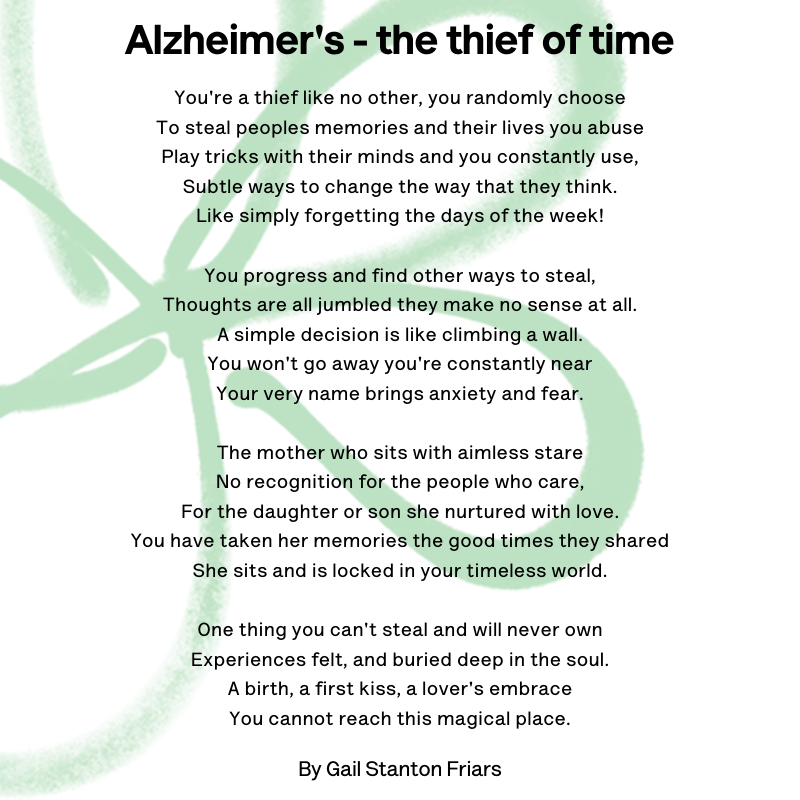
Dementia: Stealing Memories, One Day at a Time
Introduction
Imagine waking up each morning to find pieces of your life missing. Not in a dramatic, “keys-are-lost-again” kind of way, but a deeper, more unsettling erasure. Familiar faces blur, routines become puzzles, and the very fabric of your identity begins to unravel. This, in essence, is the insidious reality of dementia.
Dementia isn’t a single disease, but rather an umbrella term for a range of cognitive impairments that significantly interfere with daily life. Alzheimer’s disease is the most common culprit, accounting for a significant percentage of dementia cases, but vascular dementia, Lewy body dementia, and frontotemporal dementia also contribute to this growing global health challenge.
But what does it truly mean to have dementia? It’s more than just forgetting where you parked your car (we’ve all been there!). Dementia slowly chips away at a person’s ability to remember, reason, communicate, and even control their emotions. It’s a heartbreaking journey, not just for the individual affected, but also for their families and loved ones who witness the gradual loss of someone they cherish.
The Short-Term Stings and Long-Term Shadows
The initial stages of dementia can be subtle, almost imperceptible. Perhaps a loved one struggles to recall recent conversations, repeats themselves frequently, or misplaces items more often than usual. These short-term memory lapses can lead to frustration, anxiety, and a feeling of disorientation. Imagine the embarrassment of forgetting a close friend’s name or the fear of getting lost in a familiar neighborhood.
As the disease progresses, the impact becomes more profound. Short-term memory loss intensifies, making it difficult to learn new information or follow instructions. Language skills deteriorate, leading to difficulty finding the right words or understanding what others are saying. Judgment and decision-making become impaired, potentially leading to poor financial choices or risky behaviors.
But the long-term effects are even more devastating. Individuals with advanced dementia may lose the ability to recognize family members, perform basic self-care tasks like dressing or bathing, or even control their bodily functions. The emotional toll on caregivers is immense, as they grapple with the burden of providing round-the-clock care while witnessing the slow decline of their loved one. Social isolation, financial strain, and emotional exhaustion are common challenges faced by families navigating the complexities of dementia care.
Turning the Tide: Practical Solutions and Approaches
While there’s currently no cure for most forms of dementia, there are strategies and interventions that can significantly improve the quality of life for individuals living with the condition and their caregivers.
- Early Detection is Key: Recognizing the early signs of dementia is crucial. If you notice persistent memory problems, difficulty with language, or changes in personality, consult a doctor for a thorough evaluation. Early diagnosis allows for timely interventions, such as medication and lifestyle changes, which can help slow the progression of the disease and manage symptoms.
- Creating a Supportive Environment: Modifying the home environment can make a world of difference. Simplify the living space by removing clutter and potential hazards. Use visual cues, such as labels and signs, to help the individual navigate their surroundings. Establish a consistent routine to provide structure and reduce confusion. Consider installing assistive devices, such as grab bars in the bathroom or a medication dispenser, to promote independence and safety.
- Engaging the Mind and Body: Mental and physical activity can help preserve cognitive function and improve overall well-being. Encourage participation in activities that stimulate the mind, such as puzzles, reading, or reminiscing about past experiences. Regular physical exercise, such as walking or swimming, can improve blood flow to the brain and reduce the risk of falls.
- Communication is Crucial: As dementia progresses, communication becomes increasingly challenging. Speak slowly and clearly, using simple language. Maintain eye contact and use nonverbal cues, such as gestures and facial expressions, to convey your message. Be patient and understanding, and avoid correcting or arguing with the individual. Focus on creating a positive and supportive communication environment.
- Leveraging Technology: Technology can play a valuable role in dementia care. Memory aids, such as digital calendars and reminder apps, can help individuals stay organized and remember important appointments. GPS tracking devices can provide peace of mind for caregivers, allowing them to locate their loved one if they wander off. Telehealth services can provide access to medical care and support from the comfort of home.
- Support for Caregivers: Caregiving for someone with dementia is a demanding and often isolating experience. It’s essential for caregivers to prioritize their own well-being and seek support from others. Join a support group, attend educational workshops, or consult with a therapist. Respite care services can provide temporary relief from caregiving responsibilities, allowing caregivers to recharge and avoid burnout.
Examples in Action:
- The “Memory Box”: A family created a memory box for their mother who was diagnosed with Alzheimer’s. Filled with old photos, letters, and mementos, the box served as a conversation starter and helped her reconnect with cherished memories.
- The “Music Therapy Miracle”: A care facility incorporated music therapy into its dementia program. Patients who were previously withdrawn and unresponsive began to sing along to familiar tunes, exhibiting improved mood and cognitive function.
- The “Tech-Savvy Solution”: A caregiver used a smart speaker to remind her father to take his medication and provide him with daily news updates. The technology helped him maintain a sense of independence and connection to the world.
Alternative Approaches: Tailoring Solutions to Individual Needs
Dementia manifests differently in each individual, so a one-size-fits-all approach is rarely effective. Consider these alternative solutions:
- Person-Centered Care: Focus on the individual’s unique needs, preferences, and values. This approach emphasizes autonomy and dignity, allowing the person with dementia to maintain a sense of control over their life.
- Reality Orientation vs. Validation Therapy: Reality orientation involves constantly reminding the individual of the current time, place, and person. Validation therapy, on the other hand, focuses on accepting the individual’s perception of reality, even if it’s not accurate. The best approach depends on the individual’s stage of dementia and their emotional needs.
- Alternative Therapies: Some individuals find relief from symptoms through alternative therapies such as aromatherapy, acupuncture, or massage. While the evidence supporting these therapies is limited, they may provide comfort and relaxation.
A Future of Hope and Action
Dementia may steal memories, but it cannot steal the spirit, the love, and the enduring human connection that binds us together. By understanding the disease, implementing practical solutions, and supporting those affected, we can create a more compassionate and inclusive world for individuals living with dementia and their caregivers.
The journey may be challenging, but it’s not without hope. Research is advancing, new treatments are emerging, and communities are becoming more dementia-friendly. Let us embrace the opportunity to make a difference, one memory at a time. The time to act is now. Let’s work together to create a future where dementia is better understood, effectively managed, and ultimately, prevented.