Health Apocalypse: Are You Ready?
Introduction
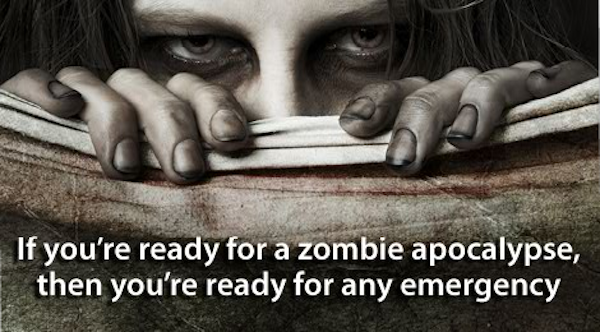
Okay, let’s be honest. The phrase “health apocalypse” sounds like something ripped straight from a dystopian movie trailer, right? But before you picture yourself scavenging for antibiotics in a wasteland, hear me out. While we might not be facing a Mad Max-style scenario, the convergence of several concerning trends – rising chronic diseases, antibiotic resistance, mental health crises, and increasing healthcare costs – paints a picture that deserves our attention. It’s less a sudden cataclysm and more a slow-burning crisis, and the question isn’t if it will impact us, but how deeply it already is.
Think about it. How many people do you know battling diabetes, heart disease, or autoimmune disorders? How many are struggling with anxiety, depression, or burnout? These aren’t isolated incidents; they’re symptoms of a larger systemic issue, and ignoring them is like ignoring the rising floodwaters until they’re lapping at your doorstep.
So, are we facing a health apocalypse? Maybe not in the literal, cinematic sense. But we are undeniably facing a significant health challenge, and being prepared, both individually and collectively, is more crucial than ever.
The Short-Term Storm: Immediate Impacts We’re Already Seeing
The immediate effects of this escalating health crisis are all around us, subtly eroding our quality of life and straining our resources.
- Overwhelmed Healthcare Systems: Emergency rooms are packed, wait times for appointments are skyrocketing, and healthcare professionals are facing burnout. This isn’t just inconvenient; it can delay critical care and lead to poorer outcomes.
- Rising Healthcare Costs: Insurance premiums are increasing, prescription drug prices are astronomical, and even routine checkups can break the bank. This financial burden forces many to delay or forego necessary medical care, creating a vicious cycle of worsening health.
- Increased Stress and Anxiety: The constant barrage of health information (and misinformation) can be overwhelming, leading to heightened anxiety and a sense of helplessness. Navigating insurance, understanding complex medical jargon, and worrying about potential health threats adds another layer of stress to our already busy lives.
- Decreased Productivity: When we’re not feeling our best, our productivity suffers. Chronic pain, fatigue, and mental health challenges can impact our work performance, our ability to care for our families, and our overall engagement in life.
The Long Game: Long-Term Consequences We Need to Avert
While the short-term effects are concerning, the long-term consequences of neglecting our health are even more daunting.
- Weakened Immune Systems: Chronic stress, poor diet, and lack of exercise weaken our immune systems, making us more susceptible to infectious diseases and less able to recover from illness. This is particularly concerning in an era of emerging global pandemics.
- Escalating Chronic Disease Rates: If current trends continue, we can expect to see even higher rates of diabetes, heart disease, cancer, and other chronic illnesses. This will place an even greater strain on our healthcare system and further erode our quality of life.
- Shorter Lifespans: While advancements in medicine have extended lifespans, unhealthy lifestyles are starting to reverse that trend. If we don’t prioritize preventative care and adopt healthier habits, we risk living shorter, less fulfilling lives.
- Economic Instability: A sicker population translates to a less productive workforce, higher healthcare costs, and a drain on economic resources. This can lead to a decline in economic growth and a reduced standard of living.
- Compromised Future Generations: The health of future generations is directly linked to the health of their parents. Unhealthy habits and chronic diseases can be passed down, creating a cycle of poor health that’s difficult to break.
So, What Can We Do? Practical Solutions for a Healthier Future
Okay, enough doom and gloom. The good news is that we’re not powerless in the face of these challenges. There are concrete steps we can take, both individually and collectively, to improve our health and build a more resilient future.
Individual Actions: Taking Control of Your Well-being
- Prioritize Preventative Care: Don’t wait until you’re sick to see a doctor. Schedule regular checkups, screenings, and vaccinations to catch potential problems early. This is a cornerstone of preventative care.
- Embrace a Healthy Lifestyle: This seems obvious, but it’s worth repeating. Focus on eating a balanced diet rich in fruits, vegetables, and whole grains. Get regular exercise – even a 30-minute walk each day can make a difference. Prioritize sleep and find healthy ways to manage stress.
- Become Health Literate: Arm yourself with reliable information about health and wellness. Learn how to evaluate health information critically and avoid falling prey to misinformation. Don’t be afraid to ask your doctor questions and advocate for your own health.
- Mindfulness and Mental Wellbeing: Don’t ignore your mental health. Practice mindfulness techniques like meditation or deep breathing to reduce stress and improve your overall well-being. If you’re struggling with anxiety, depression, or other mental health challenges, seek professional help.
- Build a Support System: Surround yourself with people who support your health goals. Having a strong social network can help you stay motivated, reduce stress, and cope with challenges.
Collective Actions: Building a Healthier Community
- Advocate for Policy Changes: Support policies that promote healthy lifestyles, such as access to affordable healthcare, healthy food options, and safe environments for physical activity. Advocate for funding for public health initiatives and research.
- Support Local Initiatives: Get involved in local community programs that promote health and wellness. This could include volunteering at a food bank, participating in a community garden, or supporting local health organizations.
- Promote Health Education: Share reliable health information with your friends, family, and community. Encourage open conversations about health and wellness and help to debunk myths and misinformation.
- Invest in Public Health Infrastructure: Support efforts to strengthen our public health infrastructure, including disease surveillance, emergency preparedness, and health promotion programs.
- Demand Transparency from the Food Industry: Advocate for clearer labeling on food products and hold food manufacturers accountable for promoting healthy eating habits.
Finding What Works for You: Alternative Approaches
Not every solution fits every person. Here are a few alternative approaches to consider:
- Integrative Medicine: Explore integrative medicine approaches that combine conventional medicine with complementary therapies such as acupuncture, massage therapy, and herbal medicine.
- Functional Medicine: Functional medicine focuses on identifying and addressing the root causes of disease, rather than just treating the symptoms.
- Telehealth: Telehealth can provide convenient access to healthcare services, particularly for those in rural areas or with limited mobility.
- Community-Based Wellness Programs: Look for community-based wellness programs that offer support and resources for adopting healthier lifestyles.
- Health Coaching: A health coach can provide personalized support and guidance to help you achieve your health goals.
Example: Let’s say you’re struggling to incorporate more exercise into your daily routine. A traditional approach might involve joining a gym and following a generic workout plan. An alternative approach could involve finding a walking buddy, taking dance classes, or using a fitness app to track your progress. The key is to find activities that you enjoy and that fit into your lifestyle.
The Takeaway: Optimism and Action
While the challenges we face are significant, they are not insurmountable. By taking proactive steps to improve our health, both individually and collectively, we can build a more resilient and healthier future. Don’t be paralyzed by fear or overwhelmed by the scope of the problem. Start small, focus on what you can control, and remember that every positive action makes a difference.
This isn’t about surviving a health apocalypse; it’s about thriving in a world that demands we prioritize our well-being. It’s about taking ownership of your health, empowering yourself with knowledge, and building a support system that encourages and sustains you. The “health apocalypse” doesn’t have to be a prophecy; it can be a wake-up call. A call to action. A call to prioritize our well-being and create a healthier, more vibrant future for ourselves and generations to come. So, are you ready? Let’s get started.