Diet Culture Is Dead. Long Live Intuitive Eating.
Introduction
Remember the last time you meticulously counted every calorie, felt guilty for indulging in a slice of cake, or endured the relentless restrictions of the latest fad diet? If you’re nodding along, you’re not alone. For decades, diet culture has reigned supreme, dictating our relationship with food and our bodies, promising happiness and health through deprivation and control. But the tide is turning. The reign of rigid rules and unrealistic expectations is crumbling, and in its place, a more compassionate and sustainable approach is emerging: intuitive eating.
The Wreckage of Diet Culture: A Short-Term Fix with Long-Term Damage
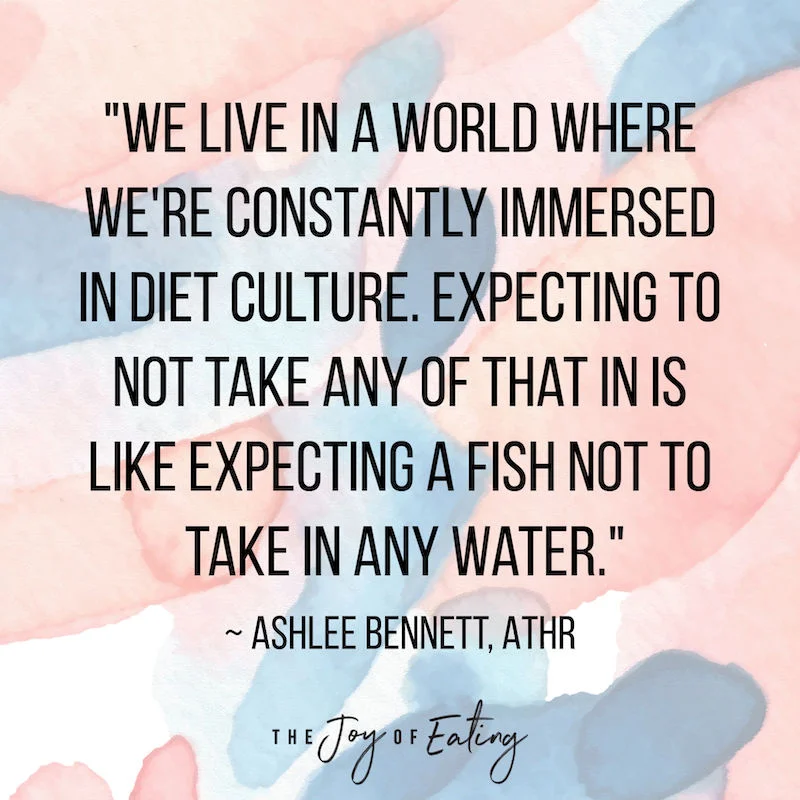
Diet culture, at its core, is a system of beliefs that equates thinness with health and moral virtue, while simultaneously demonizing certain foods and body shapes. It’s a multi-billion dollar industry built on our insecurities, promising quick fixes that rarely deliver lasting results.
In the short term, a restrictive diet might lead to weight loss, offering a fleeting sense of accomplishment and validation. Perhaps you fit back into those old jeans, or a number on the scale briefly dips down. But what happens next? The cravings intensify. The social isolation sets in as you decline invitations to dinner or meticulously analyze restaurant menus. The anxiety around food becomes all-consuming.
And that’s just the tip of the iceberg. The long-term impacts of diet culture are far more insidious. Studies have shown a strong correlation between dieting and increased risk of eating disorders, depression, anxiety, and body dissatisfaction. Our metabolism can be negatively impacted through repeated cycles of weight loss and gain (yo-yo dieting). We become disconnected from our body’s natural signals of hunger and fullness, leading to a constant state of internal conflict. We forget how to simply enjoy food.
Consider Sarah, a vibrant and intelligent woman who spent over a decade cycling through various diets. “I was obsessed,” she confessed. “Every spare moment was spent researching the next ‘best’ diet. I lost weight, sure, but I was constantly stressed, irritable, and my relationship with my family suffered. I missed out on so much because I was too busy worrying about what I could and couldn’t eat.” Sarah eventually developed an eating disorder and sought therapy to break free from the clutches of diet culture. Her story, sadly, is not unique.
Intuitive Eating: A Path to Food Freedom and Body Trust
Intuitive eating is not a diet. It’s an evidence-based, self-care eating framework that focuses on rebuilding a healthy relationship with food, mind, and body. It emphasizes honoring your body’s internal cues of hunger, fullness, and satisfaction, rather than relying on external rules and restrictions. It’s about learning to trust your body again.
The core principles of intuitive eating, developed by dietitians Evelyn Tribole and Elyse Resch, are:
- Reject the Diet Mentality: Recognize the damage that dieting has caused and actively challenge diet culture beliefs.
- Honor Your Hunger: Learn to recognize and respond to your body’s hunger signals.
- Make Peace with Food: Give yourself unconditional permission to eat all foods.
- Challenge the Food Police: Silence the internal critic that judges your food choices.
- Discover the Satisfaction Factor: Find pleasure and enjoyment in eating.
- Feel Your Fullness: Learn to recognize and respect your body’s fullness signals.
- Cope with Your Emotions with Kindness: Find healthy ways to manage your emotions without using food.
- Respect Your Body: Accept and appreciate your body as it is.
- Movement – Feel the Difference: Engage in physical activity that you enjoy, focusing on how it makes you feel, rather than on burning calories.
- Honor Your Health – Gentle Nutrition: Make food choices that honor your health and taste buds while feeling good.
Practical Steps to Embrace Intuitive Eating:
- Start Small: You don’t have to overhaul your entire eating philosophy overnight. Begin by identifying one diet rule you’re willing to let go of. Maybe it’s banning a certain food group or restricting your eating window.
- Tune In: Before each meal, take a moment to check in with your body. Ask yourself: How hungry am I? What am I truly craving? How will this food make me feel?
- Eat Mindfully: Ditch the distractions – put away your phone, turn off the TV, and focus on your food. Savor each bite, paying attention to the flavors, textures, and aromas.
- Challenge Negative Thoughts: When the “food police” creep in with judgmental thoughts, challenge them. Remind yourself that all foods fit, and that one meal doesn’t define your worth.
- Seek Support: Connecting with a registered dietitian specializing in intuitive eating or joining a support group can provide invaluable guidance and encouragement.
Alternative Approaches and Personalized Solutions:
Intuitive eating isn’t a one-size-fits-all approach. It’s a journey of self-discovery that requires patience, self-compassion, and a willingness to experiment. Here are a few alternative approaches to consider:
- Mindful Eating Practices: Even if you’re not ready to fully embrace intuitive eating, incorporating mindful eating techniques can help you become more aware of your eating habits and reduce emotional eating. This might involve using guided meditations or simply focusing on your breath before and during meals.
- Body Positivity and Acceptance: Cultivating a more positive body image can significantly impact your relationship with food. Focus on appreciating your body for its strength, functionality, and unique qualities, rather than striving for an unattainable ideal.
- Health at Every Size (HAES): The HAES approach emphasizes health and well-being over weight. It promotes joyful movement, nutritious eating based on individual needs, and respect for body diversity.
- Therapy: For individuals struggling with disordered eating or deeply ingrained diet culture beliefs, therapy can provide a safe and supportive space to explore these issues and develop healthier coping mechanisms.
Beyond the Plate: A Holistic Approach to Well-being
Intuitive eating isn’t just about food; it’s about cultivating a holistic approach to well-being that encompasses physical, mental, and emotional health. It’s about recognizing that true health is about so much more than a number on the scale.
Consider Maria, a successful entrepreneur who found herself constantly stressed and overwhelmed. She initially turned to dieting as a way to regain control, but soon realized that it was only exacerbating her anxiety. “Intuitive eating taught me to listen to my body’s needs, not just for food, but for rest, movement, and connection,” she explained. “I started prioritizing self-care practices like yoga, meditation, and spending time in nature. As a result, my stress levels decreased, my energy increased, and my relationship with food completely transformed.”
The Future of Food: A Culture of Compassion and Connection
Diet culture is crumbling, not because it’s losing popularity, but because people are waking up to its damaging effects and seeking a more sustainable and compassionate path. Intuitive eating is not just a trend; it’s a movement towards a healthier and more fulfilling relationship with food, body, and self.
Embracing intuitive eating is an act of rebellion against the restrictive and unrealistic expectations of diet culture. It’s an invitation to reclaim your food freedom, trust your body, and nourish yourself with kindness and respect. It’s a journey that requires patience, self-compassion, and a willingness to unlearn years of ingrained beliefs. But the rewards – a sense of peace, freedom, and genuine well-being – are well worth the effort.
So, let’s raise a glass – not of a restrictive shake, but of whatever nourishes your soul – to the death of diet culture and the rise of intuitive eating. It’s time to break free from the chains of restriction and embrace a life of food freedom and body acceptance. The future of food is here, and it’s delicious.