Supplements

Science: Unveiling the Universe’s Secrets.

Science: Unveiling the Universe’s SecretsUniverse Image

Science: Unveiling the Universe’s Secrets

Introduction

Ever looked up at the night sky and felt a pang of wonder? That’s science calling to you. It’s that innate human drive to understand what makes the world, and the universe, tick. But science isn’t just about distant galaxies and complex equations; it’s about answering the big questions, sure, but it’s also about the small, everyday marvels that shape our lives. And honestly? It’s a whole lot more exciting than many people give it credit for.

Science, at its core, is a continuous process of exploration, questioning, and discovery. It’s a relentless pursuit of truth, driven by curiosity and fueled by evidence. It’s the reason we have smartphones in our pockets, life-saving medications in our pharmacies, and the ability to venture beyond our planet. But beyond the tangible benefits, science offers something more profound: a deeper understanding of our place in the grand cosmic scheme.

The Power of Knowing: Why Understanding Matters

Why should you care about science? Beyond the cool gadgets and groundbreaking discoveries, science impacts our lives in ways we often overlook. Think about climate change. Understanding the science behind it – the greenhouse effect, the impact of carbon emissions – is crucial for making informed decisions about our future. Without scientific understanding, we’re just blindly stumbling into a potentially disastrous future.

In the short term, a lack of scientific literacy can lead to things like misinformation spreading like wildfire (think bogus medical advice online), poor policy decisions based on flawed data, and a general distrust in experts who are actually trying to help. We see this play out daily in debates around vaccines, genetically modified organisms, and even basic public health measures.

But the long-term consequences are even more alarming. If we, as a society, don’t cultivate a deeper understanding of science, we risk stifling innovation, falling behind in global competitiveness, and ultimately, failing to address some of the most pressing challenges facing humanity. Imagine a world where we can’t develop new antibiotics to fight resistant bacteria, or where we’re unable to engineer crops that can withstand the effects of climate change. The future hinges on our ability to understand and apply scientific principles.

Demystifying Discovery: Practical Solutions for a Brighter Future

So, how do we bridge the gap between scientific knowledge and public understanding? How do we make science accessible, engaging, and relevant to everyone? Here are a few practical solutions:

  • Embrace Citizen Science: Citizen science initiatives empower everyday people to participate in real scientific research. For example, projects like “Galaxy Zoo” allow volunteers to classify galaxies from telescope images, contributing to our understanding of the universe. The Zooniverse platform hosts a multitude of such projects. Not only does this help researchers gather data more efficiently, but it also fosters a sense of ownership and excitement about scientific discovery. You’re not just reading about science; you’re doing it.
  • Support Engaging Science Communication: Science communication is key to translating complex research into digestible and engaging content. Think about Bill Nye the Science Guy, or the quirky experiments of “MythBusters.” These programs made science fun and accessible to millions. We need more scientists who are willing and able to communicate their research effectively through various platforms, from blogs and podcasts to YouTube channels and social media. Funding science communication initiatives, training scientists in public engagement, and encouraging collaborations between scientists and journalists can make a huge difference.
  • Promote Inquiry-Based Learning in Education: Traditional science education often focuses on rote memorization of facts. But inquiry-based learning, which encourages students to ask questions, design experiments, and analyze data, fosters critical thinking skills and a deeper understanding of scientific concepts. The key is to let curiosity drive the learning process. Programs like the “Science Olympiad” promote this type of learning, encouraging students to collaborate and compete in challenging science-based activities.
  • Fund Science Museums and Interactive Exhibits: Science museums provide hands-on experiences that can spark curiosity and foster a love of science in people of all ages. Interactive exhibits that allow visitors to explore scientific concepts through experimentation and play are particularly effective. The Exploratorium in San Francisco is a prime example of a science museum that excels at engaging visitors with science through interactive exhibits and educational programs.
  • Support Open Access to Scientific Research: Scientific research is often locked behind paywalls, making it inaccessible to the general public. Open access journals and repositories make research articles freely available to everyone, promoting transparency and accelerating scientific progress. Initiatives like the “Directory of Open Access Journals” (DOAJ) help to promote and support open access publishing.

Alternative Paths to Scientific Enlightenment

The beauty of science is that there isn’t one single pathway to understanding. Here are some alternative approaches:

  • Community Science Workshops: Local libraries or community centers can host hands-on science workshops for both children and adults. These workshops can cover topics like basic electronics, coding, or even simple chemistry experiments.
  • Science Book Clubs: Form a book club focused on popular science books. This provides an opportunity to discuss scientific concepts in a relaxed and informal setting.
  • Mentorship Programs: Pair students with scientists or engineers who can provide guidance and mentorship. This allows students to learn about science from someone who is actively engaged in the field.

A Future Shaped by Understanding

The universe is vast, complex, and full of mysteries waiting to be unraveled. Science is the tool we use to explore these mysteries, to understand the world around us, and to create a better future. By promoting scientific literacy, supporting science communication, and fostering a culture of curiosity and inquiry, we can empower individuals to make informed decisions, solve complex problems, and contribute to a more sustainable and prosperous world.

The challenges we face as a society – climate change, disease, resource depletion – require innovative solutions rooted in scientific understanding. By investing in science and encouraging a love of learning, we can unlock the potential of future generations and build a brighter future for all. Don’t just passively accept the world around you; question it, explore it, and become a part of the scientific journey. The universe awaits.

Dementia: Stealing Memories, Erasing Lives.

Dementia: Stealing Memories, Erasing LivesDementia Awareness

Dementia: Stealing Memories, Erasing Lives

Introduction

Imagine waking up one morning and not recognizing your own reflection. Or forgetting the name of your child, the face of your spouse, the melody of your favorite song. This isn’t a scene from a dystopian novel; it’s the daily reality for millions living with dementia. It’s more than just forgetfulness; it’s a gradual erosion of identity, a slow theft of the very essence of who we are.

Dementia, a term encompassing a range of cognitive decline symptoms, isn’t a single disease. Alzheimer’s disease is the most common culprit, but vascular dementia, Lewy body dementia, and frontotemporal dementia also contribute to this growing global challenge. It’s a problem that doesn’t just impact the individual suffering from it; it ripples outwards, affecting families, caregivers, and society as a whole.

But before you feel overwhelmed by the gravity of the situation, let’s remember that knowledge is power. Understanding dementia, its impacts, and potential solutions is the first step towards mitigating its devastating effects and fostering a more compassionate and supportive world for those affected.

The Short-Term Impacts: A Daily Struggle

The initial stages of dementia often manifest subtly. A misplaced set of keys, forgetting an appointment, struggling to find the right word – these occasional lapses, easily dismissed as “senior moments,” can be early warning signs. As the disease progresses, these symptoms intensify.

The short-term impact on the individual is profound. They may struggle with:

  • Memory loss: Difficulty remembering recent events, names, and conversations. This can lead to frustration, confusion, and a feeling of being lost even in familiar surroundings.
  • Cognitive impairment: Challenges with reasoning, problem-solving, and decision-making. Simple tasks like managing finances or following recipes become increasingly difficult.
  • Language difficulties: Trouble finding the right words, understanding conversations, or expressing thoughts clearly.
  • Behavioral changes: Irritability, anxiety, depression, agitation, and even aggression can surface as the individual struggles to cope with their declining cognitive abilities.
  • Loss of independence: As cognitive and physical abilities decline, individuals become increasingly dependent on others for assistance with daily living activities like bathing, dressing, and eating.

The Long-Term Impacts: A Cascade of Challenges

The long-term effects of dementia are even more far-reaching. The relentless progression of the disease leads to:

  • Significant decline in quality of life: The inability to participate in activities they once enjoyed, maintain relationships, and live independently significantly impacts their overall well-being.
  • Increased caregiver burden: Caring for someone with dementia is a demanding and emotionally taxing task. Caregivers often experience stress, burnout, depression, and financial hardship.
  • Financial strain: The cost of dementia care can be substantial, including expenses for medication, assisted living facilities, and home healthcare services.
  • Societal impact: Dementia places a significant burden on healthcare systems and social services. The aging global population means that the prevalence of dementia is expected to rise dramatically in the coming decades, further straining resources.
  • Erosion of relationships: The behavioral changes and cognitive decline associated with dementia can strain relationships with family and friends, leading to isolation and loneliness.

Solutions: A Multi-faceted Approach

While there’s currently no cure for most forms of dementia, there are several strategies that can help manage symptoms, improve quality of life, and provide support for both individuals living with dementia and their caregivers. The key is a multi-faceted approach:

  1. Early Detection and Diagnosis:
    • Why it matters: Early diagnosis allows for timely intervention, access to treatment options, and the opportunity for individuals to make informed decisions about their future care.
    • What you can do: Be vigilant about observing changes in memory, thinking, or behavior in yourself or loved ones. Consult a healthcare professional for a comprehensive evaluation if you have concerns.
    • Example: John, a 70-year-old retired teacher, noticed he was increasingly forgetting appointments and struggling to follow conversations. His wife encouraged him to see a doctor, who diagnosed him with mild cognitive impairment. Early intervention allowed John to participate in clinical trials and access resources to help manage his condition.
  2. Medical Management:
    • Why it matters: Medications can help manage some of the symptoms of dementia, such as memory loss, anxiety, and depression.
    • What you can do: Work closely with a healthcare provider to develop a personalized treatment plan that includes medication, lifestyle modifications, and other therapies.
    • Example: Maria, diagnosed with Alzheimer’s disease, was prescribed medication to help improve her memory and cognitive function. While the medication didn’t cure her dementia, it helped slow the progression of the disease and improve her quality of life for a significant period.
  3. Lifestyle Modifications:
    • Why it matters: A healthy lifestyle can help protect brain health and potentially slow the progression of dementia.
    • What you can do: Encourage a healthy diet rich in fruits, vegetables, and omega-3 fatty acids; engage in regular physical activity; maintain social connections; and stimulate the brain with mentally challenging activities.
    • Example: A study published in The Lancet found that individuals who followed a Mediterranean diet, engaged in regular exercise, and participated in social activities had a lower risk of developing dementia.
  4. Cognitive Therapies:
    • Why it matters: Cognitive therapies, such as memory training and reality orientation, can help individuals with dementia maintain cognitive function and improve their orientation to time and place.
    • What you can do: Explore options such as cognitive stimulation therapy (CST), which involves engaging in group activities designed to stimulate thinking and memory.
    • Example: At the “Memory Matters” center, group therapy sessions help people learn to reinforce their memories, share experiences and connect with each other.
  5. Environmental Modifications:
    • Why it matters: Creating a safe and supportive environment can help reduce confusion, prevent falls, and improve the overall well-being of individuals with dementia.
    • What you can do: Simplify the environment, remove hazards, provide clear signage, and ensure adequate lighting.
    • Example: Sarah’s family modified her home by installing grab bars in the bathroom, removing throw rugs, and labeling drawers and cabinets with clear pictures to help her navigate her surroundings more easily.
  6. Caregiver Support:
    • Why it matters: Caregivers need support to manage the emotional, physical, and financial challenges of caring for someone with dementia.
    • What you can do: Seek out support groups, respite care services, and educational resources to help you cope with the demands of caregiving.
    • Example: The Alzheimer’s Association offers a range of support services for caregivers, including support groups, online forums, and educational programs.

Alternative Approaches to Explore

Beyond the conventional methods, several alternative approaches are gaining attention:

  • Mindfulness and Meditation: Studies suggest mindfulness practices can reduce stress and improve cognitive function in individuals with mild cognitive impairment.
  • Art and Music Therapy: Engaging in creative activities can stimulate the brain, improve mood, and enhance communication.
  • Pet Therapy: Interacting with animals can provide comfort, reduce anxiety, and improve social interaction.

A Future of Hope and Action

Dementia is a formidable challenge, but it’s not insurmountable. By embracing early detection, adopting healthy lifestyles, seeking medical management, and providing compassionate support, we can significantly improve the lives of those affected by this devastating disease.

The fight against dementia requires a collective effort. We must support research efforts to develop new treatments and ultimately find a cure. We must advocate for policies that support individuals with dementia and their caregivers. And we must create communities that are dementia-friendly and inclusive.

Remember, every small action counts. Educate yourself and others about dementia. Volunteer your time to support local organizations. Reach out to a friend or neighbor who is caring for someone with dementia. Together, we can make a difference in the lives of those who are struggling with memory loss and cognitive decline.

Let’s face this challenge with courage, compassion, and a unwavering commitment to creating a future where memories are cherished, lives are celebrated, and dementia no longer steals our precious moments. The journey is long, but with hope as our compass and action as our guide, we can illuminate the path forward.

Unlocking Parkinson’s: Hope on the Horizon.

“`html
Unlocking Parkinson’s: Hope on the Horizon

Unlocking Parkinson’s: Hope on the Horizon

Introduction

Parkinson’s Disease. The name alone can conjure images of tremors, stiffness, and a life seemingly diminished. But what if I told you the narrative is changing? What if the future of Parkinson’s is not about acceptance, but about active engagement, innovative therapies, and a vibrant life lived to the fullest? We’re not talking about a magic cure (yet!), but rather a landscape of progress, offering real hope to the millions affected worldwide.

Let’s be honest, the initial diagnosis can feel like a punch to the gut. Suddenly, everyday tasks become challenges. Imagine buttoning your shirt taking twice as long, or your handwriting becoming an indecipherable scrawl. These are the short-term impacts – the frustrating realities that Parkinson’s throws at you daily. Beyond the physical, there’s the emotional toll. The anxiety, the fear of the unknown, the potential for social isolation – these are just as significant. Many individuals with Parkinson’s struggle with depression and a loss of confidence, impacting relationships and overall quality of life.

Looking further down the road, the long-term impacts can feel even more daunting. The disease is progressive, meaning symptoms worsen over time. This can lead to increased dependence on others, potential cognitive decline, and a decreased ability to participate in activities you once loved. The financial burden can also be substantial, with costs associated with medication, therapy, and potentially long-term care. The thought of losing independence and becoming a burden on loved ones is a major concern for many.

But hold on. Before you feel overwhelmed, let’s shift gears. Because here’s the good news: while Parkinson’s is a complex disease, it’s not an insurmountable one. Scientists and medical professionals are working tirelessly to develop new treatments and therapies, and individuals with Parkinson’s are finding innovative ways to manage their symptoms and live fulfilling lives. It’s time to explore the “hope on the horizon.”

Practical Solutions: Your Toolkit for Thriving with Parkinson’s

The key to unlocking a better future with Parkinson’s lies in a multi-faceted approach. Think of it as building your own personalized toolkit, filled with strategies that work best for you. Here are a few key areas to consider:

  • Medication Management: Finding the Right Fit: Medications like levodopa are the cornerstone of Parkinson’s treatment, helping to replenish dopamine levels in the brain. However, finding the right dosage and managing side effects can be tricky. It’s crucial to work closely with your neurologist to find the optimal medication regimen for your specific needs. Don’t be afraid to ask questions, voice your concerns, and explore different options.
    • Example: John, a 65-year-old diagnosed with Parkinson’s, initially struggled with the side effects of levodopa. Through open communication with his neurologist, they adjusted the dosage and added another medication to manage his tremors, significantly improving his quality of life.
  • The Power of Exercise: Moving Your Way to Better Health: Exercise is arguably one of the most effective non-pharmacological treatments for Parkinson’s. It can improve motor skills, balance, flexibility, and even cognitive function. Think beyond just hitting the gym. Consider activities like:
    • Rock Steady Boxing: A non-contact boxing program specifically designed for people with Parkinson’s. It focuses on improving strength, coordination, and balance.
    • Tai Chi: A gentle form of exercise that promotes balance, flexibility, and relaxation.
    • Dance: Engaging in dance classes can improve motor skills, coordination, and social interaction.
    • Case Study: A study published in the Journal of Parkinson’s Disease found that regular exercise, particularly aerobic exercise, can slow the progression of Parkinson’s symptoms and improve overall quality of life.
  • Nutrition for Neurological Health: Fueling Your Brain: Diet plays a significant role in managing Parkinson’s symptoms. There’s no one-size-fits-all approach, but focusing on a balanced diet rich in fruits, vegetables, and whole grains is essential. Specific considerations include:
    • Protein Intake: Timing protein intake around levodopa medication can help optimize its absorption.
    • Hydration: Staying hydrated is crucial for overall health and can help prevent constipation, a common symptom of Parkinson’s.
    • Fiber: A high-fiber diet can also help with constipation and promote gut health.
  • Therapy and Support: Finding Your Tribe: Parkinson’s can be isolating, but you don’t have to go it alone. Support groups, both in-person and online, provide a safe space to share experiences, learn from others, and build a sense of community. Occupational therapy can help you adapt your environment and develop strategies to manage daily tasks. Speech therapy can address speech and swallowing difficulties.
    • Alternative Approach: If traditional support groups aren’t your thing, consider online forums or social media groups dedicated to Parkinson’s. These platforms can provide a convenient way to connect with others and access information.
  • Embracing Assistive Technology: Tools for Independence: Assistive technology can play a crucial role in maintaining independence and quality of life. Consider tools like:
    • Adaptive Utensils: Modified cutlery can make eating easier for individuals with tremors.
    • Voice-Activated Devices: Smart home devices can help with tasks like turning on lights, controlling the television, and making phone calls.
    • Mobility Aids: Canes, walkers, and wheelchairs can provide support and improve mobility.

Exploring Alternative Approaches:

While conventional treatments are essential, many individuals with Parkinson’s also explore alternative approaches to manage their symptoms. These may include:

  • Acupuncture: Some studies suggest that acupuncture can help alleviate pain, improve sleep, and reduce tremors in individuals with Parkinson’s.
  • Mindfulness and Meditation: These practices can help reduce stress, improve mood, and enhance overall well-being.
  • Supplements: Some supplements, such as CoQ10 and creatine, have shown promise in slowing the progression of Parkinson’s, but more research is needed. Always consult with your doctor before taking any new supplements.

Important Note: Alternative therapies should be used in conjunction with, and not as a replacement for, conventional medical treatment. It’s crucial to discuss any alternative approaches with your doctor to ensure they are safe and appropriate for you.

Taking Action: Your Next Steps

Unlocking a better future with Parkinson’s is not a passive process. It requires active engagement, a willingness to learn, and a commitment to taking control of your health. Here are a few concrete steps you can take today:

  1. Schedule a comprehensive evaluation with a neurologist specializing in Parkinson’s Disease.
  2. Research local support groups and therapy options.
  3. Develop a personalized exercise plan with a physical therapist or certified personal trainer.
  4. Start tracking your symptoms and medication effectiveness to better communicate with your healthcare team.
  5. Identify one small change you can make to improve your diet or lifestyle.

The Future is Bright:

Parkinson’s Disease is a challenge, no doubt. But it doesn’t have to define you. With advancements in medical research, innovative therapies, and a proactive approach to self-care, a vibrant and fulfilling life is within reach. The “hope on the horizon” is not just a slogan; it’s a reality being built every day by researchers, clinicians, and, most importantly, by the individuals living with Parkinson’s who refuse to let the disease steal their joy, their purpose, or their lives. Take that first step. Build your toolkit. And embrace the journey towards a brighter future. You’ve got this.


“`

Cancer: Stealing Time.


Cancer: Stealing Time.Cancer Survivorship Summit

Cancer: Stealing Time.

Introduction

Time.It’s our most precious commodity, isn’t it?We trade it for experiences, relationships, accomplishments, and even the mundane moments that make up our everyday lives.But what happens when something, seemingly out of nowhere, starts chipping away at that precious time?That thief, more often than we’d like to admit, is cancer.

Cancer: the word itself carries a weight, a chilling promise of uncertainty.We all know someone touched by it – a family member, a friend, a colleague.It’s not just a disease; it’s a time-robber, stealing moments from birthdays, anniversaries, graduations, and countless other experiences that weave the tapestry of a life well-lived.It’s stealing time, both literally in the years potentially lost, and figuratively in the quality of life during treatment and recovery.

The Short-Term Sting: Disrupting the Now

In the immediate aftermath of a cancer diagnosis, life often feels like it’s been thrown into a blender.The shockwaves reverberate through every aspect of daily living.Suddenly, doctor appointments become a dominant feature of the calendar.Work schedules are disrupted.Simple joys are often overshadowed by fatigue, nausea, and the constant anxiety that comes with navigating treatment options.

Think of Maria, a vibrant graphic designer in her early 40s, diagnosed with breast cancer.Before her diagnosis, she thrived on creative projects, weekend hikes, and spontaneous dinners with friends.Chemotherapy, while a necessary step towards recovery, brought with it debilitating fatigue.Her deadlines stretched, her hikes turned into naps, and those spontaneous dinners became cherished memories she longed to recreate.Cancer stole her immediate ability to live life on her own terms, forcing her to surrender to a demanding schedule of treatments and side effects.

The financial burden, too, is a significant short-term thief of time and peace of mind.Dealing with insurance companies, navigating complex billing procedures, and worrying about the cost of medication can quickly consume hours and cause immense stress.The time spent fighting these battles is time stolen from healing, from family, and from simply being present.

The Long-Term Shadow: Reshaping the Future

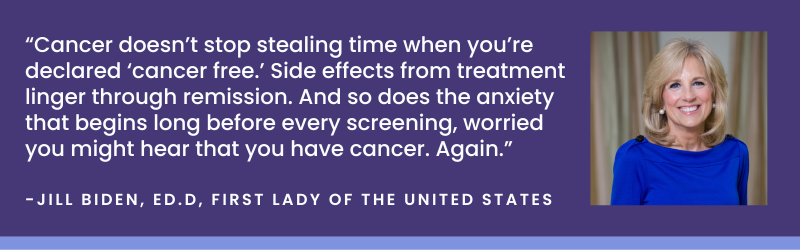
Beyond the immediate impact, cancer casts a long shadow on the future.The lingering effects of treatment, known as late effects, can persist for years, even decades.These can range from chronic fatigue and neuropathy to heart problems and increased risk of secondary cancers.The uncertainty of recurrence also looms large, creating a persistent undercurrent of anxiety.

Consider David, a high school history teacher who successfully battled Hodgkin’s lymphoma in his 20s.He went on to build a fulfilling life, marrying his sweetheart and raising two children.However, the radiation therapy he received years ago later contributed to heart complications.While he cherishes the years he gained, he faces the ongoing challenge of managing a chronic health condition, a constant reminder of the time cancer once threatened to steal.

The long-term impact extends beyond physical health.Cancer can reshape career paths, alter relationship dynamics, and impact mental well-being.The fear of recurrence can prevent individuals from fully embracing future opportunities and creating long-term plans.The emotional scars can linger, creating a barrier to fully moving forward.

Reclaiming Stolen Time: Practical Solutions and Approaches

The good news is that while cancer can steal time, it doesn’t have to win.We can actively reclaim stolen moments and empower ourselves to live fuller, richer lives, both during and after treatment.Here are some practical solutions and approaches:

  • Embrace Early Detection and Prevention:Prevention is always better than cure.Regular screenings, like mammograms, colonoscopies, and Pap tests, can detect cancer at its earliest stages when treatment is most effective and less invasive.Adopt a healthy lifestyle – a balanced diet, regular exercise, and avoiding tobacco – to minimize your risk.
    • Example: The American Cancer Society offers guidelines and resources on recommended screening schedules for various types of cancer.Use their tools to ensure you’re up-to-date.
  • Prioritize Self-Care:During and after treatment, self-care isn’t a luxury; it’s a necessity.This includes getting enough sleep, eating nutritious foods, managing stress through techniques like meditation or yoga, and engaging in activities that bring you joy.
    • Case Study: Studies have shown that mindfulness meditation can significantly reduce anxiety and improve quality of life in cancer patients.
  • Build a Strong Support System:Lean on your family, friends, and support groups.Sharing your experiences, fears, and triumphs with others who understand can be incredibly validating and empowering.
    • Actionable Tip: Find a local cancer support group or online community where you can connect with others facing similar challenges.Organizations like Cancer Research UK and Cancer Support Community offers such support.
  • Seek Professional Help:Don’t hesitate to seek professional help from therapists, counselors, or psychologists.They can provide guidance and support in navigating the emotional challenges of cancer.
    • Alternative Approach: Consider art therapy or music therapy as complementary therapies to address emotional distress and promote healing.
  • Advocate for Your Health:Become an active participant in your own care.Ask questions, research treatment options, and seek second opinions.Work with your healthcare team to develop a personalized treatment plan that aligns with your values and goals.
    • Practical Tip: Keep a journal of your symptoms, side effects, and concerns to share with your doctor during appointments.
  • Focus on What You Can Control:Cancer often brings a sense of loss of control.Focus on the aspects of your life that you can still manage – your diet, your exercise routine, your daily schedule, your relationships.
    • Example: Instead of focusing on the fatigue that limits your ability to exercise, start with short walks and gradually increase the intensity as your energy levels improve.
  • Embrace the Power of Gratitude:Practicing gratitude can shift your focus from what you’ve lost to what you still have.Take time each day to appreciate the good things in your life, no matter how small.
    • Simple Exercise: Keep a gratitude journal and write down three things you’re grateful for each day.

Reclaiming Time: A Multifaceted Approach

It’s important to understand that there’s no one-size-fits-all approach to reclaiming stolen time.What works for one person may not work for another.The key is to experiment with different strategies and find what resonates with you.Perhaps it’s focusing on mindfulness to be fully present in the moment, or dedicating time each week to a hobby you enjoy, regardless of how tired you feel.

Ultimately, reclaiming time isn’t about ignoring the reality of cancer.It’s about choosing how you respond to it.It’s about finding ways to live a meaningful life, even in the face of adversity.It’s about actively creating moments of joy, connection, and purpose, and refusing to let cancer define your narrative.

A Future Filled with Hope and Action

Cancer may steal time, but it doesn’t steal hope.Advances in medical research are constantly leading to new and improved treatments, offering greater chances of survival and a better quality of life.We have the power to reclaim our time, to support those affected by cancer, and to work towards a future where this devastating disease is a thing of the past.Take action today – schedule that screening, donate to cancer research, reach out to a friend who is struggling, or simply commit to living each day to the fullest.Every small step contributes to a world where cancer steals less time, and where everyone has the chance to live a long, healthy, and fulfilling life.

Unlock Your Ultimate Vitality.

“`html


Unlock Your Ultimate Vitality
Background Image

Unlock Your Ultimate Vitality

Introduction

Ever feel like you’re running on fumes? Like you’re constantly chasing the next deadline, the next coffee, the next quick fix just to make it through the day? You’re not alone. We’re living in a world that glorifies “busy,” often at the expense of our well-being. We push ourselves to the limit, sacrificing sleep, proper nutrition, and moments of peace, all in the name of… what exactly? Success? Productivity? Happiness?

Ironically, the very things we sacrifice are the building blocks of true vitality – that vibrant, energetic state where we feel truly alive and capable. It’s not just about having energy; it’s about having the mental clarity, emotional resilience, and physical stamina to thrive in all aspects of our lives.

The Silent Thief: Vitality Depletion

Think of vitality as a battery. We’re born with a certain charge, and how we live our lives determines whether we maintain, recharge, or drain that battery. When we consistently operate in a deficit, the short-term consequences are obvious:

  • Chronic fatigue: That persistent feeling of being drained, even after sleep.
  • Decreased focus and concentration: Difficulty concentrating on tasks, leading to decreased productivity and increased errors.
  • Mood swings and irritability: Feeling easily frustrated, anxious, or even depressed.
  • Weakened immune system: Getting sick more often and taking longer to recover.

We often dismiss these as temporary inconveniences, signs that we just need a vacation. But consistently ignoring these warning signs can lead to more serious long-term problems:

  • Increased risk of chronic diseases: Stress and poor lifestyle choices are major contributors to heart disease, diabetes, and other serious illnesses.
  • Burnout: Emotional, physical, and mental exhaustion caused by prolonged or excessive stress. Burnout can significantly impact your relationships, career, and overall quality of life.
  • Cognitive decline: Chronic stress and lack of sleep can accelerate cognitive decline and increase the risk of neurodegenerative diseases.
  • Reduced lifespan: Ultimately, consistently depleting your vitality takes a toll on your body, potentially shortening your lifespan.

The good news is, vitality isn’t a fixed attribute. It’s something we can actively cultivate and enhance. It’s like tending a garden; with the right care and attention, you can cultivate a vibrant and thriving inner landscape.

Reclaiming Your Energy: Practical Solutions for Lasting Vitality

The key to unlocking your ultimate vitality lies in adopting a holistic approach, addressing the interconnectedness of mind, body, and spirit. Here are several practical strategies you can implement today:

1. Nourish Your Body From The Inside Out:

  • Fuel with whole foods: Ditch the processed junk and prioritize whole, unprocessed foods like fruits, vegetables, lean proteins, and healthy fats. These provide essential nutrients that fuel your body and brain.
    • Example: Instead of reaching for a sugary energy bar, try a handful of almonds with a piece of fruit.
  • Hydrate consistently: Dehydration can lead to fatigue, headaches, and decreased cognitive function. Aim for at least 8 glasses of water per day.
    • Tip: Carry a reusable water bottle with you and refill it throughout the day.
  • Address nutrient deficiencies: Consider getting a blood test to identify any nutrient deficiencies. Common deficiencies include Vitamin D, B vitamins, and iron.
    • Caution: Always consult with a healthcare professional before taking any supplements.
  • Mindful Eating: Pay attention to the moment as you eat. By slowing down, reducing distraction and savoring each bite, you will likely eat less and enjoy your meal more.

2. Prioritize Rest and Recovery:

  • Optimize your sleep: Aim for 7-9 hours of quality sleep each night. Create a relaxing bedtime routine, optimize your sleep environment, and address any underlying sleep disorders.
    • Case Study: Sarah, a busy executive, struggled with chronic fatigue. After improving her sleep hygiene by establishing a consistent bedtime routine and creating a dark, quiet sleep environment, she reported feeling significantly more energized and focused during the day.
  • Incorporate rest days: Schedule regular rest days into your week to allow your body to recover from physical activity.
  • Practice mindfulness and meditation: Even a few minutes of daily mindfulness or meditation can help reduce stress, improve focus, and promote relaxation.
    • Alternative Approach: If meditation seems daunting, try simply focusing on your breath for a few minutes or taking a short walk in nature.

3. Move Your Body, Sharpen Your Mind:

  • Find an activity you enjoy: Physical activity is crucial for both physical and mental well-being. Choose an activity you genuinely enjoy, whether it’s dancing, hiking, swimming, or weightlifting.
    • Example: John, who hated going to the gym, discovered that he loved playing basketball with friends. He now looks forward to his weekly basketball games and feels more energized and motivated throughout the week.
  • Incorporate movement throughout the day: Don’t just rely on structured workouts. Take the stairs instead of the elevator, walk during your lunch break, or do some stretching at your desk.
    • Alternative Approach: Set a timer to remind you to stand up and move every hour.
  • Challenge your brain: Engage in activities that stimulate your mind, such as reading, learning a new language, or playing brain games.

4. Cultivate Connection and Purpose:

  • Nurture your relationships: Social connection is vital for emotional well-being. Spend time with loved ones, connect with your community, and cultivate meaningful relationships.
  • Find your purpose: Identify activities that give you a sense of meaning and purpose. This could be volunteering, pursuing a passion project, or simply helping others.
    • Example: Maria, who felt unfulfilled in her career, started volunteering at a local animal shelter. She found purpose in caring for the animals and felt a renewed sense of energy and motivation in her life.
  • Practice gratitude: Regularly reflect on the things you’re grateful for. Gratitude can help shift your focus from the negative to the positive, improving your mood and overall well-being.

5. Manage Stress Effectively:

  • Identify your stressors: Become aware of the situations and triggers that cause you stress.
  • Develop coping mechanisms: Learn healthy coping mechanisms, such as exercise, deep breathing, spending time in nature, or talking to a therapist.
    • Alternative Approach: Journaling can be a helpful way to process your thoughts and emotions.
  • Set boundaries: Learn to say no to commitments that drain your energy or compromise your well-being.

Embrace the Journey: A Sustainable Path to Vitality

Unlocking your ultimate vitality isn’t a quick fix; it’s a journey of self-discovery and continuous improvement. It’s about making conscious choices that support your well-being, one day at a time.

Don’t try to overhaul your entire life overnight. Start small, choose one or two strategies that resonate with you, and gradually incorporate them into your routine. Be patient with yourself, celebrate your progress, and don’t be afraid to adjust your approach as needed.

Remember, you have the power to reclaim your energy, enhance your well-being, and unlock your ultimate vitality. It’s time to stop simply surviving and start truly thriving. The vibrant, energetic life you deserve is within reach. Take the first step today and embark on your journey towards a healthier, happier, and more fulfilling you.


“`

Food: The Silent Language of Love and War.

Food: The Silent Language of Love and WarFood

Food: The Silent Language of Love and War

Think about the last time you shared a meal with someone you care about. Maybe it was a celebratory birthday dinner, a comforting bowl of soup after a tough day, or even just grabbing coffee with a friend. Food is so much more than just sustenance; it’s a powerful connector. But flip the script – what about food scarcity, trade wars, or the use of food as a weapon? Suddenly, that comforting connection morphs into something far more complex, even dangerous. Food, in its multifaceted role, is the silent language of both love and war, and understanding that language is crucial in navigating our interconnected world.

We often take for granted the simple act of eating. We stroll into a grocery store, faced with an abundance of choices, and rarely consider the intricate systems that bring that food to our tables. But the reality is, food security, access, and control are deeply intertwined with power dynamics, both on a personal and global scale.

The Short-Term Burn and the Long-Term Ache

The immediate impact of food insecurity is gut-wrenching, literally. Malnutrition weakens immune systems, stunts growth, and makes populations vulnerable to disease. We see this tragically play out in areas ravaged by conflict or natural disasters. Think of the devastating famines in Somalia, exacerbated by political instability and climate change. The short-term consequences are stark: increased mortality rates, particularly among children, and a desperate fight for survival.

However, the long-term consequences are equally devastating, albeit less immediately visible. Chronic malnutrition impacts cognitive development, leading to decreased educational attainment and reduced earning potential. It perpetuates a cycle of poverty, trapping communities in a state of vulnerability for generations. Furthermore, food insecurity fuels social unrest and conflict. When people are hungry and desperate, they are more likely to engage in criminal activities or be recruited by extremist groups.

On a global scale, food is increasingly becoming a geopolitical tool. Trade wars, where tariffs are imposed on agricultural products, can destabilize entire economies and disrupt global food supply chains. We witnessed this during the US-China trade war, where tariffs on soybeans and other agricultural goods hurt farmers on both sides and created uncertainty in global markets.

The long-term impact of such policies is the erosion of trust in international trade and a push towards protectionist measures, ultimately hindering global food security and cooperation. Moreover, climate change exacerbates these problems, leading to unpredictable harvests, extreme weather events, and increased competition for scarce resources. This creates a perfect storm, where the already vulnerable become even more susceptible to hunger and instability.

Breaking the Cycle: Practical Solutions for a More Secure Future

So, how do we translate our understanding of food as a language into actionable steps to address these challenges? Here are a few practical solutions:

  • Invest in Sustainable Agriculture: This isn’t just about “going green”; it’s about building resilient food systems that can withstand climate change and other shocks. This includes promoting drought-resistant crops, implementing water conservation techniques, and adopting agroecological practices that improve soil health and biodiversity.
    • Example: The success of conservation agriculture in Zambia, where farmers adopted no-till farming and crop rotation, leading to increased yields and improved soil fertility, even during periods of drought.
  • Strengthen Local Food Systems: Reducing our reliance on long and complex supply chains makes communities more resilient to disruptions. This means supporting local farmers, encouraging community gardens, and promoting farmers’ markets.
    • Example: The rise of community-supported agriculture (CSA) programs in the US, where consumers directly purchase produce from local farms, fostering a stronger connection between producers and consumers.
  • Reduce Food Waste: A staggering amount of food is wasted globally, contributing to greenhouse gas emissions and exacerbating food insecurity. Simple steps like planning meals, storing food properly, and composting can make a significant difference.
    • Example: France’s legislation requiring supermarkets to donate unsold food to charities has significantly reduced food waste and provided meals to those in need.
  • Promote Fair Trade and Equitable Trade Policies: Trade should be a force for good, not a tool for exploitation. Ensuring fair prices for farmers in developing countries allows them to invest in their farms and improve their livelihoods.
    • Example: Fairtrade certification guarantees farmers a minimum price for their crops, providing them with a safety net and empowering them to invest in sustainable farming practices.
  • Address Conflict and Political Instability: Ultimately, food security cannot be achieved without peace and stability. Supporting diplomacy, conflict resolution, and good governance are crucial for creating an environment where food systems can thrive.
    • Example: The World Food Programme (WFP) plays a critical role in providing food assistance to populations affected by conflict and displacement, but its effectiveness is often hampered by political instability and security challenges.

Choosing Your Approach: A Menu of Options

The beauty of addressing food security is that there’s no one-size-fits-all solution. Depending on your resources, interests, and sphere of influence, you can choose the approach that best suits you:

  • The Advocate: Educate yourself and others about food security issues. Support organizations working to address hunger and promote sustainable agriculture. Contact your elected officials and urge them to support policies that prioritize food security.
  • The Consumer: Make conscious choices about the food you buy. Support local farmers, reduce food waste, and choose products that are ethically sourced and sustainably produced.
  • The Community Builder: Get involved in local food initiatives. Volunteer at a food bank, start a community garden, or organize a food drive.
  • The Innovator: Explore new technologies and approaches to improve food production and distribution. Support research and development in areas such as precision agriculture and alternative protein sources.

A Taste of Optimism: Moving Forward Together

The challenges surrounding food security are undoubtedly complex and daunting. But they are not insurmountable. By recognizing food as the silent language of love and war, we can begin to understand the interconnectedness of our world and the power we have to create positive change.

Every conscious choice we make, from the food we buy to the policies we support, sends a message. It’s a message of compassion, sustainability, and hope. Let’s choose to send a message that speaks of a future where everyone has access to safe, nutritious, and affordable food. Let’s choose to speak the language of love, building a world where food unites us rather than divides us. The power to create that world is in our hands, and every bite we take is an opportunity to make a difference. It’s time to savor that opportunity.

Diet Lies: The Truth About Weight Loss.

Diet Lies: The Truth About Weight LossDiet Lies Book Cover

Diet Lies: The Truth About Weight Loss

Introduction

We’ve all been there, haven’t we? Staring at the mirror, pinching that little extra around the waist, and scrolling through endless diets promising miraculous results. “Lose 10 pounds in a week!” “Drop two dress sizes with this magic pill!” The diet industry is a multi-billion dollar machine, fueled by our desire for a quick fix. But how much of it is actually true? How many of these promises actually deliver lasting results? And more importantly, what’s the real cost of chasing these fleeting, often unrealistic, goals?

Let’s face it: the world of dieting is riddled with lies. And these aren’t just harmless white lies; they’re deeply ingrained myths that can mess with our metabolism, our mental health, and our overall well-being. This article is your guide to navigating this minefield, separating fact from fiction, and discovering a sustainable, healthy approach to weight loss that actually works.

The Short-Term Sizzle, The Long-Term Fizzle:

The allure of rapid weight loss is undeniable. Who wouldn’t want to shed pounds quickly and effortlessly? But the problem with these crash diets, detox cleanses, and restrictive eating plans is that they are inherently unsustainable.

  • Short-Term Impact: Initially, you might see the numbers on the scale drop. This is often due to water loss and glycogen depletion, not necessarily fat loss. You might feel energized, motivated, and even a little smug. But this feeling is usually short-lived.
  • Long-Term Impact: The body is incredibly resilient, and it doesn’t like being starved. When you drastically cut calories, your metabolism slows down to conserve energy. This is your body’s survival mechanism kicking in. The moment you return to a more “normal” way of eating, your body, primed for starvation, will readily store any extra calories as fat, often leading to weight regain, sometimes even more than you lost. This is the dreaded “yo-yo dieting” effect.

Furthermore, these restrictive diets can lead to nutrient deficiencies, muscle loss, and even psychological distress, including feelings of guilt, shame, and an unhealthy obsession with food. Think about it: how many times have you felt deprived on a diet, only to “fall off the wagon” and binge on everything you’ve been denying yourself?

Diet Lies Unmasked: Common Myths Debunked:

Let’s dissect some of the most common diet lies that are perpetuated by the media and the diet industry:

  • Lie #1: Carbs are the Enemy: Carbs have been demonized for years, but they are not inherently bad. Complex carbohydrates, like whole grains, fruits, and vegetables, are essential for energy, fiber, and vital nutrients. The real culprit is often refined carbohydrates, like white bread, sugary drinks, and processed snacks.
  • Lie #2: Fat Makes You Fat: Not all fats are created equal. Healthy fats, like those found in avocados, nuts, seeds, and olive oil, are crucial for hormone production, brain function, and overall health. It’s the unhealthy saturated and trans fats, often found in processed foods, that contribute to weight gain and health problems.
  • Lie #3: You Need to Detox: The human body has its own highly efficient detoxification system: the liver and kidneys. There’s no scientific evidence to support the claims made by detox teas, juices, or cleanses. In fact, many of these products can be harmful and dehydrating.
  • Lie #4: Skipping Meals is an Effective Way to Lose Weight: Skipping meals can actually backfire. It can lead to overeating later, slower metabolism, and increased cravings.
  • Lie #5: “Magic” Supplements Can Melt Away Fat: There is no magic pill. Supplements may offer some support, but they are not a substitute for a healthy diet and regular exercise. Be wary of products with exaggerated claims and consult with a healthcare professional before taking any supplements.

Sustainable Solutions: A Realistic Approach to Weight Loss:

So, if crash diets and quick fixes don’t work, what does? The answer is a sustainable, holistic approach that focuses on long-term health and well-being, not just a number on the scale.

  1. Embrace a Balanced Diet:
    • Focus on Whole, Unprocessed Foods: Fill your plate with fruits, vegetables, lean protein, whole grains, and healthy fats.
    • Control Portion Sizes: Be mindful of how much you’re eating. Use smaller plates and bowls.
    • Listen to Your Body: Pay attention to your hunger and fullness cues. Eat when you’re hungry and stop when you’re satisfied, not stuffed.

    Example: Instead of grabbing a processed granola bar for breakfast, try a bowl of oatmeal with berries and nuts. For lunch, opt for a salad with grilled chicken or fish and a variety of colorful vegetables, instead of a fast-food burger and fries.

  2. Incorporate Regular Physical Activity:
    • Find Activities You Enjoy: Exercise shouldn’t feel like a chore. Experiment with different activities until you find something you love, whether it’s dancing, hiking, swimming, or cycling.
    • Aim for at Least 150 Minutes of Moderate-Intensity Exercise per Week: This could be as simple as a brisk 30-minute walk five days a week.
    • Include Strength Training: Building muscle mass helps boost your metabolism and burn more calories.

    Case Study: Sarah, a 35-year-old woman, struggled with yo-yo dieting for years. She decided to ditch the restrictive diets and focus on incorporating regular exercise into her routine. She started by walking 30 minutes a day and gradually added strength training exercises. Over time, she not only lost weight but also improved her energy levels and overall mood.

  3. Prioritize Sleep and Stress Management:
    • Aim for 7-8 Hours of Quality Sleep per Night: Sleep deprivation can disrupt hormones that regulate appetite and lead to increased cravings.
    • Practice Stress-Reducing Activities: Find healthy ways to manage stress, such as yoga, meditation, spending time in nature, or pursuing hobbies.

Alternative Approaches: Finding What Works for You:

Everyone is different, and what works for one person may not work for another. Here are some alternative approaches to consider:

  • Mindful Eating: This involves paying attention to your food, your hunger cues, and your emotions around food. It can help you develop a healthier relationship with food and prevent overeating.
  • Intermittent Fasting: This involves cycling between periods of eating and fasting. Some studies suggest it can be effective for weight loss and improving metabolic health, but it’s not for everyone. Consult with a healthcare professional before trying intermittent fasting.
  • Working with a Registered Dietitian: A registered dietitian can provide personalized guidance and support to help you develop a sustainable eating plan that meets your individual needs and goals.

A Brighter, Healthier Future:

Losing weight and maintaining a healthy lifestyle is a journey, not a destination. It requires patience, consistency, and a commitment to making sustainable changes. Forget the quick fixes and embrace a holistic approach that focuses on nourishing your body, moving your body, and taking care of your mental well-being.

Don’t be discouraged by setbacks. Everyone has moments of weakness or slips up. The key is to learn from them, get back on track, and keep moving forward. Celebrate your successes, no matter how small, and remember that you’re worth the effort.

You have the power to break free from the diet lies and create a healthier, happier you. Believe in yourself, trust the process, and take the first step today. The journey to a healthier you is waiting!

**Unseen Enemy: The Rising Tide of Preventable Disease**


Unseen Enemy: The Rising Tide of Preventable DiseaseImage<

Unseen Enemy: The Rising Tide of Preventable Disease

Introduction

We often think of threats as something tangible, something we can see coming. A storm on the horizon, a financial crisis brewing, or even just a looming deadline at work. But what about the threats we *can’t* see? The insidious dangers that creep up on us, often masked by our busy lives and modern conveniences? I’m talking about preventable diseases – the quiet epidemic that’s slowly eroding our health and well-being.

Think of it like this: you’re on a boat. The sun is shining, the water’s calm. You’re enjoying the ride. But beneath the surface, a slow leak is forming. You might not notice it at first, but over time, the water rises. Eventually, if left unchecked, it will threaten to capsize the entire vessel. Preventable diseases are that slow leak. They’re often subtle in their early stages, easy to ignore, but the long-term consequences can be devastating.

But here’s the good news: unlike a sudden storm, we have the power to plug this leak. We have the knowledge and tools to navigate away from this rising tide.

The Silent Surge: Short-Term and Long-Term Impacts

We’re not just talking about the common cold here. Preventable diseases encompass a wide range of conditions, from type 2 diabetes and heart disease to certain cancers and even some mental health issues. These diseases are often linked to lifestyle choices and environmental factors, making them, well, preventable.

In the short term, the impact of these conditions is significant. Think about the individual suffering from chronic pain due to arthritis, the fatigue and anxiety associated with uncontrolled blood sugar, or the constant battle against seasonal allergies. These are just a few examples of how preventable diseases can negatively impact daily life, affecting productivity, relationships, and overall happiness.

But the long-term consequences are even more alarming. The rising rates of obesity and diabetes, for instance, are placing a massive strain on healthcare systems worldwide. The cost of treating these chronic conditions is skyrocketing, diverting resources away from other critical areas of healthcare. Furthermore, these diseases can lead to debilitating complications such as blindness, kidney failure, and amputations. They also contribute to a lower quality of life and reduced lifespan.

The problem isn’t just about individual health; it’s a societal issue. A healthier population means a more productive workforce, reduced healthcare costs, and a brighter future for everyone.

Turning the Tide: Practical Solutions You Can Implement Today

The good news is that we’re not powerless against this unseen enemy. We can actively change our trajectory and steer ourselves towards a healthier future. Here are a few practical, actionable steps you can take to turn the tide:

  • Embrace the Power of Prevention Through Diet: This isn’t about restrictive dieting or fad trends. It’s about making informed food choices that nourish your body. Focus on incorporating more fruits, vegetables, whole grains, and lean protein into your daily meals. Limit processed foods, sugary drinks, and excessive saturated and unhealthy fats.
    • Example: Instead of reaching for a sugary soda, opt for infused water with lemon and cucumber. Swap processed snacks for a handful of nuts or a piece of fruit. Small changes can add up to big results.
  • Move Your Body, Boost Your Health: Regular physical activity is a cornerstone of preventative health. You don’t need to run marathons to reap the benefits. Aim for at least 30 minutes of moderate-intensity exercise most days of the week. Find activities you enjoy, whether it’s brisk walking, dancing, swimming, or cycling.
    • Case Study: A local community implemented a “Walk to Work” initiative, encouraging residents to walk or cycle to work instead of driving. This resulted in a significant increase in physical activity levels and a decrease in reported stress and absenteeism.
  • Prioritize Sleep and Stress Management: Chronic stress and lack of sleep can weaken your immune system, increase inflammation, and contribute to a host of health problems. Make sleep a priority by establishing a regular sleep schedule and creating a relaxing bedtime routine. Practice stress-reducing techniques such as meditation, yoga, or spending time in nature.
  • Regular Check-ups: Your Early Warning System: Don’t wait until you’re feeling sick to see your doctor. Regular check-ups and screenings can help detect potential health problems early when they’re easier to treat. Talk to your doctor about the recommended screenings for your age and risk factors.
  • Quit Smoking and Limit Alcohol Consumption: The dangers of smoking are well-documented. Quitting smoking is one of the best things you can do for your health. Similarly, excessive alcohol consumption can damage your liver, increase your risk of cancer, and contribute to other health problems. Moderate your alcohol intake or abstain completely.
  • Knowledge is Power: Educate Yourself: Stay informed about the latest health recommendations and research. Read reputable sources of information, talk to your doctor, and attend health workshops or seminars. The more you know, the better equipped you’ll be to make informed decisions about your health.

A Variety of Approaches: Find What Works for You

There’s no one-size-fits-all approach to preventative health. What works for one person may not work for another. The key is to experiment and find strategies that fit your lifestyle and preferences.

  • For the busy professional: Incorporate short bursts of exercise into your workday, such as taking the stairs instead of the elevator or going for a walk during your lunch break. Meal prep healthy meals on the weekends to avoid unhealthy takeout options during the week.
  • For the family with young children: Get the whole family involved in healthy activities such as hiking, biking, or playing sports. Cook healthy meals together and make grocery shopping a fun learning experience.
  • For the retiree: Join a senior center or community group that offers exercise classes, social activities, and educational programs. Volunteer your time and stay active in your community.

A Wave of Optimism: Taking the First Step

Preventable diseases may be a rising tide, but we don’t have to be swept away. By taking proactive steps to improve our health, we can protect ourselves from this unseen enemy and create a brighter, healthier future for ourselves and our communities.

It starts with awareness, followed by action. You don’t have to overhaul your entire life overnight. Start small. Choose one or two strategies from the list above and commit to implementing them this week. Maybe it’s swapping that sugary drink for water, taking a 15-minute walk each day, or scheduling a check-up with your doctor.

Every small step you take is a victory against the rising tide. Every healthy choice you make is an investment in your future. Remember, you have the power to change your trajectory. Let’s work together to build a healthier, more resilient world, one choice at a time. The power is in your hands; embrace it.

Health Apocalypse: Are You Ready?

Health Apocalypse: Are You Ready?Health Apocalypse

Health Apocalypse: Are You Ready?

Introduction

Okay, “Health Apocalypse” might sound a little dramatic. Images of zombie hordes and abandoned hospitals probably just flashed through your mind. But stick with me. We’re not talking about a Hollywood blockbuster, but a slow-burn crisis already unfolding – a crisis of declining health, increasing chronic diseases, and a system struggling to keep up.

Think about it. The headlines are everywhere: soaring rates of obesity, diabetes, heart disease, mental health issues, and antibiotic resistance. We’re bombarded with processed foods, sedentary lifestyles are becoming the norm, and stress levels are through the roof. It’s not a sudden cataclysm, but a gradual erosion of our well-being, and the long-term consequences are far more terrifying than any fictional disaster. So, are you ready to face this evolving health landscape?

The Short-Term Pain: Beyond the Band-Aid

In the immediate future, this “health apocalypse” translates into very real, everyday problems. Consider the rising cost of healthcare. As more people require treatment for preventable conditions, the burden on our healthcare system intensifies, leading to higher insurance premiums, longer wait times, and reduced access to quality care.

Then there’s the impact on productivity. Chronic illnesses like fatigue, pain, and depression directly affect our ability to work effectively. Imagine a workforce hampered by illness, resulting in decreased economic output and a strain on social security systems. This isn’t some abstract prediction; it’s the reality for many individuals and families right now.

Furthermore, the rise of antibiotic resistance poses a serious immediate threat. Common infections, once easily treatable, are becoming increasingly difficult to combat, leading to longer hospital stays, higher medical costs, and, in some cases, death. This isn’t just a problem for the elderly or immunocompromised; it affects everyone.

The Long Game: A Bleak Future or a Chance for Change?

Zooming out, the long-term implications are even more concerning. Imagine a future generation burdened by chronic diseases from childhood, leading to shorter lifespans and a diminished quality of life. The economic strain on future healthcare systems could be crippling, potentially leading to difficult choices about resource allocation.

Beyond the purely physical, consider the social impact. A society struggling with widespread illness may experience increased levels of stress, anxiety, and social isolation. This could lead to decreased community engagement, a decline in social cohesion, and an overall deterioration in the collective well-being.

The environmental impact also plays a role. The food industry, driven by the demand for processed and unsustainable products, contributes to pollution and climate change, which further exacerbate health problems. It’s a vicious cycle, and breaking it requires a fundamental shift in our thinking and behavior.

Arming Yourself: Practical Solutions for a Healthier Future

Okay, enough doom and gloom. The good news is, this “health apocalypse” isn’t inevitable. We have the power to change course, to build resilience, and to create a healthier future for ourselves and generations to come. The key is to take proactive steps, both individually and collectively. Here are some practical solutions you can implement today:

  1. Reclaim Your Plate: The Power of Food

    Food is medicine, and what you put in your body directly impacts your health. Ditch the processed junk and embrace whole, unprocessed foods. Focus on fruits, vegetables, lean proteins, and healthy fats. Learn to cook simple, nutritious meals at home.

    • Example: Start by replacing one processed meal a day with a home-cooked option. Instead of grabbing a fast-food lunch, pack a salad with grilled chicken or leftovers from dinner. Small changes can lead to significant results.
    • Alternative Approach: If cooking feels daunting, consider meal prepping on weekends or exploring healthy meal delivery services.
  2. Move Your Body: Find Your Joy in Movement

    Sedentary lifestyles are a major contributor to the health crisis. Find activities you enjoy and incorporate them into your daily routine. This could be anything from walking, running, swimming, dancing, cycling, or even gardening.

    • Example: Aim for at least 30 minutes of moderate-intensity exercise most days of the week. Break it up into smaller chunks if needed, like three 10-minute walks.
    • Alternative Approach: Explore group fitness classes, join a sports team, or invest in a standing desk. The key is to find something that keeps you motivated and engaged.
  3. Prioritize Mental Well-being: Nourish Your Mind

    Mental health is just as important as physical health. Practice mindfulness, meditation, or yoga to reduce stress and improve your mental clarity. Seek professional help if you’re struggling with anxiety, depression, or other mental health issues.

    • Example: Dedicate 10-15 minutes each day to quiet reflection or meditation. Use a guided meditation app or simply focus on your breath.
    • Alternative Approach: Practice gratitude, engage in hobbies you enjoy, or spend time in nature. Connect with friends and family and build a strong support network.
  4. Sleep Like a Pro: The Underrated Power of Rest

    Sleep deprivation can wreak havoc on your physical and mental health. Aim for 7-9 hours of quality sleep each night. Establish a regular sleep schedule, create a relaxing bedtime routine, and optimize your sleep environment.

    • Example: Avoid screen time before bed, create a dark and quiet sleep environment, and go to bed and wake up at the same time each day, even on weekends.
    • Alternative Approach: Experiment with different sleep aids, such as herbal teas, aromatherapy, or white noise machines. Consult with a doctor if you suspect you have a sleep disorder.
  5. Advocate for Change: Be Part of the Solution

    Individual actions are important, but systemic change is also needed. Support policies that promote healthy food options, access to affordable healthcare, and environmental sustainability. Educate yourself and others about the importance of health and wellness.

    • Example: Support local farmers markets, advocate for healthier school lunches, and vote for candidates who prioritize public health.
    • Case Study: In Finland, a national initiative to reduce salt intake in the 1970s led to a significant decrease in rates of cardiovascular disease. This demonstrates the power of policy changes to improve public health on a large scale.
  6. Embrace Preventative Care: Be Proactive, Not Reactive

    Don’t wait until you’re sick to see a doctor. Schedule regular checkups and screenings to detect potential health problems early. Discuss your health concerns with your healthcare provider and follow their recommendations.

    • Example: Schedule your annual physical, get recommended vaccinations, and participate in age-appropriate screenings for cancer, diabetes, and other conditions.

A Future Worth Fighting For

The “Health Apocalypse” might sound like a daunting challenge, but it’s also an opportunity. An opportunity to re-evaluate our priorities, to embrace healthier lifestyles, and to build a more resilient and sustainable future. By taking proactive steps to protect our health, we can not only improve our own well-being but also contribute to a healthier and happier world for everyone.

This isn’t a sprint; it’s a marathon. Start small, be consistent, and celebrate your progress. The power to change is within you. Let’s work together to turn the tide and create a future where health and wellness thrive. Are you ready to answer the call?

Hack Your Biology: The Ultimate Guide to Unlocking Peak Health


Hack Your Biology: The Ultimate Guide to Unlocking Peak HealthHack Your Biology Book Cover

Hack Your Biology: The Ultimate Guide to Unlocking Peak Health

The Modern Health Dilemma

Ever feel like your body is a complex machine you don’t quite know how to operate? You’re not alone. We’re all born with this incredible biological system, but often, we’re left to figure out its nuances on our own. What if you could take control, understand your body’s unique language, and unlock a level of health and performance you never thought possible? This is where “biohacking” comes in, and it’s not as complicated or futuristic as it sounds.

Think about it: modern life is a constant barrage of stress, processed foods, and digital distractions. We’re spending more time indoors, glued to screens, and less time connecting with nature and nourishing our bodies properly. The short-term impact? Fatigue, brain fog, digestive issues, and a general feeling of being “off.”

But the long-term consequences are far more concerning. Unchecked, these habits can lead to chronic diseases like diabetes, heart disease, and autoimmune disorders. We’re talking about years shaved off your life, and more importantly, years lived in discomfort and compromised vitality. It’s not just about living longer; it’s about living *better*.

Biohacking: Taking Control of Your Biology

So, what exactly *is* biohacking? Simply put, it’s using science-backed strategies to optimize your body and mind. It’s about understanding your individual biology and making informed choices to improve your health, performance, and overall well-being. Think of it as personalized medicine, but driven by you.

Practical Hacks for Peak Performance:

1. Mastering Your Sleep:

The Problem: Poor sleep wreaks havoc on everything from your mood and cognitive function to your immune system and metabolism. In the short term, you might experience irritability, difficulty concentrating, and increased cravings. Long-term, chronic sleep deprivation increases your risk of developing serious health problems.

The Hack:

  • Create a Sleep Sanctuary: Make your bedroom dark, quiet, and cool. Invest in blackout curtains, a white noise machine, or earplugs.
  • Establish a Routine: Go to bed and wake up around the same time every day, even on weekends. This helps regulate your body’s natural sleep-wake cycle.
  • Limit Screen Time Before Bed: The blue light emitted from electronic devices interferes with melatonin production, a hormone essential for sleep. Aim to power down at least an hour before bed.
  • Supplement Wisely: Magnesium, L-theanine, and melatonin can be helpful supplements for promoting relaxation and improving sleep quality. However, always consult with a healthcare professional before starting any new supplement regimen.

Case Study: Sarah, a busy marketing executive, struggled with insomnia for years. By implementing a consistent sleep schedule, creating a relaxing bedtime routine, and using blackout curtains, she was able to significantly improve her sleep quality and wake up feeling refreshed and energized.

2. Nutrition Optimization:

The Problem: A diet high in processed foods, sugar, and unhealthy fats can lead to inflammation, weight gain, energy crashes, and nutrient deficiencies. Short-term effects include bloating, fatigue, and mood swings. Long-term, poor nutrition contributes to chronic diseases and decreased longevity.

The Hack:

  • Focus on Whole Foods: Prioritize fruits, vegetables, lean protein, and healthy fats. These foods provide essential nutrients and support optimal health.
  • Read Food Labels: Become aware of hidden sugars, unhealthy fats, and artificial ingredients. Choose products with minimal processing and recognizable ingredients.
  • Experiment with Intermittent Fasting: Intermittent fasting involves cycling between periods of eating and fasting. It can improve insulin sensitivity, promote weight loss, and boost brain health. A common method is the 16/8 method, where you eat within an 8-hour window and fast for 16 hours.
  • Consider Personalized Nutrition: Explore options like DNA testing or gut microbiome analysis to identify potential nutrient deficiencies or sensitivities. This can help you tailor your diet to your individual needs.

Alternative Approaches:

  • Mediterranean Diet: Emphasizes fruits, vegetables, whole grains, olive oil, and fish.
  • Paleo Diet: Focuses on whole, unprocessed foods similar to what our ancestors ate.
  • Ketogenic Diet: High in fat, moderate in protein, and very low in carbohydrates.

Example: John, who had previously suffered from constant heartburn and fatigue, noticed a significant improvement after switching to a Mediterranean diet, his symptoms started subsiding within a week.

3. The Power of Movement:

The Problem: A sedentary lifestyle increases your risk of developing numerous health problems, including heart disease, obesity, and type 2 diabetes. Short-term effects include muscle stiffness, low energy levels, and poor posture.

The Hack:

  • Find Activities You Enjoy: Whether it’s dancing, hiking, swimming, or weightlifting, find activities that you genuinely enjoy and that you are excited to do.
  • Incorporate Movement into Your Daily Routine: Take the stairs instead of the elevator, walk or bike to work, or stand up and stretch every 30 minutes.
  • Prioritize Strength Training: Strength training builds muscle mass, which improves metabolism, increases bone density, and enhances overall fitness.
  • Explore High-Intensity Interval Training (HIIT): HIIT involves short bursts of intense exercise followed by brief recovery periods. It’s an efficient way to burn calories, improve cardiovascular health, and boost energy levels.

Case Study: After she started working from home due to the pandemic, Mary had stopped going to the gym. This contributed to weight gain and fatigue. When she began incorporating 30-minute walks and regular stretching, her energy levels improved, and she was able to control her weight gain and balance her health

4. Stress Management Techniques:

The Problem: Chronic stress can lead to a wide range of health problems, including anxiety, depression, heart disease, and weakened immunity. Short-term effects include headaches, muscle tension, and digestive issues.

The Hack:

  • Practice Mindfulness Meditation: Mindfulness meditation involves focusing on the present moment without judgment. It can help reduce stress, improve focus, and promote emotional well-being.
  • Engage in Deep Breathing Exercises: Deep breathing exercises activate the parasympathetic nervous system, which promotes relaxation and reduces stress.
  • Spend Time in Nature: Nature has a calming effect on the mind and body. Spending time outdoors can lower stress levels, improve mood, and boost creativity.
  • Connect with Others: Social support is essential for managing stress. Spend time with loved ones, join a club or group, or volunteer your time.

Alternative Approaches:

  • Yoga: Combines physical postures, breathing techniques, and meditation to promote relaxation and reduce stress.
  • Tai Chi: A gentle form of exercise that involves slow, flowing movements and deep breathing.
  • Journaling: Writing down your thoughts and feelings can help you process emotions and reduce stress.

5. Optimize Your Environment:

The Problem: Exposure to toxins, pollutants, and artificial light can negatively impact your health and well-being. Short-term effects include headaches, fatigue, and skin irritation. Long-term, environmental toxins can contribute to chronic diseases.

The Hack:

  • Improve Air Quality: Invest in an air purifier to remove pollutants and allergens from your home.
  • Reduce Exposure to Toxins: Choose natural cleaning products, avoid plastic containers, and filter your water.
  • Optimize Lighting: Use natural light whenever possible and switch to blue light-blocking glasses in the evening.
  • Minimize EMF Exposure: Limit your exposure to electromagnetic fields (EMFs) by turning off electronic devices when not in use and using wired connections whenever possible.

Your Journey to Peak Health Starts Now

Biohacking isn’t about radical transformations or overnight fixes. It’s about making small, sustainable changes that compound over time to create lasting improvements in your health and well-being. By understanding your body and taking control of your biology, you can unlock a level of vitality and performance you never thought possible.

The journey to peak health is a personal one. Experiment with different biohacks, track your progress, and adjust your strategies as needed. Don’t be afraid to seek guidance from healthcare professionals or biohacking experts. The most important thing is to start taking action and making informed choices that support your unique health goals.

Remember, you have the power to hack your biology and unlock your full potential. Embrace the journey, stay curious, and never stop learning. Your best self is waiting to be discovered!