Supplements

Parkinson’s: Stealing Lives, Igniting Hope.

Parkinson’s: Stealing Lives, Igniting HopeParkinson's Image

Parkinson’s: Stealing Lives, Igniting Hope

Introduction

Imagine your hands trembling uncontrollably, your movements becoming slow and deliberate, your voice softening until it’s barely a whisper. This isn’t just a temporary inconvenience; it’s the potential reality of living with Parkinson’s disease. It’s a thief that silently steals away your control, your independence, and ultimately, pieces of your life. But even in the face of such adversity, hope flickers – a beacon guiding us towards a future where managing and even potentially conquering Parkinson’s is within reach.

Explanation of the Problem

Parkinson’s disease is a progressive neurodegenerative disorder that primarily affects movement. It occurs when nerve cells in the brain that produce dopamine, a chemical messenger that controls movement, are gradually lost. The exact cause remains elusive, a complex interplay of genetic predisposition and environmental factors that scientists are diligently working to unravel.

The Short-Term Sting and the Long-Term Shadow

The initial impact of Parkinson’s can be subtle. A tremor in a finger, stiffness in a limb, a general feeling of sluggishness. These early symptoms can be easily dismissed as stress or aging. However, as the disease progresses, the symptoms become more pronounced and debilitating.

Short-Term Impacts:

Day-to-day activities become challenging. Simple tasks like buttoning a shirt, preparing a meal, or even walking across a room demand immense effort and concentration. Sleep disturbances are common, further exacerbating fatigue and impacting cognitive function. Social interactions can dwindle as individuals become self-conscious about their symptoms.

Long-Term Impacts:

The long-term implications are profound. The progression of motor symptoms leads to significant loss of independence, often requiring assistance with personal care and mobility. Non-motor symptoms, such as depression, anxiety, cognitive decline, and dementia, can also emerge, further impacting quality of life. The financial burden can be substantial, considering the costs of medication, therapy, and potential long-term care.

Parkinson’s isn’t just a physical disease; it’s an emotional and social one too. It impacts families, relationships, and the very essence of a person’s identity. But within this challenging landscape, there is hope, innovation, and a growing arsenal of strategies to fight back.

Solutions

While there’s currently no cure for Parkinson’s, there are numerous ways to manage symptoms, slow progression, and improve quality of life. These solutions encompass medication, lifestyle modifications, and innovative therapies.

  1. Medication: The First Line of Defense
    • Levodopa: This is the gold standard medication, converted to dopamine in the brain. It helps alleviate motor symptoms but can cause side effects like dyskinesia (involuntary movements) over time.
    • Dopamine Agonists: These drugs mimic the effects of dopamine and can be used alone or in conjunction with levodopa.
    • MAO-B Inhibitors: These medications block the breakdown of dopamine in the brain, prolonging its effects.
    • COMT Inhibitors: These drugs prevent the breakdown of levodopa, increasing its availability in the brain.

    Example: John, a 65-year-old diagnosed with Parkinson’s, found that a combination of levodopa and a COMT inhibitor allowed him to maintain his active lifestyle for longer, reducing the “off” periods when his medication wore off.

  2. Exercise: Move Your Body, Move Your Mind
    • Aerobic Exercise: Improves cardiovascular health and may have neuroprotective effects. Activities like brisk walking, swimming, and cycling are beneficial.
    • Strength Training: Builds muscle strength and improves balance, reducing the risk of falls.
    • Flexibility Exercises: Improves range of motion and reduces stiffness. Yoga and Tai Chi are excellent options.
    • Specific Parkinson’s Exercise Programs: Programs like LSVT BIG focus on retraining movements to be larger and more deliberate, improving motor control.

    Case Study: A research study demonstrated that individuals with Parkinson’s who participated in a regular exercise program experienced a significant improvement in motor function and quality of life compared to those who did not exercise.

  3. Nutrition: Fueling the Fight
    • Balanced Diet: A diet rich in fruits, vegetables, whole grains, and lean protein is essential for overall health.
    • Fiber: Helps prevent constipation, a common symptom of Parkinson’s.
    • Hydration: Drink plenty of water to maintain bowel regularity and prevent dehydration.
    • Protein Management: Some individuals may need to adjust their protein intake to avoid interfering with levodopa absorption.
    • Consider a Registered Dietitian: Consulting with a dietitian can help personalize a nutrition plan to address specific needs and challenges.
  4. Therapies: Beyond Medication
    • Physical Therapy: Improves motor skills, balance, and coordination.
    • Occupational Therapy: Helps adapt daily tasks and modify the home environment to promote independence.
    • Speech Therapy: Addresses speech and swallowing difficulties.
    • Deep Brain Stimulation (DBS): A surgical procedure that involves implanting electrodes in the brain to regulate abnormal brain activity. DBS can significantly reduce tremors, rigidity, and slowness of movement in carefully selected patients.

    Example: Mary, a retired teacher with Parkinson’s, found that speech therapy helped her maintain clear communication with her family and friends, significantly improving her social life.

  5. Mindfulness and Stress Management: Cultivating Inner Peace
    • Meditation: Reduces stress and anxiety, promoting a sense of calm and well-being.
    • Yoga: Combines physical postures, breathing techniques, and meditation to improve flexibility, balance, and mental clarity.
    • Support Groups: Connecting with others who understand the challenges of Parkinson’s can provide emotional support and valuable coping strategies.

Alternative Approaches: Exploring Complementary Options

In addition to conventional treatments, some individuals explore complementary therapies to manage their symptoms. While these approaches should not replace conventional medical care, they may offer additional benefits.

  • Acupuncture: May help alleviate pain, stiffness, and sleep disturbances.
  • Massage Therapy: Can improve muscle relaxation and reduce stress.
  • Herbal Remedies: Some herbs, such as Mucuna pruriens (velvet bean), contain levodopa and may offer some symptomatic relief. However, it’s crucial to discuss herbal remedies with a doctor to avoid potential interactions with medications.

Choosing Your Path: A Personalized Approach

The best approach to managing Parkinson’s is a personalized one, tailored to individual needs and preferences. It involves working closely with a neurologist, therapists, and other healthcare professionals to develop a comprehensive treatment plan.

  • Open Communication: Be honest and open with your doctor about your symptoms, concerns, and treatment goals.
  • Active Participation: Take an active role in your care by learning about Parkinson’s, exploring treatment options, and making informed decisions.
  • Regular Monitoring: Attend regular checkups to monitor your progress and adjust your treatment plan as needed.

Conclusion

Parkinson’s may steal pieces of life, but it doesn’t have to steal hope. With a proactive approach, access to comprehensive care, and a strong support system, individuals with Parkinson’s can live fulfilling and meaningful lives.

Ongoing research is constantly uncovering new insights into the disease and developing innovative treatments. From gene therapy to neuroprotective strategies, scientists are relentlessly pursuing a cure.

The journey with Parkinson’s is undoubtedly challenging, but it’s also a testament to the resilience of the human spirit. It’s a reminder that even in the face of adversity, hope can ignite, and lives can be lived to the fullest.

Take action today. Educate yourself, reach out for support, and embrace the power you have to manage your symptoms and live a life filled with purpose and joy. The future is not predetermined; it’s shaped by the choices we make and the hope we cultivate.

Cancer: The Thief of Tomorrows.


Cancer: The Thief of TomorrowsCancer Image

Cancer: The Thief of Tomorrows

Introduction

Cancer.Theworditselfcarriesaweight,asilentdreadthatsettlesdeepinthepitofourstomachs.It’sauniversalfear,becausealmostalloftushavebeentouchedbyitinsomeway,whetherthroughpersonalexperience,alovedone’sbattle,orsimplytheunsettlingknowledgethatitlurks,anunseenthreatinourownfuture.Wehearaboutbreakthroughs,newtreatments,andsurvivalstories,butthestarkrealityremains:cancerisarelentlessthief,stealingnotjustlife,but*tomorrows*.

Explanation of the Problem

Whatdoesthatreallymean?Tohaveyourtomorrowsstolen?It’snotjustabouttheyearsshavedoffalifespan.It’saboutthegraduationsmissed,theweddingsuncelebrated,thegrandchildrenneverheld.It’saboutthedreamsleftunfulfilled,theadventuresuntaken,theconversationsleftunspoken.It’saboutthesimplejoysofeverydaylife–thesmellofrain,achild’slaughter,aquieteveningwithalovedone–thataresuddenlyovershadowedbytheloomingpresenceofillness.

TheShort-TermStormandtheLong-TermFallout

Intheshortterm,cancerdiagnosisthrowslivesintoimmediateupheaval.Theindividualfacesawhirlwindofappointments,tests,andtreatmentoptions.Fear,anxiety,anduncertaintybecomeconstantcompanions.There’sthephysicaltolloftreatment:nausea,fatigue,hairloss.There’stheemotionalburden:thegriefofacknowledgingtheillness,theworryaboutlovedones,thestruggletomaintainasenseofnormalcy.Familiesarethrownintocrisismode,grapplingwithfinancialstrain,emotionaldistress,andthechallengeofprovidingunwaveringsupport.

Buttheimpactofcancerstretchesfarbeyondtheinitialshockandtreatmentphase.Long-term,survivorsoftengrapplewithlastingphysicalsideeffects,fromchronicpaintocognitivedifficulties,impactingtheirabilitytowork,maintainrelationships,andenjoylifeastheyOncedid.Theemotionalscarscanbejustasprofound.Manysurvivorsexperiencepost-traumaticstress,anxiety,anddepression,hauntedbythefearofrecurrence.Thefinancialburdensoftreatmentcanlingerforyears,addingfurtherstressandinsecurity.

ConsiderSarah,avibrantyoungmotherdiagnosedwithbreastcancerinherearlythirties.Intheshortterm,shebattledthroughchemotherapyandradiation,enduringthedebilitatingsideeffectswhiletryingtomaintainasenseofnormalcyforhertwoyoungchildren.Yearslater,thoughinremission,shestillfaceslingeringfatigueandstruggleswith“chemobrain,”affectingherabilitytofocusandperformherjobeffectively.Thefinancialstrainofhertreatmentforcedherfamilytodownsize,impactingtheirlifestyleandfutureplans.Sarah’sstory,whileuniquetoher,highlightsthecomplexandmultifacetedlong-termimpactofcancer,stealingnotjusttime,butqualityoflife.

Solutions for Today and Hope for Tomorrow

Thegoodnewsis,we’renotpowerlessagainstthief.Whileacureremainselusiveformanycancers,theraretangiblestepswecantaketoreduceourrisk,improveoutcomes,andreclaimsomeofthosestolentomorrows.

Herearesomepractical,actionablesolutions,tailoredtodifferentaspectsofthefightagainstcancer:

  • Prevention:InvestinginYourHealthToday:
    • LifestyleChoices:Thisiswhereyouhavethemostimmediatepower.
      • Diet:Emphasizeplant-basedfoods,fruits,vegetables,andwholegrains.Limitprocessedfoods,redmeat,andsugarydrinks.Thinkofitasfuelingyourbody’snaturaldefenses.
      • Exercise:Aimforatleast150minutesofmoderate-intensityexerciseperweek.Evenadailybriskwalkcanmakeadifference.Physicalactivityboostsyourimmunesystemandhelpsmaintainahealthyweight.
      • SmokingCessation:Ifyousmoke,quit.It’sthesinglemostimportantthingyoucandotoreduceyourcancerrisk.Resourcesarereadilyavailabletohelpyouquit,fromsupportgroupstonicotinereplacementtherapies.
      • SunProtection:Protectyourskinfromexcessivesunexposurebywearingsunscreen,hats,andprotectiveclothing.Avoidtanningbeds.
    • RegularScreenings:Earlydetectioniscrucial.Followrecommendedscreeningguidelinesforbreast,cervical,colon,lung,andprostatecancer.Thesescreeningscandetectcanceratitsearliest,mosttreatablestages.
    • Vaccinations:VaccinationsagainstHPV(humanpapillomavirus)canpreventseveraltypesofcancer,includingcervical,anal,andoropharyngealcancer.
  • EarlyDetection:BeYourOwnAdvocate:
    • KnowYourBody:Payattentiontoanyunusualchangesinyourbody,suchasunexplainedweightloss,persistentfatigue,newlumpsorbumps,changesinbowelorbladderhabits,orskinachanges.Don’tdis मिसssymptoms–consultyourdoctor.
    • RegularCheck-ups:Don’tskipyourannualphysicals.Yourdoctorcanperformroutinescreeningsandaddressanyconcernsyoumayhave.
    • FamilyHistory:Beawareofyourfamilyhistoryofcancer.Thisinformationcanhelpyourdoctordetermineyourriskandrecommendappropriatescreeningschedules.
  • TreatmentandSupport:NavigatingtheJourney:
    • SeekExpertCare:Ifyou’rediagnosedwithcancer,seekcarefromateamofspecialistsexperiencedintreatingyourspecifictypeofcancer.Thismayinvolvemedicaloncologists,surgeons,radiationoncologists,andotherhealthcareprofessionals.
    • ExploreClinicalTrials:Clinicaltrialsofferaccesstocutting-edgetreatmentsandcanprovidehopewhenstandardtherapiesarenoteffective.Talktoyourdoctoraboutwhetheraclinicaltrialisrightforyou.
    • BuildaSupportNetwork:Leanonyourfamily,friends,andsupportgroupsforemotionalsupport.Connectingwithotherswhounderstandwhatyou’regoingthroughcanmakeaworldofdifference.
    • Mind-BodyPractices:Practiceslikeyoga,meditation,andmindfulnesscanhelpmamagestress,reduceanxiety,andimproveoverallwell-beingduringcancertreatment.
  • Post-TreatmentCare:ReclaimingYourLife:
    • Follow-upCare:Adheretoyourdoctor’srecommendedfollow-upschedule.Regularcheck-upsandscreeningsareessentialfordetectinganyrecurrenceofcancer.
    • Rehabilitation:Cancertreatmentcantakeatollonyourphysicalandmentalhealth.Considerrehabilitationprogramstohelpyouregainstrength,mobility,andcognitivefunction.
    • EmotionalSupport:Continuetoseekemotionalsupportfromtherapists,supportgroups,orlovedones.Processingyourexperiencesandcopingwiththelong-termeffectsofcancercanbeachallengingbutessentialpartofrecovery.

AlternativeApproaches:EmpoweringYourself

Whileconventionalmedicaltreatmentsarethecornerstoneofcancercare,manyindividualsfindvalueincorporatingcomplementarytherapiestomanagesideeffects,improvequalityoflife,andenhancetheiroverallwell-being.

  • Acupuncture:ThisancientChinesepracticecanhelpalleviatepain,nausea,andfatigueassociatedwithcancertreatment.
  • MassageTherapy:Massagecanreducestress,improvecirculation,andeasemuscletension.
  • NutritionCounseling:Aregistereddietitiancanhelpyoudevelopahealthyeatingplantosupportyourtreatmentandrecovery.
  • SupportGroups:Connectingwithotherssurvivorscanprovideemotionalsupport,practicaladvice,andasenseofcommunity.

AFutureFilledwithHope

Cancerisundoubtedlyaformidablefoe,butit’snotinvincible.Wearemakingprogresseveryday,thanks toadvancementsinresearch,technology,andtreatment.Morepeoplearesurvivingcancerthaneverbefore,andtheirqualityoflifeisimproving.

Thefightagainstcancerrequiresamulti-prongedapproach:prevention,earlydetection,effectivetreatment,andcompassionatesupport.Bytakingproactivestepstoprotectourhealth,advocatingforearlydetection,andsupportingresearchefforts,wecancollectivelyreclaimthosestolentomorrows.

Don’tletthefearofcancerparalyzeyou.Instead,letitmotivateyoutoliveahealthier,morefulfillinglife.Embracethepresentmoment,cherishyourlovedones,andpursueyourdreamswithrenewedpassion.

Thethiefoftomorrowsmaytrytostealourtime,ourjoy,andourhope,butitcannotstealourspirit.Byworkingtogether,wecancreateafuturewherecancerisnolongeraddeathsentence,butamanageablediseasethatallowsindividualstolivelong,fulfillinglives.Letuseachcommittodoingourpartinthisfight,sothatwecanreclaimthosestolentomorrowsandbuildabrighterfutureforall.Thetimetoactisnow.

Unlock Your Ultimate Health: Live Longer, Feel Stronger.

Unlock Your Ultimate HealthHealth Image

Unlock Your Ultimate Health: Live Longer, Feel Stronger

Introduction

Ever feel like you’re just going through the motions, dragging yourself from one day to the next? Maybe your energy dips in the afternoon, or you’re battling a constant low-grade ache. We all know we should be healthier, but the road to “ultimate health” can seem like a daunting, uphill climb. But what if I told you it’s not about radical overnight transformations, but about making smart, sustainable choices that stack up over time? This isn’t about chasing fleeting fads; it’s about unlocking the potential within you to live longer, feel stronger, and truly thrive.

The Price of Neglect: Short-Term Pains, Long-Term Consequences

Let’s be honest, ignoring our health doesn’t just magically disappear. The short-term consequences can be pretty unpleasant:

  • The Energy Slump: Constant fatigue, brain fog, and relying on caffeine to function can become the norm. You miss out on enjoying your hobbies, your family, and even just being present in the moment.
  • The Aches and Pains: Those little niggles and discomforts can escalate. A stiff back becomes chronic pain, a twinge in your knee limits your activities, and suddenly, you’re living within a shrinking circle of what you can do.
  • The Mood Rollercoaster: Your diet and lifestyle choices directly impact your mood. Irritability, anxiety, and even mild depression can creep in, affecting your relationships and your overall outlook on life.

But the long-term consequences are where things get really serious:

  • The Chronic Disease Threat: Unhealthy habits like poor diet, lack of exercise, and stress contribute significantly to the development of chronic diseases like heart disease, type 2 diabetes, and certain cancers. These conditions not only reduce your lifespan but also significantly impact your quality of life.
  • The Accelerated Aging Process: Premature aging isn’t just about wrinkles. It’s about the decline of your physical and cognitive functions. You might find yourself struggling with mobility, memory loss, and a decreased ability to enjoy life’s simple pleasures.
  • The Financial Burden: Managing chronic diseases can be incredibly expensive, putting a strain on your finances and potentially limiting your ability to pursue your dreams and goals.

The good news? Many of these negative impacts are preventable, or at least significantly delayed, through proactive health management.

Your Toolkit for Ultimate Health: Practical Solutions You Can Embrace

Okay, enough doom and gloom. Let’s get to the good stuff – the actionable steps you can take today to start building a healthier, more vibrant you.

1. Fuel Your Body Right:

  • Embrace the Rainbow: Focus on incorporating a variety of colorful fruits and vegetables into your diet. They’re packed with essential vitamins, minerals, and antioxidants.
    • Example: Instead of just a plain green salad, add bell peppers, carrots, cucumbers, and tomatoes for a nutritional boost.
  • Prioritize Whole Foods: Choose whole, unprocessed foods over processed snacks and meals. Think lean proteins, whole grains, healthy fats, and plenty of fiber.
    • Example: Swap a sugary cereal for oatmeal with berries and nuts.
  • Hydrate, Hydrate, Hydrate: Water is essential for virtually every bodily function. Aim for at least eight glasses of water a day.
    • Example: Keep a water bottle with you and sip on it throughout the day. Set reminders on your phone to drink water at regular intervals.
  • Portion Control is Key: Even healthy foods can contribute to weight gain if you overeat. Be mindful of your portion sizes and listen to your body’s hunger cues.
    • Example: Use smaller plates and bowls to help you control portion sizes.

2. Move Your Body, Move Your Mood:

  • Find an Activity You Enjoy: Exercise shouldn’t feel like a chore. Explore different activities until you find something you genuinely enjoy, whether it’s dancing, swimming, hiking, or team sports.
    • Case Study: Sarah, a self-proclaimed “exercise hater,” discovered a love for Zumba classes. She found the music and group atmosphere motivating, and she actually looked forward to her workouts.
  • Make it a Habit: Consistency is key. Aim for at least 30 minutes of moderate-intensity exercise most days of the week.
    • Example: Schedule your workouts into your calendar like any other important appointment.
  • Don’t Underestimate the Power of Walking: Even a brisk 30-minute walk each day can significantly improve your health.
    • Example: Walk during your lunch break or take the stairs instead of the elevator.
  • Strength Training is Essential: Building muscle mass helps boost your metabolism, improve your posture, and protect your bones.
    • Example: Start with bodyweight exercises like squats, push-ups, and lunges. As you get stronger, you can add weights.

3. Prioritize Sleep and Stress Management:

  • Create a Sleep Sanctuary: Make your bedroom dark, quiet, and cool. Establish a regular sleep schedule and stick to it as much as possible, even on weekends.
    • Example: Avoid screen time for at least an hour before bed.
  • Learn to Manage Stress: Chronic stress can wreak havoc on your health. Find healthy ways to manage stress, such as meditation, yoga, deep breathing exercises, or spending time in nature.
    • Example: Try a guided meditation app or take a relaxing bath.
  • Practice Mindfulness: Pay attention to the present moment without judgment. This can help you reduce stress and improve your overall well-being.
    • Example: Take a few minutes each day to focus on your breath and notice your thoughts and feelings without getting carried away by them.

4. Build Your Support System:

  • Connect with Like-Minded People: Surround yourself with people who support your health goals. Join a fitness group, a cooking class, or a wellness community.
  • Seek Professional Guidance: A doctor, registered dietitian, or certified personal trainer can provide personalized guidance and support.
  • Celebrate Your Successes: Acknowledge and celebrate your progress, no matter how small. This will help you stay motivated and committed to your health journey.

Alternative Approaches: Tailoring Your Health Journey

Everyone is different, and what works for one person may not work for another. Here are some alternative approaches to consider:

  • Intermittent Fasting: This involves cycling between periods of eating and fasting. Some people find it helpful for weight loss and improving insulin sensitivity.
  • Plant-Based Diet: This emphasizes plant-based foods like fruits, vegetables, legumes, and whole grains. It can be beneficial for heart health and weight management.
  • Mindful Eating: This involves paying attention to your food and your body’s hunger cues. It can help you develop a healthier relationship with food.

The Journey to a Healthier You: It Starts Now

Unlocking your ultimate health isn’t about achieving perfection; it’s about making consistent, sustainable choices that support your well-being. It’s about understanding your body, listening to its needs, and giving it the nourishment, movement, and rest it deserves. It’s a journey, not a destination, and every small step you take moves you closer to a longer, stronger, and more vibrant life.

Don’t get overwhelmed by the big picture. Start with one or two small changes today, and gradually build from there. Maybe it’s swapping a sugary drink for water, taking a walk during your lunch break, or practicing a few minutes of mindfulness before bed. The key is to start somewhere and keep moving forward.

You have the power to take control of your health and create a future filled with energy, vitality, and joy. Embrace the journey, celebrate your progress, and remember that you are worth the effort. Your ultimate health is within reach – take that first step today!

Food: A Love Story.

Food: A Love StoryFood Image

Food: A Love Story

Introduction

We all have that one great love. The kind that makes your heart race, your senses tingle, and your day instantly brighter. For many of us, that love isn’t a person, but something far more primal, far more universal: food.

Think about it. From the comforting aroma of freshly baked bread wafting through your kitchen to the explosion of flavors in a perfectly crafted meal, food is woven into the fabric of our lives. It fuels our bodies, connects us to our cultures, and forms the centerpiece of celebrations big and small. But like any great love story, this one isn’t without its complexities. In fact, it’s facing a crisis that demands our attention, our action, and ultimately, a rekindling of our respect for the source of our sustenance.

The Crumbling Foundation: Short-Term Indulgences, Long-Term Consequences

Our modern relationship with food is, in many ways, out of balance. In the short term, we’re bombarded with choices: processed convenience foods, fast-food temptations, and an endless stream of sugary treats designed to deliver instant gratification. This constant accessibility has led to a decline in mindful eating, where we’re less focused on nourishment and more on satisfying immediate cravings.

The immediate consequences are obvious. We’re witnessing a surge in diet-related health problems like obesity, type 2 diabetes, and heart disease. Our energy levels plummet, our moods fluctuate, and our overall well-being suffers.

But the long-term impacts are far more insidious. Our current food system, driven by mass production and efficiency, is placing immense strain on the planet. Industrial agriculture contributes significantly to greenhouse gas emissions, deforestation, and soil degradation. Monoculture farming practices deplete the soil of vital nutrients, making it less fertile and requiring increased reliance on synthetic fertilizers.

Think of it like this: we’re overdrawing from our planet’s bank account. We’re consuming resources faster than they can be replenished, creating a future where feeding a growing population becomes increasingly challenging. Furthermore, the disconnect between our food and its origins has eroded our appreciation for the farmers, the land, and the natural processes that sustain us. We’ve traded connection for convenience, and the price is steep.

Rewriting the Narrative: Practical Solutions for a Healthier Future

The good news is, we can rewrite this love story. We can cultivate a more sustainable, mindful, and ultimately, fulfilling relationship with food. Here are a few practical ways to begin:

  1. Cultivate a Mindful Palate:
    • Practice Mindful Eating: Slow down, savor each bite, and pay attention to the texture, aroma, and flavor of your food. This simple act can help you reconnect with your body’s hunger cues and prevent overeating.
    • Read Food Labels: Become a savvy consumer. Understanding ingredients and nutritional information empowers you to make informed choices and avoid hidden sugars, unhealthy fats, and artificial additives.
    • Cook More Often: Preparing your own meals allows you to control ingredients, portion sizes, and cooking methods. It’s also a great way to experiment with flavors and connect with your food on a deeper level.

    Example: Consider swapping your daily drive-thru lunch for a homemade salad packed with fresh, local ingredients. You’ll save money, reduce your exposure to processed foods, and nourish your body with wholesome goodness.

  2. Embrace Local and Seasonal Eating:
    • Support Local Farmers: Visit farmers’ markets, join a Community Supported Agriculture (CSA) program, or buy directly from local farms. This not only supports your local economy but also ensures you’re eating fresh, seasonal produce that’s often grown with more sustainable practices.
    • Grow Your Own Food: Even a small herb garden on your windowsill can bring you closer to the source of your food. Growing your own vegetables or fruits, no matter how small the scale, is incredibly rewarding and educational.
    • Reduce Food Waste: Plan your meals, store food properly, and get creative with leftovers. Composting food scraps is another great way to reduce waste and enrich your garden soil.

    Example: Instead of buying imported tomatoes in the winter, opt for root vegetables like carrots, potatoes, and parsnips, which are in season and often locally grown.

  3. Reimagine Your Plate:
    • Embrace Plant-Based Meals: Incorporating more plant-based meals into your diet is beneficial for your health and the planet. Focus on fruits, vegetables, whole grains, legumes, and nuts.
    • Choose Sustainable Seafood: Be mindful of the seafood you consume and opt for species that are sustainably harvested. Look for certifications like the Marine Stewardship Council (MSC) label.
    • Reduce Meat Consumption: Even small reductions in meat consumption can have a significant impact on the environment. Consider incorporating “Meatless Mondays” into your weekly routine.

    Example: Instead of a burger, try a black bean burger on a whole-wheat bun with all the fixings. You’ll get a delicious and satisfying meal that’s lower in saturated fat and packed with fiber.

  4. Advocate for Change:
    • Support Sustainable Food Policies: Educate yourself about food policies and advocate for changes that promote sustainable agriculture, reduce food waste, and ensure access to healthy food for all.
    • Vote with Your Wallet: Support companies and brands that prioritize sustainability, ethical sourcing, and environmental responsibility.
    • Educate Others: Share your knowledge and passion for sustainable food with friends, family, and your community.

    Example: Support organizations that work to reduce food insecurity in your community by donating your time or resources.

Choosing the Right Path for You:

The beauty of this journey is that there’s no one-size-fits-all solution. You can choose the path that best aligns with your values, your lifestyle, and your budget. Start small, be patient with yourself, and celebrate your progress along the way.

  • For the Budget-Conscious: Focus on reducing food waste, cooking at home, and incorporating more affordable plant-based proteins like beans and lentils.
  • For the Time-Strapped: Plan your meals in advance, utilize meal prepping techniques, and explore healthy and convenient options like frozen vegetables and pre-cut fruits.
  • For the Environmentally Conscious: Prioritize local and seasonal foods, reduce your meat consumption, and support sustainable farming practices.

A Love Story Reborn:

Our relationship with food is a complex and multifaceted one, but it’s a relationship worth nurturing. By making conscious choices, embracing mindful practices, and advocating for a more sustainable food system, we can rewrite our love story. We can create a future where food nourishes our bodies, connects us to our communities, and sustains the planet for generations to come.

This isn’t just about eating better; it’s about living better. It’s about recognizing the power of food to transform our lives and the world around us. So, let’s rekindle our love for food, not just for the pleasure it brings, but for the potential it holds to create a healthier, more sustainable, and more fulfilling future for all. The power to rewrite this narrative lies within each of us, one mindful bite at a time.

**Diet Lies: Unveiled.**

“`html
Diet Lies: UnveiledDiet Lies

Diet Lies: Unveiled

Introduction

We’ve all been there, scrolling through social media, bombarded with images of “perfect” bodies and promises of rapid weight loss. A new diet flashes before our eyes, promising to melt away the pounds in mere weeks. Sounds tempting, right? But what if I told you that many of these diets are built on a foundation of, well, fibs? Welcome to the world of diet lies, a landscape riddled with misinformation, quick fixes, and unrealistic expectations.

These aren’t just innocent white lies; they can have serious consequences for your physical and mental well-being, both in the short and long term. So, let’s pull back the curtain and expose some common diet lies, exploring their impacts and, most importantly, how to navigate this tricky terrain with confidence and knowledge.

The Short-Term Sting of False Promises

The initial allure of a fad diet is undeniable. The promise of quick weight loss is intoxicating, especially when we’re feeling vulnerable about our bodies. You might embark on a juice cleanse, drastically cut carbs, or restrict your food intake to a shockingly low number of calories. In the short term, you might see the numbers on the scale drop. Victory, right? Not quite.

This initial weight loss is often water weight. You’re depleting your glycogen stores, which also hold water. As soon as you reintroduce carbohydrates, the weight comes back, often with a vengeance. This yo-yo dieting can wreak havoc on your metabolism, making it harder to lose weight in the long run.

Beyond the scale, restrictive diets can lead to nutrient deficiencies, leaving you feeling tired, irritable, and foggy-headed. Your energy levels plummet, making it difficult to exercise or even focus on daily tasks. And let’s not forget the psychological toll. Obsessing over food, feeling guilty for “cheating,” and constantly battling cravings can lead to anxiety and a distorted relationship with food.

The Long-Term Fallout: A Recipe for Trouble

The short-term effects are bad enough, but the long-term consequences of believing diet lies can be devastating. Chronic dieting can disrupt your hormonal balance, leading to menstrual irregularities in women and decreased testosterone levels in men. It can also weaken your bones, increase your risk of gallstones, and even contribute to eating disorders.

Perhaps even more insidious is the impact on your self-esteem. When you repeatedly fail to achieve the unrealistic goals set by these diets, you start to blame yourself. You internalize the message that you’re not good enough, that you lack willpower, and that your body is somehow flawed. This can lead to a cycle of self-loathing, depression, and anxiety, making it even harder to adopt healthy habits.

Exposing the Culprits: Common Diet Lies and Their Deceptions

So, what are these diet lies we need to be aware of? Here are a few of the most common offenders:

  • Lie #1: “Rapid weight loss is sustainable.” As we discussed, rapid weight loss is usually water weight and muscle loss, not sustainable fat loss.
  • Lie #2: “You can eat whatever you want as long as you exercise.” While exercise is important for overall health, you can’t outrun a bad diet.
  • Lie #3: “Cutting out entire food groups is the key to success.” Depriving yourself of essential nutrients is never a good idea.
  • Lie #4: “Detox diets will cleanse your body.” Your liver and kidneys are perfectly capable of detoxifying your body on their own.
  • Lie #5: “Supplements can replace a healthy diet.” No supplement can magically compensate for poor eating habits.

Truth Serum: Practical Solutions for a Healthy Relationship with Food

Now that we’ve exposed the lies, let’s talk about solutions. How can you break free from the cycle of dieting and cultivate a healthy, sustainable relationship with food and your body?

  • Embrace Intuitive Eating: Intuitive eating is about listening to your body’s hunger and fullness cues. Eat when you’re hungry, stop when you’re satisfied, and ditch the food rules.
  • Focus on Nourishment, Not Restriction: Instead of focusing on what you *can’t* eat, focus on adding nutrient-dense foods to your diet. Think fruits, vegetables, lean protein, and whole grains.
  • Practice Mindful Eating: Pay attention to your food. Savor each bite, and notice how it makes you feel. This can help you identify emotional eating triggers and make healthier choices.
  • Ditch the Scale: The scale is just one measure of health, and it can be incredibly misleading. Focus on how you feel, your energy levels, and your overall well-being.
  • Find Joy in Movement: Exercise should be enjoyable, not a punishment for eating. Find activities you love, whether it’s dancing, hiking, swimming, or yoga.
  • Seek Professional Guidance: A registered dietitian or therapist can provide personalized support and help you navigate the complexities of nutrition and body image.

Alternative Approaches: Finding What Works for You

Every body is different, and what works for one person may not work for another. Here are a few alternative approaches to consider:

  • The Mediterranean Diet: This diet emphasizes fruits, vegetables, whole grains, healthy fats, and lean protein. It’s associated with numerous health benefits and is considered a sustainable way of eating.
  • Flexible Dieting (IIFYM): This approach involves tracking macronutrients (protein, carbohydrates, and fats) while allowing for flexibility in food choices.
  • Body Positivity: This movement encourages acceptance and appreciation of all body types. It can help you challenge unrealistic beauty standards and develop a more positive body image.

Case Study: Sarah’s Journey to Food Freedom

Sarah, a 35-year-old woman, had been dieting on and off for years. She had tried everything from juice cleanses to keto, but she always ended up regaining the weight she lost, feeling defeated and discouraged. She decided to work with a registered dietitian who introduced her to intuitive eating. At first, Sarah was skeptical. It felt counterintuitive to “eat whatever she wanted.” However, with guidance and support, she learned to listen to her body’s cues and make choices that nourished her both physically and emotionally. Over time, Sarah stopped obsessing over food, started enjoying meals again, and even lost weight without restricting herself. Most importantly, she developed a newfound sense of self-acceptance and confidence.

A Brighter Future: Embracing a Healthy and Sustainable Lifestyle

Breaking free from diet lies is a journey, not a destination. It requires patience, self-compassion, and a willingness to challenge ingrained beliefs about food and body image. But it’s a journey worth taking. By embracing a holistic approach to health that focuses on nourishment, mindful eating, joyful movement, and self-acceptance, you can cultivate a sustainable lifestyle that supports your physical and mental well-being. Remember, your body is not your enemy; it’s your home. Treat it with kindness, respect, and the nourishment it deserves. The journey to food freedom might be challenging, but the rewards of a healthier, happier, and more fulfilling life are immeasurable. Take that first step today, and start writing your own story – a story of strength, resilience, and self-love.


“`

Silent Epidemics: Are You Next?

Silent Epidemics: Are You Next?Silent Epidemics

Silent Epidemics: Are You Next?

Introduction

We live in a world obsessed with headlines. We see the viral outbreaks, the dramatic emergencies plastered across our screens. But what about the threats lurking in the shadows? The slow burns, the insidious conditions chipping away at our health and well-being, often going unnoticed until it’s almost too late? These are the silent epidemics, and chances are, you’re either already affected or at risk.

Think of it like this: imagine a slow leak in your basement. You might ignore the damp patch at first. It’s small, seemingly insignificant. But over time, that small leak can lead to mold, structural damage, and a hefty repair bill. Silent epidemics are much the same – subtle at first, but with potentially devastating long-term consequences.

Explanation of the Problem

So, what are these silent epidemics? We’re talking about conditions like chronic stress, sleep deprivation, sedentary lifestyles, and poor nutrition. They might seem like everyday inconveniences, but they’re far more sinister than a bad day at the office or a sleepless night. Let’s unpack each one, see how they’re affecting us, and, most importantly, explore what we can do about them.

The Stress Monster: A Constant Companion

Stress. We all know it, we all hate it, and unfortunately, most of us live with it daily. A little stress can be motivating, pushing us to meet deadlines and perform at our best. But chronic stress – the kind that simmers constantly in the background – is a silent killer.

Short-term impacts: Headaches, muscle tension, digestive issues, irritability, difficulty concentrating. Sound familiar?

Long-term impacts: High blood pressure, heart disease, weakened immune system, anxiety, depression, and even accelerated aging.

The problem is, we’ve normalized chronic stress. We wear “busy” as a badge of honor. But our bodies weren’t designed for this constant state of alert.

Sleep Debt: Borrowing From Tomorrow

“I’ll sleep when I’m dead,” some proudly proclaim. Ironically, they might get there sooner if they keep that up. Sleep deprivation isn’t just about feeling tired. It’s a fundamental disruption of your body’s essential repair and maintenance processes.

Short-term impacts: Impaired cognitive function (brain fog), reduced productivity, increased risk of accidents, mood swings, weakened immunity.

Long-term impacts: Increased risk of obesity, diabetes, cardiovascular disease, Alzheimer’s disease, and a generally shortened lifespan.

We’re sacrificing sleep for work, entertainment, and the illusion of “getting more done.” But in reality, sleep is the foundation upon which productivity and well-being are built.

The Sedentary Trap: Our Modern Cage

Our ancestors spent their days hunting, gathering, and moving. Today, we spend hours sitting – at desks, in cars, on couches. This sedentary lifestyle is silently wreaking havoc on our bodies.

Short-term impacts: Muscle stiffness, back pain, weight gain, decreased energy levels.

Long-term impacts: Increased risk of heart disease, type 2 diabetes, some cancers, osteoporosis, and premature death.

It’s not just about hitting the gym. It’s about incorporating movement into our daily lives.

Nutritional Neglect: Fueling the Fire Within

We live in an age of food abundance, yet many of us are chronically malnourished. We’re overfed but undernourished, consuming processed foods lacking essential nutrients.

Short-term impacts: Fatigue, poor skin health, weakened immune system, digestive issues.

Long-term impacts: Increased risk of chronic diseases like heart disease, diabetes, cancer, and cognitive decline.

Our bodies are intricate machines, and they need the right fuel to function optimally.

Solutions

The good news is, these silent epidemics are preventable and manageable. The key is awareness and a proactive approach. Here are some practical solutions you can start implementing today:

  • Stress Management:
    • Mindfulness Meditation: Even 5-10 minutes a day can significantly reduce stress levels. Apps like Headspace and Calm offer guided meditations for beginners.
    • Deep Breathing Exercises: Practice diaphragmatic breathing (belly breathing) to activate the parasympathetic nervous system (the “rest and digest” response).
    • Time Management Techniques: Prioritize tasks, delegate when possible, and learn to say “no” to commitments that overwhelm you. The Eisenhower Matrix (urgent/important) is a helpful tool.
    • Example: A project manager struggling with constant deadlines started practicing mindfulness meditation for 10 minutes each morning. After a few weeks, she reported feeling less anxious and more focused, even during peak stress periods.
  • Sleep Optimization:
    • Establish a Consistent Sleep Schedule: Go to bed and wake up around the same time each day, even on weekends, to regulate your body’s natural sleep-wake cycle.
    • Create a Relaxing Bedtime Routine: Wind down with a warm bath, a book, or some gentle stretching. Avoid screen time (phones, tablets, computers) at least an hour before bed.
    • Optimize Your Sleep Environment: Make sure your bedroom is dark, quiet, and cool. Consider using blackout curtains, earplugs, or a white noise machine.
    • Example: A student struggling to focus in class realized they were only getting 5-6 hours of sleep per night. By setting a consistent bedtime and creating a relaxing pre-sleep routine, they increased their sleep duration to 7-8 hours and saw a significant improvement in their concentration and academic performance.
  • Movement Integration:
    • Incorporate Activity into Your Daily Routine: Take the stairs instead of the elevator, walk or bike to work or errands, stand up and stretch regularly throughout the day.
    • Set Reminders to Move: Use a fitness tracker or a phone app to remind you to get up and move every hour.
    • Find Activities You Enjoy: Exercise doesn’t have to be a chore. Find activities you find fun and engaging, like dancing, hiking, swimming, or playing a sport.
    • Example: A desk worker started taking short walking breaks every hour. Over time, they noticed a decrease in back pain, increased energy levels, and even lost a few pounds.
  • Nutritional Upgrade:
    • Focus on Whole, Unprocessed Foods: Prioritize fruits, vegetables, lean proteins, and whole grains. Limit processed foods, sugary drinks, and unhealthy fats.
    • Read Food Labels Carefully: Pay attention to serving sizes, ingredients, and nutritional information.
    • Plan Your Meals in Advance: This helps you make healthier choices and avoid impulsive unhealthy eating.
    • Example: A family used to relying on fast food started meal prepping on weekends. They prepared healthy, balanced meals for the week, which not only saved them money but also significantly improved their overall health and energy levels.

Alternative Approaches: Tailoring Solutions to Your Needs

These are just a few starting points. Remember, the best approach is the one that works for you. Consider these alternative strategies:

  • Yoga and Tai Chi: These practices combine physical activity with mindfulness and stress reduction.
  • Spending Time in Nature: Studies show that spending time outdoors can lower stress hormones and improve mood.
  • Social Connection: Strong social connections are essential for mental and emotional well-being. Make time for friends, family, and community activities.
  • Professional Help: Don’t hesitate to seek professional help from a therapist, counselor, or registered dietitian if you’re struggling to manage stress, sleep, or nutrition on your own.

Conclusion

The silent epidemics might be insidious, but they are not invincible. By understanding the risks and taking proactive steps to manage stress, prioritize sleep, incorporate movement, and nourish our bodies, we can break free from these silent threats and create a healthier, more vibrant future.

This isn’t about perfection; it’s about progress. Start small, be consistent, and celebrate your successes along the way. Your health is your most valuable asset. Invest in it wisely, and you’ll reap the rewards for years to come. You have the power to take control and rewrite your story. Are you ready to begin?

Silent Killer: Are You At Risk?

Silent Killer: Are You At Risk?

Stress Representation

Silent Killer: Are You At Risk?

Introduction

Ever feel like you’re running on fumes, constantly tired, and your head’s perpetually in a fog? Or maybe you’ve noticed your blood pressure creeping up, even though you haven’t changed your diet? It could be something more than just a hectic lifestyle. There’s a silent killer lurking, often unnoticed until it’s too late: chronic stress.

We’re not talking about the fleeting stress of a looming deadline or a traffic jam. Chronic stress is the relentless, low-grade anxiety that simmers beneath the surface, day in and day out. It’s the persistent worry about finances, job security, relationships, or the endless stream of demands life throws our way. And, alarmingly, most of us are walking around with it, oblivious to the damage it’s inflicting.

Why “silent killer”? Because its symptoms often mimic everyday discomforts, making it easy to dismiss. But ignore it at your peril. This isn’t some abstract, philosophical problem; it’s a real, tangible threat to your health and well-being.

Explanation of the Problem

The Short-Term Sting and Long-Term Scars

Think of stress like an alarm system designed to protect you. When faced with a perceived threat, your body releases a cascade of hormones like cortisol and adrenaline, preparing you to fight or flee. In short bursts, this is a good thing, providing the energy and focus needed to tackle challenging situations.

However, when the alarm is constantly blaring, the system starts to malfunction.

Short-Term Impacts:

  • Sleep Disturbances: Tossing and turning at night? Stress can disrupt your sleep cycle, leading to insomnia and fatigue.
  • Muscle Tension and Headaches: Chronic tension in your neck, shoulders, and back can trigger headaches and migraines.
  • Digestive Issues: From stomach aches and bloating to irritable bowel syndrome (IBS), stress can wreak havoc on your gut.
  • Mood Swings and Irritability: Feeling easily agitated or prone to emotional outbursts? Stress can significantly impact your mood.
  • Difficulty Concentrating: Brain fog and trouble focusing are common symptoms, making it hard to perform at your best.

Long-Term Scars:

The real danger lies in the long-term consequences of unchecked chronic stress. It’s a major contributor to a host of serious health problems:

  • Cardiovascular Disease: Elevated blood pressure, increased heart rate, and inflammation contribute to heart attacks, strokes, and other cardiovascular events. A study published in the Journal of the American Medical Association found a direct link between chronic work stress and an increased risk of heart disease.
  • Weakened Immune System: Prolonged stress suppresses your immune system, making you more susceptible to infections and illnesses. You might find yourself catching colds more frequently or taking longer to recover.
  • Mental Health Disorders: Chronic stress is a significant risk factor for anxiety, depression, and even burnout. It can exacerbate existing mental health conditions and make them harder to manage.
  • Metabolic Issues: Stress can disrupt your metabolism, leading to weight gain, insulin resistance, and an increased risk of type 2 diabetes.
  • Accelerated Aging: Studies have shown that chronic stress can shorten telomeres, the protective caps on the ends of your chromosomes, which are associated with aging.

Solutions

Breaking Free: Practical Solutions for a Less Stressed Life

The good news is that chronic stress is not a life sentence. With the right tools and strategies, you can learn to manage it effectively and reclaim your well-being. Here are several approaches to consider:

  1. Mindfulness and Meditation:
    • The Power of the Present: Mindfulness involves focusing on the present moment without judgment. This can help you detach from stressful thoughts and emotions.
    • Guided Meditation: Apps like Headspace and Calm offer guided meditations for beginners, making it easy to incorporate mindfulness into your daily routine.
    • Example: A study at the University of Massachusetts Medical School found that mindfulness-based stress reduction (MBSR) significantly reduced anxiety and depression symptoms in participants.
    • Practical Tip: Start with just 5-10 minutes of meditation each day and gradually increase the duration as you become more comfortable.
  2. Exercise and Physical Activity:
    • Move Your Body, Calm Your Mind: Exercise is a powerful stress reliever. It releases endorphins, which have mood-boosting effects.
    • Find Your Fit: Choose activities you enjoy, whether it’s running, swimming, dancing, or yoga. The key is to be consistent.
    • Example: A study published in the Journal of Health Psychology found that regular physical activity was associated with lower levels of cortisol and improved stress resilience.
    • Practical Tip: Aim for at least 30 minutes of moderate-intensity exercise most days of the week. Even a brisk walk can make a difference.
  3. Time Management and Prioritization:
    • Take Control of Your Schedule: Feeling overwhelmed by a never-ending to-do list? Learn to prioritize tasks and delegate when possible.
    • The Eisenhower Matrix: Use the Eisenhower Matrix (urgent/important) to categorize your tasks and focus on what truly matters.
    • Example: A consultant who was constantly working late found that by delegating less important tasks to her team, she freed up time for strategic work and reduced her stress levels significantly.
    • Practical Tip: Break down large tasks into smaller, more manageable steps. This can make them feel less daunting.
  4. Social Support and Connection:
    • Reach Out and Connect: Strong social connections provide emotional support and help you cope with stress.
    • Talk to Friends and Family: Share your feelings with trusted friends or family members. Sometimes, simply talking about your problems can provide relief.
    • Join a Support Group: Consider joining a support group for people facing similar challenges.
    • Example: A cancer survivor found that connecting with other patients in a support group helped her cope with the emotional toll of her illness and reduced her feelings of isolation.
    • Practical Tip: Schedule regular time to connect with loved ones, even if it’s just a phone call or a video chat.
  5. Healthy Lifestyle Choices:
    • Nourish Your Body: A balanced diet, adequate sleep, and limited caffeine and alcohol consumption can significantly impact your stress levels.
    • The Mediterranean Diet: Focus on fruits, vegetables, whole grains, lean protein, and healthy fats.
    • Sleep Hygiene: Establish a consistent sleep schedule, create a relaxing bedtime routine, and ensure your bedroom is dark, quiet, and cool.
    • Example: An individual who cut out processed foods and started eating a Mediterranean diet noticed a significant improvement in his mood and energy levels.
    • Practical Tip: Aim for 7-8 hours of quality sleep each night. Avoid screen time before bed and create a relaxing bedtime routine.

Alternative Approaches:

  • Yoga and Tai Chi: These practices combine physical postures, breathing techniques, and meditation to promote relaxation and reduce stress.
  • Progressive Muscle Relaxation: This technique involves tensing and releasing different muscle groups to release physical tension.
  • Spending Time in Nature: Research has shown that spending time in nature can lower cortisol levels and improve mood.
  • Creative Expression: Engage in activities like painting, writing, or playing music to express your emotions and relieve stress.

Conclusion

A Call to Action: Reclaim Your Well-Being

Chronic stress is a serious issue, but it’s one you can overcome. By implementing these strategies and finding what works best for you, you can break free from the grip of this silent killer and create a healthier, happier life.

Don’t wait until the symptoms become unbearable. Start small, be patient with yourself, and celebrate your progress along the way. Remember, taking care of your mental and emotional health is not a luxury; it’s a necessity.

You have the power to take control of your stress and reclaim your well-being. Start today, and you’ll be amazed at the positive impact it can have on your life. The journey to a less stressed, more fulfilling life starts with a single step. Take that step now. You deserve it.

Unleash Your Inner Healer.

Unleash Your Inner HealerInner Healer Image

Unleash Your Inner Healer

Introduction

Ever felt that nudge, that quiet voice inside suggesting you know what’s best for yourself, even better than the latest health fad or the pronouncements of some expert? That, my friend, is your inner healer whispering. We all have it – a built-in mechanism for self-regulation and restoration. But in today’s chaotic world, drowning in stress and external noise, it’s easy to forget it exists, or worse, to actively ignore it.

Think about it. When you graze your knee, your body, without conscious effort, immediately sets to work, clotting the blood, fighting infection, and knitting the skin back together. That’s just a glimpse of the powerful healing capacity we possess. The challenge isn’t about *acquiring* this ability; it’s about *unleashing* it.

The Cost of Ignoring Your Inner Guide:

Forgetting to listen to your inner healer has consequences, both immediate and long-term.

Short-Term Impacts:

In the short term, ignoring our internal compass can lead to a constant state of mild unease. It might manifest as persistent fatigue, unexplained aches and pains, or a general feeling of being overwhelmed. Perhaps you find yourself reaching for unhealthy comfort foods, binge-watching television, or engaging in other activities you know aren’t truly serving you, all in an attempt to numb the feeling of disconnect. This leads to a vicious cycle of temporary relief followed by increased guilt and lowered energy levels. We’re constantly chasing external solutions to problems that often stem from neglecting our internal needs.

Long-Term Impacts:

Over time, consistently overriding your inner healer can lead to more serious health concerns. Chronic stress, a direct result of ignoring our body’s signals, is a known contributor to a range of ailments, from cardiovascular disease and digestive problems to weakened immunity and mental health issues like anxiety and depression. We might find ourselves constantly seeking medical interventions to manage symptoms, rather than addressing the root cause of the imbalance. Furthermore, a disconnect from our inner selves can erode our sense of purpose and meaning, leading to feelings of emptiness and dissatisfaction. We lose touch with our authentic selves and become reactive, rather than proactive, in managing our health and well-being.

Ready to reconnect? Here’s how to unleash your inner healer:

The good news is that rekindling your connection to your inner healer doesn’t require years of therapy or radical lifestyle changes. It’s about cultivating awareness, making conscious choices, and learning to trust your intuition. Here are some practical approaches you can incorporate into your daily life:

  1. Cultivate Mindfulness:

    Mindfulness is the cornerstone of connecting with your inner self. It’s simply paying attention to the present moment, without judgment. Start with just 5 minutes a day. Sit comfortably, close your eyes, and focus on your breath. Notice the sensations in your body. Thoughts will inevitably arise – acknowledge them without engaging, and gently redirect your focus back to your breath.

    Example: Instead of automatically reaching for your phone during a lull in your day, take a moment to simply observe your surroundings. Notice the colours, sounds, and smells. This small act of presence can help quiet the mental chatter and create space for your inner voice to be heard.

  2. Listen to Your Body:

    Your body is constantly communicating with you, providing valuable information about your needs. Learn to recognize the subtle signs of stress, fatigue, or discomfort. Are you clenching your jaw? Is your stomach feeling tight? Are you feeling restless? These are all signals from your body.

    Case Study: Sarah, a busy marketing executive, constantly felt overwhelmed and exhausted. She realized she was ignoring her body’s signals of fatigue, pushing herself to work late every night. By consciously making time for rest and incorporating short breaks throughout the day, she noticed a significant improvement in her energy levels and overall mood. She learned to recognize the early signs of burnout and adjust her schedule accordingly.

  3. Prioritize Self-Care:

    Self-care isn’t selfish; it’s essential for your well-being. It’s about intentionally nurturing your physical, emotional, and mental health. This might involve anything from taking a relaxing bath to spending time in nature, reading a book, or engaging in a creative activity.

    Alternative Approaches: If you struggle to find time for elaborate self-care rituals, focus on incorporating small, meaningful acts of self-compassion into your day. This could involve making yourself a cup of tea, writing in a journal, or simply taking a few deep breaths. The key is to be intentional about nurturing yourself, even in small ways.

  4. Explore Movement Practices:

    Physical activity isn’t just about burning calories; it’s also a powerful tool for connecting with your body and releasing stress. Explore different forms of movement, such as yoga, Tai Chi, dance, or simply walking in nature. Choose activities that you enjoy and that feel good in your body.

    Example: Instead of hitting the gym out of obligation, try dancing to your favourite music in your living room. Focus on the sensations in your body and allow yourself to move freely and expressively. This can be a powerful way to release tension and reconnect with your inner rhythm.

  5. Trust Your Intuition:

    Intuition is your inner knowing, that gut feeling that guides you toward what’s best for you. Pay attention to your intuitive impulses and learn to trust them. When faced with a decision, take a moment to quiet your mind and ask yourself what feels right.

    Practical Application: Keep a journal to record your intuitive hits. This can help you identify patterns and strengthen your connection to your inner guidance. Before making a decision, write down all the potential options and then close your eyes and tune into your body. Notice which option feels most aligned with your values and well-being.

  6. Nourish Your Body with Whole Foods:

    What you eat directly impacts your energy levels, mood, and overall health. Prioritize whole, unprocessed foods that nourish your body and support its natural healing processes. Focus on eating plenty of fruits, vegetables, whole grains, and lean protein.

    Alternative Approach: If you find it challenging to completely overhaul your diet, start by making small, incremental changes. This could involve swapping sugary drinks for water, adding a side salad to your meals, or choosing whole-grain bread over white bread. The key is to focus on progress, not perfection.

  7. Create a Supportive Environment:

    Surround yourself with people who support your well-being and encourage your growth. Limit your exposure to negative influences and create a space where you feel safe, supported, and empowered to be yourself.

    Example: If you find that certain relationships are draining your energy, set healthy boundaries and limit your interactions with those individuals. Spend more time with people who uplift and inspire you.

Conclusion: The Journey Inward

Unleashing your inner healer is a lifelong journey, not a destination. It’s about cultivating a deeper connection with yourself, learning to trust your intuition, and making conscious choices that support your well-being. There will be times when you stumble and lose your way, but remember that you always have the power to reconnect with your inner compass.

By incorporating these simple practices into your daily life, you can tap into your innate healing capacity and create a life that is filled with more joy, vitality, and purpose. The power to heal resides within you. Embrace it, nurture it, and watch yourself thrive. Start today. What small step can you take right now to reconnect with your inner healer? You’ve got this!

Vitamins: Are You Dosing Dangerously?

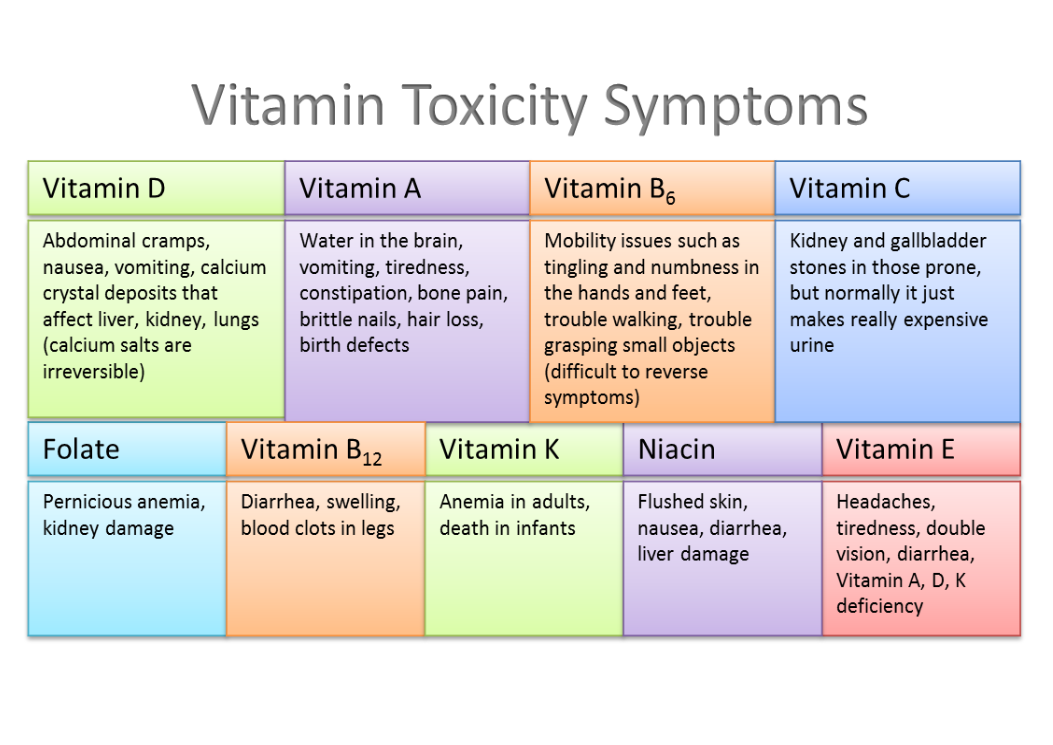
Vitamins: Are You Dosing Dangerously?Vitamin Toxicity Symptoms

Vitamins: Are You Dosing Dangerously?

Introduction

Ever feel like you’re doing your body a solid by popping that daily multivitamin? We’re bombarded with messages about how essential vitamins are for everything from glowing skin to a supercharged immune system. But could this well-intentioned act actually be… backfiring? Are we, in our quest for optimal health, inadvertently dosing ourselves into dangerous territory?

It might sound like alarmist talk, but the truth is that the “more is better” philosophy doesn’t always apply to vitamins. While deficiencies can wreak havoc on our health, so can overdoing it. Let’s dive into the world of vitamins, separating fact from fiction, and figuring out how to strike that perfect balance.

The Silent Overdose: Short-Term Impacts

You might not think of vitamin intake as something that can cause immediate problems. But exceeding the recommended daily allowance (RDA) can lead to some uncomfortable, and even alarming, short-term side effects.

Think about vitamin C. While it’s touted for its immune-boosting power, consuming megadoses can lead to digestive distress like nausea, diarrhea, and stomach cramps. Too much vitamin A, often found in supplements promising radiant skin, can trigger headaches, dizziness, and even blurred vision. And let’s not forget about niacin (vitamin B3), commonly used to lower cholesterol, which in high doses can cause skin flushing, itching, and a tingling sensation.

These side effects are often dismissed as just “getting used to” the vitamin, but they’re actually warning signs your body is overloaded. Ignoring them can lead to more serious complications.

The Long Game: When Good Intentions Go Wrong

The truly concerning impacts of vitamin overdosing often lie in the long term. Chronic overconsumption can lead to serious, even irreversible, health problems.

Take fat-soluble vitamins like A, D, E, and K. Unlike water-soluble vitamins, which are easily excreted through urine, these are stored in the body. This means they can accumulate over time, potentially reaching toxic levels.

  • Vitamin A Toxicity: Prolonged high doses can damage the liver, increase the risk of bone fractures, and even cause birth defects if taken during pregnancy.
  • Vitamin D Toxicity: While crucial for bone health, too much vitamin D can lead to a buildup of calcium in the blood (hypercalcemia), causing nausea, weakness, and kidney problems. In severe cases, it can even lead to kidney failure.
  • Vitamin E Toxicity: While relatively rare, high doses of vitamin E can interfere with blood clotting and increase the risk of bleeding, especially if you’re already taking blood thinners.
  • Vitamin B6 Toxicity: Often taken for nerve health, excessive B6 intake can paradoxically cause nerve damage, leading to numbness and tingling in the hands and feet.

These are just a few examples. The dangers of chronic vitamin overconsumption are real and should not be taken lightly.

Decoding the Dosage: Practical Solutions You Can Use

So, how do you navigate this complex landscape and ensure you’re getting the right amount of vitamins without crossing the line into dangerous territory? Here’s a practical approach:

  1. Food First, Supplements Second: The best way to get your vitamins is through a balanced and varied diet. Focus on eating plenty of fruits, vegetables, whole grains, lean proteins, and healthy fats. Think of supplements as just that: supplements to a healthy diet, not replacements for it.
    • Example: Instead of reaching for a vitamin C supplement, try incorporating more citrus fruits, berries, and peppers into your meals. These whole foods also provide fiber, antioxidants, and other beneficial nutrients that you won’t find in a pill.
  2. Know Your RDAs (Recommended Daily Allowances): Understanding the RDA for each vitamin is crucial. You can easily find this information online through reputable sources like the National Institutes of Health (NIH). Pay attention to the Upper Tolerable Intake Level (UL), which is the highest daily intake of a nutrient that is likely to pose no risk of adverse health effects for almost all individuals.
  3. Read Labels Carefully: Before taking any supplement, scrutinize the label. Pay attention to the amount of each vitamin it contains and compare it to the RDA. Be wary of supplements that contain excessively high doses, especially of fat-soluble vitamins.
  4. Consider Your Individual Needs: Certain individuals may have increased vitamin needs due to specific health conditions, medications, or lifestyle factors. Consult with a healthcare professional or registered dietitian to determine your individual needs and whether supplements are necessary.
    • Case Study: A patient with malabsorption issues due to Crohn’s disease might require higher doses of certain vitamins to compensate for impaired nutrient absorption. A healthcare professional can assess their individual needs and recommend an appropriate supplementation regimen.
  5. Be Aware of Fortified Foods: Many processed foods are fortified with vitamins and minerals. While this can be beneficial in some cases, it can also contribute to overconsumption if you’re not paying attention. Be mindful of how much fortified food you’re consuming, especially if you’re also taking supplements.
  6. Question Multi-Ingredient Supplements: “All-in-one” supplements can be tempting, but they often contain a cocktail of vitamins and minerals in varying doses. It’s harder to control your intake of individual nutrients when they’re all bundled together. If you choose to take a multivitamin, opt for one that’s specifically formulated for your age, sex, and health needs.
  7. Talk to Your Doctor: The most important step is to have an open and honest conversation with your doctor or a registered dietitian about your vitamin intake. They can assess your current health status, identify any potential deficiencies, and recommend a safe and effective supplementation plan. Don’t be afraid to bring in all the supplements you’re currently taking so they can review them.

Alternative Approaches: Tailoring Your Vitamin Intake

Not sure where to start? Here are a few alternative approaches you can consider:

  • The “Food Journal” Method: For a week, diligently track everything you eat and drink. Then, use a nutrition analysis tool (available online or through apps) to estimate your average daily vitamin intake from food. This will give you a better understanding of your baseline and help you identify any potential gaps.
  • The “Step-Down” Approach: If you’re currently taking high doses of certain vitamins, consider gradually reducing your intake over time. This can help minimize any potential withdrawal symptoms and allow your body to adjust.
  • The “Targeted Supplementation” Strategy: Instead of taking a multivitamin, focus on supplementing only the specific vitamins and minerals that you’re deficient in, based on blood tests or a healthcare professional’s recommendations.

Taking Control of Your Health

The world of vitamins can feel overwhelming, but by taking a mindful and informed approach, you can harness their benefits without putting your health at risk. Remember that vitamins are powerful tools, and like any tool, they should be used with caution and precision.

Don’t let the fear of overdosing paralyze you. Instead, view this as an opportunity to take control of your health and make informed decisions about what you put into your body. By focusing on a balanced diet, understanding your individual needs, and consulting with healthcare professionals, you can unlock the true potential of vitamins and embark on a journey towards optimal well-being. You’ve got this!

**Supplements: Fueling Hope, Harming Health?**

Supplements: Fueling Hope, Harming Health?

FUEL Poster

Supplements:Fueling Hope,Harming Health?

Introduction

Ever walked down the supplement aisle at your local pharmacy or scrolled through endless online ads promising miracle cures and peak performance? It’s a jungle out there, isn’t it? We’re bombarded with claims of boosted immunity, weight loss wonders, and enhanced cognitive function – all conveniently packaged in a pill or powder. The allure is undeniable, especially when life gets hectic and the promise of a quick fix is so tempting. But beneath the glossy marketing and enthusiastic testimonials lies a complex question: Are we fueling our bodies with hope, or potentially harming our health?

The truth is, the world of supplements is a double-edged sword. On one hand, certain supplements can genuinely fill nutritional gaps and support overall well-being, especially for individuals with specific deficiencies or medical conditions. On the other, the unregulated nature of the industry, coupled with aggressive marketing tactics, can lead to misuse, dangerous interactions, and a whole lot of wasted money. So, how do we navigate this confusing landscape and make informed choices that actually benefit our health? Let’s dive in.

The Short-Term Buzz, The Long-Term Burn

The appeal of supplements often lies in the promise of quick results. Feeling sluggish? Energy boosters are readily available. Want to shed a few pounds before vacation? Fat burners promise a streamlined physique. But what happens after the initial buzz fades?

In the short-term, many experience a placebo effect. The belief that something is working can, in itself, produce a temporary improvement. However, many supplements simply don’t live up to the hype. Worse yet, some can cause unpleasant side effects, from digestive issues and headaches to increased heart rate and anxiety.

The long-term implications are even more concerning. Overconsumption of certain vitamins and minerals can lead to toxicity. For example, excessive vitamin A can cause liver damage, while too much calcium can increase the risk of kidney stones. Furthermore, relying on supplements instead of addressing underlying lifestyle factors – like diet, exercise, and sleep – can mask symptoms and delay proper diagnosis and treatment of more serious conditions.

Perhaps the most insidious long-term effect is the financial drain. The supplement industry is a multi-billion dollar business, fueled by our desire for a quick and easy path to better health. Investing in supplements that offer little to no benefit is not only a waste of money but can also detract from resources that could be used for genuinely beneficial healthcare, healthy food, or other wellness practices.

Case Study: The “Natural” Weight Loss Wonder

Consider the case of Sarah, a busy working mom who wanted to lose a few pounds. She stumbled upon a supplement marketed as a “natural” weight loss aid, promising rapid results without diet or exercise. Intrigued, she purchased the product and started taking it as directed. Initially, she felt more energetic, which she attributed to the supplement. However, after a few weeks, she started experiencing heart palpitations and insomnia. Concerned, she consulted her doctor, who discovered that the supplement contained undeclared stimulants that were causing her symptoms. Sarah learned a valuable lesson: “natural” doesn’t always mean safe, and quick fixes often come with hidden risks.

Navigating the Supplement Maze: Practical Solutions

So, how can we approach supplements with a healthy dose of skepticism and make informed decisions? Here are some practical solutions:

  1. Prioritize Food First:This is the golden rule. Supplements should be seen as supplements to a healthy diet, not replacements for it. Focus on consuming a wide variety of fruits, vegetables, whole grains, and lean proteins to meet your nutritional needs. Before reaching for a pill, ask yourself if you can obtain the nutrients you need from whole foods.
  2. Consult a Healthcare Professional:This is non-negotiable. Before starting any new supplement regimen, talk to your doctor or a registered dietitian. They can assess your individual needs, identify any potential deficiencies, and advise you on whether supplements are necessary and safe for you. They can also check for potential interactions with medications you are already taking.
  3. Do Your Research:Don’t blindly trust marketing claims. Research the supplement you’re considering from reputable sources like the National Institutes of Health (NIH) or the U.S. Pharmacopeia (USP). Look for evidence-based information about its effectiveness and potential side effects. Be wary of exaggerated claims and testimonials.
  4. Look for Third-Party Certification:Because the supplement industry is largely unregulated, it’s crucial to choose products that have been independently tested by third-party organizations like USP, NSF International, or ConsumerLab.com. These certifications indicate that the supplement has been tested for quality, purity, and potency, and that it contains the ingredients listed on the label.
  5. Start Small and Monitor Your Response:If you decide to try a supplement, start with a low dose and monitor your body’s response. Pay attention to any side effects, both positive and negative. If you experience any adverse reactions, discontinue use immediately and consult your doctor.
  6. Be Wary of Multi-Ingredient Products:Supplements containing multiple ingredients are often marketed as “all-in-one” solutions, but they can be difficult to assess for safety and effectiveness. It’s generally best to choose single-ingredient supplements when possible.
  7. Consider Alternative Approaches:Before turning to supplements, explore alternative approaches to address your health concerns. For example, if you’re feeling fatigued, consider improving your sleep hygiene, reducing stress, and increasing your physical activity levels. Sometimes, simple lifestyle changes can be more effective and sustainable than supplements.

Alternative Approaches: Beyond the Pill

Supplementing isn’t the only way to address health concerns. Here are some alternative approaches worth considering:

  • Mindfulness and Meditation: These practices can reduce stress, improve sleep, and enhance overall well-being.
  • Regular Exercise: Physical activity has numerous benefits, including improved cardiovascular health, weight management, and mood enhancement.
  • Adequate Sleep: Getting enough sleep is essential for physical and mental health. Aim for 7-9 hours of quality sleep each night.
  • Stress Management Techniques: Finding healthy ways to manage stress, such as yoga, tai chi, or spending time in nature, can improve your overall health.

The Path to Wellness: Informed Choices and Realistic Expectations

The world of supplements can feel overwhelming, but by approaching it with a critical eye and making informed choices, you can navigate the landscape safely and effectively. Remember, supplements are not a magic bullet. They are tools that, when used appropriately and under the guidance of a healthcare professional, can support your overall health and well-being.

The key is to prioritize a healthy lifestyle, including a balanced diet, regular exercise, adequate sleep, and stress management. Supplements should be viewed as adjuncts to these fundamental practices, not replacements for them. By focusing on holistic health and making informed decisions, you can fuel your body with hope, not harm.

So, take a deep breath, arm yourself with knowledge, and embark on your journey to wellness with confidence. Your health is an investment, not an expense. And by taking a proactive and informed approach, you can reap the rewards for years to come. The power to choose wisely is in your hands. Now go out there and thrive!