Diet

Health Alert: Are You Unknowingly Doing This Every Day?

“`html
Health Alert: Are You Unknowingly Doing This Every Day?Image

Health Alert: Are You Unknowingly Doing This Every Day?

Introduction

Ever wake up feeling inexplicably tired, your head foggy, or your joints achy? Or perhaps you experience digestive issues that seem to come and go without rhyme or reason? We often attribute these symptoms to stress, a bad night’s sleep, or something we ate. But what if the culprit is something you’re doing almost every single day, without even realizing it’s potentially harming your health?

We’re talking about prolonged sitting.

Yes, you read that right. Sitting – that seemingly innocuous activity we associate with relaxation, work, and even socializing – is being increasingly recognized as a significant health hazard, often dubbed “the new smoking.”

Before you dismiss this as hyperbole, let’s dive into why extended periods of sitting are far more detrimental than many of us realize and explore practical solutions to combat this silent threat.

Explanation of the Problem

In our modern world, sitting has become almost unavoidable. We sit during our commutes, at our desks, during meals, and while relaxing in front of the TV. While a little sitting here and there is harmless, the cumulative effect of hours spent glued to a chair can be devastating.

Short-Term Impacts: The Immediate Discomfort

  • Muscle Stiffness and Pain: Prolonged sitting can lead to muscle stiffness, especially in the neck, shoulders, hips, and lower back. Muscles become inactive, blood flow decreases, and tension builds up.
  • Poor Circulation: Sitting restricts blood flow, particularly to the legs and feet, which can lead to swelling, discomfort, and even varicose veins.
  • Digestive Issues: Physical inactivity slows down the digestive process, leading to bloating, constipation, and other digestive problems.
  • Mental Fog: Sitting for long periods can decrease blood flow to the brain, resulting in mental fatigue, reduced focus, and impaired cognitive function.

Long-Term Consequences: A Serious Health Threat

The long-term effects of chronic sitting are even more alarming. Studies have linked prolonged sitting to a significantly increased risk of:

  • Cardiovascular Disease: Sedentary behavior is a major risk factor for heart disease, stroke, and high blood pressure. Sitting for extended periods reduces the activity of enzymes that break down triglycerides (a type of fat) in the blood, leading to higher cholesterol levels and increased risk of heart attacks.
  • Type 2 Diabetes: Prolonged sitting impairs the body’s ability to regulate blood sugar levels, increasing the risk of insulin resistance and type 2 diabetes.
  • Obesity: Physical inactivity contributes to weight gain and obesity, which further exacerbates the risk of other health problems.
  • Certain Cancers: Research suggests a link between sedentary behavior and an increased risk of certain cancers, including colon, endometrial, and lung cancer.
  • Musculoskeletal Problems: Chronic sitting can lead to chronic back pain, hip problems, and other musculoskeletal issues.
  • Premature Mortality: Studies have consistently shown that people who spend more time sitting have a higher risk of premature death from all causes.

Solutions

The good news is that you can significantly reduce the risks associated with prolonged sitting by incorporating simple lifestyle changes into your daily routine. Here are several practical and adaptable solutions:

  1. The Stand-Up Revolution:
    • Standing Desks: Consider investing in a standing desk or a desk converter that allows you to easily switch between sitting and standing throughout the day. Even alternating for 15-20 minutes every hour can make a significant difference.
      • Example: Sarah, a software engineer, invested in a standing desk converter after experiencing chronic back pain. She gradually increased her standing time and now stands for at least half of her workday. She reports reduced back pain, increased energy levels, and improved focus.
    • DIY Standing Solutions: If a standing desk isn’t feasible, get creative. Use a stack of books or a sturdy box to elevate your monitor and keyboard to a comfortable standing height.
  2. The Movement Mindset:
    • Set Reminders: Use your phone or computer to set reminders to get up and move every 30-60 minutes.
    • Active Meetings: Suggest walking meetings or stand-up meetings at work. This can make discussions more engaging and productive.
    • Commercial Break Workout: During TV time, use commercial breaks as opportunities to do simple exercises like jumping jacks, push-ups, or stretches.
    • Take the Stairs: Opt for the stairs instead of the elevator whenever possible.
  3. The Ergonomic Edge:
    • Proper Posture: Invest in an ergonomic chair that supports your back properly. Adjust the height of your chair, monitor, and keyboard to maintain good posture while sitting.
    • Regular Stretching: Incorporate stretching into your daily routine. Focus on stretching your neck, shoulders, back, and legs.
      • Example: A quick 5-minute stretching routine every few hours can alleviate muscle tension and improve circulation.
  4. The Active Commute:
    • Walk or Bike: If possible, walk or bike to work or to run errands.
    • Park Farther Away: Park your car farther away from your destination and walk the remaining distance.
    • Public Transport Activism: When using public transport, stand instead of sitting if possible.
  5. The Weekend Warrior (and Weekday Warrior Too!)
    • Schedule Exercise: Dedicate time for regular exercise, even if it’s just 30 minutes a day. Find activities you enjoy, whether it’s walking, jogging, swimming, dancing, or playing sports.
    • Active Hobbies: Choose hobbies that involve physical activity, such as gardening, hiking, or kayaking.
  6. Micro-Movements: The Power of Small Actions
    • Fidgeting is Fine: Don’t suppress the urge to fidget. Small movements like tapping your feet or shifting your weight can help improve circulation and burn extra calories.
    • Desk Exercises: Perform simple exercises at your desk, such as leg raises, arm circles, and shoulder shrugs.

Finding What Works for You: A Personalized Approach

The key to successfully combating the negative effects of sitting is to find solutions that fit your lifestyle and preferences. Experiment with different strategies and gradually incorporate them into your daily routine. Remember, even small changes can make a significant difference over time.

Case Study: A Real-Life Transformation

Consider the story of Mark, a 45-year-old accountant who spent most of his days sitting at a desk. He suffered from chronic back pain, fatigue, and digestive issues. After learning about the dangers of prolonged sitting, he decided to make some changes. He started by investing in a standing desk converter and setting reminders to get up and move every hour. He also began taking short walks during his lunch breaks and incorporating stretching into his daily routine. Within a few months, Mark noticed a significant improvement in his back pain, energy levels, and overall well-being.

Conclusion

Prolonged sitting is a serious health risk, but it’s also a problem that can be addressed with simple lifestyle changes. By incorporating more movement into your daily routine, you can reduce your risk of chronic diseases, improve your energy levels, and enhance your overall quality of life.

Take control of your health and make a conscious effort to break free from the sedentary spiral. Start small, be consistent, and celebrate your progress along the way. Your body will thank you for it. The journey to a more active and vibrant life starts with just one step – or better yet, one stand! You have the power to make a change, and the benefits are well worth the effort. Embrace the movement, and unlock a healthier, happier, and more energetic you.


“`
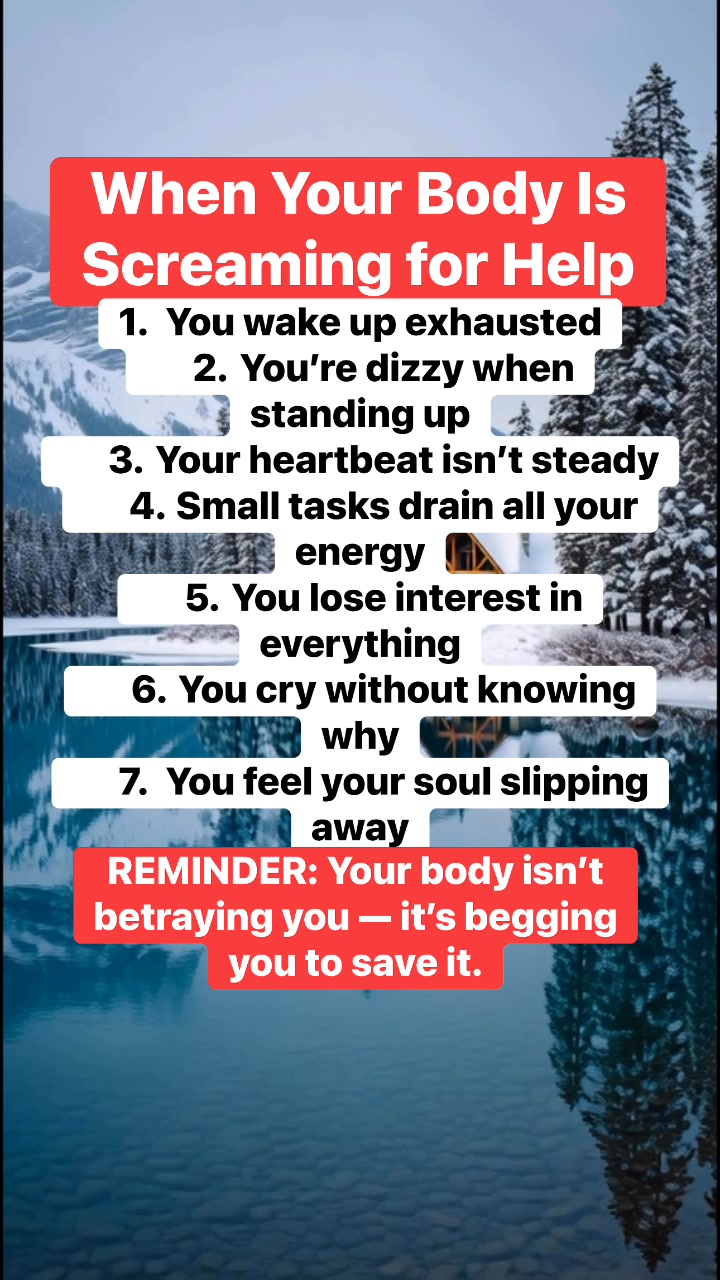
YOUR BODY’S CRYING OUT: ARE YOU LISTENING?

Your Body’s Crying Out: Are You Listening?Body Awareness

YOUR BODY’S CRYING OUT: ARE YOU LISTENING?

Introduction

Ever feel like your body’s trying to tell you something, but you just can’t quite decipher the message? Maybe it’s a persistent headache that refuses to budge, a nagging tightness in your shoulders, or that feeling of being perpetually drained, even after a full night’s sleep. These aren’t random occurrences; they’re whispers, sometimes shouts, from your body, signaling that something isn’t quite right. Ignoring them is like silencing a fire alarm – it doesn’t put out the fire, it just allows it to rage unnoticed, causing potentially irreversible damage.

We live in a world that often glorifies pushing through pain, prioritizing deadlines over well-being, and dismissing our bodies’ signals as mere inconveniences. But what happens when we consistently ignore these cries for help? What are the short-term and long-term consequences of turning a deaf ear to our own internal needs? Let’s dive in.

Explanation of the Problem

Short-Term: The Daily Grind of Discomfort

In the immediate sense, ignoring your body’s signals translates to a diminished quality of life. That persistent headache becomes your constant companion, making it harder to concentrate at work, enjoy time with loved ones, or even simply relax. The shoulder tension morphs into chronic pain, hindering your ability to exercise and impacting your sleep. The fatigue becomes an overwhelming weight, turning even simple tasks into monumental efforts.

Think of it this way: Imagine driving a car with a flashing warning light. You can ignore it for a while, but eventually, the problem will worsen. Your car might start sputtering, losing power, or even break down completely, leaving you stranded. Similarly, ignoring your body’s warning signs leads to a downward spiral of discomfort and dysfunction.

Long-Term: The Price of Neglect

The long-term consequences of consistently disregarding your body’s signals are far more serious. Unaddressed stress can contribute to chronic inflammation, a root cause of many diseases, including heart disease, diabetes, and autoimmune disorders. Pushing through pain without proper care can lead to chronic musculoskeletal issues, such as arthritis or nerve damage. Ignoring fatigue can weaken your immune system, making you more susceptible to illness.

Consider the example of a high-powered executive, Sarah, who consistently worked 60+ hour weeks, fueled by caffeine and sheer willpower. She ignored the constant headaches, the persistent back pain, and the overwhelming fatigue, chalking it all up to “the demands of the job.” Years later, Sarah was diagnosed with a severe autoimmune disorder. Her doctors attributed her condition, in part, to the chronic stress and lack of self-care she had endured for so long. Sarah’s story is a stark reminder that ignoring your body’s needs is a dangerous game with potentially devastating consequences.

Solutions

So, What Can You Do? Turning a Deaf Ear into a Listening Heart

The good news is that it’s never too late to start listening to your body and taking proactive steps to improve your well-being. Here are some practical solutions you can implement today:

  1. Become a Body Detective: Learn to Recognize Your Body’s Language

    The first step is cultivating awareness. Pay attention to subtle shifts in your physical sensations. Learn to distinguish between normal muscle soreness after a workout and a sharp, persistent pain that requires attention. Notice when you feel fatigued, anxious, or overwhelmed. These are all clues your body is giving you.

    • Example: Keep a journal for a week, noting down any physical discomforts you experience, along with the time of day, your activity at the time, and your emotional state. This can help you identify patterns and triggers.
  2. The Power of Pause: Mindful Moments in a Hectic World

    In the midst of a busy day, take a few minutes to pause and check in with yourself. Close your eyes, take a few deep breaths, and scan your body from head to toe. Are you holding tension anywhere? Are you feeling any discomfort? This simple exercise can help you become more attuned to your body’s signals.

    • Example: Set an alarm on your phone for every two hours. When the alarm goes off, take a two-minute “body scan” break.
  3. Prioritize Sleep: The Cornerstone of Well-being

    Sleep is essential for physical and mental restoration. Aim for 7-9 hours of quality sleep each night. Create a relaxing bedtime routine, such as taking a warm bath, reading a book, or practicing meditation. Avoid screen time before bed, as the blue light emitted from electronic devices can interfere with sleep.

    • Alternative Approach: If you struggle with falling asleep, try a sleep app that offers guided meditations or ambient sounds.
  4. Nourishment from Within: Fueling Your Body with Goodness

    What you eat directly impacts how you feel. Focus on consuming a balanced diet rich in fruits, vegetables, whole grains, and lean protein. Limit processed foods, sugary drinks, and excessive caffeine and alcohol.

    • Alternative Approach: Start by making small, sustainable changes to your diet. For example, replace sugary snacks with fruits or vegetables, or swap one soda a day for water.
  5. Movement is Medicine: Finding Your Fitness Groove

    Regular physical activity is crucial for both physical and mental health. Find an activity you enjoy and aim for at least 30 minutes of moderate-intensity exercise most days of the week. This could be anything from walking, running, swimming, dancing, or yoga.

    • Alternative Approach: If you find it difficult to commit to a structured workout routine, incorporate movement into your daily life. Take the stairs instead of the elevator, walk during your lunch break, or do some simple stretches at your desk.
  6. Stress Management Strategies: Taming the Tension

    Chronic stress takes a significant toll on your body. Find healthy ways to manage stress, such as meditation, yoga, spending time in nature, or pursuing hobbies you enjoy. Consider seeking professional help from a therapist or counselor if you are struggling to cope with stress on your own.

    • Case Study: A study published in the *Journal of Alternative and Complementary Medicine* found that mindfulness-based stress reduction (MBSR) significantly reduced anxiety and depression symptoms in participants.
  7. Seek Professional Guidance: When to Enlist the Experts

    Don’t hesitate to seek professional help from a doctor, physical therapist, or other healthcare provider if you are experiencing persistent pain, fatigue, or other concerning symptoms. Early diagnosis and treatment can prevent minor issues from escalating into more serious problems.

    • Practical Tip: Keep a detailed record of your symptoms and any interventions you have tried before your appointment. This will help your healthcare provider make an accurate diagnosis and recommend the most appropriate treatment plan.

Conclusion

Taking the First Step: A Journey of Self-Discovery

Listening to your body is an ongoing journey, not a destination. It requires patience, self-compassion, and a willingness to prioritize your well-being. There will be times when you slip up and fall back into old habits, but don’t let that discourage you. Simply acknowledge the setback, learn from it, and get back on track.

Remember, your body is your most valuable asset. By learning to listen to its cries for help, you can unlock a greater sense of vitality, resilience, and overall well-being. Start small, be consistent, and celebrate your progress along the way. Your body will thank you for it. You are worth the effort. Take a deep breath, listen to your inner wisdom, and start your journey toward a healthier, happier you.

Vitamins: The Silent Revolution in Your Health.

Vitamins: The Silent Revolution in Your HealthVitamins

Vitamins: The Silent Revolution in Your Health

Introduction

Ever feel like you’re running on fumes? Dragging yourself through the day, despite a decent night’s sleep? Or maybe you catch every cold that floats around the office? We often chalk these things up to stress or a busy lifestyle, but what if there’s a silent player impacting your wellbeing? Enter: Vitamins.

Forget dramatic transformations and overnight cures. This isn’t about magic pills promising eternal youth. Instead, it’s a quiet revolution, a fundamental shift in how we understand and nourish our bodies from the inside out. Vitamins, these unsung heroes of health, are working tirelessly behind the scenes, and understanding their role could be the key to unlocking a healthier, more vibrant you.

The Problem Isn’t Always Obvious

We’re constantly bombarded with information about nutrition, often focusing on macronutrients like protein, carbs, and fats. While these are crucial, vitamins are the tiny cogs that keep the whole machine running smoothly. Ignoring them is like trying to drive a car with a full gas tank but no spark plugs – you’re not going anywhere fast.

In the short term, vitamin deficiencies can manifest in subtle ways. We’re talking fatigue that coffee can’t fix, brittle nails, occasional muscle cramps, brain fog, and increased susceptibility to infections. You might dismiss these as minor inconveniences, but these seemingly small symptoms are your body’s way of waving a red flag.

Long-term, however, the consequences can be more significant. Chronic deficiencies in certain vitamins can contribute to a range of serious health problems, including:

  • Osteoporosis: Insufficient vitamin D and calcium intake can weaken bones, increasing the risk of fractures, particularly as we age.
  • Heart Disease: Deficiencies in vitamins like B12 and folate can elevate homocysteine levels, a risk factor for cardiovascular issues.
  • Cognitive Decline: Some studies suggest a link between low vitamin D levels and an increased risk of dementia.
  • Impaired Immune Function: Vitamins like C and E are crucial antioxidants that protect the body from cellular damage and support a robust immune system. Lack of these makes you more vulnerable to illness.

The scary thing is, you might not even realize you’re deficient. Modern diets, often filled with processed foods and lacking in fresh fruits and vegetables, can easily fall short of providing the necessary vitamins. Certain medications can also interfere with vitamin absorption, further compounding the problem.

Taking Control: Practical Solutions for a Healthier You

The good news is, tackling vitamin deficiencies doesn’t require a complete lifestyle overhaul. Small, consistent changes can make a big difference. Here are some practical solutions you can implement today:

  1. Embrace the Rainbow: Focus on Food First. This is the golden rule. Before reaching for a supplement, prioritize a diet rich in whole, unprocessed foods. Think vibrant fruits and vegetables in every color imaginable. Load up on leafy greens (spinach, kale), berries (blueberries, strawberries), citrus fruits (oranges, grapefruits), and colorful vegetables (carrots, bell peppers). These foods are packed with vitamins, minerals, and antioxidants, all working synergistically to support your health.
    • Example: Try incorporating a daily smoothie with spinach, berries, and a banana. Or add a colorful salad to your lunch, packed with different vegetables and a light vinaigrette.
  2. Understand Your Individual Needs: While a balanced diet is the foundation, individual needs vary. Factors like age, gender, health conditions, medications, and lifestyle (e.g., smoking, alcohol consumption) can all influence your vitamin requirements.
    • Solution: Consult with your doctor or a registered dietitian. They can assess your individual needs and recommend specific dietary changes or supplements if necessary. A simple blood test can help identify any deficiencies.
  3. Supplement Strategically: Supplements can be a helpful tool, but they shouldn’t replace a healthy diet. Think of them as insurance, filling in the gaps where your diet might be lacking.
    • Example: Vitamin D is crucial for bone health and immune function, and many people are deficient, especially during the winter months. A vitamin D supplement can be a smart choice, especially if you don’t get much sun exposure.
    • Example: Vegans and vegetarians often need to supplement with vitamin B12, as it’s primarily found in animal products.
    • Important Note: When choosing supplements, opt for reputable brands that undergo third-party testing for quality and purity. Look for certifications like USP or NSF. And always follow the recommended dosage on the label.
  4. Consider Food Preparation Methods: How you prepare your food can significantly impact its vitamin content. Some vitamins are water-soluble and can be lost during boiling, while others are heat-sensitive and degrade during high-temperature cooking.
    • Solution: Opt for steaming, grilling, or sautéing vegetables instead of boiling them. These methods help retain more of their vitamins. Also, try to eat fruits and vegetables as soon as possible after purchasing them, as vitamin content decreases over time.
  5. Sunlight and Vitamin D: Your body naturally produces vitamin D when exposed to sunlight. Aim for 15-20 minutes of sun exposure a few times a week, especially during the warmer months. However, be mindful of sun safety and wear sunscreen if you plan to be in the sun for longer periods.

Alternative Approaches and Case Studies

  • The Mediterranean Diet: This diet, rich in fruits, vegetables, whole grains, and healthy fats, is a naturally vitamin-rich approach to eating. Studies have shown that people who follow a Mediterranean diet have a lower risk of chronic diseases.
  • The DASH Diet (Dietary Approaches to Stop Hypertension): This diet focuses on fruits, vegetables, and low-fat dairy products, and is rich in nutrients that can help lower blood pressure.
  • Case Study: John, a 45-year-old office worker: John was constantly feeling tired and catching colds. After a blood test, he discovered he was deficient in vitamin D and vitamin C. He started taking supplements and incorporating more citrus fruits and leafy greens into his diet. Within a few weeks, he noticed a significant improvement in his energy levels and a decrease in the frequency of his colds.

Your Health Revolution Starts Now

Vitamins may be silent workers, but their impact on your health is anything but subtle. By understanding their role and taking proactive steps to ensure you’re getting enough, you can unlock a new level of wellbeing.

Start small. Focus on incorporating more vitamin-rich foods into your diet. Consult with your doctor to assess your individual needs. Experiment with different approaches and find what works best for you.

The journey to better health is a marathon, not a sprint. Be patient with yourself, celebrate your progress, and remember that every small step you take is a step in the right direction. Embrace the silent revolution and unlock the vibrant, healthy life you deserve. The power is in your hands – are you ready to take the reins?

Supplements: Snake Oil or Secret Weapon?

“`html

Supplements: Snake Oil or Secret Weapon?

Supplements: Snake Oil or Secret Weapon?

Introduction

We’ve all seen the ads, right? The ripped dude promising bulging biceps with just one scoop a day, or the glowing woman attributing her youthful skin to a magical berry from the Amazon. The world of supplements is a swirling vortex of promises, leaving many of us wondering: are these products the secret weapon we need to unlock our peak potential, or just plain old snake oil, preying on our desire for a quick fix?

Honestly, it’s a bit of both.

The supplement industry is a multi-billion dollar behemoth, fuelled by our collective aspirations for better health, increased energy, and that elusive edge in life. But navigating this landscape can feel like wading through a minefield. One wrong step and you could be throwing your money away on ineffective ingredients, or worse, consuming something that could actually harm you.

So, how do we separate the wheat from the chaff? How do we discern the genuine game-changers from the glorified sugar pills? Let’s dive in and explore the truth behind the supplement hype, and find out how to make them work for you, without falling victim to the empty promises.

The Problem: Short-Term Hype, Long-Term Doubt

The short-term problem is the allure of the quick fix. We’re bombarded with claims of instant results, promising everything from weight loss miracles to superhuman cognitive function. This instant gratification mindset often leads us to blindly purchase supplements based on flashy marketing and celebrity endorsements, without doing our due diligence. We might experience a temporary placebo effect, a fleeting surge of energy, or a slight change in appetite, mistaking it for genuine progress.

However, the long-term consequences can be significant. We might find ourselves trapped in a cycle of buying supplement after supplement, chasing that initial high without ever addressing the root causes of our health concerns. This can lead to financial strain, disappointment, and a growing cynicism towards the entire health and wellness industry.

Furthermore, relying solely on supplements can mask underlying health issues. For example, if you’re constantly fatigued and reach for energy supplements, you might be ignoring a potential iron deficiency or sleep disorder. This can delay proper diagnosis and treatment, potentially worsening the underlying problem over time.

The information overload also doesn’t help. With countless products and conflicting advice online, it’s easy to feel overwhelmed and unsure of where to start. This confusion can lead to analysis paralysis, preventing us from taking any action at all, or worse, making uninformed decisions that could be detrimental to our health.

Solutions: Navigating the Supplement Maze

So, how do we cut through the noise and make informed decisions about supplements? Here are some practical strategies to help you navigate the supplement maze:

  1. Food First, Supplements Second: This is the golden rule. Supplements are meant to supplement a healthy diet, not replace it. Before reaching for a pill, prioritize whole, unprocessed foods rich in fruits, vegetables, lean protein, and healthy fats. A balanced diet provides the essential vitamins and minerals your body needs to function optimally.

    Example: Instead of taking a multivitamin to compensate for a poor diet, focus on incorporating a variety of colorful fruits and vegetables into your meals each day. Try a smoothie packed with spinach, berries, and banana for breakfast, or a hearty salad with grilled chicken or fish for lunch.

  2. Identify Your Deficiencies: Don’t blindly pop pills based on what’s trending. Get a blood test to identify any specific nutrient deficiencies you might have. This will allow you to target your supplementation strategy and avoid wasting money on unnecessary products.

    Example: If you’re feeling constantly fatigued, ask your doctor to check your iron and vitamin D levels. If you’re deficient in either, targeted supplementation can make a significant difference in your energy levels.

  3. Research, Research, Research: Before buying any supplement, do your homework. Look for reputable brands that conduct third-party testing to ensure purity and potency. Read reviews from verified customers, and check for any potential side effects or interactions with medications you’re already taking.

    Example: Websites like ConsumerLab.com and NSF International provide independent testing and certification of supplements. Look for products that have been verified by these organizations to ensure quality and safety.

  4. Start Slow and Track Your Progress: Don’t introduce multiple new supplements at once. Start with one or two, and track your progress over several weeks. Pay attention to how your body feels and note any changes in energy levels, sleep quality, or digestion.

    Example: If you’re trying a new probiotic supplement, start with a low dose and gradually increase it over time. Monitor your digestive health and note any improvements in bloating, gas, or constipation.

  5. Consult with a Professional: If you’re unsure about which supplements are right for you, consult with a registered dietitian, nutritionist, or doctor. They can assess your individual needs and recommend a personalized supplementation plan.

    Case Study: A 45-year-old woman was experiencing persistent fatigue and muscle cramps. After consulting with a registered dietitian, she discovered she was deficient in magnesium and potassium. The dietitian recommended specific supplements and dietary changes to address these deficiencies. Within a few weeks, the woman’s energy levels improved and her muscle cramps subsided.

Alternative Approaches: Beyond the Bottle

While targeted supplementation can be beneficial, it’s important to remember that it’s not the only tool in your health and wellness arsenal. Here are some alternative approaches to consider:

  • Lifestyle Modifications: Prioritize sleep, manage stress, and engage in regular physical activity. These lifestyle changes can have a profound impact on your overall health and well-being, often reducing the need for supplements.
  • Mindfulness and Meditation: Practicing mindfulness and meditation can help reduce stress, improve sleep quality, and enhance overall well-being. These practices can be particularly beneficial for those seeking to manage anxiety or improve cognitive function.
  • Herbal Remedies: Certain herbs have been used for centuries to support various aspects of health. However, it’s important to research herbal remedies thoroughly and consult with a qualified herbalist before using them, as they can interact with medications and have potential side effects.
  • Acupuncture and Traditional Chinese Medicine: These practices can help restore balance and harmony in the body, addressing underlying health issues and promoting overall well-being.

The Takeaway: Empowerment and Informed Choices

The truth about supplements isn’t black and white. They’re not inherently evil or magically effective. Their value lies in their targeted application, informed choices, and integration with a healthy lifestyle. The key is to approach them with a healthy dose of skepticism, coupled with a proactive and educated mindset.

By prioritizing food first, identifying your deficiencies, doing your research, and consulting with professionals, you can navigate the supplement maze with confidence and make informed decisions that support your individual health goals.

Remember, you are the architect of your own well-being. Supplements can be a valuable tool in your toolbox, but they are just one piece of the puzzle. By taking a holistic approach to your health, focusing on nutrition, lifestyle, and mindfulness, you can unlock your full potential and live a vibrant, fulfilling life. The power is in your hands. Now go out there and make informed choices!


“`

Science: Unraveling Tomorrow, Today.

Science: Unraveling Tomorrow, TodayScience Image

Science: Unraveling Tomorrow, Today

Introduction

Ever wonder what the future holds? Flying cars? Curing cancer? Maybe even finally figuring out what cats are really thinking? The truth is, the future isn’t some distant, unreachable destination. It’s being built right now, brick by brick, experiment by experiment, discovery by discovery, all thanks to the tireless work of scientists. And while some breakthroughs might seem like abstract concepts, the impact they’ll have on our lives – both in the short term and the long – is anything but.

Think of science not as a dusty textbook subject, but as a powerful engine driving us forward. It’s not just about lab coats and complex equations; it’s about understanding the world around us, solving pressing problems, and creating a better tomorrow for everyone. But with great power comes great responsibility. Let’s dive into some of the exciting ways science is already shaping our future, the challenges we face, and how we can all play a part in navigating this incredible journey.

The Immediate Impact: Solving Today’s Headaches

We don’t need to look far to see science in action. Consider the recent advancements in personalized medicine. For decades, treatments for diseases like cancer were largely one-size-fits-all. Now, thanks to genomics and advanced diagnostics, doctors can analyze a patient’s unique genetic makeup to tailor treatments specifically for them. This means more effective therapies, fewer side effects, and ultimately, better outcomes. This isn’t some far-off promise; it’s happening today in hospitals and clinics around the world.

Another immediate impact can be seen in the rise of sustainable agriculture. Faced with a growing global population and the increasing pressures of climate change, traditional farming methods are struggling to keep up. But science is offering solutions. Precision agriculture, using sensors and data analytics to optimize irrigation and fertilization, is helping farmers produce more food with fewer resources. Genetically modified crops, while sometimes controversial, are being developed to be more resistant to pests and diseases, reducing the need for harmful pesticides. These innovations are not just about increasing yields; they’re about ensuring food security for future generations.

And let’s not forget the ubiquitous technology that powers our daily lives. From the smartphones in our pockets to the electric vehicles on our roads, every piece of technology is built upon decades of scientific research. The development of new materials, improved batteries, and faster processors is constantly pushing the boundaries of what’s possible, making our lives easier, more connected, and more efficient.

The Long Game: Shaping the World of Tomorrow

While solving immediate problems is crucial, science is also playing the long game, tackling challenges that will define the future of humanity. Climate change is perhaps the most pressing of these. The scientific consensus is clear: human activity is driving global warming, and the consequences are already being felt around the world. But science is also providing the tools we need to mitigate these effects. Renewable energy technologies, such as solar and wind power, are becoming increasingly efficient and affordable, offering a viable alternative to fossil fuels. Carbon capture technologies, designed to remove carbon dioxide from the atmosphere, are being developed and tested at scale.

Beyond climate change, science is also revolutionizing healthcare. The development of gene therapies holds the promise of curing inherited diseases that were once considered untreatable. Research into regenerative medicine is exploring the possibility of repairing damaged tissues and organs, potentially eliminating the need for organ transplants. And advancements in artificial intelligence are transforming healthcare, from diagnosing diseases to developing new drugs.

Even space exploration, often seen as a purely academic pursuit, has profound long-term implications. The search for extraterrestrial life could revolutionize our understanding of the universe and our place within it. The development of space technologies could lead to new materials, energy sources, and manufacturing processes that benefit life on Earth. And the potential for colonizing other planets could ensure the survival of humanity in the face of existential threats.

Navigating the Future: Practical Solutions and Shared Responsibility

So, how do we ensure that science continues to drive progress and improve our lives? The answer lies in a multi-faceted approach that involves governments, scientists, businesses, and individuals. Here are a few practical solutions:

  • Invest in Research and Development: Funding scientific research is essential for fostering innovation and driving progress. Governments should prioritize investments in basic research, which lays the foundation for future breakthroughs, as well as applied research, which translates discoveries into practical applications.
  • Promote STEM Education: Inspiring the next generation of scientists and engineers is crucial for ensuring a vibrant and innovative future. We need to promote STEM (Science, Technology, Engineering, and Mathematics) education in schools, making it engaging and accessible to all students.
  • Foster Collaboration: Scientific breakthroughs often result from collaboration between researchers from different disciplines and institutions. We need to create environments that encourage collaboration and knowledge sharing, both within and across national borders.
  • Address Ethical Concerns: As science advances, it’s important to address the ethical implications of new technologies. We need to have open and honest conversations about the potential risks and benefits of scientific advancements, ensuring that they are used responsibly and ethically.
  • Embrace Citizen Science: You don’t need to be a scientist to contribute to scientific progress. Citizen science projects allow individuals to participate in research by collecting data, analyzing results, and contributing to scientific discoveries. Platforms like Zooniverse offer a plethora of projects from classifying galaxies to transcribing historical documents.

Examples in Action:

  • CRISPR gene editing: This groundbreaking technology allows scientists to precisely edit genes, opening up new possibilities for treating genetic diseases. However, it also raises ethical concerns about potential misuse, highlighting the need for responsible regulation.
  • The Human Genome Project: This international effort mapped the entire human genome, providing a wealth of information that is now being used to develop personalized medicines and understand the genetic basis of diseases.
  • The development of mRNA vaccines: The rapid development and deployment of mRNA vaccines against COVID-19 demonstrated the power of scientific collaboration and innovation in addressing global health emergencies.

Alternative Approaches:

It’s important to remember that there’s no single “right” way to approach these challenges. Here are a few alternative approaches to consider:

  • Focus on preventative healthcare: Investing in preventative healthcare, such as promoting healthy lifestyles and providing access to early screenings, can reduce the burden of disease and improve overall health outcomes.
  • Develop sustainable infrastructure: Investing in sustainable infrastructure, such as public transportation and green buildings, can reduce our carbon footprint and create more livable communities.
  • Promote open-source technology: Encouraging the development and sharing of open-source technologies can accelerate innovation and make technology more accessible to everyone.

Unleash Your Inner Scientist: A Call to Action

Science is not just a subject for experts; it’s a tool for everyone. By staying informed, supporting scientific research, and embracing critical thinking, we can all contribute to a better future. Whether it’s supporting sustainable practices, advocating for science education, or simply asking questions and seeking answers, every action, no matter how small, can make a difference.

The future is not something that happens to us; it’s something we create. By embracing the power of science, we can unravel the mysteries of tomorrow, today, and build a world that is healthier, more sustainable, and more equitable for all. The journey of scientific discovery is an ongoing adventure, and we invite you to be a part of it. Let’s embrace the challenge, unleash our collective potential, and build a brighter future, together.

Dementia: Stealing Memories, One Day at a Time.


DementiaDementia Image

Dementia: Stealing Memories, One Day at a Time

Introduction

Imagine your life as a grand library, filled with countless books detailing every experience, every relationship, every joy and sorrow. Now, imagine someone slowly, meticulously, starts removing those books, one by one, day by day. That, in essence, is what dementia feels like. It’s not just forgetfulness; it’s the gradual erosion of a person’s history, their identity, and their connection to the world. It’s a cruel thief, stealing memories, one day at a time, and leaving behind a heartbreaking void for both the individual and their loved ones.

We’ve all misplaced our keys or forgotten a name – that’s normal. But dementia is a different beast altogether. It’s a persistent and progressive decline in cognitive function that goes beyond typical age-related memory lapses. It affects not just memory, but also thinking, language, judgment, and behavior. And its impact, both short-term and long-term, is profound.

Explanation of the Problem

The Immediate Ripple Effect: The Daily Struggles

In the short term, dementia creates a series of daily challenges that can be incredibly frustrating and disorienting. Simple tasks like preparing a meal, paying bills, or even getting dressed become monumental hurdles.

  • The Lost Keys Scenario: Remember misplacing your keys? Imagine that feeling amplified tenfold, happening multiple times a day, with everyday objects. A person with dementia might misplace their keys, then forget what keys are for, then forget where they live. This confusion breeds anxiety and dependence.
  • The Repetition Game: Repeating questions or stories, sometimes within minutes, is a common symptom. It’s not intentional; it’s the brain struggling to form and retain new memories. This can be exhausting for caregivers and frustrating for the individual experiencing it.
  • The Personality Shift: Dementia can alter personality. A usually cheerful person might become irritable or withdrawn. This is often due to the individual’s frustration with their cognitive decline, fear of the unknown, or changes in the brain itself.

These short-term impacts significantly affect the individual’s independence and require increasing support from family, friends, or professional caregivers.

The Long View: A Shifting Landscape

Looking further down the road, the long-term consequences of dementia paint an even starker picture.

  • Loss of Independence: As the disease progresses, the individual becomes increasingly reliant on others for all aspects of care, from bathing and dressing to eating and using the bathroom. This loss of independence can be devastating and lead to feelings of shame and helplessness.
  • Communication Breakdown: Language skills deteriorate, making it difficult for the person to express themselves or understand others. This communication breakdown can lead to isolation and loneliness.
  • Erosion of Identity: Perhaps the most heart-wrenching aspect of dementia is the gradual erosion of identity. As memories fade, the person loses their sense of self, their history, and their connection to the people they love. They may no longer recognize family members or remember significant life events.
  • Caregiver Burden: The relentless demands of caring for someone with dementia take a heavy toll on caregivers, both emotionally and physically. Caregiver burnout is a serious concern, leading to depression, anxiety, and health problems.

Solutions

Finding Light in the Darkness: Practical Solutions and Approaches

While there’s currently no cure for dementia, there’s hope. There are many ways to manage symptoms, improve quality of life, and provide support for both the individual and their caregivers. The key is to adopt a proactive and personalized approach.

Here are some practical solutions and approaches:

  1. Early Detection and Diagnosis: The earlier dementia is diagnosed, the better. Early intervention can help manage symptoms, slow the progression of the disease, and allow the individual and their family to plan for the future.
    • Example: A family noticed their father becoming increasingly forgetful and withdrawn. Instead of dismissing it as “old age,” they consulted a doctor who diagnosed him with early-stage Alzheimer’s. This early diagnosis allowed them to start medication, participate in support groups, and make important decisions about his care while he was still able to participate.
  2. Medication and Therapies: While medication can’t cure dementia, it can help manage symptoms like memory loss, anxiety, and depression. Therapies like cognitive rehabilitation, occupational therapy, and speech therapy can also help improve cognitive function and communication skills.
    • Alternative Approach: Some individuals find relief and improved cognitive function through alternative therapies like music therapy, art therapy, or pet therapy. These therapies can stimulate memories, reduce anxiety, and provide a sense of connection.
  3. Creating a Supportive Environment: Modifying the home environment can make it safer and more comfortable for someone with dementia. This might involve removing hazards, installing grab bars, improving lighting, and using visual cues to help with orientation.
    • Case Study: A woman with dementia kept getting lost in her own home. Her family installed brightly colored tape on the floor to guide her to the bathroom and bedroom. They also labeled drawers and cabinets with pictures to help her find everyday items.
  4. Lifestyle Modifications: A healthy lifestyle can help protect brain health and slow the progression of dementia. This includes eating a balanced diet, exercising regularly, getting enough sleep, and staying mentally and socially active.
    • Example: A group of seniors with early-stage dementia participated in a weekly walking group and cognitive stimulation program. After six months, they showed significant improvements in memory, attention, and mood compared to a control group.
  5. Caregiver Support: Caring for someone with dementia is a marathon, not a sprint. Caregivers need to prioritize their own well-being by getting enough rest, eating healthy, exercising, and seeking support from family, friends, or professional caregivers.
    • Alternative Approach: Explore respite care options, such as adult day care centers or in-home care services, to give yourself a break and recharge.

Finding Your Path Forward: A Toolkit for the Journey

There’s no one-size-fits-all solution to dementia. The best approach is to create a personalized plan that addresses the individual’s specific needs and preferences. Here’s a toolkit of strategies to consider:

  • Memory Aids: Use calendars, to-do lists, and photo albums to help the person remember important information.
  • Communication Strategies: Speak slowly and clearly, use simple language, and avoid using jargon or slang.
  • Behavior Management: Understand that challenging behaviors are often a symptom of the disease and respond with patience and understanding.
  • Legal and Financial Planning: Get legal and financial affairs in order early on to ensure the person’s wishes are respected and their assets are protected.

Conclusion

A Reason for Hope

Dementia is undoubtedly a challenging condition. But it doesn’t have to define a person’s life. By understanding the disease, implementing practical solutions, and providing compassionate support, we can help individuals with dementia live with dignity, purpose, and joy.

Remember, every small victory counts. Every moment of connection, every shared smile, every act of kindness makes a difference. Dementia may steal memories, but it can’t steal the spirit, the love, or the inherent value of a human being. Let’s work together to create a world where people with dementia are respected, supported, and empowered to live their best possible lives, one day at a time.

Parkinson’s: The Silent Thief Stealing Time.


Parkinson’s: The Silent Thief Stealing TimeParkinson's Image

Parkinson’s: The Silent Thief Stealing Time

Introduction

Imagine a thief,not one who snatches your wallet or your television,but one who slowly,subtly,steals your time,your abilities,your very essence.That’s Parkinson’s disease.It creeps in quietly,often unnoticed at first,like a shadow lengthening at dusk.A slight tremor,a stiffness in the limbs,perhaps a change in your handwriting.These seemingly insignificant signs can be the early whispers of a condition that will ultimately reshape your life.

Parkinson’s is a progressive neurological disorder that affects movement.It occurs when nerve cells in the brain that produce dopamine,a vital neurotransmitter,become impaired or die.Dopamine is crucial for coordinating movement,and its gradual loss leads to the hallmark symptoms we associate with Parkinson’s:tremors,rigidity,slowness of movement(bradykinesia),and postural instability.

But Parkinson’s is more than just a movement disorder.It’s a complex condition that can affect mood,sleep,cognition,and even the senses.It’s a silent thief,not just stealing physical abilities,but also impacting emotional well-being and cognitive sharpness.

The Short-Term Impacts:A Gradual Erosion

In the early stages,the impact of Parkinson’s can be subtle but insidious.The tremor might be barely noticeable,perhaps just a slight shaking of the hand when resting.Rigidity can manifest as stiffness in the shoulders or legs,easily dismissed as the aches and pains of aging.However,these seemingly minor symptoms can begin to erode daily life:

  • Difficulty with Fine Motor Skills:Buttoning a shirt,writing a check,using cutlery – tasks once taken for granted become frustratingly difficult and time-consuming.
  • Slower Movement:Walking speed decreases,making errands take longer and limiting participation in social activities.The simple act of getting out of a chair can become a major effort.
  • Sleep Disturbances:Insomnia,restless legs syndrome,and other sleep problems are common,leading to fatigue and impacting daytime function.
  • Mood Changes:Depression and anxiety can occur early in the disease,impacting motivation and quality of life.

These early impacts might seem manageable at first,but they can subtly chip away at independence and self-esteem.Imagine a retired carpenter,his hands once skilled at crafting intricate furniture,now struggling to hold a hammer steady.Or a grandmother who loves to bake,finding it increasingly difficult to knead dough.These are the everyday realities for people living with early-stage Parkinson’s.

The Long-Term Impacts:A Life Reshaped

As Parkinson’s progresses,the symptoms become more pronounced and debilitating.The tremor intensifies,rigidity worsens,and bradykinesia becomes more severe.Postural instability can lead to falls,a major cause of injury and disability.

  • Loss of Independence:Performing everyday tasks such as dressing,bathing,and eating becomes increasingly difficult,often requiring assistance from caregivers.
  • Communication Difficulties:Speech can become soft,mumbled,or monotone,making it challenging to communicate effectively.
  • Cognitive Decline:Memory problems,difficulty with executive function,and even dementia can develop in some individuals.
  • Social Isolation:The physical limitations and communication difficulties associated with Parkinson’s can lead to social isolation and loneliness.

The long-term impacts of Parkinson’s can be profound,affecting not only the individual with the disease but also their family and caregivers.Caregivers often face significant emotional,physical,and financial burdens.

Turning the Tide:Practical Solutions for a Better Future

While there is currently no cure for Parkinson’s disease,there are numerous strategies that can help manage symptoms,improve quality of life,and slow disease progression.It’s about taking control and actively participating in your own care.

  1. Medication Management:
    • The Gold Standard:Levodopa remains the most effective medication for managing motor symptoms.It’s converted into dopamine in the brain,replenishing the lost neurotransmitter.
    • Dopamine Agonists:These medications mimic the effects of dopamine in the brain.They can be used alone in the early stages or in combination with levodopa as the disease progresses.
    • Other Medications:Several other medications are available to manage specific symptoms,such as tremors,rigidity,and non-motor symptoms like depression and anxiety.
    • Personalized Approach:Work closely with your neurologist to find the optimal medication regimen for your individual needs.Don’t be afraid to ask questions and discuss any side effects you experience.
  2. The Power of Exercise:
    • Neuroprotective Benefits:Exercise has been shown to have neuroprotective effects,potentially slowing the progression of Parkinson’s disease.
    • Symptom Management:Exercise can improve motor skills,balance,flexibility,and mood.
    • Variety is Key:Engage in a variety of activities,including aerobic exercise(walking,swimming,cycling),strength training,and flexibility exercises(yoga,tai chi).
    • Parkinson’s-Specific Programs:Consider joining a Parkinson’s-specific exercise program led by a qualified instructor.
    • Case Study:A study published in the “Journal of Parkinson’s Disease” found that individuals with Parkinson’s who participated in a regular exercise program experienced significant improvements in motor function and quality of life compared to those who did not exercise.
  3. Lifestyle Modifications:
    • Nutrition:A healthy diet rich in fruits,vegetables,and whole grains can support overall health and well-being.Some research suggests that a Mediterranean diet may be particularly beneficial.
    • Sleep Hygiene:Establish a regular sleep schedule,create a relaxing bedtime routine,and optimize your sleep environment.
    • Stress Management:Practice stress-reducing techniques such as meditation,deep breathing,or spending time in nature.
    • Hydration:Drink plenty of water throughout the day to stay hydrated,especially if you are taking medications that can cause dehydration.
  4. Supportive Therapies:
    • Physical Therapy:A physical therapist can help you improve your balance,gait,and coordination.They can also teach you strategies for managing rigidity and stiffness.
    • Occupational Therapy:An occupational therapist can help you adapt your environment and learn strategies for performing daily tasks more easily.
    • Speech Therapy:A speech therapist can help you improve your speech clarity,voice volume,and swallowing function.
    • Cognitive Therapy:A cognitive therapist can help you manage cognitive challenges such as memory problems and difficulty with executive function.
  5. Building a Support Network:
    • Parkinson’s Support Groups:Connecting with others who understand what you’re going through can provide valuable emotional support and practical advice.
    • Family and Friends:Talk to your loved ones about your experiences and needs.Don’t be afraid to ask for help.
    • Online Communities:Numerous online forums and social media groups offer a supportive space for people with Parkinson’s and their caregivers to connect and share information.

Alternative Approaches:Exploring Options

Beyond traditional medical treatments and lifestyle modifications,several alternative approaches may offer additional benefits:

  • Acupuncture:Some people with Parkinson’s have found that acupuncture helps to relieve pain,stiffness,and other symptoms.
  • Massage Therapy:Massage can help to relax muscles,reduce stress,and improve circulation.
  • Mindfulness Meditation:Mindfulness meditation can help to improve focus,reduce stress,and promote emotional well-being.
  • Neurofeedback:This technique trains the brain to regulate its own activity,which may help to improve motor function and cognitive function.

Conclusion

Parkinson’s disease is undoubtedly a challenging condition.It is a silent thief that can steal time,abilities,and joy.But it doesn’t have to define your life.By taking an active role in your own care,embracing a proactive approach to symptom management,and building a strong support network,you can reclaim your time,maintain your independence,and live a fulfilling life.

Remember,every small step forward is a victory.Whether it’s starting an exercise program,joining a support group,or simply talking to your doctor about your concerns,taking action is empowering.Parkinson’s may be a silent thief,but with knowledge,determination,and support,you can fight back and reclaim your life,one day at a time.The journey may be challenging,but it’s a journey worth taking,filled with possibilities and the promise of a brighter future.

Cancer: Rewriting the Ending.

Cancer: Rewriting the Ending

Cancer Awareness

Cancer: Rewriting the Ending

Introduction

Okay, let’s talk about the big C. Cancer. Just hearing the word can send shivers down your spine, conjuring images of grueling treatments, uncertainty, and loss. For many, it feels like the final chapter, an ending etched in stone. But what if we told you that the story isn’t necessarily over when cancer enters the picture? What if we could rewrite the ending, or at least, significantly alter the plot?

We’re not talking about miracle cures or magical thinking. We’re talking about the powerful combination of cutting-edge science, proactive lifestyle changes, and a shift in perspective that’s empowering individuals to live longer, healthier, and more fulfilling lives even after a cancer diagnosis. This isn’t just about surviving; it’s about thriving.

The Shadow Looms: Understanding the Impact

Before we dive into rewriting the ending, let’s acknowledge the immediate and long-term impact cancer has on individuals and their families.

Short-Term Impacts:

  • The initial shock of diagnosis can be devastating, leading to anxiety, depression, and a profound sense of loss of control.
  • The physical toll of treatment, including surgery, chemotherapy, and radiation, can be debilitating, impacting energy levels, appetite, and overall quality of life.
  • The financial burden can also be immense, with medical bills piling up and the potential for lost income.
  • The daily routine gets disrupted, turning everything upside down.

Long-Term Impacts:

  • Even after treatment ends, the shadow of cancer can linger.
  • Many survivors grapple with long-term side effects, such as fatigue, neuropathy (nerve damage), and cognitive difficulties (often referred to as “chemo brain”).
  • The fear of recurrence remains a constant companion.
  • Emotional and psychological challenges can persist, affecting relationships, self-esteem, and overall well-being.
  • The journey of regaining a sense of normalcy can be long and arduous.

The good news? We’re learning more about cancer every day, and that knowledge translates into better treatment options and strategies for managing its impact.

Rewriting the Narrative: Practical Solutions and Approaches

Here’s where the hopeful part comes in. These are tangible steps you can take to rewrite your cancer story:

  1. Embrace Personalized Medicine: One-size-fits-all approaches are becoming a thing of the past. Modern oncology emphasizes personalized medicine, tailoring treatment plans based on the specific characteristics of your cancer and your individual genetic makeup.
    • Example: Genetic testing can help identify specific mutations driving cancer growth, allowing doctors to choose therapies that target those mutations directly. This precision targeting can lead to better outcomes with fewer side effects. Consider talking to your doctor about comprehensive genomic profiling to see if it’s right for you.
  2. Become an Active Participant in Your Care: Don’t be a passive recipient of treatment. Ask questions, research your options, and advocate for your needs. The more informed you are, the better equipped you’ll be to make decisions about your care.
    • Practical Tip: Keep a detailed record of your symptoms, side effects, and any questions you have for your medical team. Bring a friend or family member to appointments to help take notes and remember important information.
  3. Leverage the Power of Lifestyle: Lifestyle changes can significantly impact cancer outcomes and overall well-being. Diet, exercise, stress management, and sleep are all crucial factors.
    • Diet: Focus on a whole-foods, plant-based diet rich in fruits, vegetables, and whole grains. Limit processed foods, red meat, and sugary drinks.
    • Exercise: Regular physical activity, even moderate exercise like walking or swimming, can help reduce fatigue, improve mood, and boost your immune system. Consult with your doctor or a physical therapist to develop a safe and effective exercise plan.
    • Stress Management: Chronic stress can weaken the immune system and contribute to cancer growth. Practice relaxation techniques like meditation, yoga, or deep breathing exercises to manage stress.
    • Sleep Hygiene: Aim for 7-9 hours of quality sleep each night. Establish a regular sleep schedule and create a relaxing bedtime routine.
    • Case Study: Studies have shown that women with breast cancer who engage in regular physical activity have a lower risk of recurrence and improved survival rates. A study published in the Journal of the National Cancer Institute found that women who walked briskly for at least 3 hours per week had a 30-40% lower risk of death from breast cancer compared to those who were inactive.
  4. Explore Integrative Therapies: Complementary therapies like acupuncture, massage, and meditation can help manage side effects, reduce stress, and improve overall quality of life.
    • Important Note: Always discuss any integrative therapies with your oncologist to ensure they are safe and won’t interfere with your medical treatment.
  5. Build a Strong Support System: Cancer can be incredibly isolating. Connect with other survivors, join support groups, and lean on your friends and family for emotional support.
    • Resource: Organizations like the American Cancer Society and Cancer Research UK offer support groups, online forums, and other resources for patients and their families.
  6. Embrace a Growth Mindset: Focus on what you can control and cultivate a sense of gratitude and hope. A positive attitude can make a significant difference in your ability to cope with cancer and thrive in the face of adversity.
    • Practical Tip: Practice daily affirmations, focusing on your strengths and your ability to overcome challenges.

Alternative Paths: Finding What Works for You

The best approach to rewriting your cancer story is the one that resonates most with you. Here are a few alternative pathways to consider:

  • Focus on Symptom Management: If you’re struggling with severe side effects, prioritize finding effective ways to manage your symptoms and improve your comfort. This might involve working with a palliative care specialist or exploring alternative therapies.
  • Prioritize Quality of Life: Instead of solely focusing on extending your lifespan, consider prioritizing activities and experiences that bring you joy and fulfillment. This might involve traveling, spending time with loved ones, or pursuing a passion project.
  • Become an Advocate: Channel your energy into raising awareness about cancer, supporting cancer research, or advocating for better access to care. This can be a powerful way to find meaning and purpose in your experience.

The Power to Choose: Writing Your Own Future

Cancer doesn’t have to be a period at the end of your story. It can be a comma, a semicolon, or even a whole new paragraph. The key is to take control of your narrative, embrace the resources available to you, and actively participate in shaping your future.

This isn’t about denying the realities of cancer. It’s about acknowledging its presence while simultaneously focusing on your strengths, your resilience, and your ability to live a meaningful and fulfilling life, regardless of the challenges you face.

The ending isn’t written in stone. It’s a work in progress. And you, the author of your own life, have the power to rewrite it, one page at a time. Embrace that power. Take that first step. You are stronger than you think. And the future, despite the challenges, can be bright.

**Unleash Your Inner Vitality.**

Unleash Your Inner VitalityVitality Image

Unleash Your Inner Vitality.

Introduction

Ever feel like you’re running on fumes? Like your get-up-and-go got up and went…somewhere far, far away? We’ve all been there. That persistent drag, the mental fog, the general feeling of just “blah.” It’s easy to shrug it off as just a busy week, a lack of sleep, or even just “getting older.” But what if it’s more than that? What if you’re not just tired, but actually missing out on your full potential – your inner vitality?

We’re not talking about overnight miracles or suddenly becoming a superhuman. We’re talking about unlocking the energy, focus, and overall zest for life that’s already within you, waiting to be ignited.

The Quiet Thief: The Cost of Low Vitality

Let’s face it, feeling less than your best isn’t just a minor inconvenience. It seeps into every area of your life.

  • Short-term impact:In the short term, low vitality manifests as decreased productivity at work. Maybe you’re struggling to concentrate, missing deadlines, or just feeling uninspired. At home, it translates to less quality time with loved ones, skipped workouts, and a general lack of enthusiasm for the things you usually enjoy. You might find yourself relying on caffeine or sugary snacks to get through the day, creating a vicious cycle of energy crashes and burnout.
  • Long-term impact:Over time, chronic low vitality can have more serious consequences. Persistent stress and fatigue can weaken your immune system, making you more susceptible to illness. It can also contribute to mood swings, anxiety, and even depression. Furthermore, neglecting your physical and mental well-being can increase your risk of chronic diseases like heart disease, diabetes, and obesity.

The problem is often subtle, creeping up on us gradually. We adjust, we compensate, and we start to accept feeling “okay” as the norm. But what if you could feel truly great? What if you could wake up each day feeling energized, focused, and ready to tackle whatever life throws your way?

Reclaiming Your Power: Practical Steps to Boost Vitality

The good news is, reclaiming your vitality doesn’t require drastic lifestyle changes or expensive treatments. It’s about making small, consistent adjustments that compound over time, leading to significant improvements in your overall well-being. Here are a few practical approaches you can try:

1. Fuel Your Body Right: The Power of Nutrition

What you put into your body directly impacts your energy levels. Think of your food as fuel – would you put low-grade gasoline in a high-performance car?

  • Focus on whole, unprocessed foods:Load up on fruits, vegetables, lean proteins, and whole grains. These foods provide sustained energy and essential nutrients.
  • Hydrate, Hydrate, Hydrate:Dehydration is a major energy zapper. Aim for at least eight glasses of water a day. Carry a reusable water bottle as a reminder.
  • Limit processed foods, sugar, and caffeine:These can provide a temporary energy boost, but they ultimately lead to energy crashes and can disrupt your sleep.
  • Case Study:Sarah, a 35-year-old office worker, struggled with afternoon fatigue. By simply swapping her sugary afternoon snack for a handful of nuts and a piece of fruit, she noticed a significant improvement in her energy levels and focus.

2. Move Your Body, Energize Your Mind: The Importance of Exercise

Exercise isn’t just about building muscle or losing weight; it’s also a powerful way to boost your energy levels, improve your mood, and reduce stress.

  • Find an activity you enjoy:Whether it’s dancing, swimming, hiking, or simply walking around the block, find something that gets you moving and that you actually look forward to doing.
  • Aim for at least 30 minutes of moderate-intensity exercise most days of the week:This could be as simple as a brisk walk during your lunch break.
  • Incorporate strength training:Building muscle mass helps boost your metabolism and increase your energy levels. Even bodyweight exercises like squats and push-ups can make a difference.
  • Alternative approach:For those with limited time, high-intensity interval training (HIIT) can be a great option. Short bursts of intense exercise followed by brief recovery periods can provide significant benefits in a short amount of time.

3. Sleep Like a Pro: Prioritizing Rest and Recovery

Sleep is essential for restoring your energy levels, repairing your body, and consolidating memories. Skimping on sleep can have a significant impact on your vitality.

  • Aim for 7-9 hours of quality sleep each night:Create a relaxing bedtime routine to help you wind down before bed.
  • Establish a regular sleep schedule:Going to bed and waking up at the same time each day, even on weekends, helps regulate your body’s natural sleep-wake cycle.
  • Create a sleep-friendly environment:Make sure your bedroom is dark, quiet, and cool.
  • Alternative approach:If you struggle with sleep, consider practicing relaxation techniques like meditation or deep breathing before bed.

4. Manage Stress Effectively: Cultivating Inner Peace

Chronic stress can drain your energy and deplete your vitality. Finding healthy ways to manage stress is crucial for overall well-being.

  • Practice mindfulness and meditation:Even a few minutes of daily meditation can help you calm your mind and reduce stress.
  • Spend time in nature:Studies have shown that spending time outdoors can lower stress hormones and improve mood.
  • Connect with loved ones:Social support is essential for managing stress and promoting well-being.
  • Alternative approach:Journaling can be a powerful tool for processing your emotions and identifying stressors in your life.

5. Optimize Your Environment: Declutter and Simplify

Our environment can significantly impact our energy levels and mood. A cluttered and chaotic environment can be draining and stressful.

  • Declutter your home and workspace:Create a clean and organized environment that promotes focus and relaxation.
  • Surround yourself with things that bring you joy:Display photos, artwork, or objects that you love and that make you feel happy.
  • Spend time in nature:Natural light and fresh air can boost your mood and energy levels.
  • Alternative approach:Implement the two-minute rule: If a task takes less than two minutes to complete, do it immediately. This can prevent small tasks from piling up and creating a sense of overwhelm.

Taking the First Step: A Brighter, More Vibrant You

Unleashing your inner vitality is a journey, not a destination. It’s about making small, consistent changes that add up over time, leading to significant improvements in your overall well-being. It’s about prioritizing your physical and mental health, and about creating a life that is filled with energy, joy, and purpose.

Don’t feel overwhelmed by the suggestions above. Start with one or two that resonate with you and gradually incorporate more as you feel comfortable. The most important thing is to take action and to commit to making small, positive changes in your life.

You have the power to unlock your inner vitality and create a life that is filled with energy, passion, and purpose. Embrace the journey, be patient with yourself, and celebrate your progress along the way. Your brighter, more vibrant self is waiting to be unleashed. So, take that first step today!

Food: The Silent Language of Love and War

Food: The Silent Language of Love and WarFood Image

Food: The Silent Language of Love and War

Introduction

Have you ever considered how much food shapes our world beyond just satisfying hunger? Think about it: a home-cooked meal shared with family, a tense negotiation over a business lunch, or even the strategic rationing of supplies during times of conflict. Food, it turns out, is so much more than just sustenance. It’s a powerful communicator, a cultural bridge, and, sometimes, a silent weapon. It speaks volumes about our relationships, our histories, and even our deepest fears.

From the first bite, food whispers stories. It tells us about heritage, tradition, and identity. It evokes memories, stirs emotions, and binds us together. Yet, this same essential element can also be a source of division, exploitation, and even conflict. This article delves into the fascinating and often overlooked role of food as a language – one that can express love, foster unity, but also fuel war and exacerbate inequalities.

The Sweetness of Connection: Food as an Expression of Love

Let’s start with the positive. Food is, at its core, an act of love. Think about the hours spent preparing a special dish for a loved one. The meticulous planning, the careful selection of ingredients, the sheer effort poured into creating something nourishing and delicious – all speak volumes without a single word.

Across cultures, sharing a meal is a fundamental way to build relationships. From the communal feasts of ancient civilizations to the simple act of sharing a sandwich with a friend, food creates a sense of belonging and shared experience. It’s a universal language that transcends cultural barriers.

Remember those Sunday dinners with family? The aroma of roast chicken filling the air, the lively chatter around the table, the passing of dishes – these are the moments that create lasting memories and strengthen bonds. Food becomes a tangible expression of care, a symbol of home and security.

Even in the professional world, food plays a crucial role in building rapport. A well-chosen restaurant for a business meeting can set the tone for a successful negotiation. Sharing a meal allows people to relax, connect on a personal level, and build trust, paving the way for smoother transactions and stronger working relationships.

The Bitter Truth: Food as a Weapon of War

However, the story of food isn’t always so sweet. Throughout history, food has been weaponized, used as a tool for control, oppression, and even genocide. The intentional starvation of populations has been a brutal tactic employed in countless conflicts.

Think about sieges throughout history. A common strategy was to cut off the enemy’s food supply, slowly weakening them until they were forced to surrender. The lack of food leads to malnutrition and vulnerability, making communities easily manipulated and controlled.

Even in modern times, food insecurity is often a direct result of conflict. Wars disrupt agricultural production, destroy infrastructure, and displace populations, leading to widespread hunger and famine. The impact is devastating, particularly for vulnerable groups such as children and the elderly.

Moreover, access to food can be used as a political tool. Trade embargoes and sanctions, while often intended to achieve political goals, can have a devastating impact on the food security of targeted populations. This can lead to social unrest, instability, and even humanitarian crises.

The Long-Term Impacts: A Generational Struggle

The consequences of food insecurity and food-related conflicts extend far beyond immediate hunger. Malnutrition, especially in childhood, can have irreversible effects on physical and cognitive development. This can lead to a cycle of poverty and disadvantage that spans generations.

Furthermore, food scarcity can fuel social unrest and conflict. When people are struggling to feed their families, they are more likely to resort to desperate measures, leading to increased crime rates and social instability. This can further exacerbate existing inequalities and create a vicious cycle of violence and poverty.

The environmental impact of unsustainable food production practices is also a long-term concern. Deforestation, soil degradation, and water pollution are all consequences of intensive agriculture, threatening the long-term sustainability of our food systems and the well-being of future generations.

Solutions: Cultivating a Future of Food Security and Peace

Addressing the complex issues surrounding food requires a multi-faceted approach. Here are some practical solutions that can help create a more just and sustainable food system:

  • Supporting Local and Sustainable Agriculture: Investing in local farmers and promoting sustainable farming practices can enhance food security, reduce reliance on global supply chains, and minimize environmental impact.
    • Example: Community-supported agriculture (CSA) programs allow consumers to directly support local farmers, providing them with a stable income and access to fresh, healthy food.
  • Promoting Fair Trade and Ethical Sourcing: Ensuring that farmers and producers receive fair prices for their goods can help alleviate poverty and reduce exploitation in the food supply chain.
    • Example: Look for Fair Trade certified products, which guarantee that farmers receive a fair price and that workers are treated ethically.
  • Reducing Food Waste: A significant portion of the food produced globally is wasted, contributing to environmental problems and exacerbating food insecurity. Implementing strategies to reduce food waste at all levels, from farm to table, can help conserve resources and improve access to food for those in need.
    • Example: Plan meals carefully, store food properly, and compost food scraps to minimize waste.
  • Investing in Education and Awareness: Educating people about the importance of sustainable food systems, healthy eating habits, and the social and environmental impacts of food choices can empower them to make informed decisions and advocate for change.
    • Example: Support educational programs that teach children about where their food comes from and the importance of healthy eating.
  • Strengthening International Cooperation: Addressing food insecurity and food-related conflicts requires international cooperation and collaboration. Governments, international organizations, and civil society groups must work together to develop and implement effective policies and programs.
    • Example: The World Food Programme (WFP) is a leading humanitarian organization working to combat hunger and promote food security worldwide.

Alternative Approaches: Tailoring Solutions to Specific Contexts

It’s important to recognize that there is no one-size-fits-all solution to the challenges surrounding food. Different communities and regions face unique challenges and require tailored approaches.

  • Empowering Women in Agriculture: Women play a crucial role in food production in many parts of the world. Providing them with access to land, credit, and education can significantly improve food security and empower them to lead more prosperous lives.
  • Promoting Diversified Diets: Relying on a limited number of staple crops can make food systems vulnerable to shocks and increase the risk of malnutrition. Promoting diversified diets, including locally available fruits, vegetables, and other nutrient-rich foods, can enhance food security and improve health outcomes.
  • Utilizing Technology and Innovation: Technological advancements, such as precision agriculture and vertical farming, can help increase food production, reduce environmental impact, and improve the efficiency of food systems.

A Call to Action: Savoring the Flavor of Change

Food truly is a silent language, speaking volumes about our values, our relationships, and our world. By understanding its power, we can harness its potential to foster love, build bridges, and create a more just and sustainable future.

It’s time to recognize that our food choices are not just personal preferences; they are political acts. By supporting local farmers, reducing food waste, and advocating for fair trade, we can all contribute to a more equitable and sustainable food system.

The journey towards food security and peace may be long and challenging, but it is a journey worth undertaking. Every small action counts, and together, we can cultivate a future where food is a source of nourishment, connection, and hope for all. So, let’s savor the flavor of change and work towards a world where the silent language of food speaks of love, not war.