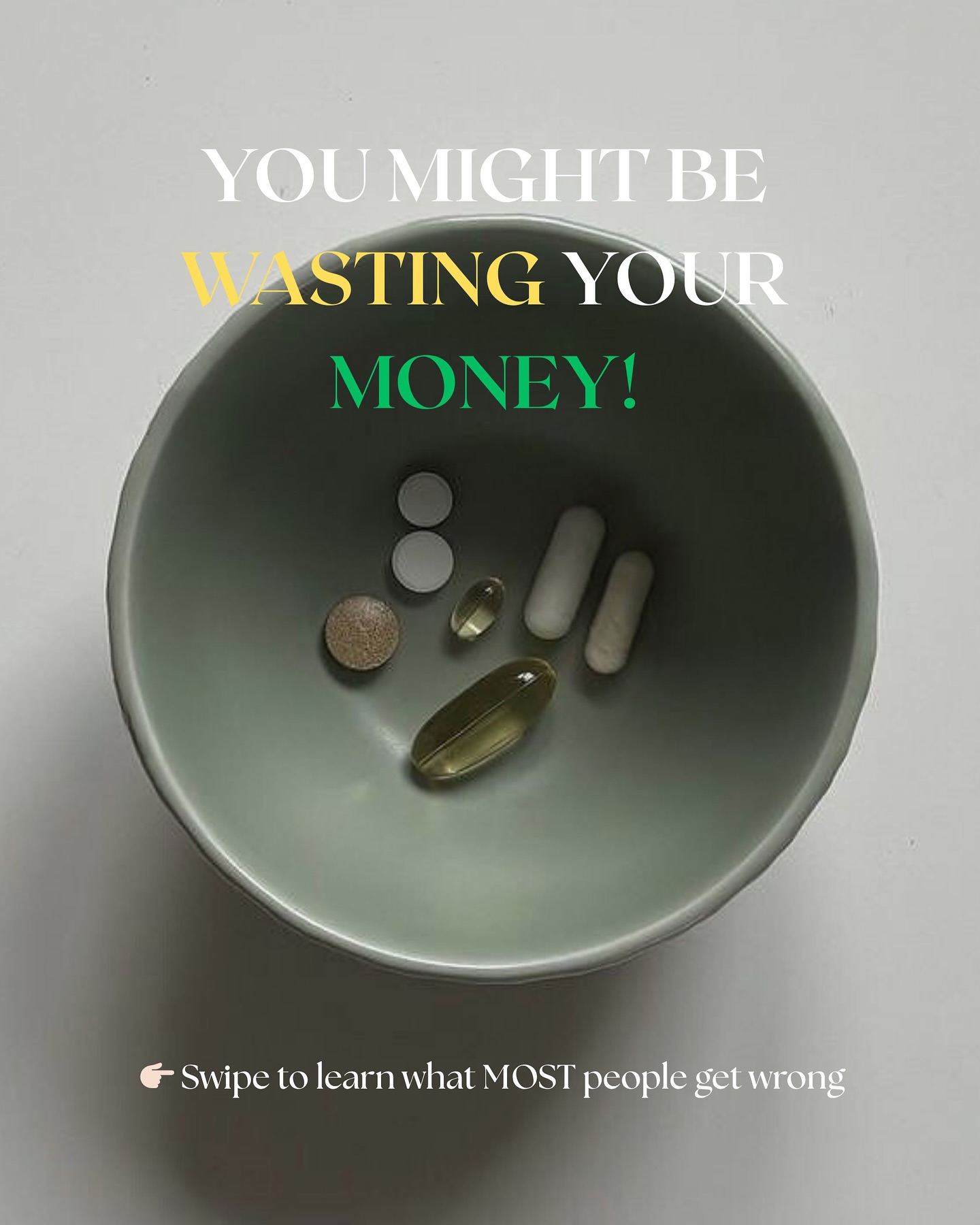
Supplements: Are You Wasting Your Money?
Introduction
We’ve all been there, haven’t we? Staring at the overwhelming wall of supplements at the local health store, each bottle promising miraculous results – from boundless energy and ripped abs to laser-sharp focus and the fountain of youth. It’s tempting, oh so tempting, to grab a handful and hope for the best. But let’s be honest, how often do those promises actually pan out? Are you truly investing in your health, or just lining the pockets of supplement companies? The truth, as it often does, lies somewhere in between.
The Allure of the Quick Fix: A Short-Term Temptation
The supplement industry thrives on our desire for quick fixes and easy solutions. We live in a world of instant gratification, where patience is a virtue often overlooked. Popping a pill to boost our immune system before flu season, chasing that extra pump at the gym with a pre-workout, or relying on a sleep aid to finally get some shut-eye – it all sounds so appealing.
In the short term, some supplements *can* provide a noticeable boost. That pre-workout might give you the energy to power through a tough workout, and that vitamin C supplement might seem like a good idea when you feel a tickle in your throat. But here’s the catch: these short-term gains often come at a cost, and sometimes, they’re simply placebo effects disguised as real results.
Consider the student cramming for an exam, fueled by energy drinks and focus-enhancing pills. Sure, they might stay up all night and ace the test, but what about the sleep deprivation, the anxiety, and the inevitable crash that follows? Are the short-term benefits worth the long-term consequences?
The Long Game: When Supplements Fall Short
The real problem with over-reliance on supplements arises when we start viewing them as a replacement for a healthy lifestyle. We convince ourselves that we can eat poorly, skip workouts, and skimp on sleep, as long as we’re popping the right pills. This is where we truly start wasting our money, and potentially harming our health in the long run.
Think about it: Can a multivitamin truly compensate for a diet devoid of fruits, vegetables, and whole grains? Can a fat burner magically melt away years of accumulated excess without any changes to your eating habits or exercise routine? The answer, overwhelmingly, is no.
Furthermore, the long-term effects of many supplements are still largely unknown. While some are generally considered safe when taken as directed, others can interact with medications, cause adverse side effects, or even lead to serious health complications. The lack of regulation in the supplement industry means that what you see on the label isn’t always what you get. This can lead to both wasted money and potential health risks.
Imagine someone taking a weight loss supplement promising rapid results. They experience heart palpitations, anxiety, and insomnia. They are not only wasting their money but actively jeopardizing their well-being.
Breaking Free: Practical Solutions for a Healthier Approach
So, what’s the alternative? How can you navigate the confusing world of supplements and make informed decisions about your health? Here are some practical solutions to consider:
- Prioritize a Foundation of Healthy Habits: This is the cornerstone of any sustainable health strategy. Focus on eating a balanced diet rich in whole foods, getting regular exercise, prioritizing sleep, and managing stress. Before you even think about supplements, ensure you’re building a solid foundation of healthy habits.
- Example: Instead of reaching for a multivitamin to cover your nutritional bases, commit to incorporating more fruits and vegetables into your daily diet. Try adding a smoothie with spinach, berries, and protein in the morning, or incorporating a side salad with your lunch.
- Identify Specific Deficiencies (if any): Don’t blindly take supplements based on marketing hype. Consult with your doctor or a registered dietitian to identify any specific nutrient deficiencies you may have. Blood tests can reveal whether you’re lacking in vitamin D, iron, B12, or other essential nutrients.
- Case Study: A young woman experiencing chronic fatigue consults her doctor, who discovers she’s severely deficient in vitamin D. After starting a doctor-prescribed vitamin D supplement, her energy levels significantly improve.
- Research and Choose Reputable Brands: The supplement industry is rife with questionable products. Do your research and choose brands that are third-party tested for purity, potency, and safety. Look for certifications from organizations like NSF International, USP, or ConsumerLab.com.
- Tip: Check online reviews and forums to see what other consumers are saying about specific brands and products. Be wary of exaggerated claims or testimonials that sound too good to be true.
- Be Wary of Miracle Cures: If a supplement promises miraculous results or sounds too good to be true, it probably is. There’s no magic pill for weight loss, muscle gain, or perfect health. Focus on evidence-based strategies and realistic goals.
- Consider Targeted Supplementation (if needed): Once you’ve addressed your diet and identified any deficiencies, consider targeted supplementation to address specific needs. For example, a vegetarian might benefit from a B12 supplement, while someone living in a northern climate might need extra vitamin D during the winter months. Athletes might consider creatine monohydrate to aid performance.
- Important Note: Even targeted supplementation should be approached with caution. Start with a low dose and monitor your body’s response. Always consult with your doctor before starting any new supplement, especially if you have any underlying health conditions or are taking medications.
- Cycle Your Supplements: Avoid taking the same supplements continuously for extended periods. This can lead to tolerance, reduced effectiveness, and potential side effects. Consider cycling your supplements, taking them for a few weeks or months, followed by a break.
- Example: If you’re taking a pre-workout supplement, try cycling it by taking it for 4-6 weeks, followed by a 2-week break. This can help prevent your body from adapting to the ingredients and maintaining its effectiveness.
Alternative Approaches: Embracing Holistic Wellness
Beyond supplements, there are many alternative approaches you can explore to improve your health and well-being:
- Mindfulness and Meditation: Practicing mindfulness and meditation can reduce stress, improve sleep, and enhance overall mental well-being.
- Yoga and Stretching: Regular yoga and stretching can improve flexibility, reduce muscle tension, and promote relaxation.
- Spending Time in Nature: Studies have shown that spending time in nature can lower blood pressure, reduce stress hormones, and boost mood.
- Building Strong Social Connections: Social interaction and strong relationships are essential for both physical and mental health.
A Brighter, Healthier Future
The world of supplements can be confusing and overwhelming, but by prioritizing a foundation of healthy habits, identifying specific deficiencies, and choosing reputable brands, you can make informed decisions about your health. Remember, supplements are meant to *supplement* a healthy lifestyle, not replace it.
The power to transform your health lies within you. By embracing a holistic approach that encompasses diet, exercise, sleep, stress management, and mindful supplementation, you can unlock your full potential and live a healthier, happier, and more fulfilling life. Don’t let the allure of quick fixes distract you from the long-term benefits of sustainable, healthy habits. Take control of your well-being, and remember that the best investment you can make is in yourself. Start small, be consistent, and celebrate your progress along the way. You’ve got this!