Supplements: Hope or Hype?

Supplements

Supplements: Hope or Hype?

Introduction

Ever find yourself scrolling through Instagram, bombarded with ads promising miraculous weight loss, laser-sharp focus, or the secret to eternal youth, all conveniently packaged in a brightly colored pill or powder? You’re not alone. The supplement industry is a multi-billion dollar behemoth, fueled by our collective desire for a quick fix and a longing to optimize our well-being. But with so much noise and conflicting information, it’s tough to know: are supplements a legitimate path to a healthier you, or just clever marketing preying on our vulnerabilities? Let’s dive in and separate the hope from the hype.

The Alluring Promise & The Potential Pitfalls

The appeal of supplements is undeniable. In our fast-paced, demanding world, the idea of popping a pill to combat stress, boost immunity, or improve athletic performance is incredibly enticing. They offer the promise of enhanced energy, improved sleep, and a better quality of life, all without drastically altering our lifestyle.

However, this promise often overshadows the potential pitfalls.

Short-Term Impacts:

Immediately, you might experience a placebo effect – feeling better simply because you believe the supplement is working. While a placebo can be powerful, it’s not the same as genuine physiological benefit. Some supplements might provide a temporary boost, like caffeine providing a jolt of energy, but the crash that often follows can leave you feeling worse than before. Then, there’s the financial cost. Regularly purchasing supplements can quickly drain your wallet, especially if you’re buying into multiple promises simultaneously.

Long-Term Impacts:

The real concerns often lie in the long-term. Some supplements can interact negatively with medications, leading to potentially dangerous side effects. Others, taken in excessive doses, can damage your organs, particularly the liver and kidneys. And perhaps the most insidious long-term impact is the reliance on supplements as a substitute for healthy habits. Instead of focusing on a balanced diet, regular exercise, and adequate sleep, you might fall into the trap of thinking you can simply “supplement” your way to optimal health, ultimately neglecting the foundational elements of well-being.

Navigating the Supplement Maze: Practical Solutions

So, how do you navigate this complex landscape? Here’s a roadmap to help you make informed decisions:

  1. Talk to Your Doctor First: This is the golden rule. Your doctor knows your medical history, current medications, and potential risk factors. They can advise you on whether a particular supplement is safe and appropriate for you. Don’t rely on online reviews or anecdotal evidence – your health is too important.
    • Example: Imagine you’re considering taking St. John’s Wort for mild depression. Your doctor knows you’re already on a blood thinner. They can inform you that St. John’s Wort can interact with blood thinners, potentially increasing the risk of bleeding.
  2. Focus on Food First: Supplements are intended to supplement your diet, not replace it. Prioritize whole, unprocessed foods packed with vitamins, minerals, and antioxidants. A balanced diet is almost always more effective and sustainable than relying solely on supplements.
    • Example: Instead of taking a vitamin C supplement to boost your immune system, increase your intake of citrus fruits, berries, and leafy green vegetables.
  3. Do Your Research: Don’t believe everything you read on a supplement label or in online ads. Look for supplements that have been third-party tested by independent organizations like USP, NSF International, or ConsumerLab.com. These certifications verify that the product contains the ingredients listed on the label, in the amounts specified, and that it is free from harmful contaminants.
    • Example: You’re interested in taking creatine for muscle growth. You research different brands and find one that is NSF Certified for Sport, ensuring it has been tested for banned substances and contaminants.
  4. Start Slow and Monitor: If you decide to try a supplement, start with a low dose and gradually increase it as needed. Pay close attention to how your body reacts. Are you experiencing any side effects? Is the supplement actually providing the benefits you were hoping for?
    • Example: You start taking a magnesium supplement to improve your sleep. You begin with a low dose and gradually increase it over a week, monitoring your sleep quality and any digestive issues.
  5. Be Wary of Miracle Cures: If a supplement promises to cure a serious illness or deliver unrealistic results, it’s likely too good to be true. The supplement industry is rife with scams, so be skeptical of exaggerated claims and products that sound like snake oil.
  6. Consider Targeted Supplementation: Instead of taking a shotgun approach with multiple supplements, consider addressing specific deficiencies or health concerns based on lab results or medical advice.
    • Example: Your doctor diagnoses you with a Vitamin D deficiency after a blood test. They recommend a specific dose of Vitamin D3 supplement to address the deficiency.

Alternative Approaches: Holistic Well-being

Sometimes, the answer isn’t a supplement at all. Consider MAHJONG222 these alternative approaches:

  • Mindfulness and Meditation: Studies have shown that mindfulness and meditation can reduce stress, improve sleep, and enhance overall well-being, often more effectively than supplements marketed for those purposes.
  • Regular Exercise: Exercise is a powerful medicine. It can boost energy levels, improve mood, strengthen your immune system, and reduce the risk of chronic diseases.
  • Prioritize Sleep: Adequate sleep is essential for physical and mental health. Aim for 7-9 hours of quality sleep each night.
  • Stress Management Techniques: Find healthy ways to manage stress, such as spending time in nature, practicing yoga, or connecting with loved ones.

Case Study: The Athlete’s Dilemma

Sarah, a competitive marathon runner, felt pressure to enhance her performance with supplements. She bombarded her body with pre-workout formulas, recovery powders, and various vitamins, hoping for an edge. However, she started experiencing digestive issues and fatigue. After consulting a sports nutritionist, Sarah learned she was overloading on certain nutrients and neglecting the fundamentals: proper hydration, a balanced diet tailored to her training needs, and adequate rest. By simplifying her approach and focusing on these fundamentals, Sarah saw significant improvements in her performance and overall health.

Conclusion: Empowered Choices for a Healthier You

The supplement industry can feel like a minefield, but with the right knowledge and a healthy dose of skepticism, you can navigate it effectively. Remember, supplements are not a magic bullet. They are most effective when used in conjunction with a healthy lifestyle and under the guidance of a healthcare professional.

Don’t fall for the hype. Embrace a holistic approach to wellness that prioritizes whole foods, regular exercise, adequate sleep, and stress management. Empower yourself with knowledge, ask questions, and make informed decisions that are right for your body and your health. The journey to a healthier you is a marathon, not a sprint, and lasting success comes from building a solid foundation of healthy habits. The power to truly optimize your well-being lies within you – start building that foundation today!

 

Science: Unveiling Reality, Rewriting Tomorrow.

Science Image

Science:Unveiling Reality,Rewriting Tomorrow

Introduction

Everlookedupatthenightskyandwonderedwhat’s*really*outthere?Orperhapsponderedthecomplexitiesofthehumanbody,thatincrediblemachinekeepingyouticking?That’sscienceatplay,folks.It’snotjustaboutdustytextbooksandlabcoats;it’sthedrivingforcebehindeverythingweknowandthearchitectoftheworldwe’rebuilding.

Scienceisn’tjustsomeabstractconceptconfinedtoacademichalls.It’stheengineofprogress,constantlyrevealingtheintricateworkingsofouruniverseandempoweringustoreshapeourfuture.It’saboutasking”why,”challengingassumptions,anddaringtoexploretheunknown.Andrightnow,morethanever,weneedthatspiritofinquirytonavigatethechallengesandopportunitiesthatlieahead.

Butlet’sbehonest.Sometimestheword”science”canfeelabitintimidating.Visionsofcomplexequationsandimpenetrablejargonmightspringtomind.Thetruthis,scienceisforeveryone.It’saboutcuriosity,observation,andawillingnesstolearn.Andwhilesomediscoveriesmightseemlight-yearsawayfromourdailylives,theimpactisoftenmoreprofoundthanwe realize.

TheShort-TermBuzzandtheLong-TermGame

Let’sthinkaboutsomethinglikethedevelopmentofmRNAvaccines.Justafewyearsago,theideaofrapidlydesigninganddeployingavaccinebasedongeneticmaterialfeltlikesomethingstraightoutofsciencefiction.Butthankstodecadesofscientificresearch,mRNAtechnologywasreadywhenweneededitmost.Theshort-termimpact?Savingcountlesslivesandmitigatingthedevastatingeffectsofa globalpandemic.

Butthelong-terminplicationsareevenmoreexciting.mRNAtechnologyisnowbeingexploredfortreatingawiderangeofdiseases,fromcancertogeneticdisorders.Imagineafuturewherepersonalizedmedicine,tailoredtoyouruniquegeneticmakeup,becomesthenorm.Thatfutureisbeingbuilton thefoundationsofscience,brickbybrick,discoverybydiscovery.

However,it’snotallsunshineandrainbows.Scientific AZTEC88 advancementsoftencomewithethicalconsiderationsandpotentialrisks.Thinkabouttheriseofartificialintelligence.Intheshortterm,AIisalreadytransformingindustries,automatingtasks,andprovidinguswithunprecedentedinsights.Butlong-term,weneedtograpplewithquestionsaboutjobdisplacement,algorithmicbias,andthepotentialformisuse.IgnoringtheseconcernscouldleadtoafuturewherethebenefitsofAIarenotsharedequally,orevenworse,whereAIsystemsoperateinwaysthatareharmfultosociety.

Andthenthere’stheclimatecrisis.Thescientificevidenceisoverwhelming:ourplanetiswarmingatanalarmingrate,andhumanactivityistheprimarydriver.Theshort-termimpactsarealreadyvisible–morefrequentandintenseheatwaves,risingsealevels,anddevastatingnaturaldisasters.Thelong-termconsequences?Potentiallycatastrophic,threateningthestabilityofourecosystems,oureconomies,andevenoursocieties.

TurningtheTide:PracticalSolutionsWithinReach

So,whatcandowe do?Howcanweharnessthepowerofsciencetocreateabetterfuturewhilemitigatingtherisks?Thegoodnewsis,wealreadyhavemanyofthetoolsweneed.Hereareafewpracticalapproacheswecantake:

  • EmbraceRenewableEnergy:Thisisabigone.Transitioningtorenewableenergysourceslikesolar,wind,andgeothermaliscrucialforreducingourcarbonemissionsandcombatingclimatechange.Andit’snotjustaboutmassivesolarfarms;considerinstallingsolarpanelsonyourhome,orsupportinglocalbusinessesthatprioritizerenewableenergy.Forexample,countrieslikeDenmarkhaveinvestedheavilyinwindenergy,nowgeneratingasignificantportionoftheirelectricityfromwindpower.
  • PromoteSustainableAgriculture:Thewaywegrowourfoodhasahugeimpactontheenvironment.Sustainableagriculturepractices,suchasno-tillfarming,croprotation,andreduc eduseofpesticides,canhelpimprovesoilhealth,reducewaterconsumption,andlowergreenhousegasemissions.Supportlocalfarmerswhoarecommittedtosustainablepractices,andconsidergrowingyourownfood,evenifit’sjustasmallherbgardenonyourwindowsill.CompanieslikePatagoniaProvisionsaredemonstratingthatit’spossibletobuildasuccessfulbusinessmodelaroundsustainableandregenerativeagriculture.
  • InvestinEducationandResearch:Scienceeducationisthekeytounlockingfutureinnovation.Weneedtoinspirethenextgenerationofscientists,engineers,andproblem-solvers.SupportinitiativesthatpromoteSTEMeducationinschoolsandcommunities,andencouragecuriosityandcriticalthinking.Governmentsandprivateinstitutionsshouldalsoprioritizefundingforscientificresearch,particularlyinare asthataddresspressingglobalchallenges.
  • LeverageTechnologyforGood:Technologycanbeapowerfultoolforsolvingproblems.FromAI-powereddiagnostictools inhealthcaretosmartgridsthatoptimizeenergyconsumption,technologycanhelpusimproveourlivesandcreateamoresustainableworld.However,it’simportanttoensurethattechnologyisdevelopedandusedresponsibly,withconsiderationforethicalimplicationsandpotentialunintendedconsequences.
  • FosterCollaborationandOpenScience:Sciencethrivesoncollaboration.Bysharingdata,researchfindings,andbestpractices,wecanacceleratethepaceofdiscoveryandinnovation.Openscienceinitiatives,whichpromotetransparencyandaccessibility,areessentialforensuringthatscientificknowledgebenefitseveryone.

AlternativePathstoaBrighterFuture

It’simportanttorememberthatthere’snoone-size-fits-allsolution.Differentcommunitiesandindividualswillhavedifferentprioritiesandneeds.Hereareafewalternativeapproachestoconsider:

  • Community-BasedScience:Empoweringlocalcommunitiestoconducttheirownresearchandaddresstheir ownchallenges.Thisapproachcanbeparticulareffectiveinaddressingissuesrelatedtoenvironmentaljusticeandpublichealth.
  • CitizenScience:Engagingthepublicinscientificresearchprojects.Citizenscienceinitiativescanhelpcollectlargeamountsofdata,analyzexcomplexpatternsandraiseawarenessaboutscientificissues.
  • TechnologicalInnovations:Focusingoncreatinginnovativesolutionstosolveproblemsinwaysthataremoreeffective.Technologicalinnovationsarekeytounlockingnewsolution s.

AFutureForgedinCuriosity

Scienceisnotjustabodyofknowledge;it’sawayofthinking,aprocessofdiscovery,andacalltoaction.It’saboutconstantlyquestioning,exploring,andinnovatingtocreateabetterfutureforourselvesandgenerationstocome.

Thechallengeswefacearesignificant,butsoisourpotential.Byembracingthepowerofscience,wecanunlocknewsolution,createamoresustainableworld,andbuildabrighterfutureforall.Let’snotbeafraidtoaskquestions,tochallengeassumptions,andtoexploretheunknown.Afterall,thefutureis notsomethingthathappenstous;it’ssomethingwecreate.So,let’sgettoworkandrewrittomorrow,together.


Dementia: Stealing Memories, Erasing Lives.

Dementia:StealingMemories,ErasingLivesDementiaAwareness

Dementia:StealingMemories,ErasingLives

Introduction

Evermisplacedyourkeys?Forgottenaname?Weallhavethosemoments.Butimaginethosemomentsescalating,becomingmorefrequent,andslowlybutsurely,erodingtheveryessenceofwhoyouare.That’sthechillingrealityofdementia.It’smorethanjustforgetfulness;it’sarelentlessthief,stealingmemories,blurringidentities,andgradually,erasinglives.

Dementiaisn’tasingledisease,butratheranumbrellatermforarangeofcognitivedeclinesymptomsserioustoughtointerferewithdailylife.Alzheimer’sdiseaseisthemostcommontype,accountingfor60-80%ofcases.Othersincludevasculardementia,Lewybodydementia,andfrontotemporaldementia,eachwithitsownuniquecharacteristicsandprogression.

Thisisn’tjustaproblemfor”oldpeople,”either.Whileageisasignificantriskfactor,early-onsetdementiacanstrikeindividualsintheir30s,40s,and50s,throwingentirefamiliesintodisarray.So,whatdoesthisinsidiousconditionactually*do*topeople,andwhatcanwedoaboutit?

ExplanationoftheProblem

Theimmediateeffectsofdementiaareoftensubtle.Alovedonemightstrugglewithnewinformation,repeatthemselvesfrequently,orbecome disorientedinfamiliarplaces.Theseearlysignscanbeeasilydismissedas”justgettingolder,”buttheyarecrucialwarningflags.

Asthediseaseprogresses,theshort-termimpactsbecomemorepronounced:

  • CognitiveDecline:Difficultywithproblem-solving,planning,anddecision-makingbecomesincreasinglyapparent.
  • CommunicationChallenges:Findingtherightwords,understandingconversations,andexpressingthoughtsbecomearduoustasks.
  • BehavioralChanges:Moodswings,irritability,anxiety,andevenaggressioncansurface,placingimmensestrainoncaregivers.
  • FunctionalImpairment:Dailytaskslikedressing,bathing,andeatingbecomechallenging,requiringassistanceanderodingindependence.

Thelong-termimpactsareevenmoredevastating.Imaginewatchingalovedoneslowlyfadeaway,theirmemoriesslippingthroughtheirfingerslikegrainsofsand.

  • LossofIdentity:Asmemoriesvanish,individualslosetheirsenseofself,theirconnectiontotheirpast,andtheirunderstandingofwho theyare.
  • CompleteDependence:Eventually,individuals with advanced dementia require round-the-clock care, becoming completely dependent on others for their basic needs.
  • EmotionalTollonFamilies:Caregiversfaceimmensephysical,emotional,andfinancialburdens.Theconstantdemandsofcaregivingcanleadto burnout,depression,andsocialisolation.
  • SignificantHealthcareCosts:Thelong-termcareassociatedwithdementiaisincrediblyexpensive,placingasignificantstrainonfamiliesand healthcare systems.

Solutions

Whilethereiscurrentlynocureformostformsofdementia,therarestrategiesandinterventionsthatcansignificantlyimprovethequalityoflife forbothindividualswithdementiaandtheircaregivers.Thekeyisearlydetectionandproactivemanagement.

Herearesomepracticalsolutions:

  1. EarlyDetectionandDiagnosis:Thesoonerdementiaisdiagnosed,thesoonerinterventionscanbeimplementedtoslowitsprogressionandmanagesymptoms.Don’thestatetoconsultadoctorifyounoticeconcerningchangesinmemoryorcognitivefunction.
    • Example:Mydadstartedforgettinghowtoplaychess,agamehehadplayedallhislife.Itwasasubtlesign,butitpromptedusto seekmedicalattention,leadingtoanearlydiagnosisofAlzheimer’s.
  2. LifestyleModifications:Certainlifestylechangescanhelpmaintaincognitivefunctionandreducetheriskofdementia:
    • RegularExercise:Physicalactivityimprovesbloodflowtothebrain,promotingcognitivehealth.Aimforatleast30minutesofmoderate-intensityexercisemostdaysoftheweek.
    • HealthyDiet:Abalanceddietrichinfruits,vegetables,wholegrains,andleanproteinisessentialforbrainhealth.Considerthe Mediterraneandiet,whichhasbeenlinkedtoalowerriskofcognitivedecline.
    • MentalStimulation:Engageinmentallystimulatingactivitieslikepuzzles,reading,learningnewskills,andsocializing.
    • SocialEngagement:Stayingsociallyactivecanhelpcombatlonelinessandisolation,whichareriskfactorsforcognitivedecline.
    • Example:Aneighborwhostartedtakingballroomdancingclassesafterretirementnoticedasignificantimprovementinhermemoryand coordination.Thecombinationofphysicalactivity,mentalstimulation,andsocialinteractionprovedtobebeneficial.
  3. MedicationsandTherapies:Whilemedicationscannotcuredementia,theycanhelpmanagesymptomsandslowitsprogressioninsomecases.
    • CholinesteraseInhibitors:ThesemedicationscanimprovecognitivefunctioninindividualswithAlzheimer’sdiseasebyincreasinglevelsof acetylcholine,aneurotransmitterinvolvedinmemoryandlearning.
    • Memantine:ThismedicationcanimprovecognitivefunctioninindividualswithmoderatetosevereAlzheimer’sdiseasebyregulatingglutamate,another neurotransmitterinvolvedinbrainfunction.
    • CognitiveTherapies:Therapieslikerealityorientationtherapyandreminiscencetherapycanhelpindividualswithdementiastayconnectedtotheir pastandmaintainasenseofself.
  4. CreatingaSupportiveEnvironment:Modifyingthehomeenvironmentcanmakeitsaferandmorecomfortableforindividualswithdementia.
    • SimplifytheEnvironment:Removeclutteranddistractionstoreduceconfusionandanxiety.
    • ImproveLighting:Ensureadequatelightingtoimprovevisibilityandreducetheriskoffalls.
    • LabelItems:Labeldrawers,cabinets,andotheritemstohelpindividualswithdementiafindwhattheyneed.
    • ImplementSafetyMeasures:Installgrabbarsinbathrooms,removetrippinghazards,andconsiderusingdooralarmstopreventwandering.
  5. CaregiverSupport:Caregivingisademandingjob,andcaregiversneedsupporttoavoidburnoutandmaintaintheirownwell-being.
    • JoinaSupportGroup:Connectingwithothercaregiverscanprovideemotionalsupport,practicaladvice,andasenseofcommunity.
    • RespiteCare:Respitecareprovidestemporaryreliefforcaregivers,allowingthemtotakeabreakandrecharge.
    • ProfessionalCounseling:Therapycanhelpcaregiverscopewiththeemotionalchallengesofcaregivinganddevelopcopingstrategies.

AlternativeSolutionsandApproaches

Everyindividualwithdementiaisunique,andtheircareplanshouldbetailoredtotheirspecificneedsandpreferences.Herearesome alternative solutionsandapproaches:

  • Person-CenteredCare:Thisapproachfocusesontheindividual’sstrengths,abilities,andpreferences,rathertantheirdeficits.It emphasizesautonomy,dignity,andrespect.
  • MusicTherapy:Musiccanevokememories,reduceanxiety,andimprovemoodinindividualswithdementia.
  • ArtTherapy:Artcanprovideacreativeoutletforself-expressionandcommunication,evenwhenverbalcommunicationisdifficult.
  • Animal-AssistedTherapy:Interactingwithanimalscanreduceanxiety,improvemood,andprovidecompanionship.
  • Technology-BasedSolutions:Appsanddevicescanhelpindividualswithdementiamanagetheirmedications,stayconnectedwithlovedones,andtrack theirlocation.

Conclusion

Dementiaisaformidablechallenge,butit’snotinsurmountable.Withearlydetection,proactivemanagement,andasupportivecommunity,individualswith dementiacanlivemeaningfulandfulfillinglives.

Thekeyistorememberthatbehindthediseaseisaperson–apersonwithalifetimeofmemories,experiences,andemotions.Byfocusingon theirstrengths,abilities,andpreferences,wecanhelpthemmaintaintheirdignity,autonomy,andsenseofself.

Andwhileacuremaystillbeonthehorizon,wecanmakeaprofounddifferenceinthelivesofthoseaffectedbydementiabyprovidingcompassionate care,unwavering support,andareasonforhope.So,let’seducateourselves,advocateforbettercare,andworktogethertocreateamoredementia-friendlyworld.Thefightagainstdementiaisamarathon,notasprint,buteverystepwetakebringsusclosertoabrighterfuture.

Parkinson’s: Stealing Time.

Parkinson’s: Stealing TimeParkinson's Disease

Parkinson’s: Stealing Time

Introduction

Imagine a clock, its hands ticking away relentlessly. Now, imagine that clock slowly starting to malfunction, its gears grinding, its pace becoming erratic. That’s a little like what Parkinson’s Disease can feel like – a gradual erosion of control, a thief silently stealing time, movement, and ultimately, quality of life.

Parkinson’s isn’t a new disease, but its prevalence is growing, impacting millions worldwide. You might know someone affected – a family member, a friend, a neighbor. What you might *not* know is the sheer depth of its impact, both in the short and long term, and, more importantly, what can be done about it.

The Subtle Hand of the Thief: Short-Term Impacts

Initially, Parkinson’s often tiptoes in, its presence almost imperceptible. A slight tremor in a hand, a stiffness in a limb, a subtle change in facial expression – these early signs are easily dismissed as fatigue, stress, or just “getting older.” But these seemingly minor inconveniences are the early skirmishes in a much larger battle.

Think about it: that slight tremor makes pouring a cup of coffee a daily challenge. The stiffness makes getting out of bed a slow, deliberate process. The change in facial expression, often described as a “masked face,” can impact communication and social interaction. These seemingly small changes accumulate, chipping away at independence and self-confidence.

These short-term impacts aren’t just physical. Parkinson’s can bring with it a wave of emotional challenges. The frustration of losing control, the anxiety about the future, and the potential for social isolation can lead to depression and a diminished sense of well-being. Imagine the toll it takes on someone who loves to garden, paint, or simply enjoy a walk in the park, when these activities become increasingly difficult, or even impossible, due to the disease’s early symptoms.

The Long Game: A Gradual Erosion

As Parkinson’s progresses, its effects become more pronounced. The tremors become more persistent and debilitating. Rigidity increases, making movement slower and more difficult. Balance becomes impaired, increasing the risk of falls. These motor symptoms are often accompanied by non-motor symptoms that can significantly impact quality of life, including sleep disturbances, cognitive decline, and bowel and bladder issues.

Over the long term, Parkinson’s can dramatically alter an individual’s life. Simple tasks like dressing, eating, and bathing may require assistance. Maintaining social connections becomes more challenging. The ability to work and participate in hobbies is often compromised. The emotional toll intensifies, leading to increased risk of depression, anxiety, and social isolation.

Consider the case of Robert, a retired teacher who loved to play golf. As Parkinson’s progressed, his swing became less fluid, his balance faltered, and eventually, he had to give up the game he loved. This loss wasn’t just about golf; it was about losing a part of his identity, a source of joy and social connection.

Fighting Back: Practical Solutions and Approaches

While there’s currently no cure for Parkinson’s, there are many effective strategies for managing symptoms and improving quality of life. The key is to take a proactive approach and tailor the treatment plan to the individual’s specific needs and circumstances. Here are several avenues to explore:

  1. Medication Management:

    Medications, such as levodopa, can effectively manage motor symptoms by replacing dopamine, a neurotransmitter that is deficient in Parkinson’s disease. However, medications can have side effects, and their effectiveness may wane over time. Working closely with a neurologist to find the right combination of medications and adjust dosages as needed is crucial.

    • Example: Sarah, a 60-year-old with Parkinson’s, initially experienced significant relief from her tremors and stiffness with levodopa. However, after a few years, she began experiencing involuntary movements (dyskinesias) as a side effect. Her neurologist adjusted her dosage and added another medication to control the dyskinesias, allowing her to maintain a good quality of life.
  2. Exercise and Physical Therapy:

    Regular exercise is essential for maintaining strength, flexibility, and balance. Physical therapy can help individuals with Parkinson’s learn strategies to improve gait, posture, and coordination. Specific exercises, such as Tai Chi and yoga, have been shown to be particularly beneficial.

    • Example: John, diagnosed with Parkinson’s five years ago, attends a weekly exercise class specifically designed for people with the disease. He credits the class with helping him maintain his balance and mobility, and he also enjoys the social interaction with other participants.
  3. Occupational Therapy:

    Occupational therapists can help individuals with Parkinson’s adapt their environment and daily routines to make tasks easier and safer. This may involve recommending assistive devices, such as grab bars in the bathroom, or teaching strategies for dressing, eating, and performing other activities of daily living.

    • Example: Maria, who has difficulty with fine motor skills due to Parkinson’s, worked with an occupational therapist to adapt her kitchen. The therapist recommended using specialized utensils with larger handles and a non-slip cutting board, which made it easier for her to prepare meals.
  4. Speech Therapy:

    Parkinson’s can affect speech, making it softer, monotone, and difficult to understand. Speech therapy can help individuals improve their voice volume, articulation, and communication skills.

    • Example: David, a retired lawyer, found that his speech was becoming increasingly soft and slurred due to Parkinson’s. He worked with a speech therapist to learn techniques for projecting his voice and improving his articulation, which allowed him to continue participating in social activities and conversations.
  5. Nutritional Support:

    A healthy diet is important for everyone, but it’s particularly important for people with Parkinson’s. Certain foods may interact with medications, and constipation is a common side effect of the disease. A registered dietitian can help individuals develop a meal plan that meets their specific nutritional needs and helps manage symptoms.

    • Example: Emily, who experienced severe constipation due to Parkinson’s, worked with a registered dietitian to increase her fiber intake and stay hydrated. This helped her regulate her bowel movements and improve her overall well-being.
  6. Deep Brain Stimulation (DBS):

    For some individuals with advanced Parkinson’s, deep brain stimulation (DBS) may be an option. This involves surgically implanting electrodes in the brain to stimulate specific areas that control movement. DBS can significantly reduce tremors, rigidity, and other motor symptoms.

    • Note: DBS is not a cure for Parkinson’s, but it can improve quality of life for carefully selected individuals.

Taking Action, Finding Hope

Parkinson’s may be a thief, stealing time and abilities, but it doesn’t have to steal hope. By taking a proactive approach to managing the disease, individuals with Parkinson’s can live fulfilling and meaningful lives. The key is to:

  • Seek early diagnosis and treatment.
  • Work closely with a team of healthcare professionals.
  • Embrace exercise and physical therapy.
  • Make lifestyle adjustments to adapt to changing needs.
  • Connect with support groups and other individuals with Parkinson’s.
  • Stay informed about new research and treatments.

Parkinson’s is a challenge, but it’s a challenge that can be met with courage, resilience, and a proactive spirit. Remember, you’re not alone in this journey. There are resources and support available to help you live well with Parkinson’s. Take the first step today and reclaim your time, your life, and your hope for the future. The clock may be ticking, but you can choose how you spend those precious moments.

Cancer: The Thief of Tomorrows.

“`html
Cancer:TheThiefofTomorrowsCancer Awareness

Cancer:TheThiefofTomorrows

Introduction

Imagine looking forward to your daughter’s graduation, a long-awaited retirement, or simply waking up to another sunny day. Now imagine that future, those tomorrows, being snatched away, piece by piece. That’s what cancer does. It’s not just a disease; it’s a thief, stealing time, dreams, and precious moments from individuals and families around the globe.

We hear about cancer all the time. Statistics flash across our screens, fundraising events fill our calendars, and maybe, sadly, we’ve even experienced its impact firsthand. But beyond the numbers and awareness campaigns, lies a brutal reality: cancer leaves a deep scar. Let’s delve into how this insidious disease impacts lives in both the short and long term, and, more importantly, explore what we can do to fight back and reclaim those stolen tomorrows.

TheImmediateImpact:ALifeInterrupted

The moment cancer enters someone’s life, the immediate disruption is immense. Think about the physical toll: debilitating fatigue, nausea, pain, and the side effects of aggressive treatments like chemotherapy and radiation. These aren’t just minor inconveniences; they’re life-altering experiences that can render someone incapable of performing even the simplest daily tasks.

Then there’s the emotional burden. Fear, anxiety, and grief become unwelcome companions. Patients grapple with their mortality, their sense of self, and the uncertainty that looms large. Family members are not immune; they witness their loved one suffering, feeling helpless and often overwhelmed by the emotional and practical demands of caregiving.

Financially, cancer can be devastating. Treatment costs can be astronomical, even with insurance. Add to that the loss of income due to illness or the need to care for a loved one, and families can quickly find themselves in a precarious situation, forced to make impossible choices between medical care and basic necessities.

TheLongShadow:AFutureRedefined

The impact of cancer doesn’t necessarily end with treatment. Even for survivors, the shadow of the disease can linger for years, sometimes for life. Long-term side effects from treatment can include chronic pain, fatigue, heart problems, and cognitive impairment, often referred to as “chemo brain.” These challenges can make it difficult to return to work, maintain relationships, and enjoy life to the fullest.

Beyond the physical and cognitive challenges, the psychological impact can be profound. Survivors may experience post-traumatic stress, anxiety, and depression, struggling to cope with the fear of recurrence and the lasting emotional scars of their experience. The loss of innocence, the confrontation with mortality, and the changes in their physical appearance can all contribute to a sense of unease and vulnerability.

For families, the long-term impact can be equally significant. Caregivers often experience burnout and exhaustion, both during and after treatment. The emotional strain of watching a loved one suffer can take a toll on their relationships, their mental health, and their overall well-being. The loss of a loved one to cancer leaves an irreplaceable void, leaving families to navigate grief, adjust to a new normal, and carry on the memory of those they have lost.

ReclaimingTomorrows:PracticalSolutionsandHope

While the picture painted so far might seem bleak, it’s crucial to remember that there is hope, and there are things we can do to fight back against this thief of tomorrows. Here are some practical solutions and approaches that can make a real difference:

  • PreventionisKey:Thismightsoundobvious,butit’sthemostpowerfulweaponwehave.Lifestylechoicesplayasignificantroleincancerrisk.
    • Smokingcessation:Smokingisaleadingcauseofmanycancers.Quittingsmokingisthesinglemosteffectivethingyoucandoforyourhealth.ResourcesliketheCDC’swebsiteandlocalsupportgroupscanofferassistance.
    • Healthydiet:Adietrichinfruits,vegetables,andwholegrainscanhelpreducecancerrisk.Limitprocessedfoods,redmeat,andsugarydrinks.TheAmericanCancerSocietyprovidesdetaileddietaryguidelines.
    • Regularexercise:Physicalactivityhasbeenlinkedtoalowerriskofseveraltypesofcancer.Aimforatleast30minutesofmoderate-intensityexercisemostdaysoftheweek.
    • Sunprotection:Protectyourskinfromexcessivesunexposurebywearingsunscreen,hats,andprotectiveclothing.
    • Vaccinations:Getvaccinatedagainstvirusesthatcancausecancer,suchasHPVandhepatitisB.
  • EarlyDetectionSavesLives:Regularscreeningscandetectcancerinitsearlystageswhenitismosttreatable.
    • Mammograms:Forwomen,regularmammogramscandetectbreastcancerearly.Guidelinesvary,sotalktoyourdoctoraboutwhat’srightforyou.
    • Colonoscopies:Thesescreeningscandetectcoloncancerearly,allowingfortimelytreatment.
    • Paptests:Forwomen,regularPaptestscandetectcervicalcancerearly.
    • Self-exams:Performregularself-examsforbreast,skin,andtesticularcancertoidentifyanychangesorabnormalities.
  • PersonalizedTreatmentPlans:Cancertreatmentisevolvingrapidly,withagrowingemphasisonpersonalizedmedicine.
    • Genetictesting:Genetictestingcanhelpidentifyspecificmutationsincancercells,allowingdoctorstotailortreatmenttotheindividualpatient.
    • Immunotherapy:Thisinnovativeapproachharnessesthepoweroftheimmunesystemtofightcancer.
    • Targetedtherapy:Thesedrugstargetspecificmoleculesinvolvedincancergrowth,minimizingdamagetohealthycells.
    • Clinicaltrials:Participatinginclinicaltrialscanprovideaccesstocutting-edgetreatmentsandcontributetoadvancementsincancerresearch.
  • SupportSystemsareCrucial:Cancerisnotabattletobefoughtalone.
    • Supportgroups:Connectingwithothercancerpatientsandsurvivorscanprovideemotionalsupport,practicaladvice,andasenseofcommunity.OrganizationsliketheCancerResearchUKoffervarioussupportprograms.
    • Counseling:Therapistsandcounselorscanhelppatientsandfamiliescopewiththeemotionalchallengesofcancer.
    • Caregiversupport:Caregiversneedsupporttoo.Respitecare,supportgroups,andcounselingcanhelpthemavoidburnoutandmaintaintheirwell-being.
    • Financialassistance:ExplorefinancialassistanceprogramsofferedbyorganizationsliketheLeukemia&LymphomaSocietytohelpcovertreatmentcostsandotherexpenses.

CaseStudy:AStoryofHope

ConsiderthestoryofSarah,a45-year-oldwomandiagnosedwithbreastcancer.Initially,shefeltoverwhelmedandterrified.However,sheembracedaproactiveapproach.Sheunderwentgenetictesting,whichrevealedaspecificmutationthatmadeheragoodcandidatefortargetedtherapy.Shejoinedasupportgroup,whereshefoundcomfortandencouragementfromothersurvivors.Shealsoworkedwithatherapisttomanageheranxietyanddepression.Throughacombinationofpersonalizedtreatment,emotionalsupport,andapositiveattitude,Sarahnotonlysurvivedbutthrived.Today,sheisanadvocateforcancerawarenessandasourceofinspirationforothers.

ChoosingYourPath:AMulti-ProngedApproach

The solutions outlined above aren’t mutually exclusive. In fact, the most effective approach often involves a combination of strategies tailored to individual needs and circumstances.

  • Focusonpreventionfirst:Adopt a healthy lifestyle, get regular screenings, and stay informed about cancer risk factors.
  • Ifdiagnosed,seekexpertmedicaladvice:Consult with a team of oncologists and other healthcare professionals to develop a personalized treatment plan.
  • Prioritizeemotionalwell-being:Seeksupportfromfamily,friends,supportgroups,andtherapists.
  • Explorefinancialassistanceoptions:Don’tletfinancialconcernsdeteryoufromseekingthebestpossiblecare.
  • Stayinformedandengaged:Keep up-to-date with the latest advancements in cancer research and treatment.

AFutureWeCanBuild

Cancer is a formidable foe, but it is not invincible. By embracing prevention, early detection, personalized treatment, and unwavering support, we can reclaim the tomorrows that cancer seeks to steal. Let Sarah’s story and countless others like hers inspire you to take action, to make healthy choices, to advocate for research, and to offer support to those affected by this disease.

The fight against cancer is a marathon, not a sprint. But with each step forward, with each new breakthrough, with each act of compassion, we move closer to a future where cancer is no longer a thief of tomorrows, but a challenge we have overcome. Let’s work together to build that future, one day, one life, one tomorrow at a time.


“`

**Unlock Your Vitality: The Science-Backed Path to a Healthier You**

Unlock Your VitalityVitalityImage

Unlock Your Vitality: The Science-Backed Path to a Healthier You

Introduction

Feeling like you’re running on fumes? Dragging yourself through the day? We’ve all been there. That pervasive feeling of “blah” – the lack of energy, the foggy brain, the general feeling of being less than your best – it’s a sign your vitality is begging for a boost. But what exactly *is* vitality? Think of it as your inner engine, the driving force behind your physical and mental well-being. It’s the secret sauce that makes life vibrant, fulfilling, and, well, *alive*.

Explanation of the Problem

Unfortunately, in our modern, fast-paced world, vitality often takes a back seat. Long hours, processed foods, constant screen time, and relentless stress chip away at our inner reserves. The immediate consequences might seem manageable: a reliance on caffeine to get through the afternoon, a skipped workout here and there, or a growing dependence on takeout.

But these short-term compromises pave the way for significant long-term problems. Chronic fatigue, increased susceptibility to illness, accelerated aging, and a higher risk of developing serious health conditions like heart disease, diabetes, and even some cancers can all stem from neglecting our vitality. What starts as a minor inconvenience can snowball into a major roadblock, hindering our ability to enjoy life and pursue our passions.

Solutions

The good news? Vitality isn’t some elusive, unattainable ideal. It’s a science-backed concept, and you can actively cultivate it through simple, yet powerful lifestyle adjustments. Let’s ditch the “blah” and unlock a healthier, more energized you.

Fueling Your Body: The Food-Vitality Connection

Let’s face it, we are what we eat. Forget the latest fad diets; nourishing your body with whole, unprocessed foods is the foundation of lasting vitality.

  • Focus on Real Food: Think fruits, vegetables, lean proteins, and whole grains. These are packed with the vitamins, minerals, and antioxidants your body craves. Imagine your plate as a vibrant canvas – the more colors (naturally occurring, of course!), the better.
    • Example: Instead of a sugary cereal for breakfast, try a bowl of oatmeal topped with berries and nuts. This provides sustained energy and essential nutrients.
  • Hydration is Key: Water is essential for virtually every bodily function. Aim for at least eight glasses of water a day, and increase your intake during exercise or hot weather.
    • Case Study: A study published in the Journal of Nutrition found that even mild dehydration can significantly impact mood and cognitive function.
  • Limit Processed Foods, Sugar, and Alcohol: These can drain your energy and contribute to inflammation, a major vitality zapper.
    • Alternative: If you crave something sweet, reach for a piece of fruit or a small square of dark chocolate instead of a sugary snack.

Movement is Medicine: Reaping the Rewards of Exercise

You already know exercise is good for you, but understanding *how* it boosts vitality can be a powerful motivator. Physical activity increases blood flow, delivers oxygen to your cells, and stimulates the release of endorphins, those feel-good chemicals that leave you feeling energized and positive.

  • Find Your Fit: The best exercise is the one you enjoy and will stick with. Whether it’s dancing, hiking, swimming, or weightlifting, find something that excites you.
    • Example: Hate running? Try cycling, yoga, or even a brisk walk in nature.
  • Consistency is Crucial: Aim for at least 30 minutes of moderate-intensity exercise most days of the week. Even short bursts of activity can make a difference.
    • Alternative: If you’re short on time, try high-intensity interval training (HIIT). These short, intense workouts can deliver significant results in a fraction of the time.
  • Don’t Forget Strength Training: Building muscle mass helps boost your metabolism and increases your overall energy levels.

Prioritize Sleep: The Ultimate Recharge

Sleep isn’t a luxury; it’s a necessity. During sleep, your body repairs and regenerates, consolidating memories and preparing you for the day ahead. Skimping on sleep can lead to fatigue, impaired cognitive function, and increased stress.

  • Establish a Consistent Sleep Schedule: Go to bed and wake up at the same time each day, even on weekends, to regulate your body’s natural sleep-wake cycle.
  • Create a Relaxing Bedtime Routine: Wind down with a warm bath, reading, or gentle stretching. Avoid screens before bed, as the blue light emitted from electronic devices can interfere with sleep.
    • Case Study: Research from Harvard Medical School shows that exposure to blue light before bed can suppress melatonin production, making it harder to fall asleep.
  • Optimize Your Sleep Environment: Make sure your bedroom is dark, quiet, and cool.
    • Alternative: Consider using a white noise machine or earplugs to block out distractions.

Manage Stress: Taming the Tension

Chronic stress can wreak havoc on your body and mind, draining your energy and weakening your immune system. Learning to manage stress effectively is crucial for maintaining vitality.

  • Practice Mindfulness: Mindfulness techniques, such as meditation and deep breathing, can help you become more aware of your thoughts and feelings, allowing you to respond to stress in a calmer, more balanced way.
    • Example: Even just five minutes of daily meditation can make a difference. There are many free apps and online resources to guide you.
  • Connect with Others: Social support is a powerful buffer against stress. Spend time with loved ones, join a club, or volunteer in your community.
  • Engage in Hobbies: Make time for activities that you enjoy and that help you relax and unwind.
    • Alternative: Try journaling, listening to music, or spending time in nature.

Embrace a Holistic Approach: Small Changes, Big Impact

Unlocking your vitality isn’t about overnight transformations; it’s about making sustainable lifestyle changes that you can maintain over the long term. Experiment with different strategies and find what works best for you. Remember, progress, not perfection, is the goal.

Consider these additional tips for boosting your vitality:

  • Get Enough Sunlight:** Sunlight helps your body produce vitamin D, which is essential for bone health, immune function, and mood regulation.
  • Supplement Wisely:** Consider taking a multivitamin or specific supplements to address any nutrient deficiencies. Consult with a healthcare professional to determine what’s right for you.
  • Limit Screen Time:** Excessive screen time can contribute to eye strain, sleep disturbances, and sedentary behavior.

Conclusion

Unlocking your vitality is a journey, not a destination. It’s about embracing a lifestyle that nourishes your body, mind, and spirit. By incorporating these science-backed strategies into your daily routine, you can reclaim your energy, boost your mood, and live a more fulfilling life. Remember, every small step you take contributes to a healthier, more vibrant you. So, take a deep breath, start small, and begin your journey to unlocking your full potential today. The power to feel amazing is within your reach. Go get it!

Food: The Unseen Architect of You.


Food: The Unseen Architect of YouFood Architect

Food: The Unseen Architect of You

Introduction

Ever feel like you’re just… winging it when it comes to food? Grabbing whatever’s quickest, easiest, or most tempting? We’ve all been there. But what if I told you that every single bite you take is actively shaping you, brick by nutritional brick? Not just your waistline, but your energy levels, your mood, even your ability to think clearly? Sounds a bit dramatic, right? Maybe. But stick with me, because the truth is, food is the ultimate unseen architect of you.

We often compartmentalize food, seeing it as fuel, a reward, or simply a social lubricant. But it’s so much more than that. It’s the fundamental raw material our bodies use to build and maintain every single cell. And the quality of those raw materials has a profound impact on the finished product – you.

The Short Game: What You Eat Today, You Feel Tomorrow

Let’s talk about the immediate effects. Think about that mid-afternoon slump. You’re staring blankly at your screen, fighting off yawns, and productivity has plummeted. More often than not, the culprit is lurking in your stomach: a sugary pastry from the morning, a carb-heavy lunch, or simply skipping a meal altogether.

These choices send your blood sugar on a rollercoaster ride. The initial spike gives you a temporary boost, but the inevitable crash leaves you feeling sluggish, irritable, and craving another quick fix. It’s a vicious cycle that many of us are trapped in, impacting our focus, our decision-making, and even our relationships.

On the flip side, consider the feeling after a balanced meal filled with lean protein, healthy fats, and vibrant vegetables. You feel energized, focused, and satiated. Your brain is firing on all cylinders, and you’re ready to tackle the tasks ahead. This isn’t just about fleeting feelings; it’s about optimizing your performance in every area of your life.

The Long Game: Building a Foundation for the Future

While the short-term effects are noticeable, the long-term consequences of our dietary choices are far more significant. Think of your body as a house under construction. Day after day, week after week, year after year, you’re laying the foundation, building the walls, and putting on the roof. The materials you use determine the strength, stability, and longevity of that structure.

A diet consistently lacking in essential nutrients, high in processed foods, and loaded with sugar and unhealthy fats is like building your house with cheap, flimsy materials. It might look okay at first, but over time, cracks start to appear. These cracks manifest as increased risk of chronic diseases like heart disease, type 2 diabetes, certain types of cancer, and even neurodegenerative disorders like Alzheimer’s.

Consider the case of Maria, a 45-year-old marketing executive. For years, she prioritized convenience over nutrition, relying on processed meals and sugary snacks to fuel her busy schedule. In her early 40s, she was diagnosed with pre-diabetes and high cholesterol. These warning signs forced her to re-evaluate her choices. With the help of a nutritionist, she adopted a whole-foods-based diet, focusing on lean protein, fruits, vegetables, and healthy fats. Within months, her blood sugar and cholesterol levels improved dramatically. Maria not only felt better physically but also experienced increased energy, improved mood, and a renewed sense of well-being. Her story underscores the power of food to not only prevent disease but also to reverse its progression.

Remodeling Your Diet: Practical Solutions for a Healthier You

So, how do you start remodeling your dietary habits? It doesn’t have to be an overnight overhaul. Small, sustainable changes can make a big difference. Here are a few practical approaches:

  • Embrace the Power of Planning: Spontaneity is great for weekend adventures, but not so much for mealtime. Plan your meals for the week, create a grocery list, and stick to it. This helps you avoid impulse purchases and ensures you have healthy options readily available.
  • The “One Ingredient” Rule: Focus on foods that are as close to their natural state as possible. Think fruits, vegetables, lean proteins, whole grains, and healthy fats. If a food item has a long list of ingredients you can’t pronounce, it’s likely heavily processed and best avoided.
  • Hydrate, Hydrate, Hydrate: Often, we mistake thirst for hunger. Keep a water bottle with you and sip throughout the day. Aim for at least eight glasses of water daily. You can also incorporate hydrating foods like cucumbers, watermelon, and celery into your diet.
  • Mindful Eating: Pay attention to your food. Savor each bite, notice the flavors and textures, and eat slowly. This helps you recognize when you’re truly full, preventing overeating. Turn off distractions like the TV or your phone during meals.
  • Crowd Out the Bad: Instead of focusing on what you need to eliminate, concentrate on adding healthy foods to your diet. Start by incorporating one extra serving of vegetables or fruit each day. Over time, you’ll naturally crave less of the unhealthy stuff.
  • Experiment with Alternatives: Don’t feel like you have to give up your favorite foods entirely. Look for healthier alternatives. Swap white rice for brown rice or quinoa, regular pasta for whole-wheat or zucchini noodles, and sugary sodas for sparkling water with a squeeze of lemon or lime.
  • Seek Professional Guidance: If you’re struggling to make changes on your own, consider consulting a registered dietitian or nutritionist. They can provide personalized recommendations based on your individual needs and goals.
  • Embrace Imperfection: Nobody’s perfect. Don’t beat yourself up over occasional indulgences. The key is consistency over time. Focus on making healthy choices the majority of the time and enjoy treats in moderation.

The Power of Choice: A More Vibrant You Awaits

Food is undeniably a powerful force, shaping not just our physical health but also our mental and emotional well-being. By understanding the unseen architecture of food, we can make informed choices that pave the way for a healthier, happier, and more vibrant version of ourselves.

It’s not about deprivation or restrictive diets. It’s about empowering yourself with knowledge and making conscious decisions that support your overall well-being. It’s about building a strong foundation for the future, one delicious and nutritious bite at a time.

So, take a moment to reflect on your current eating habits. What small changes can you make today to start building a better you? The possibilities are endless, and the rewards are immeasurable. The architect within you is waiting to be unleashed. Start building.

Diet Freedom: Break the Rules, Lose the Weight.

Diet Freedom:Break the Rules,Lose the WeightDiet Freedom<

Diet Freedom:Break the Rules,Lose the Weight

Introduction

Tired of salads that taste like despair and workouts that feel like punishment?Do the words “cheat day” send a shiver down your spine,followed by a mountain of guilt?If you’re nodding along,you’re likely caught in the endless loop of diet culture – a world of rigid rules,fleeting results,and a constant battle with your own body.But what if I told you there’s a better way?A path to weight loss that doesn’t involve deprivation,restriction,or a life sentence in the gym?Welcome to Diet Freedom.

The Weight of “Shoulds”:The Problem with Traditional Dieting

Let’s be honest:most diets suck.They promise the world,deliver short-term results(if any),and leave you feeling like a failure when you inevitably “fall off the wagon.”Why is this the case?Because they’re built on a foundation of unsustainable restrictions.

Short-Term Suffering,Long-Term Struggle

The immediate impact of restrictive dieting is often a quick drop in weight.This is usually water weight and muscle mass,not actual fat loss.You might feel good for a week or two,energized by the initial results.But then the cravings hit.The constant hunger gnaws at you.Your energy levels plummet,and you become irritable.Social situations become minefields of forbidden foods,and you start dreading mealtimes.

The long-term consequences are even more damaging.Restrictive diets can disrupt your metabolism,making it harder to lose weight in the future.They can lead to nutrient deficiencies,impacting your overall health.And perhaps the most insidious effect is the psychological toll.Constant dieting can fuel disordered eating patterns,body image issues,and a toxic relationship with food.You start viewing food as the enemy,rather than nourishment and pleasure.

Imagine Sarah,a 35-year-old woman who had been yo-yo dieting since her teens.Each new diet promised to be “the one,” but after a few months of strict adherence,she would inevitably succumb to cravings and binge.She’d lose weight,then gain it back,plus more.This cycle not only impacted her physical health but also eroded her self-esteem.Sarah felt trapped,convinced that she was destined to be overweight forever.Her case is a common illustration of the harm caused by conventional dieting and serves as an eye opener for the need for a shift in perspective.

Diet Freedom:A New Paradigm

Diet Freedom is about breaking free from the shackles of rigid rules and embracing a more flexible,intuitive approach to eating.It’s about understanding your body’s needs,developing healthy habits,and building a sustainable lifestyle that supports your well-being.It’s not about deprivation;it’s about empowerment.It’s not a quick fix;it’s a long-term solution.

Practical Solutions:Reclaiming Your Plate

So,how do you achieve Diet Freedom?Here are some practical strategies to get you started:

  • Intuitive Eating:This approach encourages you to listen to your body’s hunger and fullness cues.Eat when you’re hungry,stop when you’re satisfied,and don’t feel guilty about indulging in your cravings occasionally.
    • Actionable Step:Start by paying attention to your hunger scale(1-10,with 1 being starving and 10 being painfully full).Aim to eat when you’re around a 3 or 4 and stop when you’re around a 6 or 7.
  • Mindful Eating:This practice involves paying attention to the present moment while you’re eating.Savor each bite,notice the flavors and textures,and eat without distractions(no phone,TV,or work).
    • Actionable Step:Choose one meal a day to practice mindful eating.Put away all distractions,take small bites,and chew thoroughly.Focus on the sensory experience of eating.
  • Focus on Whole,Unprocessed Foods:Building the base of your diet around nutrient-rich foods like fruits,vegetables,lean proteins,and whole grains provides your body with the nutrients it needs to thrive.
    • Actionable Step:Swap processed snacks for whole-food alternatives.Instead of chips,try sliced vegetables with hummus.Instead of candy,grab a piece of fruit.
  • Gentle Nutrition:Once you’ve established a foundation of healthy eating habits,you can incorporate more specific nutritional guidelines.This isn’t about rigid rules but rather about making informed choices that support your overall health.
    • Actionable Step:Gradually increase your intake of fiber-rich foods like vegetables,fruits,and whole grains.Fiber helps you feel full and promotes healthy digestion.
  • Embrace Movement You Enjoy:Forget grueling gym sessions you dread.Find activities that you genuinely enjoy,whether it’s dancing,hiking,swimming,or yoga.Movement should be a celebration of what your body can do,not a punishment.
    • Actionable Step:Commit to 30 minutes of enjoyable movement most days of the week.Start small and gradually increase the intensity and duration as you get fitter.

Alternative Approaches:Finding What Works for You

Everyone’s journey to Diet Freedom is unique.Here are some alternative approaches to consider:

  • Working with a Registered Dietitian:A registered dietitian can provide personalized guidance and support to help you develop a healthy eating plan that fits your individual needs and preferences.
    • Case Study:Maria,a 40-year-old woman with a history of disordered eating,worked with a dietitian to develop a more balanced and sustainable approach to food.The dietitian helped her identify her triggers,challenge her negative thoughts about food,and build a healthier relationship with her body.
  • Exploring Intermittent Fasting(IF):IF involves cycling between periods of eating and fasting.Some people find that IF helps them manage their calorie intake and improve their metabolic health.However,it’s not for everyone,and it’s essential to consult with a healthcare professional before trying IF.
    • Caution:Intermittent fasting is not suitable for everyone,especially those with a history of eating disorders,pregnant or breastfeeding women,or individuals with certain medical conditions.
  • Prioritizing Sleep and Stress Management:Adequate sleep and effective stress management are crucial for overall health and weight management.When you’re sleep-deprived or stressed,your body produces more cortisol,a hormone that can lead to increased appetite and fat storage.
    • Actionable Step:Aim for 7-8 hours of quality sleep per night.Practice relaxation techniques like meditation,yoga,or deep breathing to manage stress.

Taking Action:Your Path to Freedom

Diet Freedom is a journey,not a destination.It requires patience,self-compassion,and a willingness to challenge your beliefs about food and your body.Start small,be consistent,and celebrate your progress along the way.

  • Start Today:Choose one of the actionable steps outlined above and commit to implementing it this week.
  • Be Kind to Yourself:There will be setbacks along the way.Don’t beat yourself up.Learn from your mistakes and keep moving forward.
  • Focus on Progress,Not Perfection:It’s not about being perfect;it’s about making progress.Celebrate every small victory,and remember that every step you take is a step in the right direction.

A Brighter Future:Embracing Food and Your Body

Diet Freedom is more than just a weight-loss strategy;it’s a path to a healthier,happier,and more fulfilling life.By breaking free from the rules of diet culture,you can reclaim your relationship with food,embrace your body,and live a life of freedom and joy.You can unlock your body’s inner wisdom,nourish yourself from the inside out,and finally find peace with food and your body.So,take a deep breath,step away from the scale,and embrace the journey to Diet Freedom.The best version of yourself is waiting on the other side.

Invisible Enemy: The Looming Threat of Modern Diseases

Invisible Enemy: The Looming Threat of Modern DiseasesBook Cover

Invisible Enemy: The Looming Threat of Modern Diseases

Introduction

Ever feel like you’re dodging bullets you can’t see? That’s kind of what it’s like living in the age of modern diseases. We’re not just talking about the usual suspects like heart disease and diabetes; we’re looking at a rising tide of illnesses subtly influenced by our lifestyles, environments, and even the choices we make every day. It’s a fight against an invisible enemy, and knowing your opponent is the first step to winning.

Think about it. Our grandparents probably didn’t worry as much about the sheer volume of processed foods we consume, or the endless hours we spend glued to screens. These modern realities, while convenient, are quietly reshaping our health landscape. So, what are these “invisible” threats, and how can we protect ourselves and future generations?

Explanation of the Problem

The immediate effects of these modern diseases might seem subtle. Maybe it’s persistent fatigue, unexplained weight gain, or a general feeling of being “off.” But these are often warning signs, whispers from our bodies urging us to pay attention. Left unaddressed, these whispers can escalate into a roar, leading to chronic conditions that significantly impact our quality of life.

In the short term, these diseases can affect our productivity, our relationships, and our overall sense of well-being. Imagine trying to focus on a crucial work project when you’re battling brain fog caused by poor diet. Or missing out on cherished moments with family because you’re struggling with the physical limitations of undiagnosed arthritis.

The long-term implications are even more concerning. Conditions like type 2 diabetes, cardiovascular disease, and certain cancers, all heavily influenced by modern lifestyles, can lead to years of costly medical treatments, reduced life expectancy, and a diminished ability to enjoy life to the fullest. Consider the financial burden of managing chronic illnesses, the emotional toll on families, and the strain on healthcare systems. It’s a ripple effect that touches every aspect of our society.

So, who are these invisible enemies? They often come disguised as everyday conveniences and choices:

  • The Sugar Overload: Our bodies weren’t designed to handle the sheer amount of sugar we consume in processed foods, sugary drinks, and even seemingly healthy snacks. This excess sugar contributes to insulin resistance, leading to type 2 diabetes, obesity, and increased risk of heart disease.
  • The Sedentary Lifestyle: Modern life often means spending hours sitting at a desk, commuting in a car, and relaxing in front of a screen. This lack of physical activity contributes to weight gain, muscle loss, and a higher risk of chronic diseases.
  • The Chronic Stress: The constant demands of work, family, and social life can lead to chronic stress, which weakens our immune system, disrupts our sleep patterns, and increases our risk of heart disease, depression, and anxiety.
  • The Environmental Toxins: We are constantly exposed to environmental toxins in the air we breathe, the water we drink, and the products we use. These toxins can disrupt our hormonal balance, damage our cells, and increase our risk of cancer and other diseases.
  • The Blue Light Blues: The blue light emitted from our screens can interfere with our sleep cycles, leading to fatigue, irritability, and a weakened immune system. This disruption can also contribute to mental health issues.

Solutions

The good news is that we’re not powerless against these invisible enemies. By making conscious choices and adopting healthier habits, we can significantly reduce our risk of developing modern diseases and improve our overall well-being. Here are some practical solutions you can implement today:

  1. Rethink Your Plate: Focus on whole, unprocessed foods like fruits, vegetables, lean proteins, and whole grains. Limit your intake of sugary drinks, processed snacks, and refined carbohydrates.
    • Example: Instead of grabbing a sugary cereal for breakfast, try oatmeal with berries and nuts. Swap out sugary sodas for water infused with lemon and cucumber.
  2. Move Your Body: Aim for at least 30 minutes of moderate-intensity exercise most days of the week. Find activities you enjoy, whether it’s walking, jogging, swimming, dancing, or playing sports.
    • Example: Take the stairs instead of the elevator. Walk or bike to work or school. Join a fitness class or sports team.
  3. Master Stress Management: Practice relaxation techniques like meditation, yoga, or deep breathing exercises. Make time for activities you enjoy and connect with loved ones.
    • Example: Dedicate 15 minutes each day to meditation. Take a relaxing bath before bed. Spend time with friends and family.
  4. Prioritize Sleep: Aim for 7-8 hours of quality sleep each night. Create a relaxing bedtime routine and avoid screen time before bed.
    • Example: Establish a regular sleep schedule. Create a dark, quiet, and cool sleep environment. Avoid caffeine and alcohol before bed.
  5. Detoxify Your Environment: Choose natural and organic cleaning products and personal care items. Filter your water and air. Limit your exposure to pesticides and other environmental toxins.
    • Example: Use natural cleaning products like vinegar and baking soda. Buy organic fruits and vegetables. Invest in an air purifier and a water filter.
  6. Blue Light Mitigation: Use blue light filters on your electronic devices or wear blue light blocking glasses. Take breaks from screen time to reduce eye strain and fatigue.
    • Example: Install blue light filter apps on your phone and computer. Take a 20-minute break from screens every hour.

The beauty of preventative health is that there’s no one-size-fits-all solution. Here are some alternative approaches you might consider:

  • Mindfulness and Meditation: Techniques like mindfulness-based stress reduction (MBSR) can help you become more aware of your thoughts and emotions, reducing stress and improving your overall well-being.
  • Functional Medicine: This approach focuses on identifying and addressing the root causes of disease, rather than just treating the symptoms. It often involves personalized treatment plans that address your individual needs.
  • Nutritional Therapy: Working with a registered dietitian or nutritionist can help you create a personalized eating plan that supports your health goals.
  • Community Support: Joining a support group or online community can provide you with valuable resources and encouragement as you make healthy lifestyle changes.

Consider the story of Sarah, a 45-year-old office worker who was constantly feeling tired and stressed. After years of neglecting her health, she was diagnosed with pre-diabetes. Instead of relying solely on medication, Sarah decided to make significant lifestyle changes. She started exercising regularly, adopted a healthier diet, and practiced mindfulness meditation. Within a few months, her blood sugar levels had returned to normal, and she felt more energetic and focused than ever before. Sarah’s story highlights the power of prevention and the potential for lifestyle changes to reverse the course of chronic disease.

Conclusion

The threat of modern diseases is real, but it’s not insurmountable. By understanding the risks, making informed choices, and embracing healthy habits, we can protect ourselves and future generations from these invisible enemies. It’s about taking control of our health and creating a brighter, healthier future.

Don’t feel overwhelmed by the scope of the challenge. Start small. Choose one or two of the solutions outlined above and commit to making them a part of your daily routine. Celebrate your successes and don’t get discouraged by setbacks. Remember that every positive change, no matter how small, is a step in the right direction.

The power to fight back is in your hands. Embrace the challenge, seize the opportunity, and let’s create a world where modern diseases are no longer a looming threat, but a challenge we’ve overcome. You’ve got this!

HEALTH APOCALYPSE: Are You Ready?

“`html
HEALTH APOCALYPSE: Are You Ready?Zombie

HEALTH APOCALYPSE: Are You Ready?

Introduction

Okay, let’s be real. When you hear “health apocalypse,” your mind probably conjures images of zombies, overflowing hospitals, and societal collapse straight out of a Hollywood blockbuster. While we’re (hopefully) not quite there yet, the truth is, we’re facing a growing storm of health challenges that could seriously disrupt our lives and the world as we know it. Think of it less as a sudden, explosive event and more as a slow burn – a creeping erosion of our collective well-being.

But before you start stockpiling canned goods and perfecting your zombie-evasion techniques, take a deep breath. This isn’t about fear-mongering. It’s about understanding the threats, taking practical steps, and building resilience – both individually and as a community. Are you ready to face it? Let’s dive in.

The Gathering Storm: Short-Term and Long-Term Impacts

So, what exactly are these “health apocalypse” precursors we’re talking about? It’s a multi-faceted problem, driven by a perfect storm of interconnected issues.

  • The Rise of Chronic Diseases: We’re seeing an alarming increase in chronic conditions like diabetes, heart disease, obesity, and mental health disorders. These aren’t just “old age” problems anymore; they’re affecting younger and younger populations, straining healthcare systems and impacting productivity. The short-term impacts include rising healthcare costs, decreased quality of life, and increased individual suffering. Long-term? We’re looking at a potential collapse of healthcare infrastructure, a reduced workforce, and an overall decline in societal health.
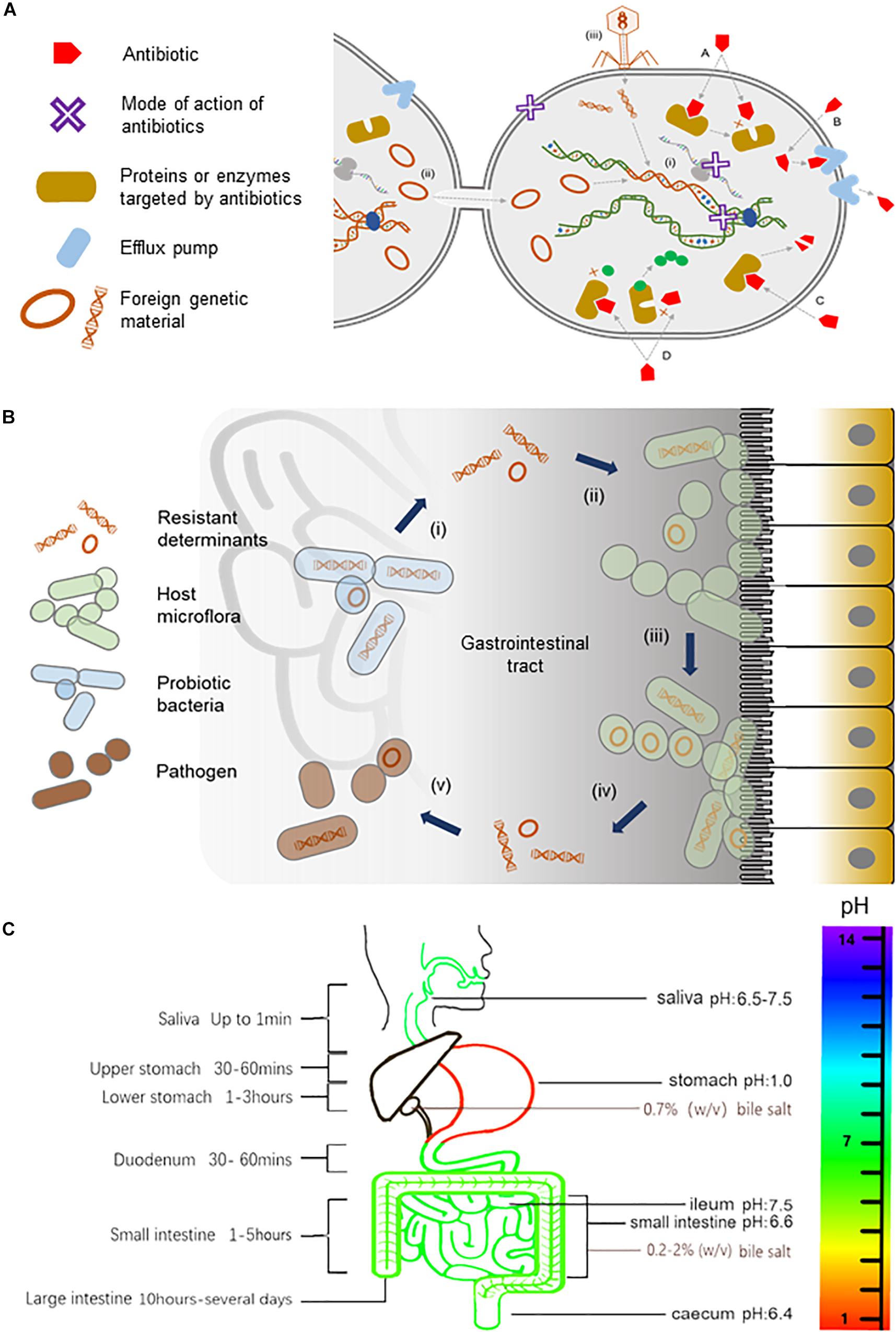
  • Antimicrobial Resistance (AMR): Imagine a world where antibiotics no longer work. That’s the terrifying reality AMR is pushing us towards. Overuse of antibiotics in humans and agriculture has led to bacteria and other microbes evolving and becoming resistant to these life-saving drugs. Short-term, this means longer hospital stays, higher medical costs, and increased risk of death from infections. Long-term, common infections could become deadly again, undoing decades of medical progress.
  • Environmental Degradation: Pollution, climate change, deforestation – these aren’t just abstract environmental issues. They directly impact our health. Air pollution exacerbates respiratory illnesses, extreme weather events cause injuries and displacement, and deforestation increases the risk of zoonotic diseases (diseases that jump from animals to humans). The short-term impacts include increased respiratory problems, heatstroke, and infectious disease outbreaks. Long-term, we’re talking about widespread food shortages, mass migrations due to uninhabitable environments, and a significant increase in climate-related illnesses.
  • Mental Health Crisis: The world is experiencing a mental health crisis, exacerbated by societal pressures, economic instability, and social isolation. Anxiety, depression, and other mental health conditions are on the rise, particularly among young people. Short-term, this leads to decreased productivity, strained relationships, and increased substance abuse. Long-term, we’re facing a generation struggling with mental health issues, impacting social cohesion and economic stability.

Building Your Ark: Practical Solutions You Can Implement Now

Okay, enough doom and gloom. The good news is, we’re not powerless. There are concrete steps we can take to mitigate these threats and build a healthier, more resilient future. The most important thing is to take action, even if you start small.

  1. Invest in Preventative Health: This is the cornerstone of a healthier future.
    • Prioritize a Healthy Lifestyle: This isn’t revolutionary advice, but it’s fundamental. Focus on a balanced diet rich in fruits, vegetables, and whole grains. Aim for at least 150 minutes of moderate-intensity exercise per week. Get enough sleep. Limit processed foods, sugary drinks, and excessive alcohol consumption.
      • Example: Try meal prepping on the weekends to ensure you have healthy options available during the week. Find an exercise you enjoy, whether it’s hiking, dancing, or swimming, to make it a sustainable habit.
    • Regular Check-ups and Screenings: Don’t wait until you’re sick to see a doctor. Regular check-ups and screenings can detect potential health problems early when they’re easier to treat.
      • Example: Schedule an annual physical exam and get recommended screenings for your age and risk factors. This could include blood pressure checks, cholesterol screenings, and cancer screenings.
    • Stress Management: Chronic stress can wreak havoc on your health. Find healthy ways to manage stress, such as meditation, yoga, spending time in nature, or pursuing hobbies.
      • Example: Download a meditation app and practice mindfulness for a few minutes each day. Take breaks throughout the day to stretch, breathe deeply, or listen to calming music.
  2. Champion Antimicrobial Stewardship: We all have a role to play in combating AMR.
    • Use Antibiotics Responsibly: Only take antibiotics when prescribed by a doctor and complete the entire course of medication, even if you feel better. Don’t demand antibiotics for viral infections like colds or the flu.
    • Practice Good Hygiene: Wash your hands frequently with soap and water, especially after using the restroom and before preparing food. This helps prevent the spread of infections, reducing the need for antibiotics.
    • Support Sustainable Agriculture: Choose meat and poultry products raised without routine antibiotics. Support farmers who prioritize animal welfare and responsible antibiotic use.
  3. Embrace Environmental Stewardship: Protecting the environment is crucial for protecting our health.
    • Reduce Your Carbon Footprint: Take steps to reduce your environmental impact, such as using public transportation, cycling, walking, conserving energy, and reducing waste.
    • Support Sustainable Practices: Choose products and services from companies that prioritize environmental sustainability. Advocate for policies that protect the environment.
    • Educate Yourself: Learn more about environmental issues and how they impact human health. Share your knowledge with others and encourage them to take action.
  4. Prioritize Mental Well-being: Mental health is just as important as physical health.
    • Seek Professional Help: Don’t hesitate to seek professional help if you’re struggling with your mental health. Therapy, counseling, and medication can be effective treatments for a wide range of mental health conditions.
    • Build Strong Social Connections: Social isolation can have a negative impact on mental health. Make an effort to connect with friends, family, and community members. Join social groups, volunteer, or participate in activities you enjoy.
    • Practice Self-Care: Take time for yourself to do things that make you happy and relaxed. This could include reading, listening to music, spending time in nature, or pursuing hobbies.

Alternative Approaches: Tailoring Solutions to Your Needs

Everyone’s situation is different, and what works for one person may not work for another. Here are some alternative approaches to consider:

  • Community-Based Initiatives: Get involved in local initiatives focused on health and wellness. This could include community gardens, walking groups, or health education programs.
  • Telehealth: Utilize telehealth services for convenient and affordable access to healthcare professionals. This can be especially helpful for people in rural areas or those with limited mobility.
  • Integrative Medicine: Explore integrative medicine approaches that combine conventional medicine with complementary therapies, such as acupuncture, massage, and herbal medicine.

The Choice is Yours: A Future of Hope, Not Fear

The “health apocalypse” scenario doesn’t have to be a self-fulfilling prophecy. By understanding the challenges we face and taking proactive steps to improve our health, we can create a healthier, more resilient future for ourselves and future generations.

It’s not about grand gestures or overnight transformations. It’s about making small, consistent changes that add up over time. It’s about prioritizing prevention, advocating for responsible policies, and supporting each other along the way.

Remember, you have the power to make a difference. Start today. Choose health. Choose resilience. Choose hope. The future is not predetermined. It’s a story we’re writing together, one healthy choice at a time.


“`