Dementia: Stealing Memories, Shattering Lives
Introduction
Imagine a life painted with vibrant colors, filled with the laughter of loved ones, cherished experiences, and the comfort of familiar routines. Now, picture that canvas slowly, relentlessly fading, the colors blurring, the familiar figures becoming strangers. That, in its simplest form, is the devastating reality of dementia.
Explanation of the Problem
Dementia isn’t a single disease, but rather an umbrella term encompassing a range of cognitive decline syndromes. Alzheimer’s disease is the most common culprit, but vascular dementia, Lewy body dementia, and frontotemporal dementia also contribute to this global health challenge. Regardless of the specific type, the core impact is the same: the progressive loss of memory, thinking skills, and ultimately, the ability to live independently.
But the true weight of dementia extends far beyond statistics and medical jargon. It’s a thief, silently stealing not just memories, but the very essence of who a person is. It shatters lives, not just of those diagnosed, but also of their families and loved ones who become caregivers, witnesses to a slow and agonizing decline.
The Short-Term Shadows:
In the initial stages, the impact might seem subtle. A forgotten name here, a misplaced key there. We’ve all experienced moments of absentmindedness. However, with dementia, these instances become more frequent and pronounced. Simple tasks become challenging, and individuals may struggle with problem-solving, planning, and following instructions.
This creates a ripple effect. Frustration and anxiety rise in the person experiencing the cognitive decline, leading to mood swings and behavioral changes. For family members, these early stages can be particularly confusing and disheartening. They may dismiss the changes as “just getting old” or attribute them to stress. The emotional toll of witnessing these subtle shifts can be significant, often leading to feelings of helplessness and worry.
The Long-Term Earthquake:
As dementia progresses, the landscape of lives is irrevocably altered. Long-term memory, once a bedrock of identity, begins to erode. Recognizing family members becomes difficult, familiar places become foreign, and the ability to communicate effectively dwindles. The individual loses their capacity for independent living, requiring constant care and supervision.
This places an immense burden on families. Spouses, children, and other relatives often become full-time caregivers, sacrificing their careers, personal lives, and financial stability. The emotional and physical exhaustion can lead to caregiver burnout, a serious condition characterized by chronic stress, depression, and a decline in overall well-being.
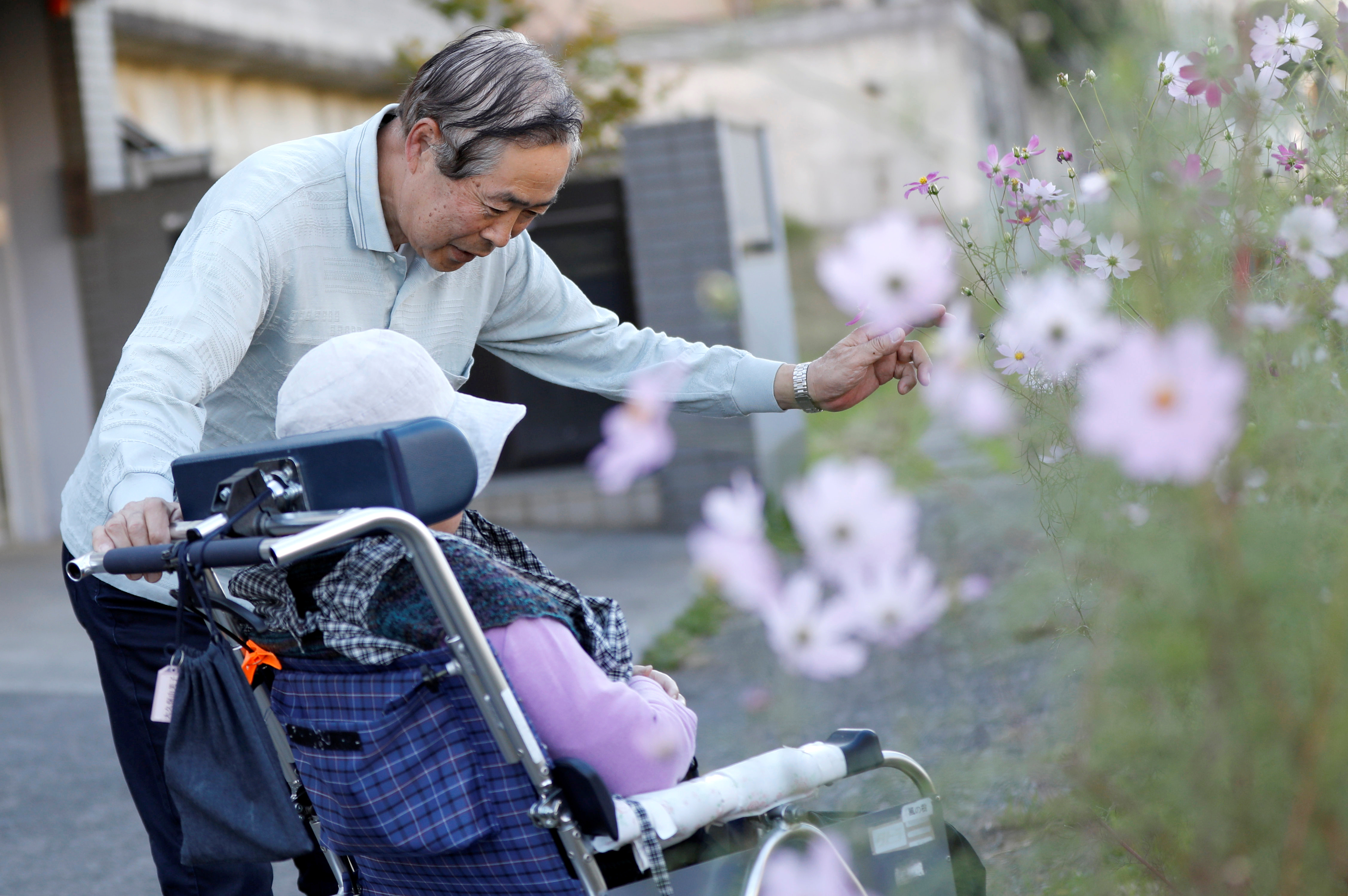
Consider the case of Maria, a retired teacher caring for her husband, John, diagnosed with Alzheimer’s. Maria, initially dedicated and loving, found herself increasingly isolated and overwhelmed. The constant demands of John’s care, coupled with the emotional pain of watching him fade away, took a heavy toll. She neglected her own health, stopped seeing friends, and eventually experienced a severe bout of depression. This highlights the crucial need for support systems and respite care for caregivers.
Beyond the individual and family level, dementia presents a significant societal challenge. The increasing prevalence of the condition, coupled with an aging population, puts a strain on healthcare systems and social services. The economic costs associated with dementia care are substantial, encompassing medical expenses, long-term care facilities, and lost productivity.
Building Bridges: Practical Solutions
While there is currently no cure for most forms of dementia, there are ways to manage symptoms, improve quality of life, and provide support for both individuals living with dementia and their caregivers. The key lies in early detection, proactive planning, and a compassionate approach.
Here are several practical solutions:
- Early Diagnosis is Key: Don’t dismiss early signs of cognitive decline. If you notice changes in memory, thinking, or behavior, consult a doctor for a thorough evaluation. Early diagnosis allows for timely intervention and access to treatments that can slow the progression of the disease and manage symptoms.
- Example: A simple cognitive screening test during a routine check-up can be a valuable first step in identifying potential problems.
- Cognitive Stimulation and Physical Activity: Engaging in mentally stimulating activities, such as puzzles, reading, and social interaction, can help maintain cognitive function. Regular physical exercise is also crucial, as it improves blood flow to the brain and promotes overall health.
- Example: Joining a book club, taking a dance class, or simply walking in nature can provide both cognitive and physical benefits.
- Creating a Supportive Environment: Modify the home environment to promote safety and independence. Remove hazards, label drawers and cupboards, and provide visual cues to aid memory. Establish a consistent routine to reduce confusion and anxiety.
- Example: Using contrasting colors to highlight steps or doorways can improve visibility and prevent falls.
- Memory Aids and Assistive Technology: Utilize memory aids such as calendars, pill organizers, and voice recorders to help individuals remember important information and tasks. Explore assistive technology options, such as GPS trackers, that can enhance safety and independence.
- Example: A digital photo frame displaying pictures of loved ones can trigger positive memories and provide a sense of connection.
- Communication Strategies: Adapt communication techniques to accommodate cognitive changes. Speak clearly and slowly, use simple language, and avoid asking open-ended questions. Focus on non-verbal cues and maintain eye contact.
- Example: Instead of asking “What did you do today?”, try “Did you enjoy your walk this morning?”
- Caregiver Support: Seek support from family, friends, and community organizations. Join a support group to connect with other caregivers and share experiences. Explore respite care options to provide temporary relief and prevent burnout.
- Example: Local Alzheimer’s Associations often offer support groups, educational workshops, and respite care services.
- Legal and Financial Planning: Consult with an attorney and financial advisor to create a plan for managing finances and healthcare decisions. Ensure that the individual’s wishes are respected and that their assets are protected.
- Example: A durable power of attorney allows a designated individual to make financial and legal decisions on behalf of the person with dementia.
It’s crucial to recognize that dementia affects everyone differently, and solutions need to be tailored to individual needs and preferences. Some might find comfort and engagement through music therapy, while others might benefit from art therapy or pet therapy. Exploring these alternative approaches, in addition to the core strategies mentioned above, can significantly improve quality of life. For example, studies have shown the positive impact of music on mood and memory retrieval in people with Alzheimer’s.
The key is to be flexible, patient, and willing to experiment until you find what works best for the individual and the family.
A Future of Hope and Action
Dementia undoubtedly presents immense challenges, but it’s not a battle without hope. By understanding the disease, implementing proactive strategies, and fostering a supportive community, we can mitigate its impact and improve the lives of those affected. Research continues to advance, offering the promise of new treatments and potential cures in the future.
While we await those breakthroughs, let’s focus on what we can do today. Let’s educate ourselves and others about dementia, advocate for increased funding for research and support services, and most importantly, extend compassion and understanding to those living with this condition and their caregivers.
Don’t stand idly by. Take action. Start a conversation, volunteer your time, or donate to a cause. Even small steps can make a big difference in the lives of those touched by dementia. Let’s work together to paint a brighter future, where memories are cherished, and lives are lived to the fullest, despite the challenges that may come.