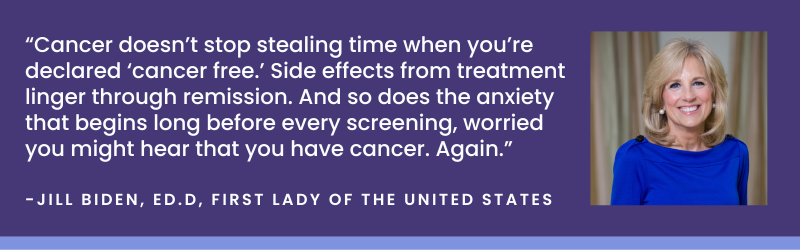
Cancer: Stealing Time.
Introduction
Time.It’s our most precious commodity, isn’t it?We trade it for experiences, relationships, accomplishments, and even the mundane moments that make up our everyday lives.But what happens when something, seemingly out of nowhere, starts chipping away at that precious time?That thief, more often than we’d like to admit, is cancer.
Cancer: the word itself carries a weight, a chilling promise of uncertainty.We all know someone touched by it – a family member, a friend, a colleague.It’s not just a disease; it’s a time-robber, stealing moments from birthdays, anniversaries, graduations, and countless other experiences that weave the tapestry of a life well-lived.It’s stealing time, both literally in the years potentially lost, and figuratively in the quality of life during treatment and recovery.
The Short-Term Sting: Disrupting the Now
In the immediate aftermath of a cancer diagnosis, life often feels like it’s been thrown into a blender.The shockwaves reverberate through every aspect of daily living.Suddenly, doctor appointments become a dominant feature of the calendar.Work schedules are disrupted.Simple joys are often overshadowed by fatigue, nausea, and the constant anxiety that comes with navigating treatment options.
Think of Maria, a vibrant graphic designer in her early 40s, diagnosed with breast cancer.Before her diagnosis, she thrived on creative projects, weekend hikes, and spontaneous dinners with friends.Chemotherapy, while a necessary step towards recovery, brought with it debilitating fatigue.Her deadlines stretched, her hikes turned into naps, and those spontaneous dinners became cherished memories she longed to recreate.Cancer stole her immediate ability to live life on her own terms, forcing her to surrender to a demanding schedule of treatments and side effects.
The financial burden, too, is a significant short-term thief of time and peace of mind.Dealing with insurance companies, navigating complex billing procedures, and worrying about the cost of medication can quickly consume hours and cause immense stress.The time spent fighting these battles is time stolen from healing, from family, and from simply being present.
The Long-Term Shadow: Reshaping the Future
Beyond the immediate impact, cancer casts a long shadow on the future.The lingering effects of treatment, known as late effects, can persist for years, even decades.These can range from chronic fatigue and neuropathy to heart problems and increased risk of secondary cancers.The uncertainty of recurrence also looms large, creating a persistent undercurrent of anxiety.
Consider David, a high school history teacher who successfully battled Hodgkin’s lymphoma in his 20s.He went on to build a fulfilling life, marrying his sweetheart and raising two children.However, the radiation therapy he received years ago later contributed to heart complications.While he cherishes the years he gained, he faces the ongoing challenge of managing a chronic health condition, a constant reminder of the time cancer once threatened to steal.
The long-term impact extends beyond physical health.Cancer can reshape career paths, alter relationship dynamics, and impact mental well-being.The fear of recurrence can prevent individuals from fully embracing future opportunities and creating long-term plans.The emotional scars can linger, creating a barrier to fully moving forward.
Reclaiming Stolen Time: Practical Solutions and Approaches
The good news is that while cancer can steal time, it doesn’t have to win.We can actively reclaim stolen moments and empower ourselves to live fuller, richer lives, both during and after treatment.Here are some practical solutions and approaches:
- Embrace Early Detection and Prevention:Prevention is always better than cure.Regular screenings, like mammograms, colonoscopies, and Pap tests, can detect cancer at its earliest stages when treatment is most effective and less invasive.Adopt a healthy lifestyle – a balanced diet, regular exercise, and avoiding tobacco – to minimize your risk.
- Example: The American Cancer Society offers guidelines and resources on recommended screening schedules for various types of cancer.Use their tools to ensure you’re up-to-date.
- Prioritize Self-Care:During and after treatment, self-care isn’t a luxury; it’s a necessity.This includes getting enough sleep, eating nutritious foods, managing stress through techniques like meditation or yoga, and engaging in activities that bring you joy.
- Case Study: Studies have shown that mindfulness meditation can significantly reduce anxiety and improve quality of life in cancer patients.
- Build a Strong Support System:Lean on your family, friends, and support groups.Sharing your experiences, fears, and triumphs with others who understand can be incredibly validating and empowering.
- Actionable Tip: Find a local cancer support group or online community where you can connect with others facing similar challenges.Organizations like Cancer Research UK and Cancer Support Community offers such support.
- Seek Professional Help:Don’t hesitate to seek professional help from therapists, counselors, or psychologists.They can provide guidance and support in navigating the emotional challenges of cancer.
- Alternative Approach: Consider art therapy or music therapy as complementary therapies to address emotional distress and promote healing.
- Advocate for Your Health:Become an active participant in your own care.Ask questions, research treatment options, and seek second opinions.Work with your healthcare team to develop a personalized treatment plan that aligns with your values and goals.
- Practical Tip: Keep a journal of your symptoms, side effects, and concerns to share with your doctor during appointments.
- Focus on What You Can Control:Cancer often brings a sense of loss of control.Focus on the aspects of your life that you can still manage – your diet, your exercise routine, your daily schedule, your relationships.
- Example: Instead of focusing on the fatigue that limits your ability to exercise, start with short walks and gradually increase the intensity as your energy levels improve.
- Embrace the Power of Gratitude:Practicing gratitude can shift your focus from what you’ve lost to what you still have.Take time each day to appreciate the good things in your life, no matter how small.
- Simple Exercise: Keep a gratitude journal and write down three things you’re grateful for each day.
Reclaiming Time: A Multifaceted Approach
It’s important to understand that there’s no one-size-fits-all approach to reclaiming stolen time.What works for one person may not work for another.The key is to experiment with different strategies and find what resonates with you.Perhaps it’s focusing on mindfulness to be fully present in the moment, or dedicating time each week to a hobby you enjoy, regardless of how tired you feel.
Ultimately, reclaiming time isn’t about ignoring the reality of cancer.It’s about choosing how you respond to it.It’s about finding ways to live a meaningful life, even in the face of adversity.It’s about actively creating moments of joy, connection, and purpose, and refusing to let cancer define your narrative.
A Future Filled with Hope and Action
Cancer may steal time, but it doesn’t steal hope.Advances in medical research are constantly leading to new and improved treatments, offering greater chances of survival and a better quality of life.We have the power to reclaim our time, to support those affected by cancer, and to work towards a future where this devastating disease is a thing of the past.Take action today – schedule that screening, donate to cancer research, reach out to a friend who is struggling, or simply commit to living each day to the fullest.Every small step contributes to a world where cancer steals less time, and where everyone has the chance to live a long, healthy, and fulfilling life.