Vitamins: Are You Dosing Dangerously?
Introduction
Ever feel like you’re doing your body a solid by popping that daily multivitamin? We’re bombarded with messages about how essential vitamins are for everything from glowing skin to a supercharged immune system. But could this well-intentioned act actually be… backfiring? Are we, in our quest for optimal health, inadvertently dosing ourselves into dangerous territory?
It might sound like alarmist talk, but the truth is that the “more is better” philosophy doesn’t always apply to vitamins. While deficiencies can wreak havoc on our health, so can overdoing it. Let’s dive into the world of vitamins, separating fact from fiction, and figuring out how to strike that perfect balance.
The Silent Overdose: Short-Term Impacts
You might not think of vitamin intake as something that can cause immediate problems. But exceeding the recommended daily allowance (RDA) can lead to some uncomfortable, and even alarming, short-term side effects.
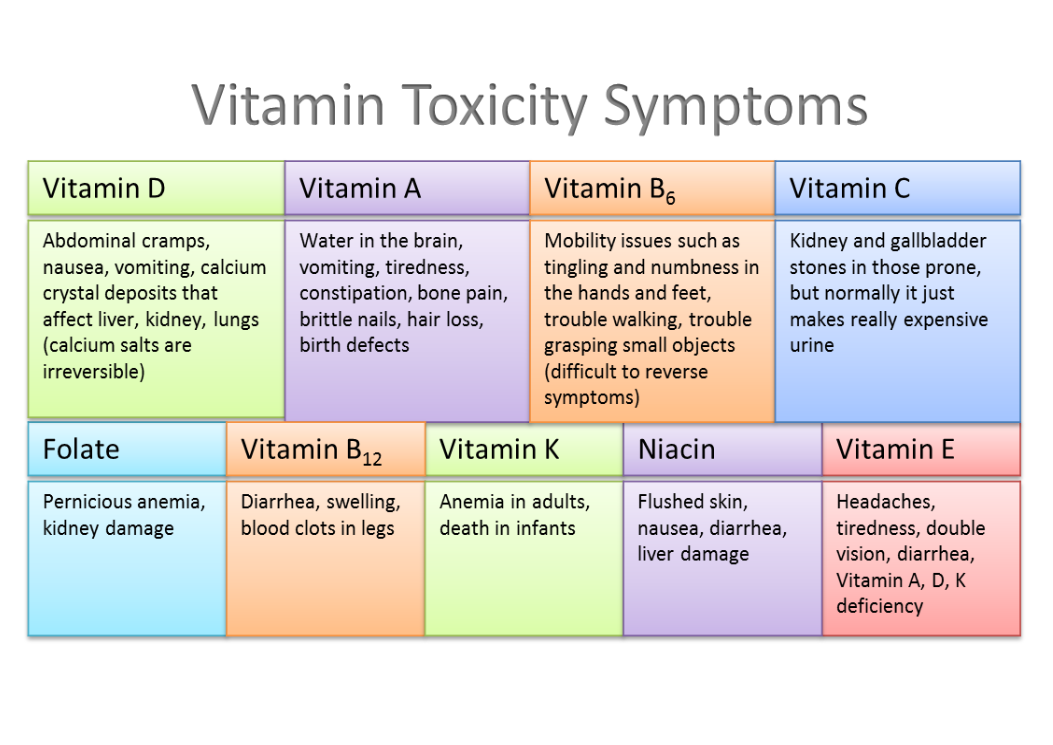
Think about vitamin C. While it’s touted for its immune-boosting power, consuming megadoses can lead to digestive distress like nausea, diarrhea, and stomach cramps. Too much vitamin A, often found in supplements promising radiant skin, can trigger headaches, dizziness, and even blurred vision. And let’s not forget about niacin (vitamin B3), commonly used to lower cholesterol, which in high doses can cause skin flushing, itching, and a tingling sensation.
These side effects are often dismissed as just “getting used to” the vitamin, but they’re actually warning signs your body is overloaded. Ignoring them can lead to more serious complications.
The Long Game: When Good Intentions Go Wrong
The truly concerning impacts of vitamin overdosing often lie in the long term. Chronic overconsumption can lead to serious, even irreversible, health problems.
Take fat-soluble vitamins like A, D, E, and K. Unlike water-soluble vitamins, which are easily excreted through urine, these are stored in the body. This means they can accumulate over time, potentially reaching toxic levels.
- Vitamin A Toxicity: Prolonged high doses can damage the liver, increase the risk of bone fractures, and even cause birth defects if taken during pregnancy.
- Vitamin D Toxicity: While crucial for bone health, too much vitamin D can lead to a buildup of calcium in the blood (hypercalcemia), causing nausea, weakness, and kidney problems. In severe cases, it can even lead to kidney failure.
- Vitamin E Toxicity: While relatively rare, high doses of vitamin E can interfere with blood clotting and increase the risk of bleeding, especially if you’re already taking blood thinners.
- Vitamin B6 Toxicity: Often taken for nerve health, excessive B6 intake can paradoxically cause nerve damage, leading to numbness and tingling in the hands and feet.
These are just a few examples. The dangers of chronic vitamin overconsumption are real and should not be taken lightly.
Decoding the Dosage: Practical Solutions You Can Use
So, how do you navigate this complex landscape and ensure you’re getting the right amount of vitamins without crossing the line into dangerous territory? Here’s a practical approach:
- Food First, Supplements Second: The best way to get your vitamins is through a balanced and varied diet. Focus on eating plenty of fruits, vegetables, whole grains, lean proteins, and healthy fats. Think of supplements as just that: supplements to a healthy diet, not replacements for it.
- Example: Instead of reaching for a vitamin C supplement, try incorporating more citrus fruits, berries, and peppers into your meals. These whole foods also provide fiber, antioxidants, and other beneficial nutrients that you won’t find in a pill.
- Know Your RDAs (Recommended Daily Allowances): Understanding the RDA for each vitamin is crucial. You can easily find this information online through reputable sources like the National Institutes of Health (NIH). Pay attention to the Upper Tolerable Intake Level (UL), which is the highest daily intake of a nutrient that is likely to pose no risk of adverse health effects for almost all individuals.
- Read Labels Carefully: Before taking any supplement, scrutinize the label. Pay attention to the amount of each vitamin it contains and compare it to the RDA. Be wary of supplements that contain excessively high doses, especially of fat-soluble vitamins.
- Consider Your Individual Needs: Certain individuals may have increased vitamin needs due to specific health conditions, medications, or lifestyle factors. Consult with a healthcare professional or registered dietitian to determine your individual needs and whether supplements are necessary.
- Case Study: A patient with malabsorption issues due to Crohn’s disease might require higher doses of certain vitamins to compensate for impaired nutrient absorption. A healthcare professional can assess their individual needs and recommend an appropriate supplementation regimen.
- Be Aware of Fortified Foods: Many processed foods are fortified with vitamins and minerals. While this can be beneficial in some cases, it can also contribute to overconsumption if you’re not paying attention. Be mindful of how much fortified food you’re consuming, especially if you’re also taking supplements.
- Question Multi-Ingredient Supplements: “All-in-one” supplements can be tempting, but they often contain a cocktail of vitamins and minerals in varying doses. It’s harder to control your intake of individual nutrients when they’re all bundled together. If you choose to take a multivitamin, opt for one that’s specifically formulated for your age, sex, and health needs.
- Talk to Your Doctor: The most important step is to have an open and honest conversation with your doctor or a registered dietitian about your vitamin intake. They can assess your current health status, identify any potential deficiencies, and recommend a safe and effective supplementation plan. Don’t be afraid to bring in all the supplements you’re currently taking so they can review them.
Alternative Approaches: Tailoring Your Vitamin Intake
Not sure where to start? Here are a few alternative approaches you can consider:
- The “Food Journal” Method: For a week, diligently track everything you eat and drink. Then, use a nutrition analysis tool (available online or through apps) to estimate your average daily vitamin intake from food. This will give you a better understanding of your baseline and help you identify any potential gaps.
- The “Step-Down” Approach: If you’re currently taking high doses of certain vitamins, consider gradually reducing your intake over time. This can help minimize any potential withdrawal symptoms and allow your body to adjust.
- The “Targeted Supplementation” Strategy: Instead of taking a multivitamin, focus on supplementing only the specific vitamins and minerals that you’re deficient in, based on blood tests or a healthcare professional’s recommendations.
Taking Control of Your Health
The world of vitamins can feel overwhelming, but by taking a mindful and informed approach, you can harness their benefits without putting your health at risk. Remember that vitamins are powerful tools, and like any tool, they should be used with caution and precision.
Don’t let the fear of overdosing paralyze you. Instead, view this as an opportunity to take control of your health and make informed decisions about what you put into your body. By focusing on a balanced diet, understanding your individual needs, and consulting with healthcare professionals, you can unlock the true potential of vitamins and embark on a journey towards optimal well-being. You’ve got this!