“`html
HEALTH APOCALYPSE: Are You Ready?
Introduction
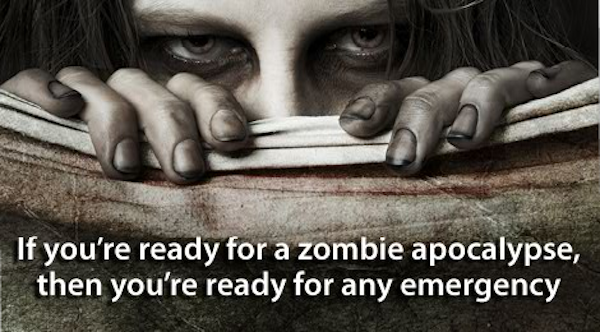
Okay, let’s be real. When you hear “health apocalypse,” your mind probably conjures images of zombies, overflowing hospitals, and societal collapse straight out of a Hollywood blockbuster. While we’re (hopefully) not quite there yet, the truth is, we’re facing a growing storm of health challenges that could seriously disrupt our lives and the world as we know it. Think of it less as a sudden, explosive event and more as a slow burn – a creeping erosion of our collective well-being.
But before you start stockpiling canned goods and perfecting your zombie-evasion techniques, take a deep breath. This isn’t about fear-mongering. It’s about understanding the threats, taking practical steps, and building resilience – both individually and as a community. Are you ready to face it? Let’s dive in.
The Gathering Storm: Short-Term and Long-Term Impacts
So, what exactly are these “health apocalypse” precursors we’re talking about? It’s a multi-faceted problem, driven by a perfect storm of interconnected issues.
- The Rise of Chronic Diseases: We’re seeing an alarming increase in chronic conditions like diabetes, heart disease, obesity, and mental health disorders. These aren’t just “old age” problems anymore; they’re affecting younger and younger populations, straining healthcare systems and impacting productivity. The short-term impacts include rising healthcare costs, decreased quality of life, and increased individual suffering. Long-term? We’re looking at a potential collapse of healthcare infrastructure, a reduced workforce, and an overall decline in societal health.
- Antimicrobial Resistance (AMR): Imagine a world where antibiotics no longer work. That’s the terrifying reality AMR is pushing us towards. Overuse of antibiotics in humans and agriculture has led to bacteria and other microbes evolving and becoming resistant to these life-saving drugs. Short-term, this means longer hospital stays, higher medical costs, and increased risk of death from infections. Long-term, common infections could become deadly again, undoing decades of medical progress.
- Environmental Degradation: Pollution, climate change, deforestation – these aren’t just abstract environmental issues. They directly impact our health. Air pollution exacerbates respiratory illnesses, extreme weather events cause injuries and displacement, and deforestation increases the risk of zoonotic diseases (diseases that jump from animals to humans). The short-term impacts include increased respiratory problems, heatstroke, and infectious disease outbreaks. Long-term, we’re talking about widespread food shortages, mass migrations due to uninhabitable environments, and a significant increase in climate-related illnesses.
- Mental Health Crisis: The world is experiencing a mental health crisis, exacerbated by societal pressures, economic instability, and social isolation. Anxiety, depression, and other mental health conditions are on the rise, particularly among young people. Short-term, this leads to decreased productivity, strained relationships, and increased substance abuse. Long-term, we’re facing a generation struggling with mental health issues, impacting social cohesion and economic stability.
Building Your Ark: Practical Solutions You Can Implement Now
Okay, enough doom and gloom. The good news is, we’re not powerless. There are concrete steps we can take to mitigate these threats and build a healthier, more resilient future. The most important thing is to take action, even if you start small.
- Invest in Preventative Health: This is the cornerstone of a healthier future.
- Prioritize a Healthy Lifestyle: This isn’t revolutionary advice, but it’s fundamental. Focus on a balanced diet rich in fruits, vegetables, and whole grains. Aim for at least 150 minutes of moderate-intensity exercise per week. Get enough sleep. Limit processed foods, sugary drinks, and excessive alcohol consumption.
- Example: Try meal prepping on the weekends to ensure you have healthy options available during the week. Find an exercise you enjoy, whether it’s hiking, dancing, or swimming, to make it a sustainable habit.
- Regular Check-ups and Screenings: Don’t wait until you’re sick to see a doctor. Regular check-ups and screenings can detect potential health problems early when they’re easier to treat.
- Example: Schedule an annual physical exam and get recommended screenings for your age and risk factors. This could include blood pressure checks, cholesterol screenings, and cancer screenings.
- Stress Management: Chronic stress can wreak havoc on your health. Find healthy ways to manage stress, such as meditation, yoga, spending time in nature, or pursuing hobbies.
- Example: Download a meditation app and practice mindfulness for a few minutes each day. Take breaks throughout the day to stretch, breathe deeply, or listen to calming music.
- Prioritize a Healthy Lifestyle: This isn’t revolutionary advice, but it’s fundamental. Focus on a balanced diet rich in fruits, vegetables, and whole grains. Aim for at least 150 minutes of moderate-intensity exercise per week. Get enough sleep. Limit processed foods, sugary drinks, and excessive alcohol consumption.
- Champion Antimicrobial Stewardship: We all have a role to play in combating AMR.
- Use Antibiotics Responsibly: Only take antibiotics when prescribed by a doctor and complete the entire course of medication, even if you feel better. Don’t demand antibiotics for viral infections like colds or the flu.
- Practice Good Hygiene: Wash your hands frequently with soap and water, especially after using the restroom and before preparing food. This helps prevent the spread of infections, reducing the need for antibiotics.
- Support Sustainable Agriculture: Choose meat and poultry products raised without routine antibiotics. Support farmers who prioritize animal welfare and responsible antibiotic use.
- Embrace Environmental Stewardship: Protecting the environment is crucial for protecting our health.
- Reduce Your Carbon Footprint: Take steps to reduce your environmental impact, such as using public transportation, cycling, walking, conserving energy, and reducing waste.
- Support Sustainable Practices: Choose products and services from companies that prioritize environmental sustainability. Advocate for policies that protect the environment.
- Educate Yourself: Learn more about environmental issues and how they impact human health. Share your knowledge with others and encourage them to take action.
- Prioritize Mental Well-being: Mental health is just as important as physical health.
- Seek Professional Help: Don’t hesitate to seek professional help if you’re struggling with your mental health. Therapy, counseling, and medication can be effective treatments for a wide range of mental health conditions.
- Build Strong Social Connections: Social isolation can have a negative impact on mental health. Make an effort to connect with friends, family, and community members. Join social groups, volunteer, or participate in activities you enjoy.
- Practice Self-Care: Take time for yourself to do things that make you happy and relaxed. This could include reading, listening to music, spending time in nature, or pursuing hobbies.
Alternative Approaches: Tailoring Solutions to Your Needs
Everyone’s situation is different, and what works for one person may not work for another. Here are some alternative approaches to consider:
- Community-Based Initiatives: Get involved in local initiatives focused on health and wellness. This could include community gardens, walking groups, or health education programs.
- Telehealth: Utilize telehealth services for convenient and affordable access to healthcare professionals. This can be especially helpful for people in rural areas or those with limited mobility.
- Integrative Medicine: Explore integrative medicine approaches that combine conventional medicine with complementary therapies, such as acupuncture, massage, and herbal medicine.
The Choice is Yours: A Future of Hope, Not Fear
The “health apocalypse” scenario doesn’t have to be a self-fulfilling prophecy. By understanding the challenges we face and taking proactive steps to improve our health, we can create a healthier, more resilient future for ourselves and future generations.
It’s not about grand gestures or overnight transformations. It’s about making small, consistent changes that add up over time. It’s about prioritizing prevention, advocating for responsible policies, and supporting each other along the way.
Remember, you have the power to make a difference. Start today. Choose health. Choose resilience. Choose hope. The future is not predetermined. It’s a story we’re writing together, one healthy choice at a time.
“`