“`html
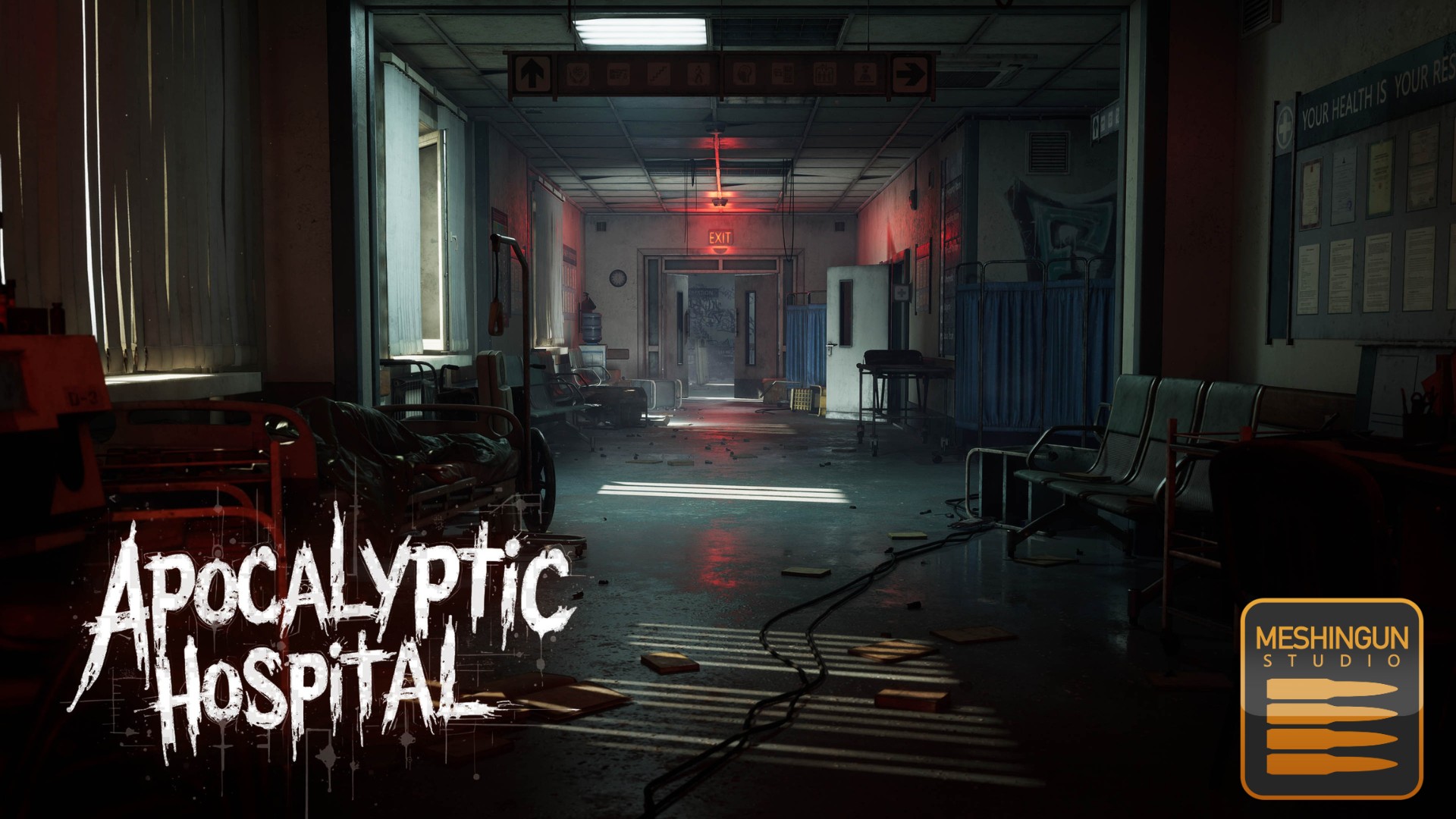
Health Apocalypse: Coming to a Hospital Near You?
Picture this: you’re rushing a loved one to the emergency room, only to be met with overflowing waiting rooms, stretched-thin staff, and delayed care. Sounds like a scene from a dystopian movie, right? Unfortunately, this is becoming an increasingly common reality, and the signs point towards a potential “Health Apocalypse” brewing right around the corner. We’re not talking zombies or viral outbreaks (necessarily!), but a more insidious threat: a healthcare system buckling under pressure, impacting everyone from patients to providers.
But what exactly is causing this impending crisis, and more importantly, what can we do to prevent it from spiraling out of control? Let’s dive in.
The Perfect Storm: Why the System is Straining
The “Health Apocalypse” isn’t triggered by a single event, but by a confluence of factors creating a perfect storm.
- Aging Population: We’re living longer, which is fantastic! However, it also means a surge in chronic diseases like diabetes, heart disease, and Alzheimer’s, placing increased demands on healthcare resources. More people need more care, and that care is often more complex and expensive.
- Healthcare Worker Shortages: Nurses are burning out. Doctors are overwhelmed. Support staff is dwindling. The healthcare workforce is facing a massive shortage, exacerbated by the demanding nature of the job, high stress levels, and inadequate compensation. This shortage directly translates to longer wait times, reduced quality of care, and increased risk of medical errors.
- Rising Healthcare Costs: The cost of healthcare is astronomical and continues to climb. This makes it difficult for individuals to access necessary treatment, leading to delayed care and ultimately, more severe health problems that require even more expensive interventions.
- Limited Access to Primary Care: Prevention is always better (and cheaper!) than cure. However, many people lack access to affordable primary care physicians, leading to delayed diagnoses and a reliance on emergency rooms for basic healthcare needs.
- Inefficient Systems and Bureaucracy: Mountains of paperwork, convoluted billing processes, and outdated technology hinder efficiency and contribute to unnecessary costs. These administrative burdens distract healthcare professionals from what truly matters: patient care.
Short-Term Impacts: The Immediate Fallout
The immediate consequences of this strained system are already being felt:
- Longer Wait Times: ER visits are becoming marathons, with patients spending hours, even days, waiting for treatment. This delay can have devastating consequences, particularly for those with time-sensitive conditions like stroke or heart attack.
- Reduced Quality of Care: Overworked and understaffed medical professionals struggle to provide the level of care they aspire to. This can lead to mistakes, missed diagnoses, and ultimately, poorer patient outcomes.
- Increased Stress and Burnout: The relentless pressure on healthcare workers is taking a toll on their mental and physical well-being. Burnout leads to decreased job satisfaction, higher turnover rates, and a further reduction in the workforce.
- Higher Healthcare Costs: As demand increases and resources dwindle, healthcare costs will continue to rise, making it even harder for individuals and families to afford essential medical services.
Long-Term Impacts: A Grim Outlook
If left unaddressed, the long-term consequences of the “Health Apocalypse” could be catastrophic:
- A Two-Tiered System: Access to quality healthcare may become restricted to those who can afford it, while the rest struggle to receive adequate treatment. This would exacerbate existing health disparities and create a system where health outcomes are determined by socioeconomic status.
- Decreased Public Health: Untreated chronic diseases, delayed preventative care, and limited access to mental health services will lead to a decline in overall public health, impacting productivity, economic growth, and quality of life.
- Erosion of Trust: As the healthcare system deteriorates, public trust in medical institutions and professionals will erode, leading to decreased adherence to medical advice and a reluctance to seek care.
- Economic Instability: The rising cost of healthcare and the declining health of the workforce will strain the economy, potentially leading to job losses, reduced productivity, and increased government spending.
Hope is Not Lost: Practical Solutions for a Healthier Future
The good news is that this “Health Apocalypse” is not inevitable. We can take concrete steps to avert the crisis and build a more sustainable and equitable healthcare system.
1. Investing in the Healthcare Workforce:
- Address Burnout: Hospitals and healthcare systems need to prioritize the well-being of their staff by offering comprehensive support programs, flexible work schedules, and opportunities for professional development.
- Increase Compensation and Benefits: Competitive salaries and comprehensive benefits packages are essential to attract and retain talented healthcare professionals. Consider loan repayment programs to ease the burden of medical education debt.
- Expand Training Programs: Increase funding for nursing schools, medical schools, and other healthcare training programs to address the workforce shortage. Streamline the licensing process for healthcare professionals to allow qualified individuals to enter the workforce more quickly.
Example: The Mayo Clinic has implemented a “Caregiver Wellbeing” program that includes stress management workshops, mindfulness training, and peer support groups. This program has been shown to reduce burnout rates and improve job satisfaction among their healthcare professionals.
2. Improving Access to Primary and Preventative Care:
- Expand Telehealth Services: Telehealth can provide convenient and affordable access to care, particularly for individuals in rural or underserved areas. Encourage the use of telehealth for routine check-ups, chronic disease management, and mental health services.
- Increase Funding for Community Health Centers: Community health centers provide essential healthcare services to underserved populations. Increase funding for these centers to expand their reach and improve access to care for vulnerable communities.
- Promote Preventative Care: Encourage individuals to prioritize preventative care by offering incentives for regular check-ups, screenings, and vaccinations. Educate the public about the importance of healthy lifestyle choices, such as eating a balanced diet, exercising regularly, and avoiding smoking.
Example: Kaiser Permanente’s integrated healthcare system emphasizes preventative care and has been shown to reduce hospital readmission rates and improve overall health outcomes.
3. Streamlining Systems and Reducing Bureaucracy:
- Invest in Technology: Electronic health records, telemedicine platforms, and AI-powered diagnostic tools can improve efficiency, reduce errors, and free up healthcare professionals to focus on patient care.
- Simplify Billing Processes: Streamline the billing process and reduce administrative burdens by implementing standardized billing codes and automating claims processing.
- Promote Value-Based Care: Shift the focus from fee-for-service to value-based care, which rewards healthcare providers for delivering high-quality, cost-effective care.
Example: Intermountain Healthcare has implemented a “Precision Medicine” program that uses genomic data to personalize treatment plans and improve patient outcomes.
4. Empowering Individuals to Take Control of Their Health:
- Health Literacy: Promoting education about conditions, and diseases and encouraging individuals to proactively care about their health is a great way to improve it.
- Adopting healthy Lifestyles: By prioritizing habits such as physical activity, consuming a healthy diet, and getting enough sleep, the individual can reduce their vulnerability to preventable diseases.
- Mental well-being: It is paramount to destigmatize discussions about mental health by incorporating routine mental wellness checks.
A Call to Action: The Future is in Our Hands
The “Health Apocalypse” is a daunting prospect, but it’s not a foregone conclusion. By implementing these solutions and working together, we can build a healthcare system that is more sustainable, equitable, and responsive to the needs of all.
This isn’t just a problem for doctors and policymakers. It’s a problem for all of us. We all have a role to play in creating a healthier future. Advocate for change, support healthcare workers, prioritize preventative care, and take control of your own health.
Let’s choose hope over despair and work together to avert the “Health Apocalypse” before it’s too late. The time to act is now. The future of healthcare depends on it.
“`